
Quick Answer: When Should You Switch?
Transitioning your child to a booster car seat is a major milestone, but it is one that should never be rushed. Many parents assume that reaching a certain age or starting preschool means it is time to pack away the forward-facing car seat. In reality, the decision to transition depends entirely on your child outgrowing the specific height and weight limits of their current forward-facing harness seat, rather than their age alone.
To determine if your child is ready, you must first check the manufacturer label on your current car seat to find its maximum capacity. Additionally, local traffic regulations in Singapore mandate specific safety measures based on height, making it crucial to align your timing with legal requirements. Finally, physical size is only half the equation; your child must also possess the behavioral maturity to sit properly with a vehicle seat belt for the entire journey without slouching, leaning, or playing with the strap.
Physical and Behavioral Readiness Signals to Check
Before making any changes to your vehicle setup, you need to conduct a thorough self-assessment of your child’s physical measurements and daily behavior. The first step is to examine the physical limits of your current forward-facing car seat. Every car seat has a safety label, usually located on the side or back of the shell, which details the maximum weight and height allowed for the internal five-point harness. Keep your child in this harnessed seat until they reach the absolute maximum weight or height limit specified by the manufacturer, as a five-point harness offers excellent crash force distribution compared to a vehicle seat belt.
Products mentioned in this guide
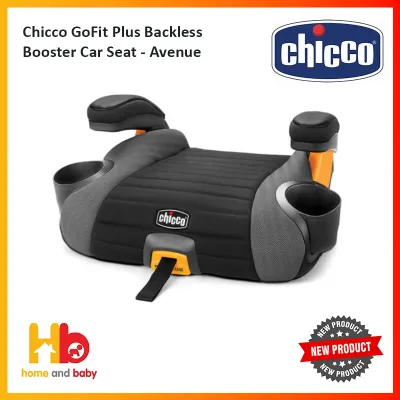
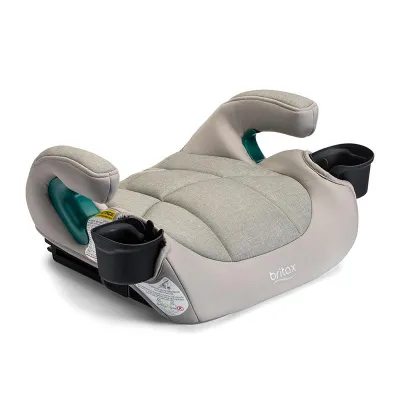
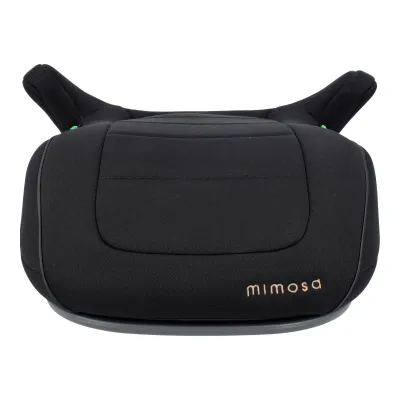
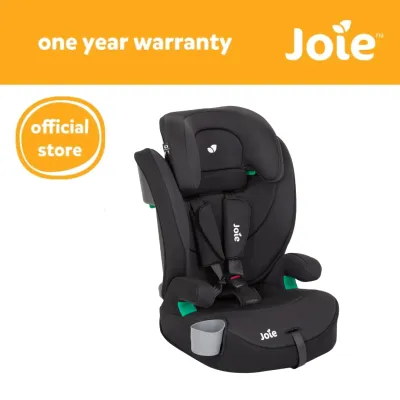
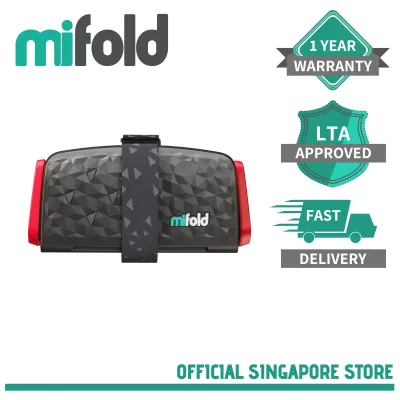
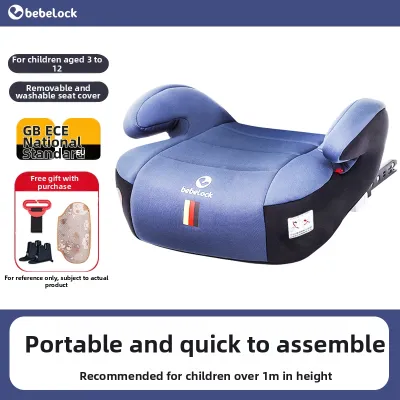
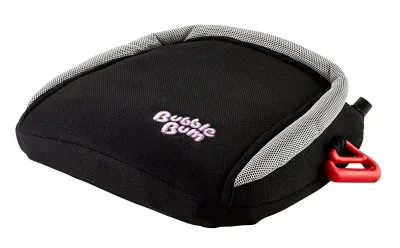
Prices are valid at publication and may change. Please refer to the product page for the latest price.

Behavioral maturity is the next critical pillar of booster seat readiness. Unlike a harnessed seat that physically restrains a child’s shoulders and hips, a booster car seat relies entirely on the vehicle’s adult seat belt to hold the child in place. This means your child must be mature enough to sit relatively still for the entire duration of every car ride. They must not slouch, lean sideways to look out the window, bend forward to reach for toys on the floor, or pull the shoulder belt under their arm or behind their back. If your child frequently falls asleep and slumps over, or if they tend to play with the seat belt buckle, they are not yet ready for a booster seat, regardless of their physical size.
While age is often discussed among parents, it should only serve as a secondary reference point. Children grow and mature at vastly different rates, meaning a highly active five-year-old might need to stay in a harnessed seat longer than a calm four-year-old of the same height. Safety guidelines generally suggest waiting until a child is at least four or five years old before even considering a booster, but physical dimensions and behavioral compliance must always take precedence over age alone.
To verify if your child can physically use a booster seat safely, you must perform a seat belt fit check. When your child sits in the booster seat, the vehicle’s lap belt must rest low and snug across their upper thighs and hips, never across their soft stomach area where it could cause internal injuries during a sudden stop. The shoulder belt must cross snugly over the center of their shoulder and chest, resting flat against the collarbone without rubbing against their neck or slipping off the edge of their shoulder. If the belt does not align perfectly across these bony structures, the booster seat is not yet a safe option.
Understanding Singapore's Car Seat Laws and Safety Labels
Navigating the legal landscape is essential for every parent driving in Singapore. Under local traffic regulations, anyone below the height of 1.35 meters must be secured with an approved child restraint appropriate for their height and weight, a booster seat, or an adjustable seat belt. This law applies to all private vehicles on the road. Failing to comply not only risks heavy fines and demerit points but, more importantly, places your child at severe risk of injury in the event of a collision.
When shopping for a booster car seat or evaluating your current gear, you must verify that the product meets recognized international safety standards. In Singapore, approved child restraints typically carry certification labels indicating compliance with standards such as the United Nations Economic Commission for Europe (UN ECE) regulations, specifically UN ECE R44/04 or the newer R129 (often referred to as i-Size). Look for an orange label or sticker on the seat body that displays these codes, which confirm the seat has undergone rigorous crash testing and meets strict safety benchmarks.
Beyond certification, you must also perform diligent expiry and history checks on any safety equipment you use. Car seats are made of plastics and foam materials that degrade over time due to heat, humidity, and UV exposure, which are particularly intense in Singapore’s tropical climate. Most manufacturers specify an expiration date, typically between six to ten years from the date of manufacture, which can be found stamped into the plastic shell or detailed in the user manual. Furthermore, any car seat that has been involved in a moderate to severe vehicle collision must be replaced immediately, as invisible structural stress fractures can compromise its ability to protect your child in a future accident.
Evaluating Your Current Setup and Planning Next Steps
Once you have completed the readiness assessment, you will fall into one of two categories, each requiring a distinct set of next steps. If your child does not yet meet all the physical and behavioral criteria, your safest course of action is to maximize the use of your current forward-facing harnessed seat. Check the user manual to ensure the shoulder straps are adjusted to the correct height—typically at or just above the shoulders for forward-facing setups—and verify that the top tether strap is securely anchored to your vehicle’s designated anchor point. Waiting until your child fully outgrows their current seat is always the most protective choice.
If your child is indeed ready to transition, you must carefully select the right type of booster seat for your vehicle and family needs. High-back booster seats are highly recommended for younger children transitioning from a harness, as they feature side-impact protection wings and built-in belt guides that keep the shoulder strap positioned correctly. Backless booster seats are more compact and portable, making them convenient for carpooling or tight three-across seating arrangements, but they offer no lateral torso support or headrest protection.
Proper installation and fit are the final, crucial steps in the transition process. You must read both the booster seat instruction manual and your vehicle owner’s manual thoroughly before your first trip. Pay close attention to how the seat belt must be routed through the booster’s designated guides, and ensure the booster seat sits flat against the vehicle’s seat back. Some booster seats feature attachment systems like ISOFIX to keep the seat secured to the vehicle frame even when unoccupied, preventing it from becoming a dangerous projectile during a sudden stop.
Frequently Asked Questions (FAQ)
Can I use a backless booster seat instead of a high-back booster?
A backless booster seat can be a practical option, but its safety depends heavily on your vehicle’s design and your child’s physical development. High-back boosters provide essential head, neck, and torso support, which is absolutely necessary if your vehicle’s rear seats do not have built-in, adjustable headrests that reach above your child’s ears. If your vehicle does have adequate headrests, a backless booster may be suitable for an older, taller child who can maintain an upright posture even when asleep. Always verify the manufacturer’s specific height and weight specifications on the product label before choosing a backless model.
What if my child is tall but still acts too immature for a booster?
If your child has outgrown their forward-facing seat by height but lacks the behavioral maturity to sit still without playing with the seat belt, they are not ready for a booster seat. In this scenario, transitioning them prematurely can compromise their safety. Instead, look for forward-facing car seats with higher weight and height limits for their internal five-point harness. Several models on the market are designed to accommodate taller or heavier children in a fully harnessed setup, allowing you to keep them securely restrained until they develop the maturity required for a belt-positioning booster.
Is it safe to buy a second-hand booster car seat in Singapore?
Buying a second-hand booster car seat carries significant hidden risks and is generally discouraged unless you can verify its complete history. A pre-owned seat may have suffered invisible structural damage in a previous collision, or its plastic components may have degraded from prolonged exposure to heat and sunlight. If you must use a second-hand seat, only accept one from a trusted friend or family member who can guarantee it has never been in an accident. You must also inspect the seat for its original manufacturing label, confirm it has not expired or been recalled, and ensure all original parts, belt guides, and user manuals are present.

Community discussion
Share your experience or ask a question. Comments are reviewed before publication.