
In Singapore, the law requires any passenger under 1.35 metres in height to be properly secured using an approved child restraint, booster seat, or adjustable seatbelt when traveling in a motor vehicle. This mandate applies to all private vehicles and private hire cars (PHVs), with specific legal exemptions only for public buses and traditional street-hail taxis. Ensuring your child is secured in a certified seat is not just about avoiding legal penalties; it is a critical safety practice that accounts for the physical differences in a child’s skeletal structure during a collision.
Failing to use the correct restraint system exposes your child to severe risks. Adult seatbelts are designed for mature skeletal frames and can cause severe internal injuries to a child’s abdomen or neck during a sudden stop if they are under the 1.35-metre threshold. Understanding the legal nuances, approved safety certifications, and correct installation methods will help you keep your child safe and compliant on Singapore’s roads.
Understanding the 1.35m Height Rule and Legal Mandates
Singapore’s Road Traffic Act establishes a clear, height-based boundary for child passenger safety. Anyone under 1.35 metres tall must be secured with an appropriate child restraint, booster seat, or an adjustable seatbelt that ensures a correct fit. This rule is strictly based on height rather than age because a person’s height determines how a standard vehicle seatbelt interacts with their body. When a child who is too short uses an adult seatbelt, the shoulder strap often rests across their neck or face, and the lap belt rides up over their vulnerable abdomen, which can lead to severe internal injuries during a collision.
Products mentioned in this guide
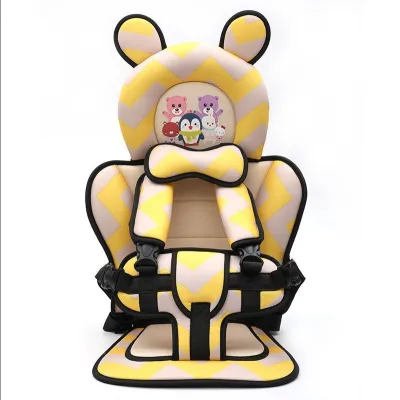
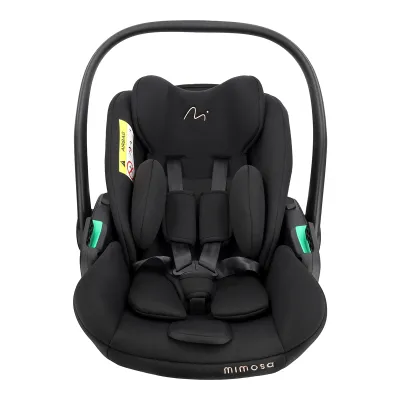
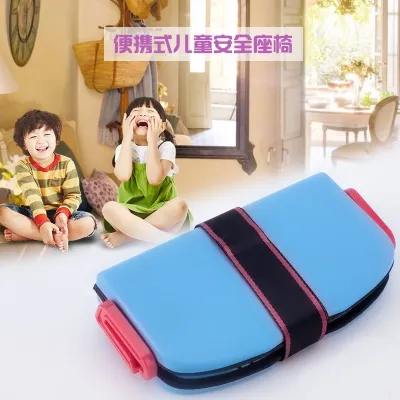
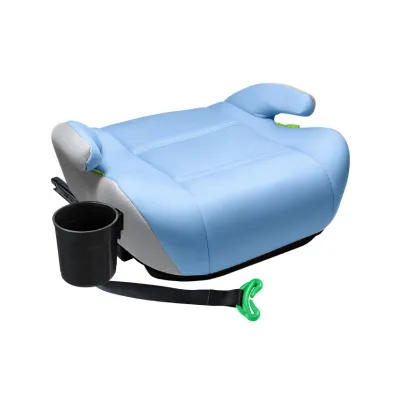
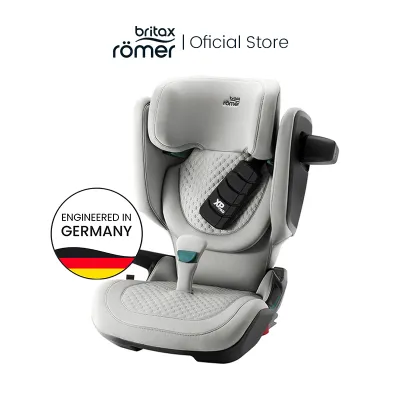
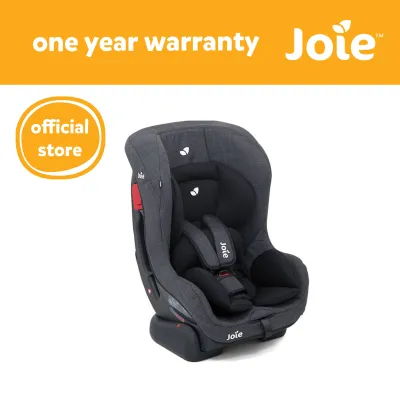
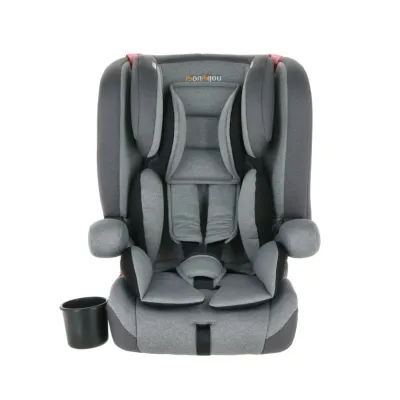
Prices are valid at publication and may change. Please refer to the product page for the latest price.
As a driver in Singapore, you bear the sole legal responsibility for ensuring that all child passengers are properly secured before moving your vehicle. If you are stopped by the Traffic Police and found to have unrestrained passengers under the 1.35-metre threshold, you face immediate legal consequences. These penalties typically include a composition fine and demerit points on your driving record. For serious or repeat offenses, the matter may be prosecuted in court, potentially leading to heavier fines or custody terms.
It is vital to recognize that the 1.35-metre threshold is a strict legal boundary that applies regardless of your child’s age, weight, or perceived maturity. Even if your child is older or feels they have outgrown the need for a special seat, their physical height remains the only legal metric for transitioning to a standard seatbelt. Conversely, if a younger child grows rapidly and surpasses 1.35 metres early, they may legally transition to using the vehicle’s standard seatbelt, provided the belt fits them correctly across the shoulder and pelvis without riding up.
Recognizing Approved Safety Standards and Certification Labels
Before purchasing a child car seat in Singapore, you must verify that it complies with the safety standards recognized by the Land Transport Authority (LTA). Singapore does not allow the use of uncertified restraints. The most common and widely accepted standards are the European regulations, specifically the older UN ECE R44/04 and the newer, more stringent UN ECE R129 (commonly known as i-Size). Other internationally recognized standards accepted in Singapore include those from the United States (FMVSS 213), Australia (AS/NZS 1754), Japan (JIS), and Great Britain (BS EN).

When inspecting a child car seat, look for the orange certification label permanently affixed to the seat’s shell. For European-certified seats, this label displays an “E” mark inside a circle, accompanied by a number that indicates the country where the seat was tested. The label also contains critical technical information, including the specific version of the safety standard met, the weight or height limits for which the seat is approved, and whether the seat is classified as “Universal” (compatible with most vehicles) or “Semi-Universal” (requiring specific vehicle compatibility checks).
Using uncertified, counterfeit, or unverified second-hand seats carries extreme safety and legal risks. Cheap, unbranded seats purchased from online marketplaces often lack the internal reinforcing structures and energy-absorbing foam required to withstand crash forces. Similarly, second-hand seats with an unknown history may have been involved in a previous collision, which can cause invisible micro-fractures in the plastic shell that compromise its structural integrity. Always prioritize buying from reputable retailers and verify the presence of a genuine certification label before use.
Matching the Right Car Seat to Your Child's Growth Stages
Selecting the correct child car seat requires matching the restraint type to your child’s physical development metrics rather than relying solely on their age. Children grow at different rates, and their skeletal strength changes as they mature, meaning a seat that is safe for one toddler may be highly dangerous for another of the same age.
Rear-Facing Infant and Toddler Seats
For newborns and young toddlers, rear-facing seats offer the highest level of protection for the head, neck, and spine. An infant’s head is disproportionately heavy compared to their body, and their neck muscles and bones are still developing. In a frontal collision, a rear-facing seat cradles the child’s entire back, distributing the crash forces evenly across the strong shell of the seat rather than concentrating them on the neck. You should keep your child in a rear-facing position for as long as possible, up to the maximum weight or height limit specified by the seat’s manufacturer. Physical markers that indicate your child has outgrown their rear-facing seat include their head reaching within 2.5 centimetres of the top of the plastic shell, or exceeding the maximum weight limit printed on the certification label.
Forward-Facing Seats with Harnesses
Once your child has fully outgrown the limits of their rear-facing seat, they can transition to a forward-facing seat equipped with a five-point harness. This harness system secures the child at the shoulders and hips, distributing impact forces across the strongest parts of their skeleton. When adjusting a forward-facing seat, the harness straps must be positioned at or slightly above your child’s shoulders. Ensure the straps are snug against their body and that any chest clip, if provided by the manufacturer, is positioned at armpit level to prevent the straps from slipping off the shoulders during a sudden stop.
Booster Seats and Cushions
Booster seats are designed for older children who have outgrown their forward-facing harness seats but remain under the 1.35-metre legal limit. A booster seat works by raising the child so that the vehicle’s adult seatbelt fits correctly across their body. High-back boosters are highly recommended over simple backless booster cushions because they provide essential side-impact protection and feature built-in belt guides that keep the shoulder strap positioned correctly across the chest. When using a booster, the lap belt must sit low across the strong pelvic bones, and the shoulder belt must rest comfortably across the center of the shoulder and chest, never rubbing against the neck or slipping off the arm.
Safe Installation and Vehicle Placement Guidelines
An incorrectly installed child car seat cannot protect your child in an accident, regardless of how expensive or highly rated the seat is. You must choose between two primary installation methods: ISOFIX or the vehicle’s standard three-point seatbelt. ISOFIX uses rigid metal connectors built into the car seat that click directly into anchor points welded into your vehicle’s chassis, which significantly reduces the risk of installation errors. Seatbelt installations are equally safe when performed correctly, but they require careful routing through the seat’s designated belt paths and ensuring the vehicle’s seatbelt retractor is switched into its automatic locking mode. Always consult both your vehicle’s owner’s manual and the car seat’s instruction manual to ensure compatibility and correct routing.
Vehicle placement is another critical safety factor. The safest location for any child car seat is the rear center seat, as it is furthest from potential side-impact zones, followed by the rear passenger-side seat, which allows for safe curbside loading and unloading in Singapore’s busy traffic. You must never place a rear-facing child car seat in the front passenger seat if the vehicle has an active frontal airbag. If the airbag deploys during a collision, it will strike the back of the child seat with immense force, which can cause fatal head and neck injuries. If you must place a forward-facing child seat in the front passenger seat, you must slide the vehicle seat as far back as possible away from the dashboard and verify that the passenger airbag is deactivated if the vehicle manufacturer permits it.
To ensure your child car seat is installed correctly before every journey, perform these quick verification checks:
- The 1-Inch Test: Grab the installed car seat at the belt path or ISOFIX connection points and pull firmly from side to side and front to back. The seat should not move more than 2.5 centimetres (1 inch) in any direction.
- The Pinch Test: Once your child is buckled in, try to pinch the harness webbing horizontally at their collarbone. If you can pinch any excess fabric between your fingers, the harness is too loose and must be tightened further.
- Recline Angle Check: For rear-facing infants, verify that the seat's recline angle matches the manufacturer's indicator. A seat that is too upright can cause an infant's heavy head to flop forward, potentially restricting their airway.
Navigating Exceptions: Taxis, Private Hire Cars, and Buses
Singapore’s road transport system features specific legal distinctions regarding child restraints depending on the type of vehicle you choose. Traditional street-hail taxis (such as ComfortDelGro) are legally exempt from the child restraint requirement. This exemption exists because taxis are classified as public transport, making it logially impractical for drivers to carry multiple car seats of varying sizes for unplanned passengers. While riding in a taxi without a car seat is legal, the physical risks remain unchanged. In a collision, an unrestrained child faces the same severe forces regardless of the vehicle’s legal classification.
In contrast, private hire vehicles (PHVs) booked through ride-hailing apps like Grab, Gojek, Tada, or Ryde are legally classified as private passenger cars. Consequently, the 1.35-metre height rule strictly applies to all PHVs. If you book a standard PHV and do not have an appropriate child car seat or booster for your child under 1.35 metres, the driver is legally required to refuse the ride. Attempting to board without a restraint can result in the driver canceling your trip, and both you and the driver could face prosecution for non-compliance.
To navigate these regulations smoothly, you can utilize several practical travel solutions:
- Portable Travel Restraints: Lightweight, foldable booster seats or approved travel vests (such as the mifold or RideSafer vest) are highly portable options that fit easily into a backpack, making them ideal for families relying on ride-hailing services.
- Specialized Ride Services: Many ride-hailing apps in Singapore offer dedicated family options, such as GrabFamily. Booking these services ensures your vehicle arrives equipped with an age-appropriate child car seat or booster seat installed by a trained driver, usually for a small additional surcharge.
- Public Buses and Coaches: Public buses and large coaches are legally exempt from the child restraint mandate. When traveling on public buses, parents should keep infants secured in a baby carrier or stroller with the brakes locked in the designated wheelchair bay, while older children should remain seated throughout the journey.
Knowing When to Transition, Upgrade, or Replace the Seat
As your child grows, you must regularly monitor their physical measurements against the limits of their current car seat to determine when it is time to upgrade. A child has outgrown their seat when they exceed the maximum weight or height limit printed on the manufacturer’s label. For harnessed seats, you must also upgrade if the child’s shoulders rise above the highest harness slot, or if the tops of their ears reach the top of the seat’s headrest when fully extended.
If your child car seat is involved in a moderate or severe vehicle collision, you must replace it immediately, even if there is no visible damage. The intense forces of a crash can cause hairline fractures in the plastic shell and stretch the internal fibers of the harness webbing. These weakened components may fail completely in a subsequent accident, leaving your child unprotected. Many manufacturers offer crash-replacement programs that will replace your seat free of charge if you provide a copy of the police report, so it is beneficial to check your product’s warranty details.
Finally, always check the manufacturer’s expiration date for your child car seat. Most car seats have a lifespan of 6 to 10 years from their date of manufacture, which is typically printed on a white sticker or stamped directly into the plastic shell. Singapore’s hot and humid tropical climate accelerates the degradation of plastic components and harness webbing, especially if the vehicle is frequently parked in direct sunlight. Using an expired seat increases the risk of structural failure during an impact, making regular replacement essential for your child’s safety.
Frequently Asked Questions (FAQ)
Can my child sit in the front seat in Singapore?
Legally, a child under 1.35 metres may sit in the front passenger seat of a private vehicle only if they are secured in an approved, age-appropriate child restraint. However, safety experts strongly discourage placing children in the front seat due to the extreme danger posed by deploying passenger airbags. If you must install a rear-facing infant seat in the front, you must manually deactivate the passenger airbag first. If your vehicle does not allow you to turn off the passenger airbag, placing a rear-facing seat in the front is highly dangerous and legally prohibited.
Are child car seats mandatory in private hire cars like Grab?
Yes, child car seats or booster seats are strictly mandatory for any passenger under 1.35 metres traveling in private hire cars (PHVs) in Singapore. Unlike traditional street-hail taxis, PHVs are legally treated as private vehicles under the Road Traffic Act, meaning no exemptions are granted. If you plan to travel via a ride-hailing service with a child under 1.35 metres, you must either bring your own portable travel restraint or book a specialized family service that provides a pre-installed child seat.
How do I know if my child car seat has expired?
To determine if your child car seat has expired, locate the manufacturer’s label, which is usually a white sticker or a molded stamp on the bottom or back of the seat’s plastic shell. This label will list the exact date of manufacture. Most manufacturers specify a lifespan of 6 to 10 years from this date. If the label does not state an explicit expiration date, consult the product manual or contact the manufacturer directly. Given Singapore’s intense heat and humidity, which can weaken plastic over time, you should never use a seat that has surpassed its recommended lifespan.
Community discussion
Share your experience or ask a question. Comments are reviewed before publication.