
Introducing solid foods is a significant milestone in your baby’s first year, and carrots are often one of the very first vegetables parents consider. You can typically introduce carrots to your baby around six months of age, provided they show key signs of developmental readiness. This vibrant root vegetable provides essential nutrients, including beta-carotene (which the body converts to Vitamin A), dietary fiber, and potassium, all of which support your growing infant’s development.
While carrots are a nutritious and naturally sweet option, preparing them safely is crucial to prevent choking. Understanding how to transition from smooth purees to soft finger foods allows you to offer this vegetable confidently. By learning the signs of readiness, nutritional profiles, and safe preparation techniques, you can make carrots a healthy staple in your baby’s weaning journey.
Recognizing When Your Baby Is Ready for Carrots
Before introducing carrots or any other solid foods, it is important to look for specific developmental milestones rather than relying solely on the calendar. Most infants reach these milestones around six months of age, but every child develops at their own pace. Observing your baby’s physical capabilities ensures they can safely swallow and digest solid foods.
Products mentioned in this guide
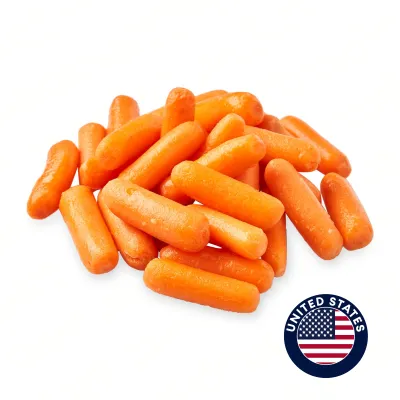
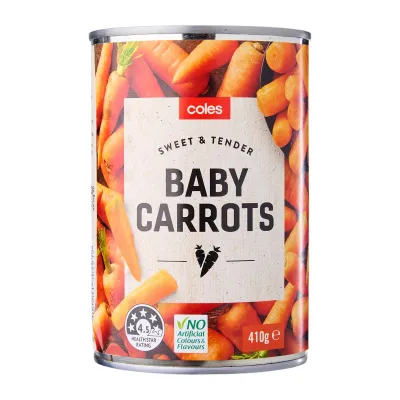
Prices are valid at publication and may change. Please refer to the product page for the latest price.
One of the primary signs of readiness is the ability to sit upright with minimal support. Your baby should be able to hold their head and neck steady without wobbling. Good head control is essential for safe swallowing and significantly reduces the risk of choking when transitioning from a liquid diet to solids.
Another critical milestone is the disappearance of the tongue-thrust reflex. This reflex automatically pushes solid objects out of a young infant’s mouth to prevent choking. When this reflex fades, your baby can hold food in their mouth and successfully push it to the back of their throat to swallow. If your baby continues to push purees out with their tongue, they may not be quite ready for solids.
You should also observe your baby’s interest in mealtime. If they watch you eat intently, reach for your food, or open their mouth when food is nearby, they are demonstrating cognitive readiness. Before starting any solid food journey, consult your pediatrician to confirm that your baby is developmentally prepared for this transition.
Key Nutrients Carrots Provide for Infant Growth
Carrots are highly regarded in infant nutrition because they pack a wide array of essential vitamins and minerals into a naturally appealing package. Understanding what these nutrients do can help you appreciate how carrots contribute to your baby’s overall growth and well-being during this rapid phase of development.

The most notable nutrient in carrots is beta-carotene, an antioxidant that gives the vegetable its bright orange color. The human body converts beta-carotene into Vitamin A, which plays a vital role in maintaining healthy vision and supporting a robust immune system. Introducing Vitamin A-rich foods early on helps support your baby’s natural defenses and cellular growth.
In addition to vitamins, carrots are an excellent source of dietary fiber. As your baby transitions from breast milk or formula to solid foods, their digestive system undergoes a major adjustment. Dietary fiber helps promote regular bowel movements and supports a healthy gut microbiome. To ensure the fiber works effectively, always pair solid food introductions with adequate hydration from breast milk, formula, or small sips of water if approved by your pediatrician.
Carrots also offer a gentle introduction to new flavors due to their natural sweetness. Babies are born with an innate preference for sweet tastes, which is why they readily accept breast milk and formula. The mild, sweet flavor of cooked carrots makes them highly palatable to infants, serving as an excellent bridge to help them accept other, more bitter vegetables later on.
Safe Preparation and Serving Methods by Age
Because carrots are naturally hard and fibrous, preparing them correctly is paramount to your baby’s safety. The texture and shape of the carrots you serve must evolve alongside your baby’s chewing and swallowing capabilities to prevent choking.
For infants who are just beginning their solid food journey, typically around six months of age, carrots should always be served as a completely smooth puree. To prepare this at home, peel and chop fresh carrots, then steam or boil them until they are completely tender and can be easily mashed with a fork. Blend the cooked carrots with a small amount of water, breast milk, or formula until there are no lumps remaining. The consistency should be thin and easy to swallow.
As your baby grows older, usually between eight and ten months, they will begin to develop their pincer grasp—the ability to pick up small objects between their thumb and forefinger. At this stage, you can transition to soft-cooked carrot sticks or finely grated pieces. Ensure the carrot sticks are steamed until they are soft enough to be easily mashed between your own fingers using gentle pressure. This texture allows your baby to practice chewing without the risk of hard pieces breaking off.
You must strictly avoid serving hard, raw carrot chunks, thick carrot coins, or uncooked carrot sticks to infants and young toddlers. These shapes and textures are highly resistant to a baby’s limited chewing ability and can easily block their airway. Always cut cooked carrots lengthwise into thin strips rather than round coins, as round shapes are more likely to cause a complete airway obstruction if swallowed whole.
Important Safety Considerations and What to Monitor
While carrots are generally safe and well-tolerated, introducing any new food requires careful observation. Parents should be aware of normal physiological responses as well as potential adverse reactions when adding carrots to their baby’s diet.
One common and harmless condition associated with high carrot consumption is carotenemia. This occurs when a baby consumes large amounts of beta-carotene, causing their skin to take on a temporary, slight orange tint, most noticeably on the nose, palms, and soles of the feet. Carotenemia is completely benign and is not related to jaundice. If you notice this orange tint, you can easily manage it by temporarily reducing carrot intake and offering a wider variety of green or yellow vegetables instead.
Allergic reactions to carrots are rare, but they can occur. When introducing carrots for the first time, serve them in isolation without other new foods for three to five days. This window allows you to monitor your baby for any adverse reactions, such as hives, swelling around the mouth, vomiting, or diarrhea. If you observe any signs of an allergic reaction, stop feeding them carrots immediately and consult a healthcare professional.
Additionally, parents should be aware of pediatric guidelines regarding nitrates in root vegetables. Naturally occurring nitrates can sometimes be found in home-prepared root vegetables. While commercial baby food manufacturers carefully screen and monitor nitrate levels to ensure safety, home-prepared carrots are generally considered safe for infants who are at least six months old, as their digestive systems are mature enough to handle them.
Frequently Asked Questions (FAQ)
Can carrots cause constipation in babies?
While carrots are rich in dietary fiber, which generally aids digestion, cooked carrots can occasionally have a binding effect on some babies’ digestive systems. If your baby seems to experience firmer stools after eating carrots, it is helpful to balance their diet with high-fiber fruits such as pureed prunes, pears, or plums. Ensuring your baby receives adequate hydration through breast milk or formula is also essential for keeping their bowel movements regular.
Is it safe to use store-bought baby carrot puree?
Yes, store-bought baby carrot purees are a safe and convenient option for busy parents. Commercial baby foods are strictly regulated to ensure appropriate textures, safety standards, and controlled nitrate levels. When purchasing pre-made purees, always check the ingredient label to verify that there are no added sugars, salt, or unnecessary preservatives, ensuring your baby receives the purest nutrition possible.

Community discussion
Share your experience or ask a question. Comments are reviewed before publication.