
Introducing a water bottle or cup to your baby typically begins around six months of age, coinciding with the start of complementary feeding (weaning). At this stage, water is not meant to replace breast milk or formula, which remain their primary source of nutrition, but to help them practice drinking skills.
Before offering a cup, look for physical readiness signs rather than relying solely on age. Every baby develops at their own pace, and forcing a cup too early can lead to choking hazards or a negative association with drinking. By observing your baby’s stability, coordination, and interest, you can determine the perfect moment to start.
How to Tell If Your Baby Is Ready for a Water Bottle
To safely transition your baby to a water bottle, they must possess the physical stability required to swallow liquids safely. The most critical milestone is the ability to sit upright with minimal support and maintain steady head control. Sitting upright ensures their airway is properly aligned and protected during swallowing, reducing the risk of choking.
Products mentioned in this guide
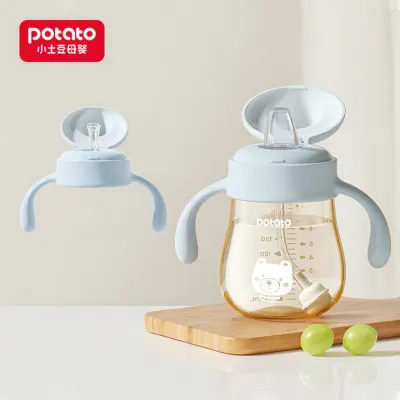
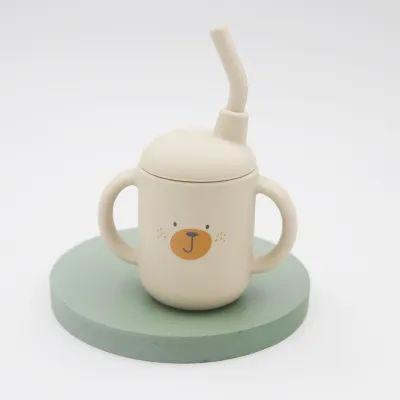
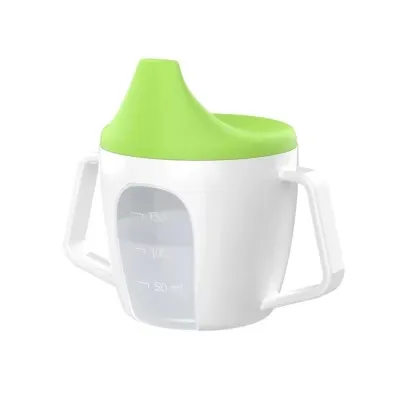
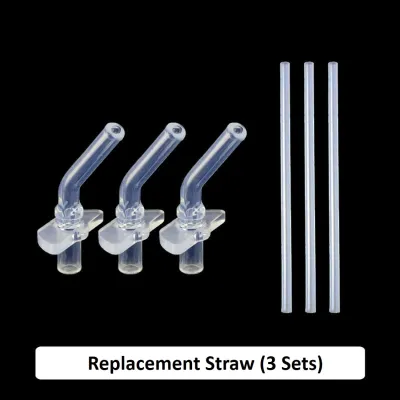
![[ ⭐ SG Stock ]Frozen Kids Water Bottle 2in1 Straw+Direct Drink Interchangeable BPA-free 520ml](https://img.lazcdn.com/g/p/b9ce52dd7fad6b9779ed4407d4cb4a03.jpg_webp_400x400q80.jpg_.webp)

![[Korea]🇰🇷AUTHENTIC Grosmimi KIDS TUMBLER Stainless steel PPSU with HAND STRAP Silicone cover 300ml Dotgom Cherrish Olive korean bottle wide neck](https://img.lazcdn.com/g/p/47b54977d292f24593f4033d0dc9a0bd.png_400x400q80.png_.webp)
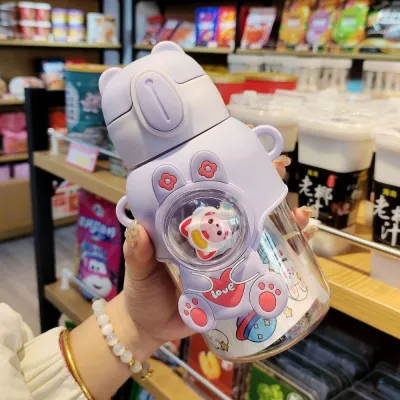
Prices are valid at publication and may change. Please refer to the product page for the latest price.
Another key indicator is hand-eye coordination. Your baby should be actively reaching for objects, grasping them, and bringing them to their mouth. This motor skill is fundamental because learning to drink requires them to lift, tilt, and guide a cup to their lips independently.
You should also watch for behavioral signs of curiosity. If your baby reaches for your water bottle, watches intently when you drink, or mimics drinking motions, they are mentally preparing for the transition.
Finally, observe how your baby handles solid foods. If they can swallow pureed or mashed foods without consistently pushing them out with their tongue, their tongue-thrust reflex is diminishing. This reflex must fade before they can coordinate the complex lip-sealing and swallowing patterns required for cup drinking.
Choosing the Right Cup Type for Each Weaning Stage
Selecting the appropriate cup directly impacts your baby’s oral motor development and swallowing safety. The cup’s shape and flow rate determine how hard their mouth muscles must work. As your baby grows, their needs will progress from highly assisted open cups used during family meals to independent, portable water bottles designed for active toddlers.

Open Cups and Beakers for Early Sips
Many pediatric feeding specialists recommend starting with a small open cup during the initial weeks of weaning. Drinking from an open cup encourages proper tongue placement, active lip sealing, and natural swallowing patterns. Unlike bottles, open cups require the baby to pull their tongue back and use their lower lip for stability, supporting healthy jaw development.
To introduce an open cup safely, choose a tiny, lightweight, shatterproof cup that fits comfortably in your baby’s hands. Hold the base of the cup for them and gently bring it to their lips. Tilt it just enough so the water touches their top lip, prompting them to sip rather than gulp. Control the flow carefully to prevent overwhelming your baby, and expect spills as a natural part of learning.
Straw Cups for Developing Suction
Straw cups are an excellent next step, usually introduced around seven to eight months of age. Drinking from a straw builds advanced oral motor skills by requiring active lip rounding, cheek tension, and strong suction. Look for signs that your baby is ready to learn suction rather than simply biting down on the straw, such as closing their lips tightly around a spoon.
To teach straw drinking, try using a simple open straw. Dip it into water, place your finger over the top to trap a small amount, and release it gently into your baby’s mouth when they wrap their lips around the bottom. Alternatively, use training cups with flexible silicone inserts that allow you to squeeze water up the straw. Opt for free-flowing straws rather than those with tight bite valves to encourage true suction.
Spout Cups and Transition Bottles
Spout cups, or traditional sippy cups, are popular transition tools, but their design warrants careful consideration. Pediatric dental guidelines often discourage the prolonged use of hard plastic spouts. Hard spouts act similarly to bottle nipples, resting on the tongue and potentially altering natural palate development and tooth alignment if used constantly. If you choose a spout cup, opt for a soft silicone spout and treat it strictly as a temporary transition phase.
As your baby becomes more mobile, a lightweight, easy-to-hold water bottle becomes essential. These transition bottles typically feature secure, leak-proof lids, integrated straws, and dual handles. Introducing a portable water bottle is ideal when your baby begins crawling or walking and needs regular hydration during outings. Ensure the bottle is made from durable, BPA-free materials.
Practical Steps for Offering Water During Meals
Integrating water into your baby’s weaning routine should be done gradually. Offer small sips of water—about 30 to 60 ml (1 to 2 ounces) per meal—alongside solid foods. This small amount is sufficient to help wash down solids, clear the palate, and aid digestion without filling their small stomach or displacing the essential nutrients they receive from breast milk or formula.
Always pay close attention to your baby’s cues. If they turn their head away, push the cup away, or show disinterest, do not force them to drink. Forcing fluids can lead to aversion and make future cup-feeding sessions highly stressful. Let your baby set the pace, treating these early sessions as a playful learning experience.
Water preparation must also align with local health guidelines. In Singapore, tap water is safe, but for infants under 12 months, health authorities generally recommend boiling tap water and letting it cool completely before offering it to your baby. This extra step ensures that any potential impurities are eliminated, protecting your baby’s developing immune system.
When to Pause and Seek Professional Advice
While learning to drink involves some sputtering, certain signs indicate you should pause and seek professional guidance. If your baby experiences persistent coughing, gagging, watery eyes, or signs of choking every time they attempt to drink, they may be struggling with swallowing coordination. Stop using the cup and consult your pediatrician or a pediatric speech-language pathologist.
You should also seek advice if your baby exhibits extreme distress, arches their back, or completely refuses any cup or water bottle over an extended period. This intense resistance can stem from underlying issues like gastroesophageal reflux or oral sensitivities.
Additionally, if your baby is not meeting other expected developmental milestones—such as sitting upright with support by six months—it is best to consult a healthcare professional before pushing cup training. A professional can assess your baby’s oral motor development and provide a tailored plan.
Frequently Asked Questions (FAQ)
Can I give my baby water before they start solid foods?
Exclusively breastfed or formula-fed infants do not require additional water before starting solid foods, typically around six months of age. Breast milk and infant formula provide all the hydration and nutrients your baby needs, even in warm climates. Offering plain water to a young infant carries significant risks, including filling their tiny stomach with nutrient-void liquid, which can reduce milk intake. In extreme cases, excessive water intake can dilute an infant’s sodium levels, leading to water intoxication.
Are sippy cups bad for my baby's teeth and speech?
Sippy cups with hard, rigid spouts can negatively impact dental health and speech development if used excessively. When a baby drinks from a hard spout, the tongue is forced to rest low and forward in the mouth, mimicking the immature sucking pattern used with bottles. Prolonged use can affect the natural shape of the palate and lead to misaligned teeth. To support healthy oral development, limit the use of hard-spouted cups. Instead, prioritize open cups and straw cups, which encourage mature swallowing patterns.
How do I clean and maintain my baby's water bottles and cups?
To prevent the growth of mold and harmful bacteria, baby water bottles and cups must be thoroughly cleaned after every use. Disassemble all components completely, including straws, valves, silicone seals, and lids, as moisture easily gets trapped in these small crevices. Wash all parts in warm, soapy water using specialized straw and bottle brushes. Before cleaning, always check the manufacturer’s instructions to verify if the cup is dishwasher-safe or if it can withstand high-temperature steam sterilization.

Community discussion
Share your experience or ask a question. Comments are reviewed before publication.