
Transitioning your baby from a breast or standard bottle to a cup is a major milestone in their feeding journey. While many families consider traditional sippy cups, pediatric feeding specialists often recommend introducing a baby straw bottle around six months of age. This timing aligns with the introduction of solid foods, when babies begin learning to manage different liquid consistencies and oral movements.
Rather than focusing solely on a specific month, observing your baby’s physical development provides the best indicator of readiness. Every child develops at their own pace, meaning some may show interest in straws slightly earlier or later than others. Recognizing these physical cues ensures a safe, comfortable, and successful transition to independent drinking.
Developmental Signs Your Baby Is Ready for a Straw Bottle
To safely transition to a baby straw bottle, your little one must possess the physical stability required to swallow liquids while upright. Independent sitting is a primary milestone to look for before introducing any cup. When a baby can sit unsupported with good head and neck control, their airway is properly aligned, which significantly reduces the risk of choking during feeds.
Products mentioned in this guide
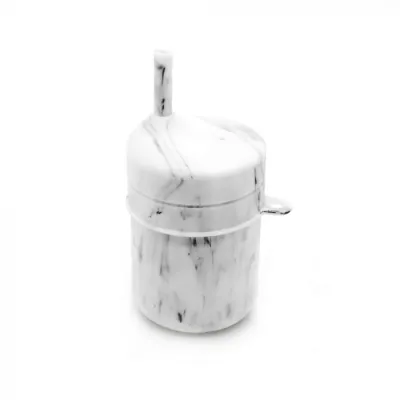
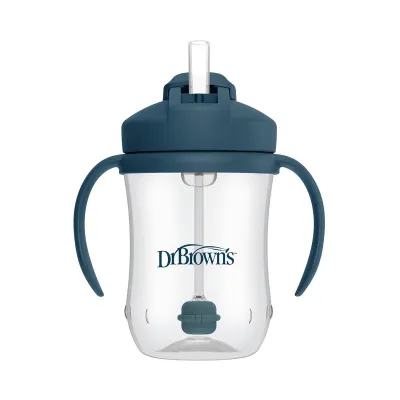
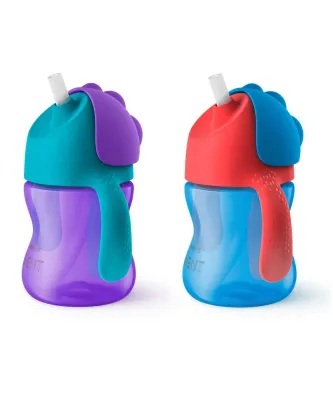

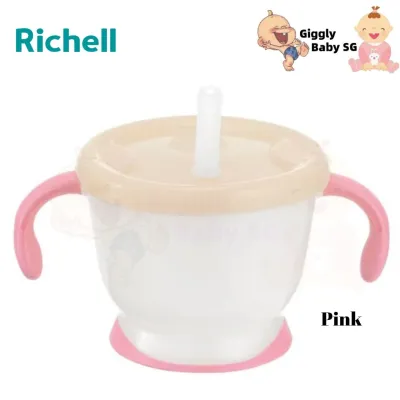
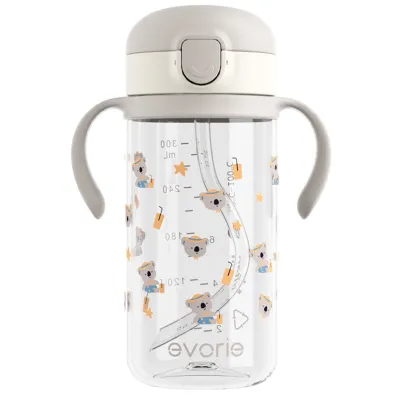

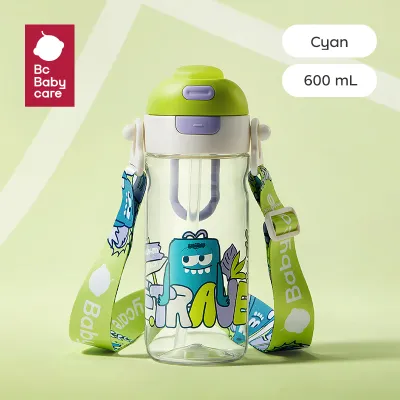
Prices are valid at publication and may change. Please refer to the product page for the latest price.
Hand-to-mouth coordination is another essential skill for cup drinking. Your baby should be able to reach for objects, grasp them firmly, and bring them directly to their mouth. If your baby can hold a small toy or a teething ring and guide it accurately to their lips, they likely have the motor skills needed to lift and hold a lightweight straw cup.
Curiosity and mimicry play a significant role in developmental readiness. Babies learn by watching their caregivers, and you may notice your child reaching for your own water glass or mimicking your drinking motions. This active interest in adult behaviors is an excellent indicator that they are mentally prepared to try a new drinking vessel.
Finally, pay close attention to your baby’s oral motor control and lip seal. Drinking from a straw requires a different muscle pattern than sucking from a breast or standard bottle nipple. Your baby needs to be able to close their lips firmly around the straw tip and draw liquid upward without letting it immediately escape from the corners of their mouth. If they can swallow purees without pushing them out with their tongue, their oral coordination is maturing.
Step-by-Step Transition from a Regular Bottle
Introducing a baby straw bottle requires patience and a structured approach to help your child master a completely new oral skill. The first step is selecting an age-appropriate bottle designed specifically for beginners. Look for models with weighted straws that allow drinking from any angle, easy-to-grip handles, and a spill-proof valve that regulates the flow rate so your baby is not overwhelmed by a sudden rush of liquid.

Before handing the bottle over, demonstrate how a straw works. You can show your baby how you drink from a straw, making exaggerated swallowing sounds to capture their attention. Alternatively, some parents use a simple training method where they place a finger over the top of a straw filled with a tiny amount of water or breast milk, release it into the baby’s mouth to show that liquid comes from the tube, and then transition to the bottle.
Start your practice sessions during low-stakes times of the day, using small amounts of water or expressed breast milk. The goal of these early sessions is exploration and learning rather than complete hydration. Avoid introducing the straw bottle when your baby is extremely hungry or tired, as frustration can lead to a negative association with the new cup.
Gradually replace one regular bottle feed or nursing session at a time with the straw bottle to build familiarity. For example, you might offer the straw bottle alongside their midday solid meal while keeping their morning and bedtime bottle routines unchanged. This slow integration allows your baby to adapt to the new flow and texture without feeling like their comfort source has been abruptly removed.
If your baby shows signs of frustration, such as pushing the bottle away or crying, calmly remove the cup and try again the next day. Forced feeding or pressuring a child to use a straw can prolong the transition process. Keep the experience positive, playful, and responsive to your baby’s cues, celebrating small successes like holding the handles or taking a single sip.
When to Pause the Transition and Seek Guidance
While learning to use a straw involves some trial and error, caregivers must prioritize safety and recognize when to pause the process. If your baby experiences persistent coughing, choking, or sputtering every time they attempt to sip, the flow rate may be too fast, or their swallowing coordination may not be fully developed. In such cases, temporarily remove the straw bottle and return to standard feeding methods.
It is also wise to pause the transition during periods of physical discomfort or disruption. If your baby is teething, recovering from an illness, or going through a major routine change, they may seek the comfort and familiarity of their regular bottle. Forcing a transition during these times can cause unnecessary stress; waiting a week or two until they are feeling better often leads to a much smoother transition.
Always consult your pediatrician or a pediatric feeding specialist if your baby consistently struggles with oral motor skills or shows an inability to manage liquids after several weeks of gentle practice. A professional can assess whether there are underlying anatomical or developmental factors, such as a tongue tie or swallowing difficulties, that require specialized support or alternative feeding tools.
Additionally, always review the manufacturer’s guidelines, age recommendations, and safety warnings on the product packaging before introducing any new cup. Ensure the bottle is free from small, detachable parts that could pose a choking hazard, and verify that the materials are durable and designed for your baby’s specific developmental stage.
Frequently Asked Questions (FAQ)
Straw Bottle vs. Sippy Cup: Which Is Better for Weaning?
Pediatric dentists and speech-language pathologists generally recommend a baby straw bottle over a traditional hard-spout sippy cup for weaning. Straw drinking promotes active lip closure, tongue retraction, and cheek strength, which support healthy oral motor development and speech clarity. Hard-spout cups, conversely, often encourage a prolonged immature sucking pattern similar to bottle feeding, which can affect dental alignment if used long-term. Straw bottles also teach babies to swallow without tilting their heads back, facilitating a more natural transition to open cups.
Can My Baby Sleep with a Straw Bottle?
No, babies should never sleep with a straw bottle or any other cup in their crib. Allowing a baby to fall asleep with a bottle of milk or juice can lead to rapid tooth decay, as the sugars pool around their teeth for hours. Additionally, drinking while lying down poses a significant choking hazard and can increase the risk of middle ear infections if liquid flows into the eustachian tubes. Establish a safe sleep routine where all feeding is completed in an upright position before your baby is placed in their crib.
How Do I Properly Clean and Maintain a Baby Straw Bottle?
To prevent mold and bacteria buildup, completely disassemble all parts of the baby straw bottle after every use, including the straw, valve, lid, and silicone seals. Wash each component thoroughly with warm, soapy water, using a specialized, thin straw brush to clean the inside of the tubing. Check the manufacturer’s instructions to verify if the parts are dishwasher-safe or compatible with steam sterilization. Regularly inspect the silicone straw and valves for signs of wear, tearing, or discoloration, and replace them immediately if you notice any damage.

Community discussion
Share your experience or ask a question. Comments are reviewed before publication.