
Quick Answer: Matching the Spoon to Your Child's Feeding Stage
Introducing a character-themed utensil like a Paw Patrol spoon is an exciting milestone, but its suitability depends entirely on your child’s current developmental stage and the spoon’s physical design. Generally, these vibrant character spoons are designed for toddlers aged 12 months and older who are transitioning to independent self-feeding. They are typically not suitable for the initial stages of weaning, which begin around six months of age.
During early weaning, infants require highly specialized utensils managed by a caregiver. As your child grows and develops the motor skills necessary to grasp and guide a utensil to their mouth, their needs shift. A character spoon can bridge the gap between caregiver-fed meals and independent eating, provided the utensil matches their physical capabilities.
Before introducing any new feeding tool, always check the product packaging for the manufacturer’s exact age grading, material specifications, and safety warnings. Age recommendations are calculated based on average mouth size, grip strength, and safety standards to prevent choking or oral discomfort.
Products mentioned in this guide
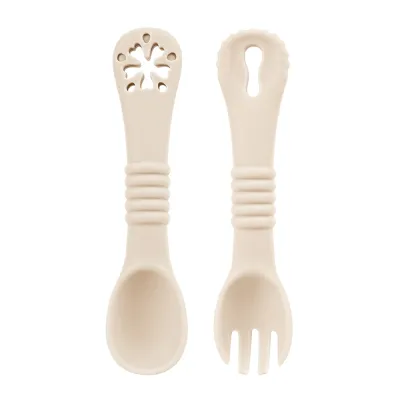
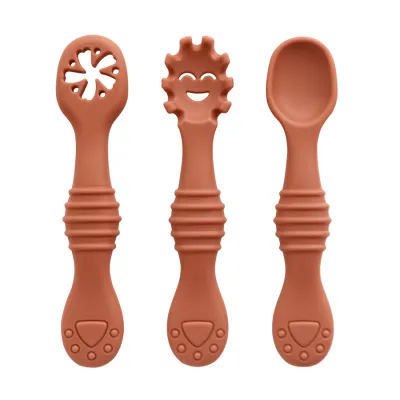
Prices are valid at publication and may change. Please refer to the product page for the latest price.
Feeding Stages and Spoon Design Requirements
Understanding the distinct phases of the weaning journey helps you determine when your child is physically ready for a Paw Patrol spoon. Each stage requires specific design features to support oral development and motor skill acquisition.

Early Weaning (Caregiver-Fed Stage)
When babies first begin exploring solid foods, usually around six months, their oral anatomy and motor skills are highly limited. At this stage, the caregiver controls the spoon. The ideal utensil must have a very shallow, narrow bowl to fit comfortably inside a tiny mouth and allow the infant to easily clear food with their upper lip.
Furthermore, early weaning spoons must be made of soft, flexible materials like food-grade silicone. A rigid plastic or metal spoon can easily bruise sensitive, teething gums or damage developing oral structures. Because character-themed spoons are often made of firmer melamine, hard plastic, or stainless steel, they are generally inappropriate for this delicate introductory phase.
Transitional and Self-Feeding Stage
As toddlers approach their first birthday, they begin showing a keen interest in holding the spoon themselves. This transitional phase is marked by the development of the palmar grasp, where the child uses their entire fist to hold objects. Later, they transition to a pincer grasp, using their thumb and index finger for more precise control.
To support these developing motor skills, self-feeding spoons require short, thick, and ergonomically shaped handles. A chunky handle gives small hands more surface area to grip, reducing frustration as they practice bringing food to their mouths. Some transitional spoons also feature angled heads to compensate for a toddler’s limited wrist rotation.
The Motivational Role of Character Themes
For older toddlers who have mastered the basic mechanics of holding a utensil, staying focused at the dining table can be a challenge. In busy households, distractions are plentiful, and mealtime can sometimes become a power struggle. This is where a Paw Patrol spoon becomes a valuable motivational tool.
Featuring beloved characters like Chase, Marshall, or Skye can transform mealtime into an engaging, positive experience. The visual familiarity of a favorite character creates an immediate connection, encouraging toddlers to sit longer, interact with their food, and take pride in using their “big kid” utensils. This psychological boost can be highly effective in fostering independence during the later stages of weaning.
How to Evaluate a Paw Patrol Spoon for Your Child
Not all character spoons are created equal. When shopping for a Paw Patrol spoon, parents should look beyond the appealing graphics and perform a practical evaluation of the utensil’s physical properties and safety standards.
Verifying Manufacturer Specifications
Your first step should always be a thorough review of the product packaging or official manufacturer specifications. Verify that the spoon is explicitly labeled as BPA-free and complies with relevant safety standards for children’s tableware.
Pay close attention to the recommended age range. If a spoon is labeled for ages 18 months and older, do not introduce it to a 10-month-old, even if they are an eager self-feeder. These age limits account for material durability, weight, and potential safety hazards that may not be immediately obvious.
Assessing Physical Dimensions
Hold the spoon and evaluate its physical dimensions relative to your child’s current development. Look closely at the following aspects:
- Bowl Depth and Width: The spoon bowl should comfortably fit your child's mouth without stretching the corners of their lips. A bowl that is too deep will trap food, making it difficult for the child to clear the spoon, which can lead to frustration or overfeeding.
- Handle Ergonomics: Ensure the handle is short enough that the child can control the tip. Long-handled spoons, often designed for caregivers to reach into deep jars, are highly difficult for toddlers to balance and can easily poke the back of their throats.
- Weight and Balance: The spoon should feel lightweight yet sturdy. If the character ornament on the handle makes the utensil top-heavy, it will constantly tip out of small hands, spilling food and causing mealtime stress.
Identifying Design Trade-offs
Character spoons often come in two main styles: flat printed designs or 3D molded handles. While 3D molds are highly tactile and engaging for toddlers, they present unique practical challenges.
Molded handles often feature intricate crevices where food particles, moisture, and saliva can accumulate. If not cleaned meticulously, these areas can become breeding grounds for bacteria. On the other hand, flat printed designs are much easier to clean but may wear off over time with frequent washing and sanitizing. Consider your daily cleaning routine and choose the design that best balances visual appeal with practical hygiene.
Safety, Cleaning, and When to Replace
Maintaining the hygiene and structural integrity of your child’s feeding utensils is paramount. Because toddlers frequently chew on their spoons, regular inspection and proper care are essential safety practices.
Routine Inspection for Wear and Tear
Before every meal, take a few seconds to inspect the Paw Patrol spoon. Look closely for any signs of degradation, such as:
- Hairline cracks in the plastic bowl or handle.
- Peeling or chipping paint from the character graphics.
- Loose or separating parts, especially on spoons with attached 3D character figures.
If you detect any of these issues, stop using the spoon immediately. Chipped paint can be ingested, and cracked plastic can harbor bacteria or pinch sensitive lips. Loose character attachments pose a severe choking hazard and must be kept far away from young children.
Cleaning Protocols Based on Material
Always clean the spoon according to the manufacturer’s specific guidelines. Different materials require different care routines:
- Dishwasher Safety: Verify if the spoon is top-rack dishwasher safe. High temperatures in dishwashers can warp certain plastics or cause printed designs to fade prematurely.
- Sterilisation Limits: Many character spoons made of melamine or specific plastics are not suitable for steam or UV sterilisers. Excessive heat or UV exposure can degrade the material, making it brittle. If the packaging advises against sterilization, stick to warm, soapy water.
- Abrasive Cleaners: Avoid using steel wool or highly abrasive scrubbing pads on printed character spoons. These can scratch the surface, removing the design and creating microscopic grooves where bacteria can hide.
- Drying and Storage: In humid climates, ensuring utensils dry completely is crucial. Store the spoons in a well-ventilated, dry area to prevent mold and mildew from developing in any handle crevices.
Clear Stop Conditions
Utensils do not last forever. If a Paw Patrol spoon shows any signs of structural compromise, warping, or deep scratching, it has reached the end of its usable life. Discard the spoon promptly. Do not attempt to repair broken plastic utensils with household glues, as these adhesives are generally not food-safe or durable enough to withstand chewing and washing.
Frequently Asked Questions (FAQ)
Do character spoons like Paw Patrol actually help toddlers eat more?
While a Paw Patrol spoon cannot guarantee a toddler will eat a larger volume of food, it can significantly increase their interest and engagement during meals. The visual familiarity of a beloved character can make the high chair feel like a welcoming, fun space rather than a place of restriction. This positive association can reduce mealtime resistance and encourage toddlers to try new foods served alongside their favorite characters.
However, it is important to remember that character tableware is a supportive tool, not a replacement for responsive feeding practices. Parents should continue to offer age-appropriate food textures, maintain a relaxed dining environment, and respect their child’s satiety cues. Additionally, toddler interests change rapidly; if your child’s enthusiasm for Paw Patrol fades, be prepared to transition back to plain, highly functional utensils without making mealtime a battle.
Can I use a regular Paw Patrol spoon for a baby just starting solids?
No, using a standard toddler-sized Paw Patrol spoon for a baby who is just starting solid foods is not recommended. Standard toddler spoons are designed for older children with larger mouths and more developed swallowing coordination. Their bowls are typically too deep and wide for a six-month-old, which can cause gagging or make it difficult for the baby to clear the food.
Furthermore, early weaning requires soft, flexible spoon tips to protect delicate, toothless gums. Most toddler character spoons are made of rigid materials that can cause discomfort if bumped against sensitive gums. Always check the manufacturer’s minimum age label on the packaging, and keep early weaning spoons separate from older siblings’ character tableware to prevent accidental mix-ups during busy meal preparation.

Community discussion
Share your experience or ask a question. Comments are reviewed before publication.