
Introducing solid foods is an exciting milestone in your baby’s development, marking a transition toward independent eating. Puffed rice is a popular choice for parents looking to introduce finger foods, as its small size and light texture can help babies practice their fine motor skills. However, determining exactly when and how to safely introduce this food requires understanding your baby’s physical readiness and learning the correct preparation techniques to prevent choking.
Recognizing Readiness Signs Before Introducing Puffed Rice
Before offering puffed rice, your baby must demonstrate specific physical milestones that show they can safely handle solid textures. The most critical milestone is the ability to sit upright unassisted in a high chair. A stable, upright posture ensures that your baby’s airway is properly aligned, which significantly reduces the risk of choking during meals.
In addition to sitting upright, your baby must have excellent head and neck control. If a baby’s head droops or wobbles, they will struggle to coordinate the complex movements required to chew and swallow solid foods safely.
Products mentioned in this guide


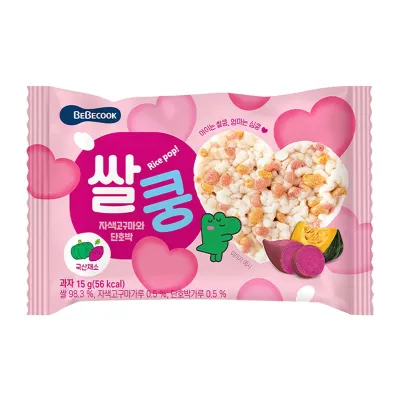
Prices are valid at publication and may change. Please refer to the product page for the latest price.
Oral motor development is another key factor to evaluate. Young infants possess a natural tongue-thrust reflex, which automatically pushes solid objects out of their mouths to prevent choking. This reflex typically fades between four and six months of age, allowing babies to keep food in their mouths and use their tongues to move it to the back of the throat for swallowing.
You should also look for the development of the pincer grasp, which is the ability to pick up small objects using the thumb and index finger. While babies can initially grasp larger pieces of food with their whole palm, the precision of the pincer grasp is essential for safely picking up and managing tiny items like puffed rice.
Behavioral cues are equally telling indicators of readiness. If your baby watches you intently while you eat, reaches for the food on your plate, or opens their mouth when food is brought near, they are likely showing a psychological readiness to explore new textures.
Always consult your pediatrician or refer to local infant feeding guidelines before introducing any new solid foods or finger foods. Every baby develops at their own pace, and a professional assessment can help ensure your child is developmentally ready for this transition.
Understanding Potential Risks and Safety Precautions
While puffed rice is light and airy, it still poses potential safety risks if not introduced correctly. The primary concern with any small, dry food is the risk of choking. Dry puffed rice can easily be inhaled into the airway before a baby has a chance to mash it with their gums, especially if they are distracted or moving around.

To mitigate this risk, constant adult supervision is absolutely mandatory during every meal. Never leave your baby unattended with food, even for a brief moment, and ensure that you are actively watching their chewing and swallowing patterns rather than relying on sound, as choking is often silent.
Digestive comfort is another important consideration when introducing rice-based foods. A baby’s digestive system is still maturing, and introducing dry, starch-heavy foods too quickly can lead to mild digestive discomfort or constipation. Ensuring that your baby receives plenty of fluids alongside solid foods is essential for keeping their digestive tract functioning smoothly.
When purchasing commercial puffed rice, reading the ingredient label carefully is vital. Many products marketed for older children or adults contain high levels of added sugar, sodium, or artificial flavorings that are unsuitable for an infant’s developing kidneys and digestive system. Look for plain, unsweetened options specifically formulated for infants.
Additionally, check the packaging for allergen cross-contamination warnings. Some facilities process puffed rice on the same equipment as wheat, soy, or dairy, which is critical information if your baby has known sensitivities or if you are following a strict allergen introduction plan.
Safe Preparation and Feeding Methods
For babies who are just beginning their transition to solid finger foods, softening the puffed rice is a highly recommended preparation method to reduce choking risks. You can easily soften the puffs by soaking them in a small amount of breast milk, infant formula, or warm water for a few minutes until they dissolve into a soft, mushy consistency.
Another excellent approach for beginners is blending the softened puffed rice directly into smooth vegetable or fruit purees. This adds a very gentle texture to the puree, helping your baby get used to slightly thicker consistencies without presenting a choking hazard.
As your baby’s chewing and swallowing skills mature, you can gradually transition from fully softened mashes to slightly moistened puffs, and eventually to dry finger foods. This progression should be slow and guided entirely by your baby’s ability to mash the food efficiently with their gums.
The feeding environment plays a crucial role in preventing accidents. Always ensure your baby is securely strapped into an upright high chair during meals. Never allow your baby to eat puffed rice while they are crawling, walking, playing, or lying down, as physical movement significantly increases the likelihood of food slipping into the airway.
When determining portion sizes, start with a very small amount, such as a few individual pieces or a single teaspoon of softened mixture. This allows you to observe how your baby manages the food without overwhelming them, and you can gradually adjust the portion based on their hunger and fullness cues.
Monitoring for Allergies and Adverse Reactions
Introducing new foods to your baby requires a systematic approach to identify any potential allergies or intolerances. It is highly recommended to introduce only one new food at a time, keeping all other elements of your baby’s diet consistent during the trial period.
Maintain a waiting interval of three to five days before introducing another new food. This window gives you sufficient time to monitor your baby for any delayed reactions that might not appear immediately after the first bite.
During and after the meal, watch closely for signs of mild allergic reactions. These can include localized skin rashes, hives, mild swelling around the mouth or eyes, or sudden patches of dry, itchy skin.
Be aware of the signs of a severe allergic reaction, which require immediate emergency medical attention. These symptoms include swelling of the tongue, lips, or throat, wheezing, difficulty breathing, persistent coughing, or sudden pale skin and limpness.
Digestive red flags can also indicate an intolerance or sensitivity to a new food. Watch for unusual fussiness, persistent vomiting, severe diarrhea, or sudden, painful constipation that occurs shortly after introducing the puffed rice.
If you observe any signs of an allergic reaction or digestive distress, stop feeding the puffed rice immediately. Consult your pediatrician to discuss the symptoms and determine the safest path forward for your baby’s diet.
Frequently Asked Questions (FAQ)
Is commercial baby puffed rice safer than regular puffed rice?
Commercial baby puffed rice is specifically designed to dissolve rapidly when it comes into contact with a baby’s saliva, which helps minimize the risk of choking. These products are also strictly regulated to ensure they do not contain excessive sodium, added sugars, or artificial preservatives that are often found in adult snacks.
Regular adult puffed rice, such as the varieties used in breakfast cereals or traditional dishes, is often much harder, denser, and does not dissolve as easily in the mouth. These adult versions can also be heavily salted or sweetened, making them inappropriate for an infant’s nutritional needs.
Always read the product packaging to verify the ingredients and texture. Choosing products specifically labeled for your baby’s developmental stage is the safest way to ensure the food is appropriate for their chewing capabilities.
Can puffed rice cause constipation in babies?
Yes, puffed rice can contribute to constipation in some babies because white rice is a low-fiber starch that can slow down the digestive process. If your baby’s digestive system is still adjusting to solid foods, a sudden increase in rice-based snacks can lead to firmer, more difficult-to-pass stools.
To prevent digestive issues, it is important to balance rice-based foods with high-fiber options. Offering purees made from fruits like prunes, pears, or plums alongside the puffed rice can help keep your baby’s bowel movements regular.
Additionally, ensure your baby remains well-hydrated by offering adequate breast milk or formula throughout the day. If your baby is over six months old, you can also offer small sips of water during meals to help wash down the solid food and aid digestion.

Community discussion
Share your experience or ask a question. Comments are reviewed before publication.