
To choose the best baby snacks, look for whole food ingredients like whole grains, real fruit purees, and vegetable powders listed at the very beginning of the ingredient list. Avoid added sugars, high sodium, artificial colors, synthetic flavors, chemical preservatives, and heavy texturizers or fillers. Reading the nutrition facts panel and the ingredient list together is the most reliable way to bypass misleading front-of-package marketing claims and ensure the snack is safe and age-appropriate for your baby.
Navigating the baby food aisle can feel overwhelming. Brightly colored boxes, cute cartoon characters, and bold health claims are designed to catch your eye, but they rarely tell the whole story. As a parent, learning to look past the marketing and focus on the actual nutritional value is one of the most impactful steps you can take for your child’s long-term eating habits.
Early childhood is a critical window for taste development. The flavors and textures your baby experiences now will help shape their food preferences as they grow. Offering snacks that prioritize genuine nutrition over artificial enhancement supports their physical growth and helps them develop an appreciation for natural, wholesome flavors.
Products mentioned in this guide
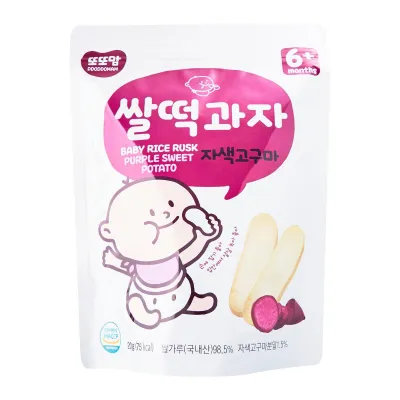
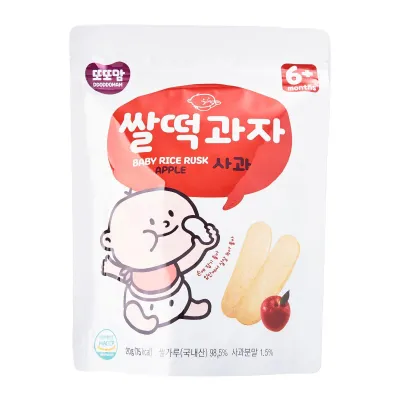
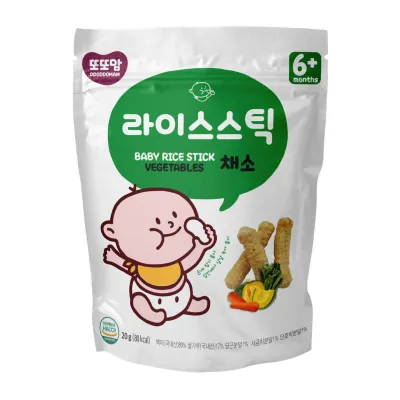
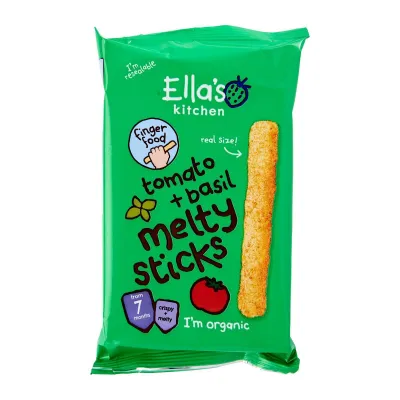
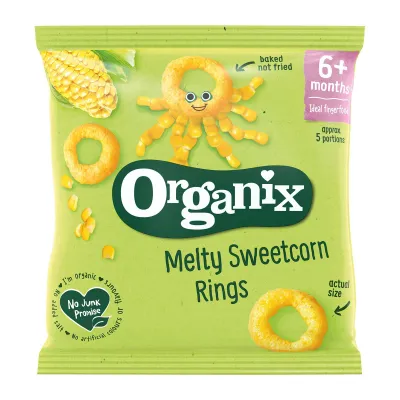
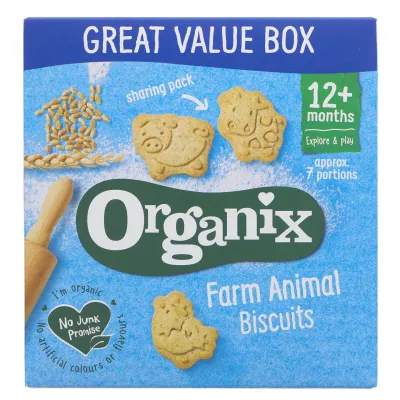
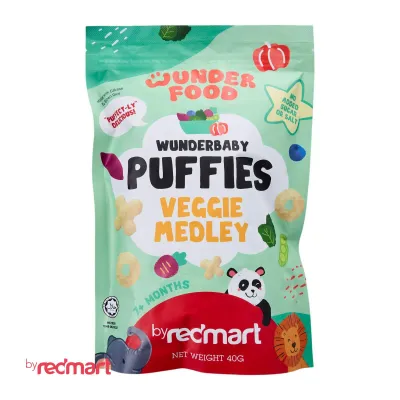
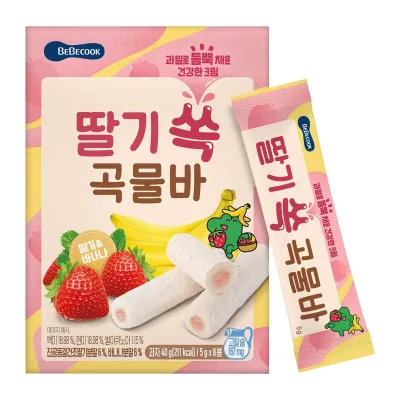
Prices are valid at publication and may change. Please refer to the product page for the latest price.
Decoding Baby Snack Labels: Nutrition Facts vs. Ingredient Lists
Understanding how to read a baby snack package starts with distinguishing between the nutrition facts panel and the ingredient list. The nutrition facts panel provides quantitative data, showing you the exact amounts of calories, fats, sodium, carbohydrates, fiber, sugars, and proteins per serving. This panel is essential for understanding the overall nutritional profile and ensuring the snack fits into your baby’s daily dietary balance.
In contrast, the ingredient list provides qualitative composition, telling you exactly what went into making the snack. By law, ingredients are listed in descending order by weight. This means the first three to four ingredients make up the vast majority of the product. If the first few ingredients are refined starches or sweeteners rather than whole foods, the snack may offer very little actual nutritional value.
Always check the stated serving size before evaluating either section. A snack might appear low in sugar or sodium at first glance, but a closer look at the serving size might reveal that the package contains multiple servings. If your baby typically eats the entire container in one sitting, you will need to multiply the nutrient values accordingly to understand their actual intake.
Nutritious Ingredients to Look For on the Label
When scanning the ingredient list, prioritize snacks that feature whole food ingredients as their primary components. Look for whole grains such as oats, brown rice, quinoa, millet, or amaranth. These grains retain their natural fiber, vitamins, and minerals, providing sustained energy and supporting your baby’s developing digestive system.

Real fruit purees and vegetable powders are also excellent primary ingredients. Snacks made with actual apples, bananas, sweet potatoes, spinach, or carrots offer natural vitamins and antioxidants. These ingredients help introduce your baby to the authentic tastes of fruits and vegetables, making it easier for them to transition to whole family meals later on.
Healthy fats and proteins are crucial for your baby’s rapid brain development and physical growth. Look for snacks that incorporate ingredients like ground chia seeds, flaxseeds, or nut butters, provided these allergens have already been safely introduced to your baby’s diet. These components add nutritional density, helping to keep your baby satisfied between meals.
Ultimately, the most nutritious baby snacks feature minimal processing and short, recognizable ingredient lists. A simple list that resembles a recipe you could make in your own kitchen is a strong indicator of a wholesome product. Minimizing highly processed components ensures your baby receives clean, nutrient-dense fuel without unnecessary additives.
Harmful or Unnecessary Ingredients to Avoid
Just as important as finding beneficial ingredients is knowing which ones to leave on the shelf. Added sugars and artificial sweeteners should be strictly avoided in early childhood diets. Young babies have an innate preference for sweet tastes, and introducing concentrated sugars early can desensitize their palate to natural flavors, potentially leading to a preference for highly sweetened foods later in life.
High-sodium ingredients are another major concern for developing infants. A baby’s kidneys are still immature and cannot efficiently process large amounts of salt. Many packaged snacks contain added sodium for preservation or flavor enhancement, so it is vital to check the nutrition facts panel and choose options with minimal or no added salt.
Artificial colors, synthetic flavors, and chemical preservatives offer absolutely no nutritional value and can sometimes trigger sensitivities or allergic reactions in sensitive babies. Ingredients like artificial dyes or synthetic flavorings are often used to make highly processed snacks look and taste more appealing, masking a lack of genuine, nutrient-rich ingredients.
You should also watch out for heavy texturizers, fillers, or excessive refined starches, such as modified food starch, maltodextrin, or refined cornstarch. While these ingredients are often used to improve shelf life or create specific textures, they can be difficult for a baby’s sensitive digestive system to process. They also fill your baby’s small stomach with empty calories, leaving less room for nutrient-dense foods.
Spotting Hidden Sugars and Misleading Marketing Claims
Identifying added sugars is not always as simple as looking for the word “sugar” on the label. Manufacturers frequently use alternative names to sweeten baby snacks while keeping the ingredient list looking healthy. Common aliases include cane syrup, brown rice syrup, fruit juice concentrate, agave nectar, maple syrup, dextrose, fructose, and maltose.
It is important to differentiate between naturally occurring sugars and added sweeteners. Fruits and vegetables naturally contain sugars, which are accompanied by beneficial fiber, vitamins, and minerals that slow down sugar absorption. However, when fruit juice concentrate is added to a snack primarily as a sweetener, it behaves much like added sugar in the body, providing quick energy without the fiber of the whole fruit.
Be highly skeptical of front-of-package marketing terms like “natural,” “made with real fruit,” or “fruit-flavored.” These claims are often used to distract from the fact that the product is highly processed and contains very little actual fruit. A snack labeled “strawberry puffs” might contain only a tiny fraction of strawberry powder, with the bulk of the product consisting of refined flour and added sweeteners. Always turn the package over to verify the truth on the back.
Navigating Allergens and Age-Appropriateness Warnings
Safety is paramount when introducing packaged snacks to your baby. Always locate and read the mandatory allergen declarations on the packaging. These are typically found directly below the ingredient list, often starting with “Contains” followed by common allergens like milk, eggs, peanuts, tree nuts, soy, wheat, fish, or shellfish. Additionally, look for “May Contain” or “Processed in a facility that also processes” statements, which indicate a risk of cross-contamination.
Before offering any new snack, cross-reference the ingredient list with your baby’s known sensitivities, family history of allergies, and any specific advice from your pediatrician. If you are introducing a common allergen for the first time, it is best to do so in a controlled home environment rather than through a complex, multi-ingredient packaged snack, so you can easily identify the source of any potential reaction.
Beyond ingredients, you must also evaluate the physical safety of the snack. Check the packaging for age-appropriateness guidelines, texture descriptions, and choking hazard warnings. Ensure the snack’s texture matches your baby’s current chewing and swallowing abilities. For example, puffs should dissolve easily in the mouth, and teething biscuits should soften quickly with saliva to prevent choking.
A Quick Label-Checking Routine for the Grocery Store
Grocery shopping with a baby can be hectic, so having a fast, systematic routine is incredibly helpful. Start by verifying the serving size to understand the scale of the nutrients. Next, scan the first three ingredients to ensure they consist of whole foods rather than refined starches or sugars. Finally, quickly review the allergen statement to confirm the product is safe for your child’s specific needs.
When comparing products on the shelf or on online marketplaces, place similar items side-by-side and compare their ingredient lists directly. Do not rely on brand reputation, price, or attractive packaging designs. Often, a less expensive or less heavily marketed option will have a much cleaner, simpler ingredient list than a premium-branded alternative.
If you ever feel uncertain about a specific ingredient, a new dietary transition, or how to interpret local food safety guidelines, do not hesitate to consult your pediatrician or a registered dietitian. They can provide personalized guidance tailored to your baby’s unique growth patterns, developmental milestones, and nutritional requirements.
Frequently Asked Questions (FAQ)
Are organic baby snacks always free from added sugars and unhealthy ingredients?
Organic certification simply means the ingredients were grown and processed according to organic farming standards, without synthetic pesticides or genetically modified organisms. It does not guarantee that the snack is nutritionally balanced. An organic baby snack can still contain high amounts of added organic sugar, organic syrups, sodium, or refined starches. You must still read the ingredient list and nutrition facts panel carefully to evaluate its overall nutritional value.
How do I know if a baby snack is appropriate for my baby's age?
Age recommendations printed on baby snack packaging are general guidelines based on average developmental milestones, but every baby develops at their own pace. Instead of relying solely on the age label, assess your baby’s actual physical readiness, such as their ability to sit upright unsupported, hold their head steady, and use their fingers to pick up food. Observe how they handle different textures, ensure the snack dissolves easily, and consult your pediatrician to determine the safest texture progression for your child.
Community discussion
Share your experience or ask a question. Comments are reviewed before publication.