
Preparing for a newborn brings an overwhelming list of nursery gear, and storage solutions are no exception. If you are setting up a nursery, you do not need every basket, bin, and custom closet system marketed to new parents. On day one, your primary needs center on quick access and high-frequency tasks: diaper changes and managing tiny, easily misplaced clothing items.
A portable diaper caddy and a set of drawer dividers for your existing dresser are the only essential baby organisers you need immediately. These tools keep your immediate care supplies within arm’s reach and prevent miniature garments from vanishing into deep drawers. Other popular items, such as heavy toy bins, hanging closet shelves, and elaborate wardrobe divider sets, can easily wait until your child is older and their daily needs evolve.
Essential Baby Organisers for Daily Newborn Care
Streamlining your daily routine during the first few months is about reducing friction. Newborns require frequent diaper changes, multiple outfit swaps due to spit-ups or spills, and constant monitoring. Having a designated, highly functional space for these repetitive tasks keeps stress low and ensures you always have a hand free to support your baby.
Products mentioned in this guide
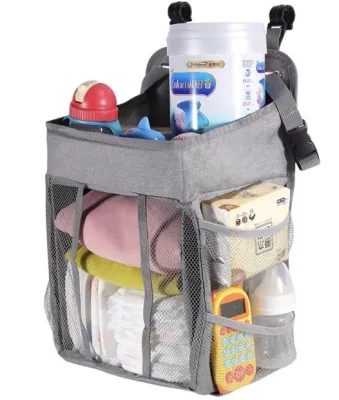
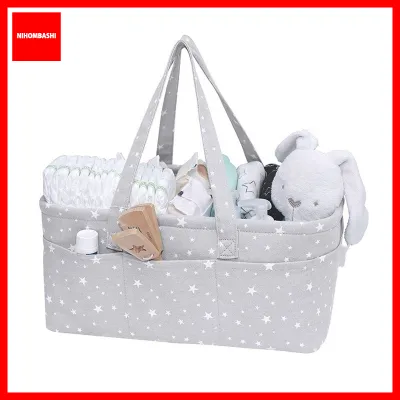
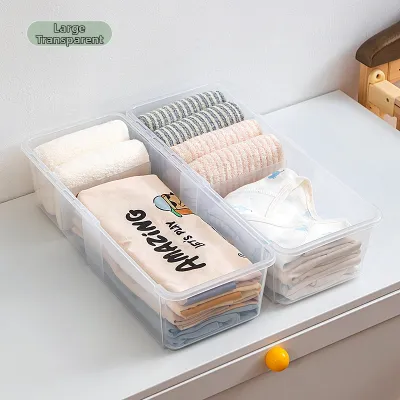
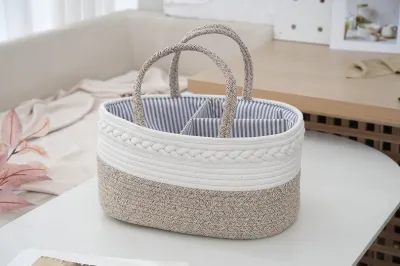
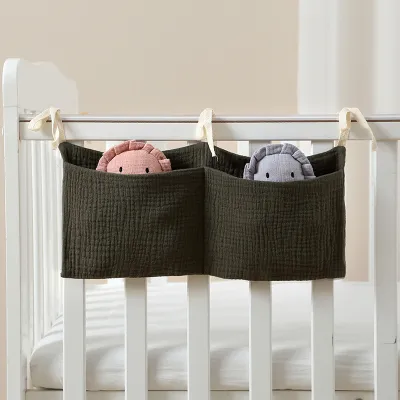
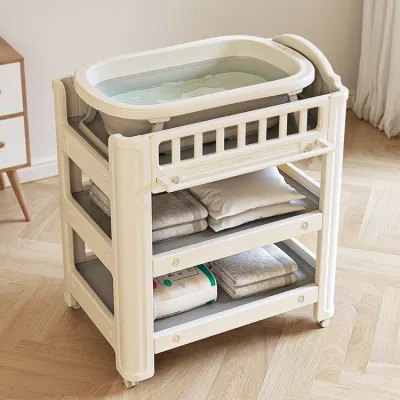
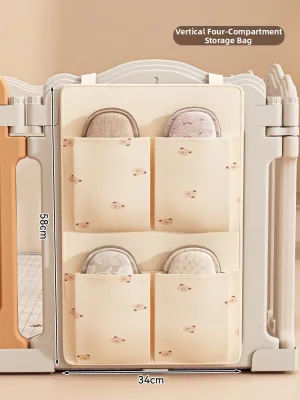
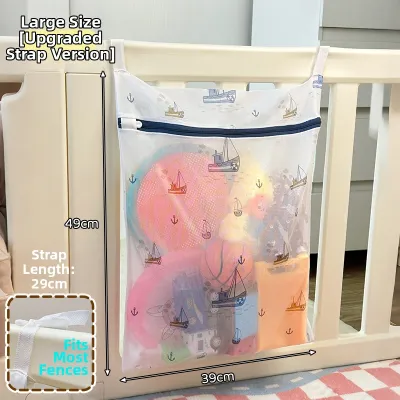
Prices are valid at publication and may change. Please refer to the product page for the latest price.
Diaper Caddies and Changing Station Storage
A portable diaper caddy is arguably the most practical storage investment you can make for a newborn. Instead of being confined to the nursery for every single diaper change, a mobile caddy allows you to transport wipes, diapers, rash creams, and change mats seamlessly between rooms. This flexibility is particularly useful in Singapore homes, where family life often flows between bedrooms, living areas, and play spaces.
When choosing a diaper caddy, look for options with sturdy, comfortable handles that will not slip under weight. Opt for easy-to-clean materials, such as wipeable synthetic fabrics, tightly woven felt, or lightweight plastics, as creams and liquids will inevitably spill. Multiple internal compartments or adjustable dividers are highly beneficial for keeping small items like cotton balls, nail clippers, and hand sanitiser separated from bulky diapers.
Safety must remain your top priority when selecting and using any changing station storage. Ensure the caddy has no small detachable parts, loose buttons, or decorative hardware that could pose a choking hazard as your baby grows, starts rolling, or begins reaching for nearby objects. Always place the caddy securely out of your baby’s reach when they are on an elevated changing table, and never leave your infant unattended on a changing surface to grab an item.
Drawer Dividers for Tiny Newborn Clothes
Newborn clothing is incredibly small, making standard dresser drawers feel disproportionately large and deep. Without internal structure, tiny socks, mittens, swaddles, and onesies quickly devolve into a chaotic, tangled pile, making it difficult to find what you need during a midnight outfit change. Drawer dividers solve this problem by partitioning large drawers into neat, dedicated zones.
Before purchasing any drawer inserts, take the time to measure the interior height, width, and depth of your existing furniture. Many parents buy standard organisers only to find they are too tall for shallow drawers or too short to stay upright. Accurate measurements prevent unnecessary returns and ensure a snug, functional fit.
When selecting dividers, choose adjustable tension-based wooden dividers or soft, flexible fabric bins over rigid, sharp-edged plastic alternatives. Rigid plastic can crack under pressure, creating sharp points that might snag delicate baby fabrics or scratch your hands during a hurried search. Soft fabric baskets or adjustable bamboo dividers provide a gentler touch and adapt more easily to varying clothing sizes as your baby grows.
Optional Storage Solutions You Can Buy Later
It is easy to get swept up in the aesthetic appeal of a fully styled nursery, but many heavily marketed storage systems are unnecessary for the newborn stage. Delaying these purchases not only saves money but also prevents your living space from becoming cluttered with unused furniture.

Hanging Storage and Closet Organisers
Elaborate hanging shelves, closet dividers, and custom wardrobe systems are rarely needed during the first six months of a baby’s life. Newborns have very few garments that require hanging; almost all daily wear consists of soft, foldable items like sleepsuits, onesies, and swaddle cloths. These items are much easier to store folded in drawers or shallow baskets than hung individually on tiny hangers.
Investing in extensive closet organisers is best deferred until your child transitions to larger, structured toddler clothing, such as jackets, dresses, or formal outfits that are prone to wrinkling. Waiting also allows you to understand your actual storage preferences once you have established a daily laundry routine.
If you do decide to install hanging organisers early, pay close attention to how they attach to your wardrobe. Ensure the units are securely fastened to a sturdy closet rod, preferably using wide, heavy-duty hook-and-loop straps or secure metal hooks. Regularly check the attachment points to prevent the organiser from collapsing under unexpected weight or if a curious older baby attempts to pull on the hanging fabric.
Toy Bins and Playroom Storage
Large, deep toy chests and heavy-duty playroom storage bins are completely unnecessary for a newborn. During the first few months, a baby’s play is highly limited and focused on sensory development. Their toys generally consist of a few small rattles, soft teethers, high-contrast board cards, and perhaps a play mat, none of which require massive storage containers.
Instead of bulky toy boxes that take up valuable floor space, opt for small, lightweight fabric or cotton-rope baskets. These can be easily moved from room to room and tucked away on a shelf when not in use. This approach keeps your living areas tidy without the need for dedicated, heavy furniture.
Safety is a critical consideration if you do choose to introduce larger toy storage early on. Avoid heavy wooden toy chests with hinged lids that lack safety dampers; these lids can easily slam down on tiny fingers or trap a crawling infant inside. If you use any lidded bins, verify that they are lightweight, well-ventilated, and easy for a child to push open from the inside to eliminate any risk of suffocation or entrapment as your baby becomes mobile.
How to Assess Your Nursery Space and Daily Routine
To avoid over-purchasing, it is essential to conduct a realistic assessment of your specific living conditions, daily habits, and existing furniture before buying any new baby organisers. Every family’s situation is unique, and what works for a spacious suburban home may not be practical for a compact urban apartment.
Start by evaluating your physical living space. In Singapore, where many families reside in compact HDB flats or condominiums, floor space is at a premium. Introducing bulky, single-purpose storage furniture can make a small room feel cramped and difficult to navigate. If space is limited, vertical storage options or multi-functional organisers that fit under a crib or attach to the side of a changing table are far more efficient than standalone bins.
Next, trace your expected daily routine. Consider where you will realistically spend most of your time with the baby during the day. If your nursery is on a different level or far from your main living area, relying solely on a fixed changing table organiser in the nursery will quickly become frustrating. In this scenario, a portable caddy that travels with you is infinitely more useful than stationary shelves.
You should also audit your existing furniture before buying new storage accessories. Open your current dressers and wardrobes to see if they can be repurposed. If your drawers are already shallow and easy to view, you may not need dividers at all. Often, the struggle to keep a nursery organised is not due to a lack of storage products, but rather an excess of items. Decluttering outgrown clothes, limiting the number of duplicate baby products, and storing off-season items elsewhere can free up substantial space without costing a cent.
Smart Alternatives Before Buying Dedicated Baby Gear
You do not need to spend a fortune on specialized, baby-branded storage solutions. Many standard household items can be easily repurposed to serve the exact same function at a fraction of the cost, helping you maintain a budget during an expensive transition period.
Before shopping, look around your home for items you can reuse. Clean, sturdy shoeboxes or small delivery cartons can be wrapped in plain paper or fabric to create highly effective, free drawer dividers for tiny socks and accessories. Similarly, shallow plastic kitchen drawer organisers or small baking tins can be thoroughly cleaned and repurposed to hold baby grooming supplies, cotton buds, or pacifiers.
If you prefer dedicated storage but want to save money, consider exploring local second-hand marketplaces, online classifieds, or asking friends and family for spare organisers. Because the newborn phase is incredibly short, many parents look to pass on gently used diaper caddies, baskets, and closet organisers that are still in excellent condition.
When repurposing or buying second-hand, always perform a rigorous safety and cleanliness check. Thoroughly sanitise all items with baby-safe, non-toxic cleaning agents and allow them to dry completely to prevent mold growth, which is especially important in Singapore’s humid climate. Inspect wood or wicker baskets for splinters, ensure fabric items are free of loose threads that could wrap around tiny fingers, and verify that plastic containers have no sharp edges or cracks before placing them anywhere near your baby’s sleeping or changing areas.
Frequently Asked Questions (FAQ)
Do I need a special baby organiser for the wardrobe?
No, you do not need specialised wardrobe organisers or custom baby closet systems. Standard adult wardrobe shelves and drawers work perfectly fine for storing baby clothes, blankets, and towels. While baby-sized hangers can be helpful to prevent stretching the necklines of tiny garments, they are entirely optional. If you prefer to fold most of your baby’s clothes, you can easily bypass hangers and hanging organisers altogether, saving both closet space and money.
How do I keep baby storage safe as my newborn grows?
As your newborn transitions into a crawling and pulling-up stage, storage safety requirements change dramatically. It is vital to anchor all tall furniture, including bookshelves, dressers, and wardrobes, to the wall using heavy-duty anti-tip straps or wall anchors to prevent accidental tip-overs. Regularly inspect your nursery to ensure that low-lying baskets and organisers do not contain heavy objects, cords, or plastic bags, and verify that storage units do not block safe exit paths or create climbing hazards near windows or cribs.

Community discussion
Share your experience or ask a question. Comments are reviewed before publication.