
Selecting a kids toys organizer for a nursery housing both babies and toddlers requires balancing two distinct developmental needs: keeping hazardous small items completely out of an infant’s reach while allowing a toddler to access and tidy their own playthings independently. The most effective solution is a hybrid storage system combining soft, lightweight fabric bins on lower levels, open toddler-height cubbies for curated toy rotation, and secure, wall-anchored shelving or vertical door organizers for caregiver-only access. In Singapore’s compact urban apartments, where nursery space is often shared and highly utilized, choosing the right combination of these organizers maximizes floor space while ensuring a safe, orderly environment.
How to Match Toy Organizers to Your Child's Developmental Stage
Babies (0-12 months)
During the first year of life, toy storage is entirely for the caregiver’s convenience, as infants do not yet have the motor skills or cognitive capacity to tidy up. At this stage, babies are highly susceptible to overstimulation from cluttered environments, making it essential to maintain visual calm. Storing baby toys in opaque, closed containers out of direct sight helps create a peaceful sleep and play environment. Crucially, storage solutions during this phase must focus on keeping small objects, older sibling toys, and baby care supplies strictly out of reach of curious, crawling hands.
Toddlers (1-3 years)
As children transition into toddlerhood, they develop the physical ability to pull, lift, carry, and sort objects. Toy storage must adapt to foster this emerging independence and self-reliance. Low-slung, open-front cubbies allow toddlers to choose their own toys without adult intervention, which supports cognitive development, decision-making, and imaginative play. This accessibility also makes clean-up a manageable, structured task, helping toddlers learn to return items to designated spots and establishing early tidying habits.
Products mentioned in this guide
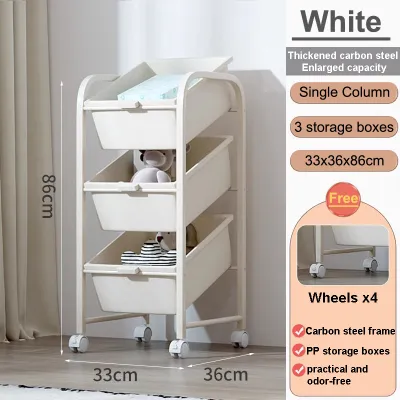
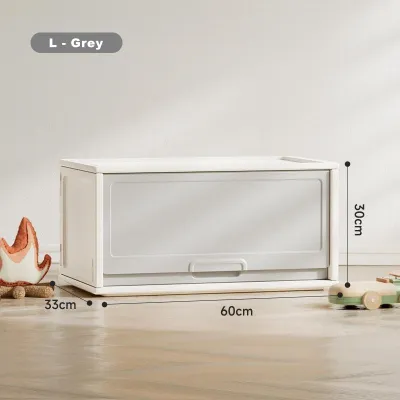
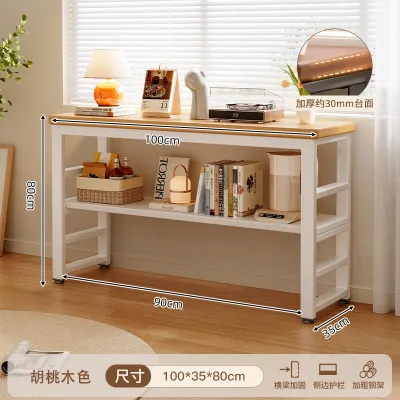
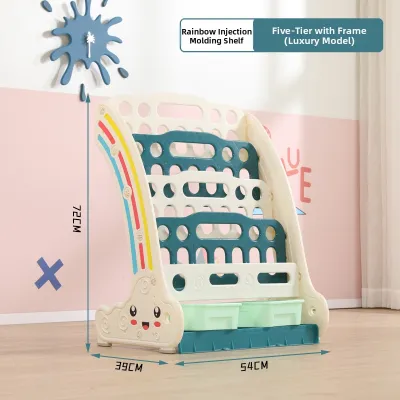
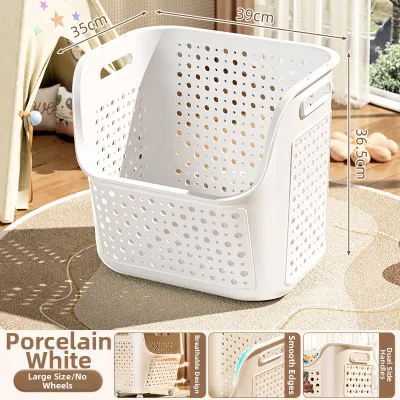
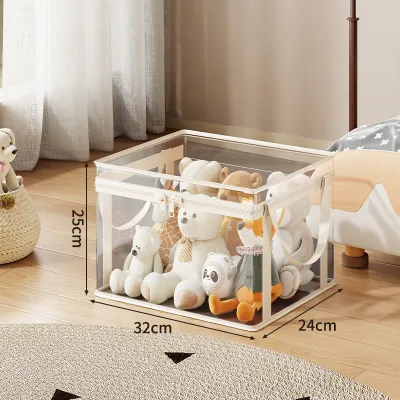
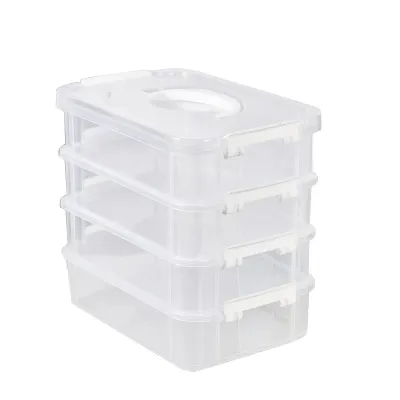
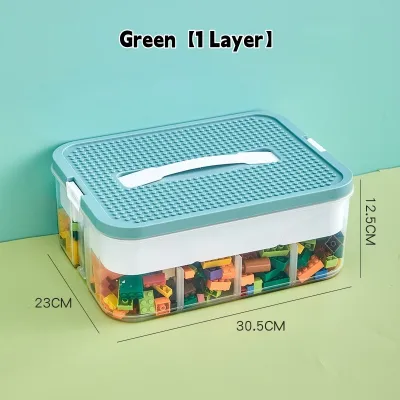
Prices are valid at publication and may change. Please refer to the product page for the latest price.
Shared Room Dynamics
Balancing these two distinct developmental stages within a single nursery space introduces unique safety and organizational challenges. A toddler’s favorite toys—such as small building blocks, puzzles with tiny pieces, or crayons—present severe choking hazards to an infant sibling. The nursery storage system must physically separate these items, creating distinct zones that accommodate the toddler’s need for interactive, complex play and the baby’s need for absolute safety.
Best Toy Organizer Types for a Nursery
Fabric Bins and Baskets
- Benefits: Fabric bins and woven cotton baskets are exceptionally lightweight and soft, making them highly safe options for young children. If a toddler pulls a canvas bin off a low shelf, there is virtually no risk of bruising or toe injuries. Many fabric options are collapsible, allowing parents to fold them flat and store them away when not in use, which is highly beneficial for space-constrained Singaporean homes.
- Limitations: These bins lack rigid internal structures. Over time, heavy use or stuffing them with bulky items can cause the sides to sag, warp, or collapse, making the nursery look untidy. They are also unsuitable for displaying delicate items, books, or assembled toy sets that need to stand upright.
- Best for: Storing lightweight, soft items such as plush toys, baby blankets, fabric books, and soft building blocks.
Open Shelving and Cubbies
- Benefits: Open shelving units and cubbies are the cornerstone of modern child-led spaces. They keep toys visible and highly accessible, which naturally invites focused, engaged play rather than mindless dumping. This setup is perfect for implementing a toy rotation system, where only a few selected items are displayed at any given time.
- Limitations: Because everything is on display, open cubbies require regular, deliberate tidying to prevent the room from looking chaotic. Furthermore, freestanding open shelves present a significant tipping hazard if a toddler attempts to climb them to reach a toy on a higher shelf.
- Best for: Displaying board books, wooden puzzles, stacking rings, and curated toys meant for independent toddler exploration.
Traditional Toy Boxes and Chests
- Benefits: A traditional wooden toy chest offers massive, undivided storage capacity. It is highly effective for quickly sweeping up large, awkwardly shaped items, bulky playsets, or dress-up clothes, hiding visual clutter behind a closed lid.
- Safety Warnings: Heavy lids pose severe risks of trapping or crushing small fingers, and closed chests can present suffocation hazards if a child climbs inside. Parents must verify that any toy chest features safety lid-stays or soft-close hinges that prevent the lid from slamming shut. Additionally, look for models with built-in ventilation cutouts or hand-grip openings that allow air to circulate even when the lid is closed.
- Best for: Storing oversized toys, winter blankets, costumes, or bulk building blocks that do not require daily, independent toddler access.
Hanging and Door Organizers
- Benefits: Vertical organizers designed to hang over doors or mount directly to walls are excellent space-savers in smaller bedrooms. They utilize underused vertical space, keeping the nursery floor clear for active play. More importantly, they allow caregivers to store small, delicate, or potentially hazardous items completely out of a child's reach.
- Limitations: These organizers have strict weight limits; overloading them can damage door hinges or pull drywall anchors out of the wall. They are also entirely inaccessible to toddlers, meaning they do not contribute to teaching independent clean-up habits.
- Best for: Storing baby care supplies, diapering essentials, art supplies, small figurines, and toys reserved for supervised play.
Critical Safety Features to Verify Before Buying
- Tip-Over Prevention: Freestanding furniture poses a critical safety risk in a nursery. Any shelf, cubby, or chest taller than a toddler's waist must be securely anchored to the wall. Before purchasing, verify that the manufacturer includes heavy-duty wall-anchoring hardware, such as L-brackets or anti-tip straps. In Singapore, where concrete walls are common in HDB flats, ensure you use the correct masonry wall plugs and screws rather than standard drywall anchors.
- Choking and Entanglement Hazards: Inspect all storage containers for loose components. Fabric bins with decorative buttons, long drawstrings, or poorly stitched handles can easily become choking or strangulation hazards. Avoid organizers with hanging cords or long loops that a curious toddler could wrap around their neck or limbs.
- Material and Finish Safety: Toddlers frequently explore their environment with their mouths. It is essential to verify that all wooden organizers are finished with non-toxic, water-based paints or food-grade oils. For plastic bins, check product labels to ensure they are free from Bisphenol A (BPA), phthalates, and heavy metals. Look for recognized safety standards and certifications on the packaging, such as the European EN71 toy safety standard or the American ASTM F963 certification.
- Hardware and Edge Checks: Run your hands along every surface of a potential organizer. Ensure there are no sharp edges, rough splinters, or exposed screws that could scratch sensitive skin. Hardware should be recessed or flush with the surface of the furniture, and joints must be sturdy enough to withstand a toddler leaning or pulling on them.
- Verification Rule: Always consult the manufacturer's specific product documentation to verify age recommendations, maximum weight capacities, and safety certifications before assembling or using any organizer. Never rely solely on generic marketing claims or store displays. If the manufacturer's instructions conflict with your nursery setup, if the item is unidentified, or if you are unsure of its structural safety, stop use immediately and consult the manufacturer or a qualified professional.
Practical Layout Strategies for a Shared Nursery
- Zoning by Height: When a baby and a toddler share a room, vertical space is your greatest asset. Use a strict height-zoning strategy: place open, lightweight fabric bins containing large, baby-safe toys on the lowest shelves (from floor level to about 60 centimeters high). Reserve the middle shelves (between 60 and 120 centimeters) for toddler-only toys that require supervision or contain slightly smaller parts. Keep the top shelves and wall-mounted organizers (above 120 centimeters) strictly for caregiver items, baby grooming supplies, and toys with small, hazardous components.
- Toy Rotation System: Too many toys available at once can lead to sensory overload and messy rooms. Implement a rotation system by storing the bulk of your child's toys in opaque, labeled bins inside a closed closet or high cabinet. Keep only five to ten carefully selected toys on the open nursery shelves. Every one to two weeks, swap the displayed toys with items from the storage closet. This keeps play fresh and exciting for the toddler while drastically reducing the amount of clutter that can accumulate on the nursery floor.
- Creating a "Yes" Space: A "yes" space is an area of the nursery designed so safely that a toddler can explore it completely unsupervised without hearing the word "no." Dedicate a low-level, sturdy cubby unit to this concept. Fill it with open-ended, safe toys like wooden blocks, stacking cups, and soft toys. Ensure the unit is anchored securely to the wall and contains absolutely no small parts, sharp edges, or heavy containers, giving your toddler a sense of complete autonomy and safety.
- Labeling for Caregivers: To make clean-up intuitive, label every storage bin clearly. For toddlers, use visual labels featuring simple drawings or photos of the items that belong inside (such as a picture of a car for the toy vehicle bin). For parents, grandparents, or domestic helpers, add clear text labels. This dual-labeling system removes the guesswork from tidying up, helping everyone maintain the nursery's organization system consistently.
Frequently Asked Questions (FAQ)
How do I stop my toddler from dumping all the toy bins?
Toddlers often dump bins because the sheer volume of toys is overwhelming, or they simply enjoy the sensory experience of emptying containers. To manage this, swap large, deep toy boxes for smaller bins that hold only three or four items each. Limit the total number of accessible bins in the room through a strict toy rotation system. Additionally, turn tidying up into a playful, guided activity. Model the behavior by putting one toy away at a time and celebrating the completion of the task, helping your toddler view clean-up as an enjoyable part of their play routine.

Are fabric bins better than plastic bins for toddlers?
The choice between fabric and plastic depends largely on the types of toys you are storing and your child’s play style. Fabric bins are lightweight, soft, and have no hard edges, making them exceptionally safe if thrown or pulled down. However, they can be difficult to clean if stained and may lose their shape over time. Plastic bins are highly durable, rigid, and can be easily wiped down or sanitized, which is ideal for storing art supplies, sensory play items, or blocks. If your toddler is prone to throwing objects, stick to soft fabric bins for safety; for heavy or messy items, choose sturdy, BPA-free plastic bins.
At what height should I mount shelves in a nursery?
For shelves intended for independent toddler access, mount them so the top shelf is no higher than 80 to 90 centimeters from the floor, which aligns with the average reach of a child aged one to three. For decorative displays, books, or caregiver supplies that must remain out of reach, mount shelves at a height of 150 centimeters or higher. Regardless of the mounting height, always ensure that any wall-mounted shelf is anchored directly into wall studs or secured with heavy-duty masonry plugs, and never place heavy objects on high shelves where they could fall during an earthquake or if the shelf is accidentally bumped.
Community discussion
Share your experience or ask a question. Comments are reviewed before publication.