
When selecting a straw cleaner for your baby’s transition cups, the most critical factors to prioritize are size compatibility, material safety, and bristle design. Because baby cup straws are narrow, dark, and frequently damp, they are highly susceptible to residue buildup that standard cleaning tools cannot reach. Finding a brush that matches the exact diameter and length of your child’s cup straws ensures thorough cleaning without damaging the delicate silicone or plastic components.
Why Dedicated Straw Cleaners Are Essential for Baby Cups
Baby drinking cups, especially those designed for transition and weaning stages, often feature narrow straws to help infants develop their sipping skills. While these designs are excellent for oral development and spill prevention, their interior surfaces are highly challenging to clean. Milk, formula, juices, and even water leave behind microscopic residues that cling to the inner walls of the straw. Because these tubes are narrow and enclosed, they trap moisture, creating an ideal environment for mold and bacterial colonization.
Standard bottle brushes and kitchen sponges are simply too wide to enter these small openings. Sponges only clean the outer surfaces and the entry points, leaving the entire middle section untouched. Attempting to force a standard brush into a narrow straw can stretch, tear, or permanently deform the straw, rendering the cup unusable or prone to leaking.
Products mentioned in this guide
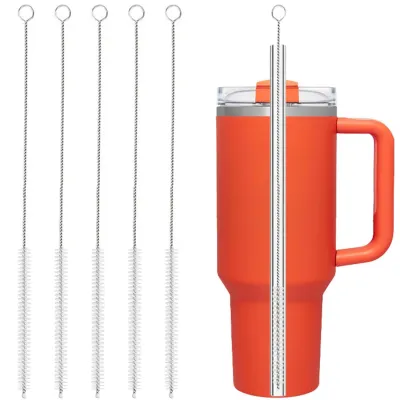
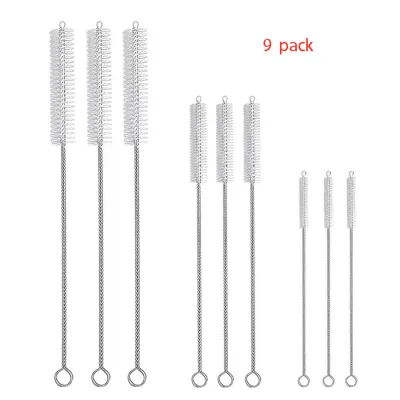
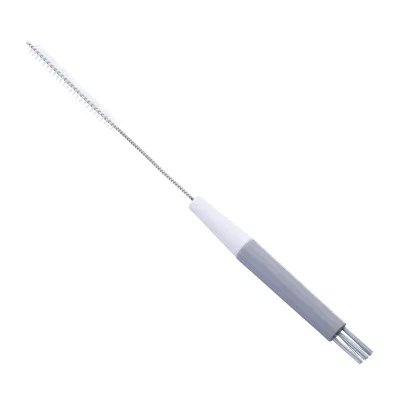
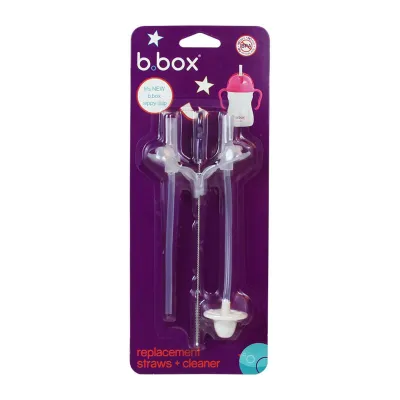
Prices are valid at publication and may change. Please refer to the product page for the latest price.
A dedicated straw cleaner features an ultra-slim profile specifically engineered to slide smoothly through narrow passages. By utilizing a tool designed for this exact purpose, you can maintain daily feeding hygiene and ensure that every sip your baby takes is free from hidden contaminants.
Core Material and Safety Considerations
When evaluating straw cleaners, the materials used in both the handle and the bristles must be thoroughly scrutinized. Since these tools directly contact surfaces that touch your baby’s milk or water, verifying that all components are food-grade and free from harmful chemical additives is a primary safety step. Look for clear labeling indicating that the plastics and elastomers used are BPA-free, phthalate-free, and lead-free.

The handle of the cleaner is typically constructed from stainless steel, nylon, or silicone-coated wire. Stainless steel handles offer excellent durability and resistance to bending, but you must verify that the steel is high-quality to prevent rusting over time. Nylon or plastic handles should be rigid enough to allow you to apply gentle pressure without snapping, yet flexible enough to navigate slight curves.
Bristle materials generally fall into two categories: nylon and silicone. Nylon bristles are highly effective at scrubbing away stubborn, dried-on milk fats, but they must be soft enough to avoid creating micro-scratches on the inner walls of silicone straws. These tiny scratches can become breeding grounds for bacteria and make future cleaning even more difficult. Silicone bristles are gentler and highly durable, though they may require more effort to dislodge dried-on residue.
Always check the product packaging for age-appropriate labeling and manufacturer safety disclosures. Avoid any cleaning tools that arrive with a strong, chemical, or plastic odor, as this can indicate the presence of volatile organic compounds or low-grade materials. If you are unsure about the material composition, consult the manufacturer’s official documentation or customer support before use.
Sizing, Length, and Flexibility Requirements
A common mistake when purchasing a straw cleaner is assuming that one size fits all. Baby cups come in a wide variety of designs, from short, valved transition cups to tall, flexible straw bottles. To ensure an effective clean, you must match the physical dimensions of the brush to the specific straws in your household.
Begin by measuring the inner diameter of your baby’s cup straws. The bristles of the cleaner should be slightly wider than the straw’s inner diameter to ensure they make firm contact with the walls as you push and pull the tool. If the bristles are too narrow, they will slide through without scrubbing the sides; if they are too wide, the brush will be extremely difficult to insert and may stretch or tear the straw material.
Next, consider the length of the straw. The cleaner must be long enough to pass completely through the straw, or at least reach past the midpoint if you plan to clean from both ends. However, avoid excessively long, rigid wire brushes that extend far beyond the straw, as these can be unwieldy to control and present a poking hazard during use.
The flexibility of the handle is another crucial factor, especially for cups with angled, curved, or weighted straws. Weighted straws often have a heavy anchor at the bottom and a flexible joint that allows the baby to drink from any angle. For these designs, a highly flexible wire handle that can bend around tight corners without kinking is essential. For straight, rigid plastic straws, a stiffer handle provides better leverage and control.
Bristle Design and Cleaning Efficiency
The arrangement and design of the bristles directly impact how efficiently the tool removes residue. When comparing options on online marketplaces or in local baby specialty stores, look closely at the bristle pattern. Spiral bristle configurations are generally superior to straight, parallel patterns because they provide 360-degree contact with the inner walls of the straw, ensuring no spots are missed during a single pass.
The density and stiffness of the bristles must be carefully balanced. If the bristles are too soft or sparse, they will flatten completely against the wire core when inserted, losing their scrubbing power and leaving dried milk film behind. Conversely, if they are too stiff, they can gouge the soft silicone of the straw. Look for medium-firm, densely packed bristles that retain their shape under gentle pressure.
Pay close attention to the tip of the straw cleaner. The wire core of the brush is typically bent or cut during manufacturing. If the tip is left as an exposed, sharp metal wire, it can easily pierce, scratch, or tear the delicate silicone valves found inside many spill-proof baby cups. Look for cleaners that feature a rounded, protective plastic or silicone tip, or a wire loop design that covers the sharp end. This simple design feature protects both the cup’s components and your hands from accidental punctures.
Building Your Shortlist: A Buyer’s Checklist
To simplify your decision-making process when browsing e-commerce platforms or physical retail shelves, it is helpful to have a structured evaluation framework. Use the following step-by-step checklist to verify product specifications against your specific baby cup requirements:
- Diameter Match: Is the brush head diameter slightly larger than the inner diameter of your baby's cup straws?
- Length Adequacy: Does the brush shaft length exceed the length of the longest straw by at least two to three centimeters?
- Material Safety: Is the product explicitly labeled as food-grade, BPA-free, and non-toxic?
- Tip Protection: Does the brush tip have a protective coating, rounded cap, or looped wire to prevent scratching?
- Handle Flexibility: Is the handle material appropriate for the shape of your straws (flexible wire for curved/weighted straws, rigid for straight straws)?
When evaluating options, be alert to several red flags. Avoid products that do not disclose their material composition or lack clear manufacturer contact information. Watch out for brushes with loose bristles that shed easily when pulled gently, as these loose fibers can become a choking hazard if they remain inside the straw. Additionally, reject any brushes with exposed, sharp metal ends or signs of pre-existing rust on the wire core.
Finally, consider whether a multi-pack or a single specialized tool fits your household needs. Multi-packs often include brushes of varying diameters and lengths, which is highly beneficial if you use multiple brands of transition cups. However, if you rely on a single, specialized cup system, investing in a high-quality, durable cleaner specifically designed by that cup’s manufacturer may offer better long-term performance and compatibility.
Maintenance, Storage, and Replacement Signals
Even the highest-quality straw cleaner will become a source of contamination if it is not properly maintained. After each use, rinse the brush thoroughly under warm, running water to remove all traces of soap and dislodged food residue. Gently shake off excess water and allow the brush to air-dry completely in a well-ventilated area.
Avoid storing wet straw cleaners in closed drawers, damp cupboards, or flat on countertops, as trapped moisture encourages mold growth and can lead to premature rusting of metal components. Instead, utilize storage solutions that keep the brush elevated and upright, such as a dedicated drying rack or a clean cup. Ensure the bristles do not touch other household cleaning tools to prevent cross-contamination.
Regularly inspect the cleaner for physical signs of wear and degradation. Over time, nylon bristles will begin to fray, bend, or fall out, reducing the brush’s cleaning efficiency. The wire core may become permanently bent or weakened from repeated flexing, increasing the risk of snapping. If you notice any discoloration, rust spots on the metal, frayed bristles, or a persistent odor that does not wash away, discard the tool immediately and replace it to maintain your baby’s feeding safety.
Frequently Asked Questions (FAQ)
Can I use a regular pipe cleaner instead of a baby straw brush?
No, you should avoid using standard craft pipe cleaners to clean baby cup straws. Craft pipe cleaners are designed for art projects, not food contact, and they do not undergo the rigorous safety testing required for infant feeding accessories. The materials used in craft pipe cleaners often contain non-food-grade dyes, adhesives, and synthetic fibers that can easily shed inside the straw, posing a chemical exposure or choking risk. Furthermore, their wire cores are typically sharp and unprotected, which can easily puncture delicate silicone straws and scratch your hands. Always choose dedicated, food-grade straw brushes designed specifically for cleaning drinking vessels.
How often should I replace my baby's straw cleaner?
Rather than relying on a strict calendar schedule, you should base your replacement frequency on observable physical wear and usage patterns. If you use the brush multiple times a day, it will naturally wear out faster than one used occasionally. Inspect the brush weekly for signs of degradation, such as bent or missing bristles, a weakened or rusted wire core, or persistent staining. If the bristles no longer stand upright or if the protective tip has worn off, the brush should be replaced immediately. As a general guideline for daily use, many caregivers find that replacing the brush every two to three months helps maintain optimal hygiene and structural integrity.
Are silicone straw cleaners better than bristle ones?
Neither material is universally superior; instead, they serve different cleaning needs and straw types. Silicone straw cleaners feature solid, flexible wands with small ridges or nubs. They are highly durable, easy to sanitize, dry quickly, and are extremely gentle on delicate silicone straws, virtually eliminating the risk of micro-scratches. However, because they lack the fine, dense fibers of traditional brushes, they may have less friction and struggle to scrub away dried-on, stubborn milk residue. Traditional nylon bristle brushes offer superior scrubbing power for tough residues but require more thorough rinsing and drying to prevent bacterial growth. For daily maintenance of water cups, silicone is highly efficient, while nylon bristles are often preferred for cups used with milk or smoothies.

Community discussion
Share your experience or ask a question. Comments are reviewed before publication.