
Navigating daily outings with a baby in Singapore requires careful preparation, especially given the tropical humidity that can quickly turn damp clothes, soiled diapers, or wet bibs into breeding grounds for odors and bacteria. A reliable baby wet bag is an indispensable tool for managing these messes on the go. When choosing a wet bag, parents must look beyond aesthetics and focus on material integrity, leak-proof construction, capacity, and ease of cleaning. Selecting the right bag ensures that damp swimsuits, messy bibs, and dirty diapers remain securely contained without compromising the rest of your diaper bag or stroller storage.
Essential Features for a Reliable Baby Wet Bag
When evaluating a baby wet bag, the primary consideration is its ability to contain moisture and odors effectively. The core of any wet bag is its waterproof lining, which is typically made from either Polyurethane Laminate (PUL) or Thermoplastic Polyurethane (TPU). PUL is a polyester fabric that has been chemically laminated with a thin plastic layer, offering excellent durability and resistance to washing. TPU, on the other hand, utilizes a heat-bonding process to fuse the membrane to the fabric, which is often softer and more flexible. When browsing options, always check the manufacturer’s product descriptions and labels to verify which material is used, as this affects how you will wash and care for the bag over time.
Odor containment is another critical factor, particularly in warm climates where heat can accelerate the development of unpleasant smells from soiled diapers or damp formula cloths. Look for wet bags that feature double-zipper closures or sealed seams. Standard stitched seams can sometimes allow moisture and odors to seep through the needle holes over time. High-quality wet bags often feature heat-sealed or taped seams that create an uninterrupted barrier against leaks. Additionally, some manufacturers apply specialized water-resistant treatments to the outer fabric layer to provide an extra layer of protection against external dampness and odor absorption.
Products mentioned in this guide
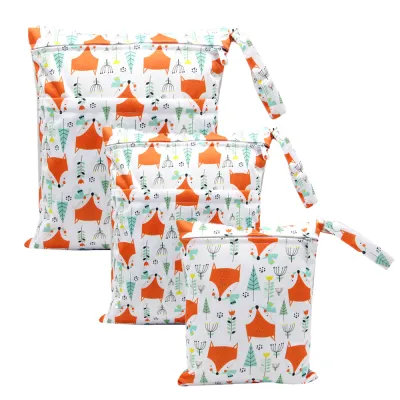
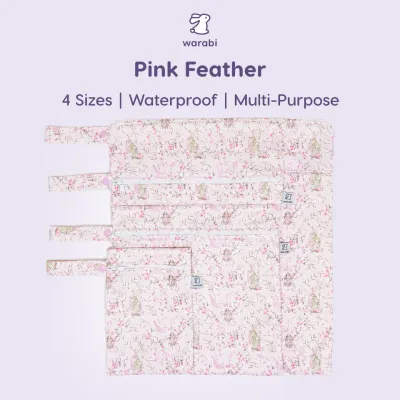
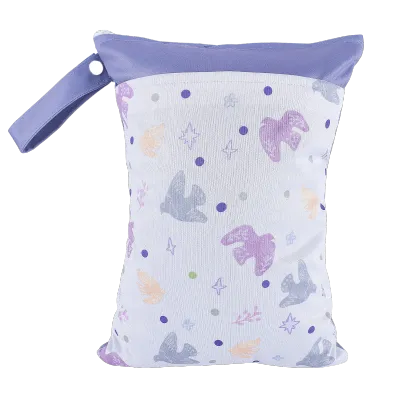
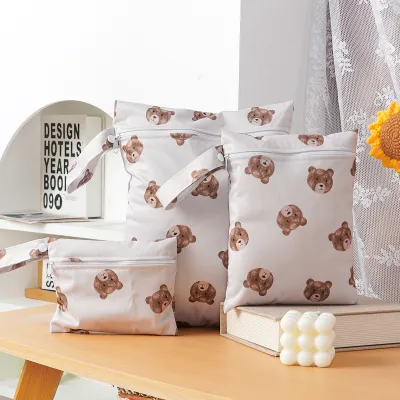
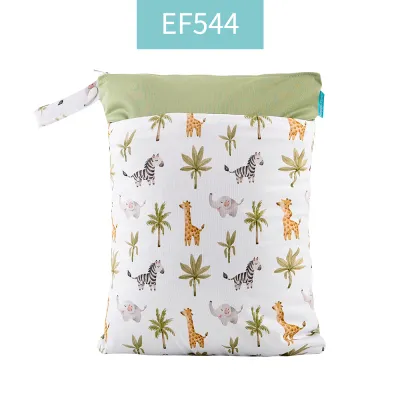
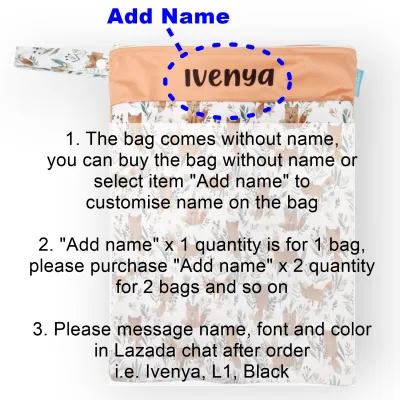
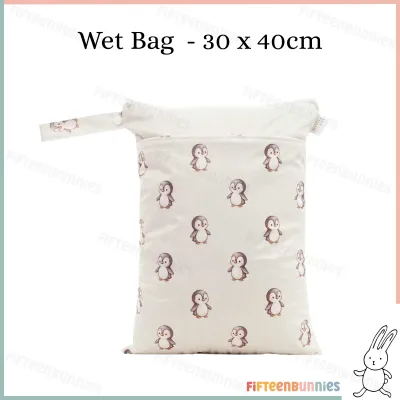
Prices are valid at publication and may change. Please refer to the product page for the latest price.
Durability is essential because a wet bag will undergo frequent washing cycles and carry heavy, damp loads. Examine the stitching quality around the zipper and handles, looking for tight, even stitches without loose threads. The zipper itself should be robust and glide smoothly; metal or heavy-duty plastic zippers with reinforced pulls are less likely to break or derail under pressure. Since you will be opening and closing the bag frequently—often while managing a squirming baby—the hardware must be resilient enough to withstand daily wear and tear without losing its sealing capability.
Sizing and Capacity: Matching the Bag to Your Outing Needs
Choosing the right size for your baby wet bag depends heavily on your baby’s age, diapering stage, and the typical duration of your outings. Newborns require frequent diaper changes and generate more soiled items, meaning you will need a larger capacity even for short trips. As your child grows into toddlerhood, the volume of diapers decreases, but you may find yourself carrying larger items like soiled change of clothes, muddy shoes from outdoor play, or wet swimsuits from water play areas.

To estimate your capacity needs, consider the following general guidelines. A compact pouch, typically measuring around 20 by 25 centimeters, is ideal for quick errands or short trips to the neighborhood playground. This size generally holds one to two cloth diapers or a single change of lightweight baby clothes. A medium-sized wet bag, roughly 30 by 36 centimeters, is the most versatile option for half-day outings, comfortably holding four to six diapers or a couple of full clothing changes along with soiled bibs and burp cloths. For full-day trips, family staycations, or swimming lessons, a large-capacity bag measuring 40 by 50 centimeters or larger is recommended, as it can accommodate multiple heavy items, towels, and spare outfits.
Before making a purchase, it is highly practical to check the physical dimensions of the wet bag against the storage spaces you use most frequently. Measure the main compartment of your primary diaper bag, the basket under your stroller, or your favorite personal tote. A wet bag that is too large may not fit comfortably inside your existing gear, forcing you to carry it separately, whereas a bag that is too small will leave you struggling to stuff soiled items inside. Finding a balance between internal capacity and external portability ensures the bag integrates seamlessly into your daily routine.
Design and Usability for Parents on the Go
A wet bag’s design should simplify your life when you are out in public spaces, where diaper changing facilities may be crowded or limited. One of the most useful design features is the attachment mechanism. Look for bags equipped with snap-button handles, adjustable stroller straps, or integrated carabiner clips. These features allow you to hang the wet bag directly from your stroller handlebar, diaper bag strap, or even a bathroom stall hook. This keeps the bag off dirty floors and ensures it remains within arm’s reach when you need to discard a soiled item quickly.
The type of closure is another critical usability factor. Zippers are generally superior to drawstrings or snap buttons for wet bags, as they provide a continuous seal that prevents moisture and odors from escaping. When evaluating zippers, consider how easy they are to operate with one hand. When you are holding a baby with one hand on a changing table, you need a zipper that glides effortlessly without snagging on the surrounding fabric. Test the zipper action if shopping in person, or read user reviews regarding zipper smoothness if purchasing online.
Many modern wet bags feature dual-compartment designs, often marketed as wet and dry bags. These bags have two separate pockets: a waterproof-lined compartment for soiled or wet items, and a dry, unlined compartment for clean clothes, fresh diapers, pacifiers, or dry wipes. This dual-pocket configuration is highly efficient, allowing you to carry both clean and dirty essentials in a single, compact footprint. It eliminates the need to carry multiple separate pouches, streamlining your packing process and keeping your diaper bag highly organized.
Building Your Shortlist: A Condition-Based Selection Guide
To narrow down your choices, it is helpful to build a shortlist based on your family’s specific routines and outing styles. Different scenarios call for different wet bag configurations, and matching the bag to your primary use case will ensure long-term satisfaction.
For short trips, such as quick visits to the local supermarket or a brief play session at a nearby void deck, prioritize minimal capacity and lightweight designs. A small, single-pocket wet bag with a secure snap handle is perfect for these quick excursions. It takes up virtually no space in your handbag or stroller organizer and is easy to carry hands-free.
For extended outings, such as full-day weekend trips to Sentosa or visits to family members across the island, look for medium-to-large wet bags with dual compartments and robust odor control. These bags allow you to keep clean spares and soiled items separated throughout the day while ensuring that odors do not escape into your main diaper bag during long transit times on public transport or in the car.
If you have multiple children, are managing heavy wetting, or frequently attend baby swimming classes, focus on maximum volume, reinforced seams, and easy machine-washability. A large wet bag with a double-lined interior and heavy-duty zippers is essential for handling wet swimsuits, damp towels, and multiple changes of clothes without leaking.
Before finalizing your purchase, use this pre-purchase checklist to verify the practical details of the product:
- Verify Care Instructions: Ensure the bag is machine washable if you prefer low-maintenance cleaning.
- Check Warranty and Return Policies: Review the seller's return policy on local ecommerce platforms or official brand websites in case of manufacturing defects.
- Compare Price Ranges: Wet bags in Singapore typically range from S$10 for basic, single-pocket models to S$35 or more for premium, dual-compartment designer options. Determine your budget based on how frequently you plan to use the bag.
Care, Maintenance, and Hygiene Checks
Proper care and maintenance are vital to preserving the waterproof integrity of your baby wet bag and preventing the buildup of mold, mildew, and stubborn odors. Always refer to the manufacturer’s care label before washing. Most wet bags can be machine washed alongside your regular baby laundry, but they often require mild detergents and have strict temperature limits. Washing at excessively high temperatures can cause the TPU or PUL lining to delaminate, crack, or peel away from the outer fabric, rendering the bag no longer waterproof. Avoid using bleach, fabric softeners, or vinegar, as these harsh additives can degrade the waterproof membrane and weaken the fabric fibers over time.
Drying the wet bag correctly is just as important as washing it. In Singapore’s humid climate, drying fabric thoroughly can sometimes be a challenge, making proper technique essential to prevent mildew. Air-drying is the safest method for preserving the waterproof lining. Hang the bag inside out in a well-ventilated area, away from direct, intense sunlight, which can cause the laminate to crack or melt. If the manufacturer’s instructions permit tumble drying, use a low-heat or air-fluff setting to protect the delicate inner membrane.
Regularly inspect your wet bag for signs of wear and tear to maintain hygiene standards. Look closely at the inner lining for any peeling, cracking, bubbling, or thinning of the waterproof layer. Check the seams for loose threads and test the zippers to ensure they still close completely without gaps. If you notice any compromise in the waterproof barrier or if the bag begins to leak moisture or odors despite proper washing, stop using it for wet items immediately. Replacing a worn-out wet bag promptly prevents accidental contamination of your other baby gear and ensures your outings remain clean and stress-free.
Frequently Asked Questions (FAQ)
Can I use a regular plastic bag instead of a dedicated wet bag?
While a disposable plastic bag may seem like a convenient temporary solution, it carries significant drawbacks compared to a dedicated wet bag. Single-use plastic bags are highly prone to punctures, tears, and seam splits, which can lead to messy leaks and soil your diaper bag or stroller basket. Furthermore, plastic bags do not offer reliable odor containment, allowing unpleasant smells to escape easily, especially in warm weather. Dedicated wet bags are designed with robust, washable, and reusable materials like TPU or PUL, featuring secure zipper closures and sealed seams that lock in moisture and odors. Investing in a reusable wet bag is not only more reliable and hygienic but also significantly reduces plastic waste over time.
How many wet bags should I pack for a full-day outing?
For a full-day outing, packing two wet bags—or utilizing one large dual-compartment wet/dry bag—is generally the most practical approach. This setup allows you to separate heavily soiled items, such as dirty diapers or clothes stained with food, from lightly damp items like used bibs, washcloths, or swimsuits. If you are using single-compartment bags, having one medium bag for diapers and one small bag for damp clothes keeps your items organized and prevents cross-contamination. As a general rule, estimate one diaper change every two to three hours for infants, and ensure your packed wet bags have sufficient combined capacity to hold the corresponding number of soiled diapers and at least one full change of clothes.

Community discussion
Share your experience or ask a question. Comments are reviewed before publication.