
Finding the right waterproof wet bag for your child’s school days and weekend outings in Singapore requires balancing reliable leak prevention with child-friendly designs. Whether they are packing damp physical education (PE) shirts, muddy socks, or soaked swimwear from swimming lessons, a high-quality wet bag keeps the rest of their school backpack dry and odor-free. In Singapore’s hot, humid climate, choosing the wrong material can quickly lead to mildew, lingering smells, and degraded linings.
By understanding how different materials, closures, and sizes perform under daily use, parents can make an informed decision that lasts the entire school year. This guide outlines the essential criteria for selecting, using, and maintaining waterproof wet bags to ensure they remain functional, hygienic, and easy for children to manage independently.
Quick Answer: Core Criteria for Kids' Waterproof Wet Bags
When browsing online marketplaces or local retail stores, parents should focus on three primary pillars: material safety, capacity, and closure style. A reliable wet bag must prevent moisture from wicking through the fabric while remaining safe for daily contact with children’s hands and clothing.
Products mentioned in this guide
![[SG Seller] Custom Name Wet Bag | Waterproof Baby Diaper Bag | Kids Organiser Bag | Childcare Bag](https://img.lazcdn.com/g/p/683c3fe06ddbf1062d0e5e6565e93504.jpg_400x400q80.jpg_.webp)
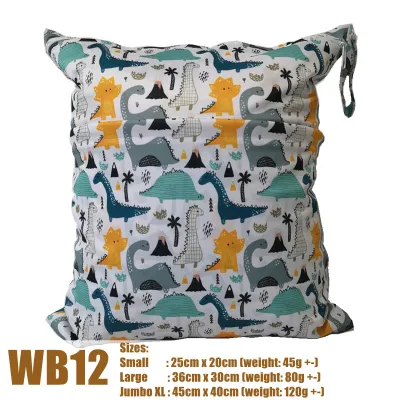
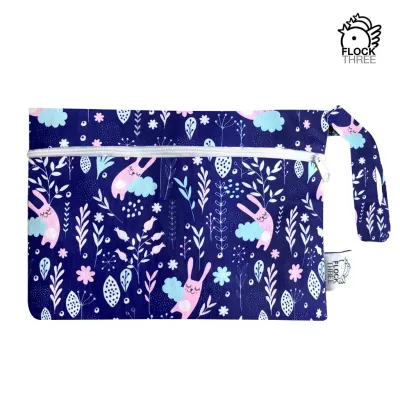
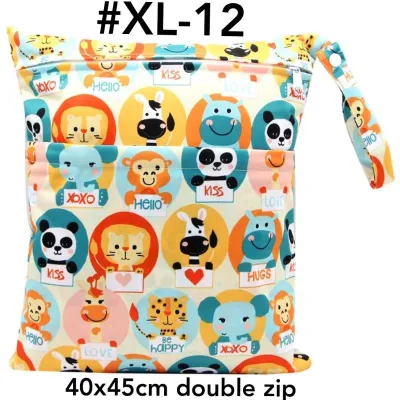
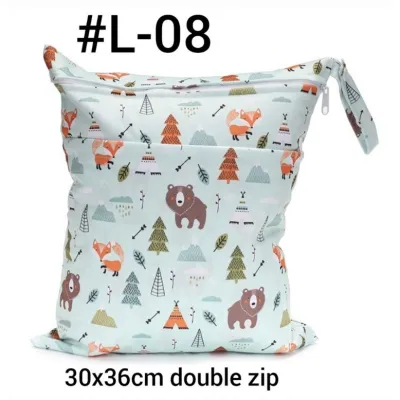
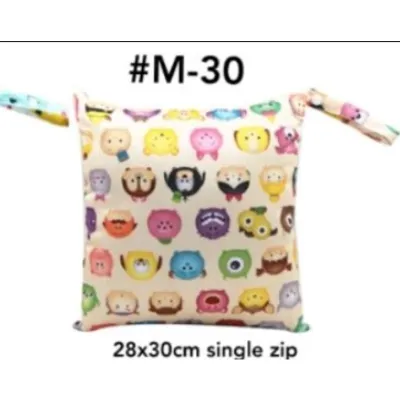
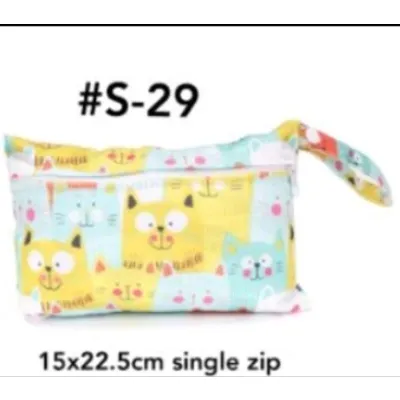
Prices are valid at publication and may change. Please refer to the product page for the latest price.
Material Safety and Waterproofing Standards Always verify that the wet bag is free from harmful chemicals such as BPA, PVC, lead, and phthalates. Look for products that explicitly state they use food-grade or non-toxic waterproofing linings, such as Thermoplastic Polyurethane (TPU) or Polyethylene Vinyl Acetate (PEVA). These materials provide a reliable water barrier without the off-gassing or health risks associated with older vinyl plastics.
Capacity Guidelines by Age and Activity The ideal bag size depends on what your child needs to carry and their physical size. For toddlers in preschool, a small bag (approximately 20 cm by 25 cm) is perfect for a single change of soiled clothes or a wet bib. For primary school students carrying PE kits or swimming gear, a medium to large bag (approximately 30 cm by 40 cm) is necessary to accommodate bulky towels and swimwear without overstuffing.
Closure Mechanisms for Kids The closure system must balance leak prevention with the child’s developmental stage. Zippers offer the most secure seal against leaks and are excellent for older children who can operate them easily. For younger children, snap buttons or roll-top designs with simple buckles might be easier to open and close independently, though they may not offer the same level of airtight moisture containment as a high-quality zipper.
Evaluating Materials and Closures for Humid Climates
Singapore’s high relative humidity and warm temperatures create a challenging environment for waterproof fabrics. If a wet bag is constructed from low-quality materials, the constant exposure to moisture and heat can cause the waterproof lining to degrade, peel, or develop persistent odors.

Lining Materials: TPU vs. PEVA Thermoplastic Polyurethane (TPU) is widely considered the industry standard for high-quality wet bags. TPU is a hybrid material that is heat-bonded to the outer fabric layer, creating a flexible, durable, and highly water-resistant barrier. This heat-bonding process eliminates the need for chemical adhesives, making it less prone to delamination over time. TPU can generally withstand regular machine washing, though parents should always check the manufacturer’s specified temperature limits to prevent heat damage.
In contrast, Polyethylene Vinyl Acetate (PEVA) is a non-chlorinated vinyl alternative that is often stiffer than TPU. While PEVA is highly waterproof and easy to wipe clean, it is more sensitive to high temperatures and mechanical stress. Over time, repeated folding and machine washing can cause PEVA linings to crack or stiffen, making them better suited for light, occasional use rather than daily school routines.
Odor and Mildew Resistance A common misconception is that all waterproof bags naturally repel odors and mold. In reality, a sealed wet bag containing damp clothes creates a warm, dark, and humid microclimate that is ideal for anaerobic bacteria and mildew growth. To combat this, parents should look for wet bags that feature breathable outer fabrics, such as water-resistant polyester pul (PUL), which allows microscopic moisture vapor to escape while keeping liquid droplets contained.
Additionally, some manufacturers apply antimicrobial treatments to the lining or outer fabric. When selecting a bag, verify these claims on the product packaging or official care tags. Remember that no treatment replaces the need for regular washing and thorough drying; a damp bag left closed in a school locker for days will eventually develop odors regardless of its material.
Closure Types and Practical Trade-offs The choice of closure directly impacts how well the bag contains wetness inside a crowded school backpack.
- Water-resistant zippers: These zippers feature a protective polyurethane coating over the zipper tape, preventing water from wicking through the fabric teeth. They provide the best protection against leaks when carrying soaking wet swimsuits.
- Snap buttons: Often found on fold-over or roll-top wet bags, snaps are highly durable and do not jam like zippers can. However, they do not create a continuous seal, meaning pooled water can easily leak out if the bag is compressed inside a backpack.
- Drawstrings: While incredibly easy for preschool-aged children to pull open and close, drawstring closures leave a small opening at the top. They are suitable only for damp items, such as sweaty PE shirts, and should not be used for dripping wet swimwear.
Choosing the Right Size and Layout for School and Outings
Selecting the right wet bag involves matching the bag’s capacity and internal layout to your child’s specific daily activities. A bag that is too small will be difficult for a child to pack, while a bag that is too large will add unnecessary bulk to their school bag.
Daily PE Kits and Soiled Clothes For standard school days, children often need a compact solution to store sweaty PE kits, damp socks, or soiled uniforms. A flat, single-pocket wet bag measuring roughly 20 cm by 30 cm is ideal for this purpose. This size fits easily into the front or main compartment of a standard primary school backpack without taking up valuable space needed for textbooks, pencil cases, and lunchboxes. Look for lightweight designs that add minimal weight to the child’s daily load.
Swimming Lessons and Family Outings Swimming curriculum and weekend trips to water parks require a much larger capacity. A wet bag designed for swimming should measure at least 30 cm by 40 cm to comfortably hold a damp microfiber towel, goggles, swimming cap, and swimsuit. Because wet towels can become heavy, look for bags equipped with a reinforced, wide handle. A handle with a secure snap button is particularly useful, as it allows the heavy wet bag to be hung on the outside of a school backpack or a stroller frame, keeping the interior dry and balanced.
Wet and Dry Separation Dual-compartment wet bags are an excellent investment for both school and family outings. These bags feature two separate pockets—typically one lined with waterproof TPU for wet items and another made of standard fabric or mesh for dry items. This layout allows parents to pack clean, dry spare clothes in the dry pocket in the morning. After the child changes, the wet clothes go into the waterproof pocket, keeping the clean clothes dry and isolated.
When evaluating dual-compartment designs, pay close attention to the construction of the dividing seam. Ensure the manufacturer has sealed or taped the internal seams to prevent moisture from wicking from the wet side into the dry side. A poorly constructed divider can defeat the purpose of the dual-pocket design, leaving clean clothes damp by the end of the day.
Cleaning, Drying, and Maintenance for Long-Term Use
Proper maintenance is essential to extend the lifespan of a wet bag and prevent the buildup of mold, mildew, and unpleasant odors. Because these bags are used constantly in a tropical climate, establishing a consistent cleaning routine is key.
Washing Routines Always consult the manufacturer’s care label before washing a wet bag. While many high-quality TPU bags are machine-washable, some require hand washing to protect the waterproof membrane. If machine washing is permitted, use a gentle, cold-water cycle with a mild detergent. Avoid using fabric softeners, bleach, or vinegar, as these substances can chemically degrade the waterproof coating and cause the lining to peel away from the outer fabric.
Drying Practices Drying the wet bag thoroughly is the most critical step in preventing mold growth. After washing, turn the bag completely inside out so the waterproof lining is fully exposed to the air. Hang the bag in a well-ventilated area away from direct, intense sunlight. While air-drying outdoors is ideal, prolonged exposure to harsh UV rays can cause the waterproof lining to become brittle and crack. During rainy seasons, hang the bag indoors near a fan or a dehumidifier to ensure it dries completely within 24 hours.
Lifespan and Replacement Checks Even with meticulous care, the waterproof lining of a wet bag will eventually wear out from regular use. Parents should perform a quick visual inspection of the bag’s interior every few months. Look for signs of wear such as flaking, peeling, cracking, or a sticky texture on the lining. If you notice any of these signs, or if the seams are beginning to pull apart, the bag’s waterproof integrity has been compromised, and it should be replaced to prevent leaks.
Frequently Asked Questions (FAQ)
Can I use a standard wet bag for both cloth diapers and older kids' swimwear?
Yes, you can repurpose a wet bag for both uses, but you must pay close attention to hygiene and the manufacturer’s care instructions. Cloth diapers typically require washing at higher temperatures to ensure proper sanitization, which can degrade the delicate waterproof linings of some standard wet bags. Before using a swimwear wet bag for diapers, verify that the lining can withstand hot water cycles. If you do use the same bag for both purposes, ensure it is thoroughly washed and sanitized between uses, or maintain separate, dedicated bags to ensure optimal hygiene.
How do I test if a wet bag's waterproof lining is still effective?
To test the integrity of a wet bag’s lining at home, start with a thorough visual inspection. Turn the bag inside out and look for any peeling, cracking, or separation along the seams. Next, turn the bag right-side out, place a dry paper towel inside, and pour a small amount of water onto the exterior fabric. Gently squeeze the bag to simulate the pressure it would experience inside a school backpack. If the paper towel inside remains completely dry and no moisture seeps through the seams, the waterproof barrier is intact and safe for continued use.
Community discussion
Share your experience or ask a question. Comments are reviewed before publication.