
Transitioning your toddler from diapers to using the adult toilet is a major developmental milestone that requires patience, encouragement, and the right tools. A reliable step stool acts as a physical and psychological bridge, giving your child the height needed to reach the toilet seat comfortably and the stability to feel secure while sitting. Without a proper footrest, a toddler’s legs dangle, which can cause muscle tension and make bowel movements more difficult. By choosing a step stool tailored to your child’s developmental stage and your bathroom’s layout, you foster independence and confidence during this transition. To find the ideal option, you must evaluate key factors including structural safety, physical dimensions, material hygiene, and the specific spatial constraints of your home.
Essential Safety and Stability Features
Safety is the absolute priority when selecting any product for your child. In a bathroom environment, floors are frequently exposed to water, steam, and condensation, making slip resistance a critical feature. When evaluating a step stool, look closely at the base footprint. A wider base distributes weight more evenly and significantly reduces the risk of the stool tipping over when your child steps near the edge. Inspect the bottom of the stool for high-quality, rubberized anti-slip pads or feet. These grips should cover a substantial portion of the base to ensure the stool remains firmly anchored on wet ceramic or porcelain tiles.
Another vital safety step is verifying the manufacturer’s stated weight capacity. This information is typically printed on the product packaging, a label underneath the stool, or within the instruction manual. Do not assume a stool is safe for your child based solely on its appearance; always check the official weight limit to ensure it can safely support your growing toddler. Keep in mind that children often step onto stools with force or hop on them, which increases the instantaneous load on the structure.
Products mentioned in this guide
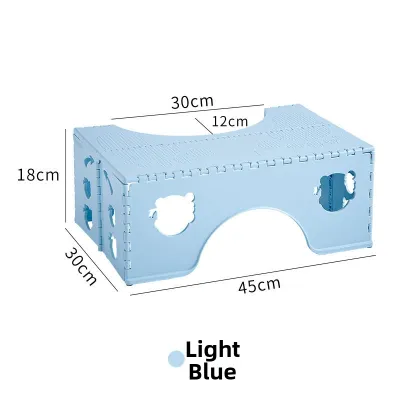
Prices are valid at publication and may change. Please refer to the product page for the latest price.
Structural design elements play a major role in preventing tipping. Stools with flared legs or a trapezoidal shape—where the bottom is wider than the top stepping surface—offer superior stability compared to those with straight, vertical walls. If you are shopping in a physical retail store, perform a quick physical wobble test. Place the stool on a flat surface and apply pressure to the corners and edges with your hand. If the stool tips easily or flexes significantly under moderate pressure, it may not provide the stable foundation your child needs. Remember that caregiver supervision is always necessary during potty training, regardless of how stable the stool appears.
Size, Height, and Fit for Your Toilet
To find a step stool that integrates seamlessly into your daily routine, you must match its physical dimensions to both your child and your toilet bowl. Start by measuring the distance from your bathroom floor to the top of the toilet seat. Standard toilet heights can vary, and even a difference of a few centimeters can affect how comfortably your child can climb and sit. Ideally, when your child is seated on the toilet with their feet resting flat on the step stool, their knees should be slightly higher than their hips. This squatting posture relaxes the pelvic floor muscles and facilitates easier, more natural bowel movements.

The stepping surface area, or the top platform of the stool, must be spacious enough for your toddler to turn around safely. When children climb a step stool to use the toilet, they typically need to step up, turn their bodies 180 degrees, and then sit down. A platform that is too narrow or shallow increases the risk of missteps. Look for a surface that allows your child to plant both feet firmly with extra room to spare on all sides.
In Singapore, residential bathrooms—particularly in HDB flats and compact condominiums—often have limited floor space. Before purchasing a stool, measure the clearance around your toilet bowl. Consider the distance between the toilet and adjacent walls, glass shower screens, or under-sink cabinets. A step stool that is too wide may block the bathroom walkway or prevent the bathroom door from opening fully. Ensure the stool’s footprint fits comfortably within your designated space without creating a tripping hazard for other family members who use the shared bathroom.
Material, Cleaning, and Maintenance
The high humidity and frequent moisture levels in Singapore bathrooms make material selection a key consideration for hygiene and durability. The two most common materials for toddler step stools are hard plastics and treated woods, each offering distinct advantages and maintenance requirements. Hard plastic stools are lightweight, highly water-resistant, and generally easy to clean. They can be rinsed directly under the showerhead or wiped down with standard household disinfectants without risk of warping or water damage.
Treated wood stools offer a more classic aesthetic that blends well with modern home decor, but they require careful inspection. If you prefer wood, ensure it is treated with a non-toxic, water-resistant sealant to prevent moisture from penetrating the grain. Unsealed or poorly finished wood can absorb humidity, leading to mold growth, warping, or splintering over time.
Regardless of the material, examine the stool’s design for potential dirt traps. Avoid models with deep crevices, unsealed joints, or overly intricate textured patterns on the stepping surface. While some texture is necessary for slip resistance, excessively deep grooves can trap urine droplets, water, and bathroom grime, making them difficult to sanitize. Smooth, rounded contours and shallow, easily accessible anti-slip patterns are much simpler to keep clean. Always refer to the manufacturer’s care instructions to verify which cleaning agents are safe to use. Harsh chemical cleaners or abrasive scrubbing pads can degrade plastic surfaces or strip away the protective anti-slip coatings on both wood and plastic models.
Extra Features: Handles, Folding, and Adjustability
Many modern step stools come equipped with additional design features intended to improve usability, though not all may be necessary for your specific household. Built-in handles or side rails can be highly beneficial for younger toddlers who are still developing their balance and coordination. These handles provide a secure handhold as they climb up and turn around, boosting their confidence during the early stages of potty training. However, ensure the handles are smooth, free of sharp plastic seams, and sized appropriately for small hands to grip comfortably.
For households with shared or compact bathrooms, space-saving designs like foldable, stackable, or nesting stools are highly practical. A foldable step stool can be collapsed and tucked away beside the toilet or under the sink when not in use, keeping the floor clear for adults. If you choose a folding model, inspect the hinge mechanisms carefully. Ensure there are safety locks that prevent the stool from collapsing accidentally while your child is standing on it.
Adjustable-height step stools feature mechanisms that allow you to raise or lower the platform as your child grows. While this extendable usability is appealing, it is important to weigh the benefits against potential drawbacks. Adjustable stools often have more moving parts, which can introduce pinch points where small fingers might get caught. They may also be heavier and more complex to clean than single-piece molded stools. Inspect the locking pins or adjustment brackets to ensure they lock securely into place and do not wobble under weight.
How to Build Your Step Stool Shortlist
To make an informed purchase, start by creating a personalized checklist of your non-negotiable requirements. Write down the exact height of your toilet seat, the maximum floor space available around the toilet base, and your child’s current weight and height. Having these specific measurements on hand will allow you to quickly filter out options that are too tall, too wide, or unable to support your child’s weight safely.
When browsing online marketplaces or visiting local baby boutiques, cross-reference the product specifications with real-world user reviews. Look for feedback from other parents regarding the stool’s long-term durability, how easy it is to clean, and whether the anti-slip feet remain effective on wet bathroom tiles over time. Pay close attention to any mentions of stability issues or tipping incidents, as these are critical safety indicators.
Finally, consider the long-term utility of the step stool. Potty training is a temporary phase, but a high-quality stool can be repurposed for years to come. Look for a design that can easily transition to the bathroom sink to help your child wash their hands and brush their teeth independently. Some stools are also suitable for use in the kitchen, allowing your child to safely reach countertops to assist with simple meal preparation. Choosing a versatile, durable model ensures you get maximum value from your investment long after the potty training journey is complete.
Frequently Asked Questions (FAQ)
When should I introduce a step stool for potty training?
Rather than relying on a strict age milestone, look for signs of physical and developmental readiness in your child. Your toddler is likely ready for a step stool when they demonstrate steady balance, can climb stairs with minimal assistance, and show an active interest in using the adult toilet. Physical coordination is essential, as they must be able to step up and turn around safely. If your child expresses curiosity about the toilet or indicates discomfort using a standalone potty chair, introducing a step stool alongside a toddler toilet seat insert can help them transition smoothly.
Can a regular household step stool be used for potty training?
While it may be tempting to use a standard household step stool, toddler-specific models are highly recommended for safety and developmental reasons. Standard adult stools are often too tall, making the climb difficult and unsafe for a small child. They also tend to have smaller stepping surfaces that do not allow a toddler to turn around comfortably. Furthermore, toddler-specific stools are designed with specialized safety features, such as extensive rubberized anti-slip bases and textured platforms, which are crucial for preventing slips on wet bathroom floors. Standard household stools may lack these child-safe features, increasing the risk of tipping or sliding during use.

Community discussion
Share your experience or ask a question. Comments are reviewed before publication.