
Managing your baby’s scalp health requires a delicate touch, especially when dealing with infantile seborrheic dermatitis, commonly known as cradle cap. When selecting a cradle cap comb, the primary goal is to find a tool that effectively lifts loose flakes without causing irritation, micro-scratches, or discomfort to your baby’s highly sensitive skin. Because an infant’s scalp is thin and still developing, the ideal comb must balance structural effectiveness with extreme gentleness. Caregivers should prioritize soft, flexible materials, rounded teeth, and ergonomic handles that allow for precise, low-pressure control.
In warm and humid environments like Singapore, managing scalp hygiene becomes even more critical. High humidity and ambient warmth can lead to increased sweating, which can mix with excess sebum and dead skin cells, potentially exacerbating flaky scalp conditions. Choosing a tool that is easy to clean, sanitize, and dry is essential to prevent the growth of mold and bacteria between uses. By focusing on material safety, physical design, and proper maintenance, you can safely navigate this common developmental phase while keeping your baby comfortable.
Essential Features to Evaluate in a Cradle Cap Comb
Bristle and Teeth Materials
The materials used in a cradle cap comb directly determine how gentle the tool will be on your baby’s scalp. Medical-grade silicone is highly recommended due to its natural flexibility, soft texture, and hypoallergenic properties. Unlike rigid plastics, silicone bends easily under pressure, minimizing the risk of accidental scraping. Another excellent option is natural boar bristles, which are soft enough for newborns and highly effective at distributing natural scalp oils. Synthetic nylon bristles can also work well, provided they are specifically labeled as ultra-soft or designed for infants. When evaluating materials, look for options that can withstand regular washing without degrading or shedding fibers.
Products mentioned in this guide
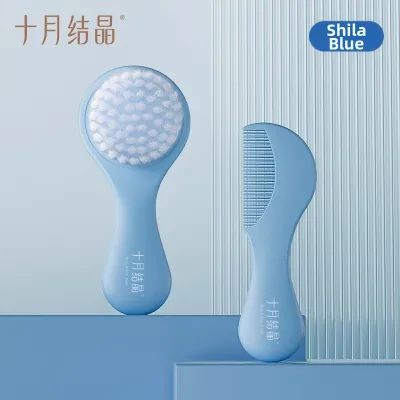
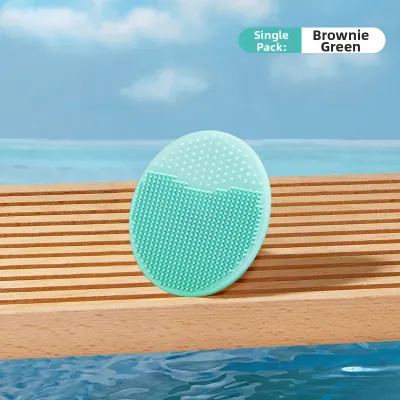
![[SG 🚚] Newborn Cradle Caps Comb Head Cleaning Comb Shape Comb Travel Hair Styling Comb for Baby Toddler Bath Head](https://img.lazcdn.com/g/p/e65c7e1d5e51d1711b82071badce2ffa.jpg_400x400q80.jpg_.webp)
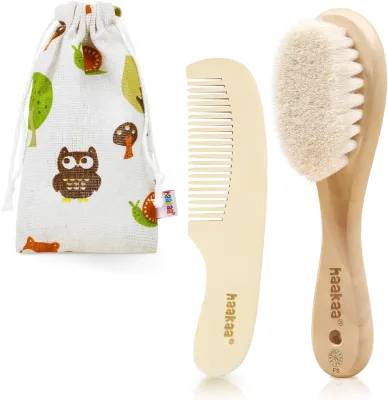
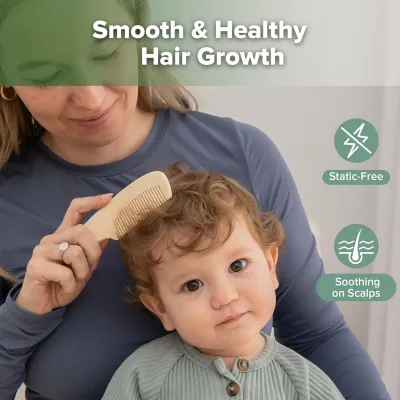
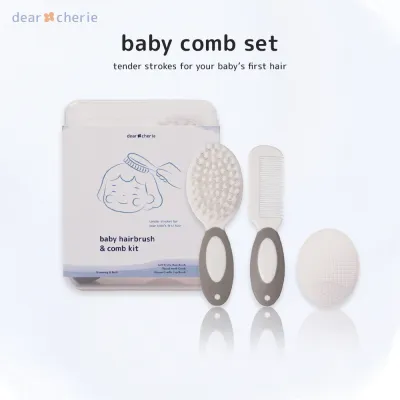
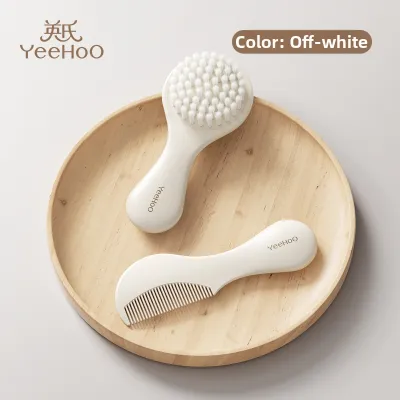
Prices are valid at publication and may change. Please refer to the product page for the latest price.
Teeth Spacing and Length
The physical configuration of the comb’s teeth plays a crucial role in how it interacts with fine baby hair and delicate skin. A well-designed cradle cap comb typically features dual-sided functionality or specialized teeth spacing. One side may have very fine, closely spaced teeth designed to catch and slide small flakes out of the hair. The other side might feature wider, thicker teeth or soft silicone nubs to gently massage the scalp and loosen larger patches. The length of the teeth should be relatively short; long, rigid teeth are more likely to bend or pull on fine hair, causing discomfort and resistance from your baby.
Ergonomic Handle Designs
Caregivers often overlook the handle design, yet it is one of the most critical factors for safe application. During bath time, your hands are likely to be wet, soapy, or covered in baby oil, making a secure grip essential. Look for combs with ergonomic, non-slip handles, often featuring textured silicone grips or wide, loop-style handles that fit securely over your fingers. A secure grip ensures you maintain steady, uniform pressure and prevents the tool from slipping out of your hand, which could startle the baby or cause accidental contact with their eyes or face.
Safety Boundaries and Scalp Protection Checks
Rounded and Smooth Teeth Tips
Before purchasing any grooming tool, a physical inspection of the teeth tips is vital. Run your own fingertips over the comb’s teeth to ensure there are absolutely no sharp edges, plastic molding seams, or rough points. Even minor manufacturing defects can cause micro-scratches on an infant’s scalp, which can lead to irritation or localized skin issues. High-quality baby combs undergo specialized polishing processes to ensure every single tooth tip is perfectly spherical and smooth. If you are buying online, look for close-up product images and verify that the manufacturer explicitly highlights rounded tips as a key safety feature.

Verifying Non-Toxic Material Claims
Because grooming tools frequently come into contact with your baby’s skin and may occasionally find their way into their mouth, verifying material safety is non-negotiable. Do not rely solely on generic product descriptions on e-commerce platforms. Instead, check the physical packaging or official manufacturer documentation for verified safety labels, such as BPA-free, phthalate-free, latex-free, and lead-free certifications. If the comb features silicone components, verify that it is made from food-grade or medical-grade silicone, which is inherently resistant to bacterial growth and free from harmful chemical additives.
Age and Developmental Stage Restrictions
Manufacturers typically provide age recommendations on baby grooming products, and these guidelines should be strictly respected. A comb designed for a toddler may have stiffer bristles or firmer teeth that are inappropriate for a newborn’s soft spot (fontanelle). Always check the packaging for age indicators, such as “suitable from birth” or “for babies 6 months and older.” If your baby was born prematurely or has particularly sensitive skin, consult your pediatrician before introducing any mechanical grooming tools to their routine.
Matching Comb Types to Cradle Cap Conditions
Soft-Bristle Brushes for Mild Flaking
For babies experiencing mild, dry flaking that resembles dandruff, a soft-bristle brush is often the most appropriate starting point. These brushes work by gently sweeping away loose skin cells while stimulating the scalp’s natural circulation. They are also excellent for daily hair grooming and can be used to distribute natural oils evenly across the scalp, which helps prevent further dryness. Because the bristles are incredibly soft, they pose virtually no risk of skin abrasion, making them ideal for daily maintenance and preventive care.
Silicone-Toothed Combs for Moderate Crusts
When cradle cap progresses to moderate, raised, or slightly oily crusts, a soft brush may not provide enough structural support to lift the flakes. In these scenarios, a silicone-toothed comb or a specialized cradle cap brush with flexible silicone bristles is highly effective. The flexible teeth can gently get underneath the softened crusts to lift them away from the skin without pulling on the hair follicles. The pliable nature of silicone ensures that even if the comb makes direct contact with the scalp, it will bend rather than scrape, maintaining a safe barrier of protection.
Recognizing When to Stop and Consult a Professional
While home grooming is highly effective for mild to moderate cradle cap, caregivers must recognize the limits of mechanical combing. If your baby’s scalp exhibits severe, thick, yellow crusting, or if the skin underneath appears highly inflamed, red, or swollen, you must stop using the comb immediately. Signs of weeping, oozing, bleeding, or an unpleasant odor indicate a potential secondary infection or a more severe skin condition that requires professional medical evaluation. Never attempt to aggressively scrape or force stubborn crusts off the scalp, as this can break the skin barrier and introduce bacteria.
Safe Usage Routine and Maintenance
Pre-Combing Preparation
A successful grooming session begins with proper preparation to soften the scales before any combing takes place. Apply a small amount of baby oil, coconut oil, or a specialized baby scalp lotion to the affected areas, strictly following the product’s instructions. Allow the oil to sit on the scalp for a few minutes to deeply hydrate and loosen the crusts. Many parents find it highly effective to perform this step just before bath time, allowing the warm bath water to further soften the flakes. Never attempt to comb dry, hardened scales, as this can cause pain, hair breakage, and skin irritation.
Gentle Brushing Techniques
When you are ready to use the comb, apply extremely light pressure—essentially letting the weight of the tool do the work. Use short, gentle, directional strokes in the direction of hair growth. Avoid circular motions or back-and-forth scrubbing, which can tangle fine baby hair and irritate the hair follicles. Focus on one small section of the scalp at a time, carefully lifting the loosened flakes and combing them out through the hair strands. Keep a clean, damp cloth nearby to wipe the comb clean after every few strokes to prevent redistributing the flakes back onto the scalp.
Cleaning and Sterilizing the Comb
Proper hygiene maintenance is critical to prevent the buildup of bacteria, yeast, and mold on your baby’s grooming tools. After every single use, wash the comb thoroughly with warm, soapy water, using a mild baby dish soap or baby shampoo. Use a clean utility brush to remove any trapped hair, oil, or skin flakes from between the teeth. Rinse the comb completely under running water. Because Singapore’s humid climate can prolong drying times, ensure the comb is placed in a well-ventilated area to dry completely before storing it in a closed drawer or grooming kit. If the manufacturer’s instructions allow, periodically sterilize the comb using boiling water or a steam sterilizer.
Immediate Stop Signals
Always monitor your baby’s reactions and the condition of their scalp throughout the grooming process. If you notice any sudden redness, localized swelling, or minor bleeding, stop combing immediately. Similarly, if your baby shows signs of distress, such as crying, pulling away, or fussing, pause the session. Grooming should be a soothing, comfortable experience; forcing the process can lead to skin damage and create negative associations with bath time and hair brushing.
Building Your Shortlist: What to Verify Before Buying
When compiling a shortlist of potential cradle cap combs on online marketplaces or at local baby specialty stores, look beyond eye-catching packaging and marketing buzzwords. Start by reading the exact product label and manufacturer warnings rather than relying solely on the online listing’s title or promotional images. Verify that the product is specifically designed for infants and check for clear statements regarding material safety, such as food-grade silicone or BPA-free plastics.
Additionally, pay close attention to return and exchange policies. Because baby grooming tools are classified as personal hygiene items, many retailers do not accept returns once the packaging has been opened, making it even more important to verify all specifications before making a purchase. Finally, filter user reviews specifically for safety complaints, durability issues, or reports of bristle shedding. A high-quality comb should maintain its structural integrity through repeated washings and sterilizations without losing bristles or developing rough edges.
Frequently Asked Questions (FAQ)
Can I use a regular adult comb or a clean toothbrush instead?
Using household items like adult combs or toothbrushes on an infant’s scalp is highly discouraged due to significant safety risks. Adult combs are designed for mature skin and hair; their teeth are typically rigid, sharp, and spaced in a way that can easily scratch a baby’s delicate scalp or pull fine hair. While a clean toothbrush might seem soft, the bristles are often too stiff and densely packed for a baby’s sensitive skin, which can cause micro-abrasions and increase the risk of irritation or infection. Purpose-built baby grooming tools are manufactured to meet strict safety standards, featuring rounded tips and flexible materials specifically engineered for infant anatomy.
How often should I use the cradle cap comb?
The frequency of using a cradle cap comb depends entirely on the observable condition of your baby’s scalp and should always align with the manufacturer’s instructions. For mild flaking, using a soft brush once a day during bath time is generally sufficient to manage the buildup. For moderate conditions requiring a silicone-toothed comb, limit the usage to two to three times a week to avoid over-exfoliating or irritating the skin. If you notice any signs of redness, sensitivity, or if the scalp appears tender, give the skin a break from mechanical combing for several days. Always prioritize the comfort of your baby’s scalp over the complete removal of flakes.

Community discussion
Share your experience or ask a question. Comments are reviewed before publication.