
Choosing the right baby comb brush for your newborn is about much more than styling a few fine strands of hair. A newborn’s scalp is incredibly delicate, and their hair follicles are still developing, requiring specialized tools that prioritize safety, comfort, and skin health. When shopping for a baby comb or brush, the most critical features to look for are ultra-soft natural bristles (such as goat hair), highly flexible comb teeth with rounded tips, non-toxic BPA-free materials, and an ergonomic handle that ensures a secure grip during bath time or grooming sessions. Selecting the wrong tool can cause micro-scratches, skin irritation, or unnecessary discomfort for your little one. By understanding the distinct roles of soft brushes and gentle combs, you can support healthy scalp stimulation, manage common conditions like cradle cap, and turn daily grooming into a soothing, sensory bonding experience.
Why Newborns Need a Specialized Comb and Brush
A newborn’s scalp is exceptionally fragile compared to an adult’s. During the first few weeks and months of life, a baby’s skin is thin, highly sensitive, and easily irritated. The initial hair they are born with, often referred to as lanugo or fine newborn hair, is delicate and prone to tangling, yet the hair follicles themselves are shallow and easily damaged. Using standard adult grooming tools on a newborn poses significant risks; adult combs often have sharp, rigid teeth that can cause micro-scratches on the infant’s scalp, while adult brushes typically feature stiff synthetic bristles that can pull hair and cause painful friction.
Beyond basic hair neatness, specialized baby grooming tools play a vital role in managing common newborn scalp conditions. The most frequent of these is seborrheic dermatitis, commonly known as cradle cap. This condition presents as oily, yellowish, or crusty patches on the scalp. While harmless and very common, managing it requires highly specific, gentle tools that can loosen flakes without scraping the skin. A specialized baby brush or a soft silicone comb allows parents to care for the scalp without triggering inflammation.
Products mentioned in this guide
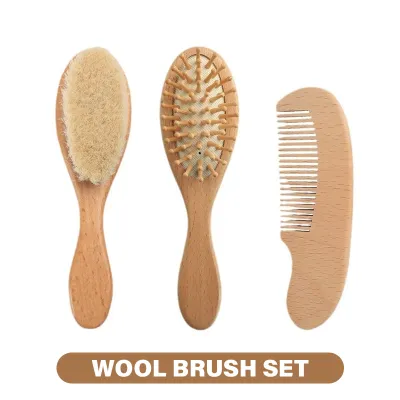
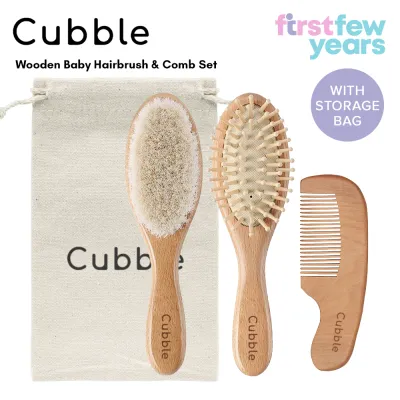
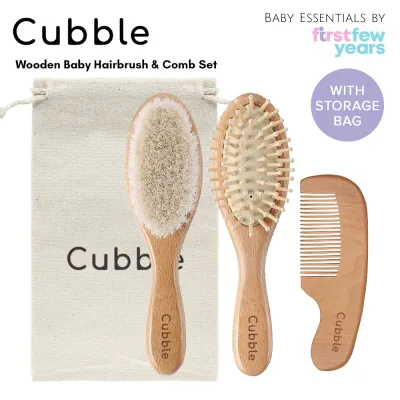
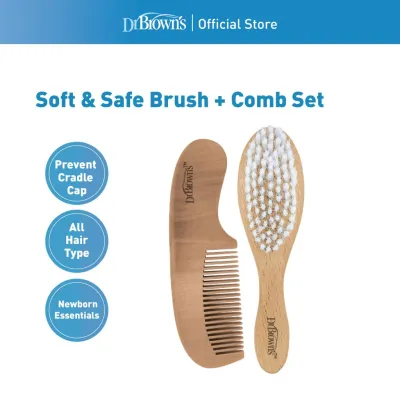
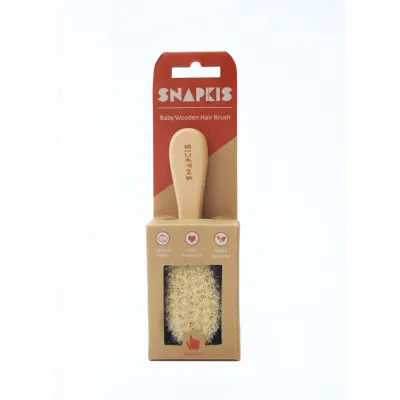
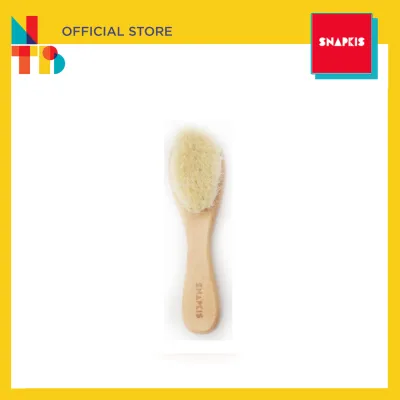
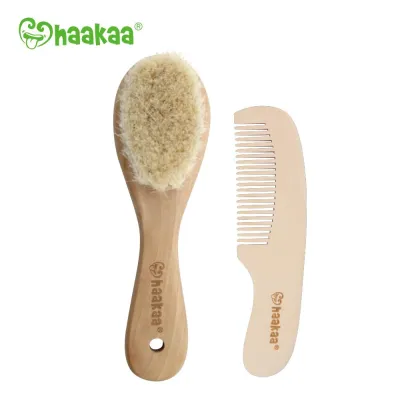
Prices are valid at publication and may change. Please refer to the product page for the latest price.
At this early developmental stage, grooming is not about styling or creating perfect hairstyles. Instead, it serves as a form of gentle sensory stimulation and scalp massage. The light, rhythmic stroking of a soft-bristled brush stimulates blood flow to the hair follicles and can be deeply calming for a fussy infant. Because a baby’s soft spots, or fontanelles, are still closing, any tool used on their head must distribute pressure evenly and softly, ensuring that grooming remains a safe, therapeutic routine rather than a source of physical stress.
Key Features to Evaluate When Shopping
Selecting the perfect baby comb brush requires looking closely at the specific materials and manufacturing standards of each product. Parents should not rely solely on attractive packaging or product names; instead, it is essential to review the manufacturer’s specifications and labels to ensure the materials are safe for direct skin contact.

Bristle and Teeth Material The materials used in baby brushes and combs directly affect how gentle they are on your baby’s scalp. Natural bristles, particularly those made from soft goat hair, are highly recommended for newborns because they are exceptionally soft, naturally anti-static, and gentle on fine hair. Synthetic bristles, such as those made from nylon, can also be suitable if they are specifically engineered for infants, though they tend to be slightly firmer and may generate more static electricity than natural fibers. For combs, food-grade or medical-grade silicone is an excellent modern option. Silicone is flexible, hypoallergenic, and highly resistant to water and mold, making it ideal for wet use.
Softness and Flexibility Before purchasing any grooming tool, parents should physically test the softness of the bristles and the flexibility of the comb teeth whenever possible. If shopping online, look for detailed user feedback regarding bristle stiffness. The bristles of a newborn brush should bend easily under the lightest pressure, feeling like a soft cloud against your skin. For combs, the teeth must have a noticeable give; rigid plastic teeth can scrape the delicate scalp, whereas flexible silicone or rounded wooden teeth will glide smoothly over the contours of the head without digging in.
Handle Design and Grip The ergonomics of the handle are often overlooked but are crucial for safe grooming. A baby’s head is small, and infants rarely sit perfectly still. Parents need a tool with an ergonomic, non-slip handle that fits comfortably in the palm of the hand. This is particularly important during bath time when hands are wet and soapy. Handles made from natural, polished wood or those featuring textured silicone grips provide the stability needed to maintain a secure, gentle hold, preventing accidental slips that could startle or bump the baby.
Safety and Construction Checks A thorough visual and physical inspection of any baby grooming tool is necessary to prevent safety hazards. Look for seamless construction where the handle meets the bristle base; any rough seams or sharp plastic edges can scratch the baby’s skin or the parent’s hands. Check how securely the bristles are anchored into the brush head. Loose bristles can easily shed, posing a serious choking or inhalation hazard if they fall near the baby’s face. Additionally, always verify that the product is labeled as BPA-free, phthalate-free, and lead-free, ensuring that no harmful chemicals can leach onto your baby’s skin.
Baby Brush vs. Baby Comb: Understanding the Differences
While often sold together in grooming kits, baby brushes and baby combs serve distinct purposes. Understanding when and how to use each tool ensures that you address your baby’s changing hair texture and scalp needs effectively.
| Tool Type | Best Used For | Key Benefit | Limitations |
|---|---|---|---|
| Soft Baby Brush | Daily grooming, sensory massage, distributing natural oils, and smoothing fine hair. | Extremely gentle; safe for use over fontanelles; highly soothing for newborns. | Cannot detangle thick or curly hair; less effective at lifting stubborn cradle cap scales. |
| Gentle Baby Comb | Detangling thicker hair, parting hair, and lifting loosened cradle cap flakes. | Precise grooming; effective at managing longer or curly hair strands. | Requires more care to avoid scratching; not suitable for highly sensitive, bare scalps without hair. |
When to Choose a Brush A soft-bristled brush is the ideal primary tool for the first few months of life, especially for babies with very fine, short hair or those who are temporarily bald. The primary function of a soft brush is to distribute the scalp’s natural oils evenly along the hair shafts, preventing localized dryness. It also acts as a soothing massage tool that can help calm a baby before sleep. Because the bristles are so soft, a brush can be safely used over the baby’s fontanelles without risk of injury, provided you apply almost no downward pressure.
When to Choose a Comb As your baby grows, their hair may become thicker, longer, or naturally curly. In these scenarios, a soft brush will merely slide over the surface of the hair without actually grooming it, making a wide-tooth comb necessary. A comb is also the tool of choice for targeted scalp care, such as gently lifting cradle cap scales after they have been softened with a pediatrician-approved baby oil or moisturizer. The defined teeth of a comb allow you to work in small, controlled sections to manage tangles or style longer hair.
The Case for Grooming Sets Purchasing a complete grooming set that includes both a soft brush and a flexible comb is highly practical for most families. A set ensures that you have the appropriate tool on hand as your baby transitions from the fine lanugo of the newborn stage to the thicker hair of infancy. It also allows you to combine the benefits of both tools: you can use the comb to gently detangle or address cradle cap, followed by the soft brush to smooth the hair and soothe the scalp.
Recommended Types of Baby Combs and Brushes
When exploring the market, parents will encounter several distinct styles of grooming tools. Understanding the specific advantages, limitations, and verification steps for each type will help you make an informed decision.
Soft Natural Bristle Brushes
Natural bristle brushes, typically crafted with goat hair and a wooden handle, are widely considered the gold standard for newborn hair care. The natural fibers are incredibly soft, mimicking the gentle touch of a finger, and they carry a natural charge that minimizes static electricity, keeping fine baby hair smooth and flat rather than frizzy. These brushes are highly effective at stimulating the scalp gently, promoting healthy circulation without risk of irritation.
However, natural wooden and goat-hair brushes require careful maintenance. Because they are made of organic materials, they cannot be soaked in water or exposed to harsh chemical sanitizers without damaging the wood or causing the bristles to degrade. They also dry slowly, meaning moisture can easily become trapped at the base of the bristles, potentially leading to mold or bacterial growth if not dried in a well-ventilated area. When purchasing, always check the product packaging or manufacturer instructions to verify that the bristles are securely anchored with non-toxic glue and that the wood is sealed with a food-safe, non-toxic finish.
Silicone Massage Combs
Silicone massage combs and brushes have grown significantly in popularity due to their hygiene benefits and versatility. Made from food-grade or medical-grade silicone, these tools are entirely waterproof, making them perfect for use during bath time. The soft, flexible silicone teeth provide a gentle massage that babies often find highly relaxing, and they are excellent for lathering baby shampoo during a bath.
One of the primary uses of a silicone comb is managing cradle cap. The flexible, blunt teeth can gently loosen softened flakes of skin without scratching the scalp. However, parents must exercise caution and avoid using excessive pressure. If you notice the baby’s scalp becoming red, irritated, or if there are any signs of weeping, bleeding, or infection, stop using the tool immediately and consult a pediatrician or qualified healthcare professional. Before buying, verify that the silicone is certified as food-grade or medical-grade and is free from BPA and phthalates.
Wide-Tooth and Rounded-Tip Combs
For babies born with a full head of hair, or those whose hair is starting to thicken and curl, a wide-tooth comb is an essential grooming accessory. The wide spacing between the teeth is critical because it allows the comb to glide through tangles without pulling on the hair follicles or causing pain. Fine-tooth combs should be strictly avoided for infants, as they easily snag on small knots and can scrape the scalp.
When evaluating a baby comb, the tips of the teeth are the most important feature to inspect. They must be perfectly rounded, smooth, and polished, resembling tiny spheres. Any sharpness or rough plastic mold lines on the tips can scratch the delicate scalp. If you prefer wooden combs, inspect the teeth closely to ensure there are absolutely no splinters or rough patches that could catch on hair or skin. Always check the manufacturer’s age recommendations on the packaging to ensure the comb is sized appropriately for your baby’s developmental stage.
Safe Usage and Maintenance Guidelines
Having the right tools is only half the battle; using and maintaining them correctly is vital to protect your baby’s health and ensure the longevity of the products.
Gentle Brushing Techniques When grooming your newborn, always ensure they are in a calm, supported position. Support the baby’s head securely with one hand while using the other to guide the brush or comb. Always brush or comb in the natural direction of hair growth, using incredibly light, sweeping strokes. If you encounter a tangle, do not pull or tug on it. Instead, hold the hair strand near the root with your fingers to absorb the tension, and gently work the tangle out from the ends upward using a wide-tooth comb.
Managing Cradle Cap Safely If your baby has cradle cap, follow a gentle, non-invasive approach to clear the flakes. Start by applying a small amount of pediatrician-approved baby oil or natural moisturizer to the affected areas of the scalp to soften the crusts. Let it sit for a few minutes according to the product’s care instructions. Next, use a soft-bristled brush or a flexible silicone comb to gently massage the scalp in circular motions, which will naturally lift the loosened flakes. Finally, wash the baby’s hair with a mild baby shampoo to rinse away the oil and flakes. Never use your fingernails, a hard adult comb, or any rigid tool to pick or scratch the scales off the scalp, as this can break the skin and introduce harmful bacteria, leading to infection.
Cleaning and Sanitizing To prevent the buildup of oils, dead skin cells, and bacteria, baby grooming tools must be cleaned regularly. A general guideline is to wash the tools once a week, or immediately after managing a cradle cap treatment. Wash silicone and plastic tools with warm water and a small drop of mild baby soap, rinsing them thoroughly. For natural wooden and goat-hair brushes, avoid submerging them in water. Instead, gently swirl the bristles in warm, soapy water, rinse them quickly under running water, squeeze out the excess moisture with a clean towel, and lay them flat with the bristles facing down to dry. In warm, humid climates like Singapore, ensuring wooden and natural-bristle tools dry completely is especially critical to prevent mold and mildew growth.
Inspection and Replacement Baby grooming tools do not last forever, and worn-out items can become safety hazards. Regularly inspect your baby’s brush and comb for any signs of wear. Check for loose or shedding bristles, cracks in wooden or plastic handles, or any rough, worn-down tips on comb teeth. If you notice any damage, discard the tool immediately. A cracked handle can harbor bacteria or pinch skin, while loose bristles pose a serious choking hazard to a young infant.
Frequently Asked Questions (FAQ)
When should I start brushing my newborn's hair?
You can begin gently brushing your baby’s hair shortly after birth, even if they only have a small amount of fine hair or appear bald. At this early stage, daily brushing is not necessary for styling, but using an ultra-soft natural bristle brush can help stimulate blood circulation to the scalp, distribute natural oils, and promote relaxation. Always ensure the baby is comfortable, and stop if they show signs of distress or if their scalp appears red or irritated.
Can I use a regular soft toothbrush for my baby's cradle cap?
While some parents use a new, extra-soft adult toothbrush as a home remedy for cradle cap, it is generally safer and more effective to use purpose-built baby grooming tools. Toothbrush bristles, even those labeled as extra-soft, are designed for teeth and can still be too rigid and abrasive for an infant’s delicate scalp. Furthermore, toothbrush handles are not ergonomically designed for grooming a baby’s head, increasing the risk of accidental slips. A flexible silicone baby massage comb or a soft goat-hair brush is specifically engineered to conform to a baby’s head shape safely.
How often should I wash my baby's comb and brush?
As a general rule, you should wash your baby’s comb and brush once a week to maintain proper hygiene. However, if you are using the tools alongside baby oil or ointments to treat cradle cap, you should wash them immediately after each use to prevent oil buildup and bacterial growth. Waterproof silicone and plastic tools can be washed frequently with warm, soapy water, while wooden and natural bristle brushes require careful hand-washing and thorough air-drying, bristle-side down, to prevent mold.
Community discussion
Share your experience or ask a question. Comments are reviewed before publication.