
When selecting a cotton baby grooming kit for a newborn, parents should prioritize material purity, safety-engineered tools, and high-quality cotton consumables that protect delicate infant skin. A newborn’s skin is up to 30% thinner than adult skin, making it highly susceptible to micro-abrasions, chemical irritation, and friction. A well-designed kit balances single-use cotton items with durable, ergonomically designed tools to manage daily hygiene tasks safely.
Choosing the right materials and tool shapes can prevent accidental injuries and skin flare-ups during the critical first months of life. By understanding what to look for in terms of material composition, safety features, and proper maintenance, you can ensure a safe and comfortable grooming routine for your baby.
Why Cotton is the Preferred Material for Newborn Skin
A newborn’s skin barrier is highly delicate and still developing its natural defenses. At birth, the skin’s outer layer, the stratum corneum, is significantly thinner than that of an adult, and the protective acid mantle takes several weeks to fully form. Because of this structural vulnerability, any material that comes into contact with your baby’s skin must be exceptionally soft and free from abrasive textures. Pure cotton is widely recognized by pediatricians and dermatologists as the gold standard for infant care due to its natural physical properties.
Products mentioned in this guide
![[BUNDLE DEAL] BZU BZU Baby Oral Care Set (Oral Cleaner + Oral Dry Wipes + Cotton Buds)](https://img.lazcdn.com/g/p/11b6d708ea598371cd7ac3f1eacea38b.jpg_400x400q80.jpg_.webp)
Prices are valid at publication and may change. Please refer to the product page for the latest price.
The natural breathability of pure cotton allows air to circulate freely, which is crucial for preventing heat rash and irritation. This is especially relevant in warm, tropical environments like Singapore, where high humidity and sweat can easily become trapped in delicate skin folds. Cotton fibers are naturally hollow, allowing them to absorb moisture and regulate temperature far more effectively than synthetic alternatives.
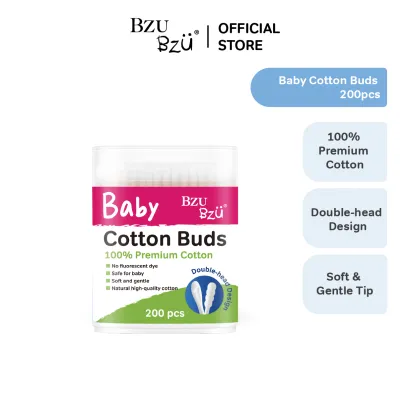
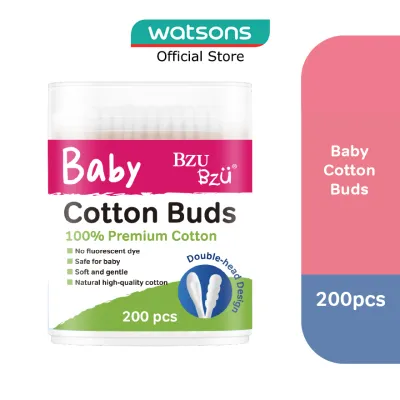
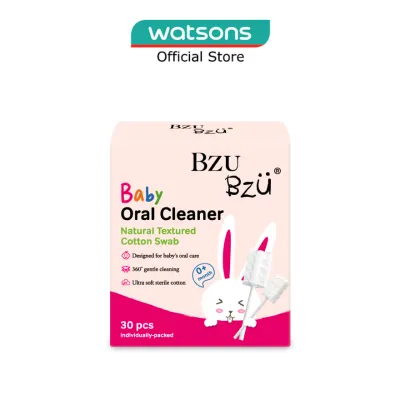
When researching baby care options, parents often encounter specialized product lines such as bzu bzu cotton, which are designed specifically to cater to highly sensitive infant skin. These specialized cotton products prioritize ultra-soft, chemical-free textures that minimize the risk of friction-induced irritation. Using high-quality cotton helps maintain the skin’s natural moisture barrier while ensuring gentle daily cleansing.
In contrast, synthetic fibers like polyester or rayon blends often feature rougher microscopic structures that can cause friction-induced micro-abrasions. Synthetic materials also tend to trap heat and moisture against the skin, creating an environment where yeast and bacteria can thrive. Choosing 100% pure cotton ensures that you are not introducing unnecessary synthetic binders, dyes, or chemical residues to your baby’s skin.
Furthermore, pure cotton is naturally hypoallergenic because it does not contain the complex chemical structures found in synthetic polymers. This reduces the likelihood of contact dermatitis, which can manifest as red, itchy patches on a newborn’s highly reactive skin. Investing in pure cotton consumables is a proactive step in protecting your baby’s skin barrier from external irritants.
Essential Components Every Newborn Grooming Kit Should Include
A comprehensive grooming kit must balance high-quality, single-use cotton consumables with durable, reusable tools designed specifically for infant anatomy. This combination ensures that parents can address diverse daily hygiene needs—from cleaning delicate eye areas to trimming tiny fingernails—safely and efficiently.

Cotton Swabs, Balls, and Pads
Cotton consumables are the workhorses of daily newborn hygiene, serving multiple delicate cleaning purposes. Large cotton pads are ideal for wiping away eye discharge, which should always be done by wiping gently from the inner corner outward using a fresh pad for each eye to prevent cross-contamination. Soft cotton balls are perfect for cleaning the delicate skin folds around your baby’s neck, thighs, and diaper area, where moisture and formula residue can accumulate.
When choosing cotton pads and balls, look for low-linting or lint-free options. Standard cotton products can shed tiny fibers that may stick to your baby’s eyelashes, enter their eyes, or cling to dry skin, causing mild irritation. High-quality cotton pads are typically water-entangled, a process that bonds the fibers tightly together to prevent linting while maintaining maximum softness.
Baby-specific cotton swabs are engineered with safety features that set them apart from standard adult versions. These swabs typically feature a bulbous safety tip that physically prevents the swab from entering too deeply into the ear canal or nasal passages. Some designs also feature spiral or spoon-shaped ends to gently grab debris without pushing it further inside.
The shaft of the baby swab is another critical safety consideration. Look for swabs with flexible paper sticks rather than rigid plastic ones. Paper sticks are sturdy enough for controlled grooming but will bend easily under sudden pressure, minimizing the risk of internal injury if your baby makes an unexpected movement.
Any cotton items used near the healing umbilical cord stump must strictly align with the instructions provided by your pediatrician or midwife. While cotton is excellent for gentle cleaning, the specific care method for the cord stump varies, and maintaining sterility is paramount to prevent infection.
Nail Care and Scalp Tools
Newborn fingernails grow incredibly fast and can be surprisingly sharp, often leading to accidental facial scratches if not kept trimmed. A reliable grooming kit must include specialized nail care tools, such as baby nail scissors with rounded safety tips, miniature nail clippers with an ergonomic base, or a gentle electric nail file with age-appropriate filing pads.
Trimming a newborn’s nails can be a nerve-wracking task for new parents. Baby nail scissors with rounded tips provide excellent control and allow you to see exactly where you are cutting, reducing the risk of nicking the delicate skin of the nail bed. Electric nail files offer a non-invasive alternative, gently buffing down the nail edge using soft, rotating sandpaper pads designed for different age stages.
Scalp care requires a soft-bristle hairbrush and a fine-toothed cradle cap comb. While the brush handle and comb are typically made of durable plastic or wood, the bristles must be exceptionally soft—often made of natural wool or ultra-soft synthetic fibers—to protect the baby’s delicate scalp and soft spots (fontanelles).
Regular, gentle brushing helps stimulate the scalp and manage cradle cap by loosening dry skin flakes without causing irritation. The tools should be sized appropriately for an infant’s head, ensuring that you can groom your baby comfortably without applying unnecessary pressure.
For babies with cradle cap, a soft-bristle brush can be used in combination with a pediatrician-approved baby oil. Gently brushing the scalp in a circular motion before bath time helps lift the scales, which can then be washed away with a mild baby shampoo and combed out using the fine-toothed cradle cap comb.
Nasal Aspirators and Thermometers
Newborns are obligatory nasal breathers, meaning any nasal congestion can significantly disrupt their feeding, sleeping, and overall comfort. A manual or bulb-style nasal aspirator is an essential tool for clearing excess mucus from tiny nasal passages. Some advanced kits feature aspirators with replaceable cotton-tipped nozzles or inline cotton filters that trap moisture and particles, ensuring hygienic suction.
When evaluating these health tools, ensure that the thermometer probe is flexible and sized appropriately for a newborn to prevent discomfort or injury. Nasal aspirator tips should be made of soft, medical-grade silicone that conforms gently to your baby’s nostrils without irritating the delicate mucosal lining.
A reliable digital thermometer is another non-negotiable health tool that should be included in any premium grooming kit. Rectal or underarm digital thermometers designed specifically for infants provide fast, accurate temperature readings when you suspect your baby is unwell.
Using a digital thermometer with a rapid-read feature (under 10 seconds) is highly beneficial, as newborns can become fussy during temperature checks. Ensure the thermometer has a clear, backlit digital display and a fever alert system to help you interpret the reading quickly and accurately in low-light conditions.
Key Quality and Safety Features to Check Before Buying
To select a safe and reliable grooming kit, parents must look beyond attractive packaging and evaluate the specific quality standards of both the cotton consumables and the durable tools.
- Material Purity: Check product labels carefully to ensure all cotton consumables are made of 100% pure cotton rather than synthetic blends. Look for processing indicators such as "unbleached" or "chlorine-free," which indicate that the cotton was processed without harsh whitening chemicals. Avoid cotton products that contain optical brighteners or fluorescent whitening agents, as these chemical residues can transfer to your baby's skin and cause allergic contact dermatitis.
- Hygiene and Packaging: Because newborn immune systems are still developing, the packaging of cotton items is critical. Look for kits where cotton swabs, balls, and pads are housed in resealable, dust-proof containers or individually wrapped sterile packaging. This is especially important for items that may come into contact with broken skin, such as near the umbilical stump or minor scratches.
- Ergonomic and Safe Design: Reusable tools must be designed for parent control and baby safety. Look for nail clippers and scissors with oversized, non-slip handles that allow a secure grip, even with wet hands. Metal parts should be made of high-grade stainless steel to prevent rusting and facilitate easy sanitization. Ensure that all plastic components are free from Bisphenol A (BPA), phthalates, and lead.
- Ventilated Storage Cases: The grooming kit's outer case should be durable and easy to clean. A case with dedicated slots for each tool prevents items from rolling around and becoming damaged. Ideally, look for a case that incorporates ventilation holes or is made of breathable materials, which helps prevent residual moisture from being trapped inside after tools are cleaned.
How to Verify Material Claims and Avoid Marketing Traps
The baby care market is flooded with marketing terms that can confuse parents. Words like “organic,” “hypoallergenic,” “medical-grade,” and “dermatologist-tested” are frequently used but are not always backed by rigorous evidence. To make an informed decision, parents must learn to verify these claims.
Start by reading the ingredient and material composition list on the back of the packaging. If a brand claims its product is “organic,” look for recognized certification labels on the packaging. Without these third-party verifications, “organic” may simply be an unverified marketing claim.
When researching popular options like bzu bzu cotton or similar branded kits, do not assume that every single item in the box is made of pure cotton or is suitable for every newborn. Cross-reference the detailed material list for each tool and consumable in the kit. For example, check whether the cotton pads are 100% pure cotton or if they contain polyester binders to hold the layers together.
Understand that “hypoallergenic” is not a standardized legal term; it simply means the product is less likely to cause allergic reactions. Parents should always perform a gentle skin-patch check or consult their pediatrician if their newborn has extremely sensitive skin or pre-existing skin conditions.
Be cautious of claims like “antibacterial” on cotton consumables. Some products are treated with chemical antibacterial agents to prevent mold growth during transit. These chemical additives can easily irritate a newborn’s sensitive skin. It is generally safer to choose pure, untreated cotton and focus on proper storage to prevent mold naturally.
Additionally, verify the manufacturer’s reputation and look for contact information on the packaging. Reputable brands provide clear customer service channels and detailed product information sheets online. If a grooming kit lacks clear labeling, manufacturer details, or material lists, it is best to avoid it in favor of a fully transparent brand.
Best Practices for Storing and Maintaining Your Grooming Tools
Proper post-purchase care ensures that your baby’s grooming kit remains hygienic and safe over time. This is particularly important in Singapore’s high-humidity climate, where excess moisture in the air can quickly compromise sterile items.
- Climate-Conscious Storage: High humidity levels can cause loose cotton balls, pads, and swabs to absorb ambient moisture from the air. This dampness creates an ideal breeding ground for mold, mildew, and bacteria. To prevent this, store all cotton consumables in airtight plastic containers or dry cabinets. Keep the grooming kit away from damp bathrooms; instead, store it in a cool, dry bedroom closet or drawer.
- Moisture Control Tips: To further combat humidity, consider placing a food-grade silica gel desiccant packet inside the grooming kit's storage case. Ensure that this packet is kept strictly out of reach of children. The desiccant will absorb any residual moisture, keeping your metal tools dry and preventing the cotton components from becoming damp and clumped.
- Sanitization Protocol: Reusable tools require regular cleaning to prevent the buildup of skin oils, hair, and bacteria. After each use, wipe nail clippers, scissors, and thermometer probes with a cotton pad soaked in 70% isopropyl rubbing alcohol. Allow them to air-dry completely before returning them to the storage case. Hairbrushes should be washed periodically with a mild baby shampoo, rinsed thoroughly, and dried with the bristles facing down to prevent water from trapping in the base.
- Discarding and Replacement: Establish a strict rule of discarding all single-use cotton items immediately after one use. Never attempt to reuse a cotton swab or pad, even if it appears clean, as this can introduce harmful bacteria to sensitive areas like the eyes or ears. Regularly inspect durable tools for signs of wear, such as dull clipper blades, loose hinge joints, or rust on metal components. If any tool shows signs of damage or contamination, stop using it immediately and replace it.
- Separation of Tools: Keep your baby's grooming kit completely separate from adult grooming tools. Adult skin harbors different bacteria and fungi that, while harmless to adults, can easily cause infections on a newborn's delicate skin. Storing the baby's kit in its own dedicated case helps prevent accidental cross-contamination.
Frequently Asked Questions (FAQ)
Proper tool usage is just as important as selecting the right kit to ensure your baby’s safety during daily grooming routines.
Can I use regular adult cotton swabs for my newborn?
No, regular adult cotton swabs are not safe for newborns. Adult swabs have narrower, longer tips and rigid shafts that can easily penetrate too deeply into a baby’s delicate ear canal or nasal passages, risking severe tissue damage or eardrum puncture. Newborn-safe cotton swabs are designed with a bulbous safety barrier that physically prevents the swab from entering too deeply, ensuring you only clean the outer, visible areas safely.
How often should I replace the cotton components in the grooming kit?
All cotton balls, pads, and swabs are strictly single-use consumables and must be discarded immediately after a single application. Reusing these items can transfer bacteria and cause skin or eye infections. The reusable tools in your kit, such as clippers and brushes, do not have a fixed expiration date but should be replaced immediately if you notice any rust, cracked plastic, loose parts, or shedding bristles.
Is it safe to use cotton balls for cleaning a newborn's umbilical cord stump?
While sterile cotton balls or swabs are frequently included in grooming kits and can be used for umbilical care, you must strictly follow the specific care instructions provided by your pediatrician or midwife. Some medical professionals recommend dry care (keeping the area clean and letting it dry naturally), while others may advise using specific antiseptic solutions. Never apply any liquids or rubbing alcohol to the cord stump unless explicitly instructed by a qualified healthcare professional.

Community discussion
Share your experience or ask a question. Comments are reviewed before publication.