
Selecting the right baby table protector involves balancing physical compatibility, material safety, and adhesive reliability. To protect a cruising toddler or an active baby from sharp furniture edges, you must evaluate the specific shape of your tables, choose a non-toxic material that can withstand teething, and select an adhesive that holds firmly without ruining your furniture’s finish. While these safety accessories significantly reduce the impact force of accidental bumps, they are designed to complement, rather than replace, active parental supervision.
By taking precise measurements and understanding the physical properties of different materials, you can create a much safer environment in your living space. This guide outlines the essential steps to evaluate, select, and install the ideal edge guards for your home.
Assess Your Furniture Edge Profiles and Dimensions
Before purchasing any edge guards, you must determine the exact physical dimensions and shapes of the furniture edges you plan to cover. Standard dining tables, low coffee tables, TV consoles, and study desks all feature distinct edge profiles that require specific types of protection. Using a flexible measuring tape, measure the total linear length of all exposed edges to calculate how many rolls or pre-cut strips you need to purchase, always adding a small margin for cutting errors.
Products mentioned in this guide
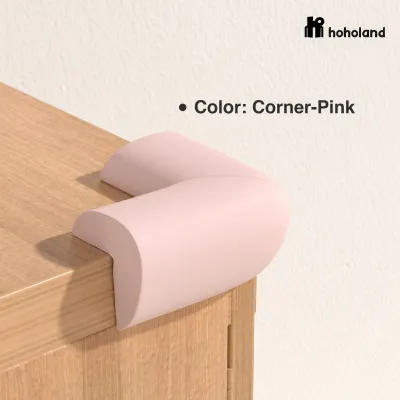
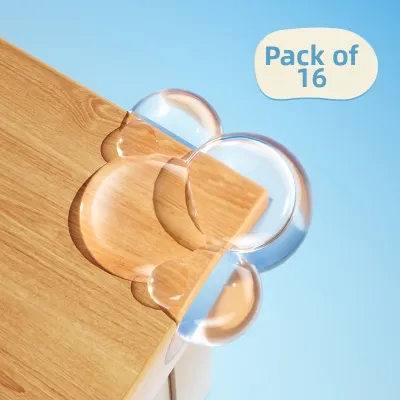
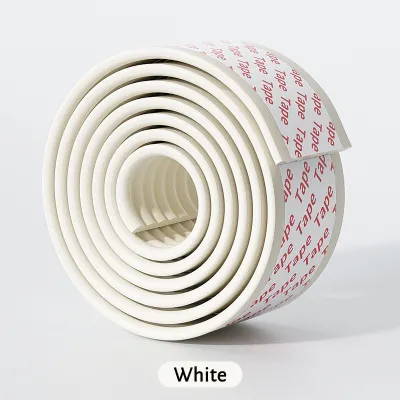
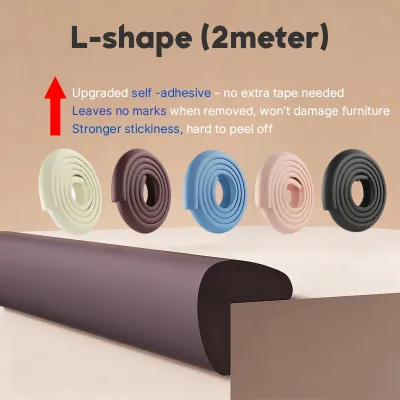
Prices are valid at publication and may change. Please refer to the product page for the latest price.
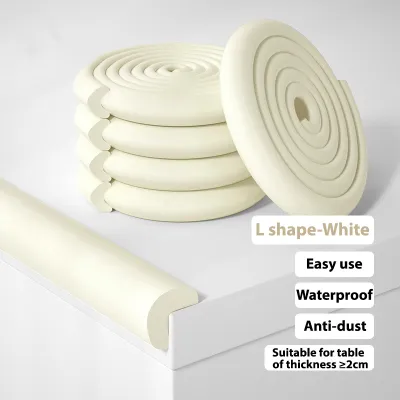
Different edge profiles demand matching protector shapes to prevent gaps. A classic sharp 90-degree corner requires an L-shaped profile guard that hugs both the top and side surfaces evenly. Rounded bullnose edges or bevelled borders may not accommodate rigid L-shaped guards, requiring highly flexible flat strips that can contour to curved surfaces. For thin glass tabletops, a U-shaped guard that wraps around the top, outer edge, and bottom surface is necessary to keep the protector from sliding off.
Guard thickness and width must also align with the primary impact zone. For low-profile coffee tables that sit at a toddler’s head height, a thicker, wider guard is advisable to distribute the force of any impact. Ensure the width of the adhesive backing matches the surface area of your table edge; a guard that is too wide for a narrow table edge will leave exposed adhesive that collects dust and peels away easily.
Evaluate Material Density and Shock Absorption
Baby table protectors are generally manufactured from three primary materials: nitrile butadiene rubber (NBR) foam, silicone, or polyvinyl chloride (PVC). Each material offers a different balance of cushioning, durability, and bite resistance. Evaluating these properties helps you choose the right option for your child’s current developmental stage.

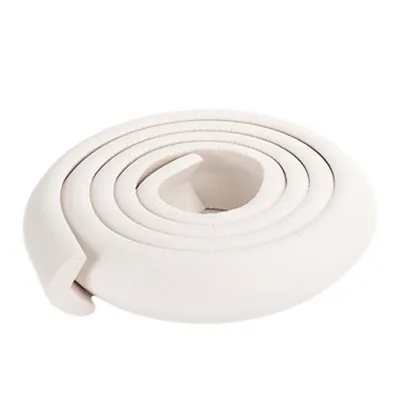
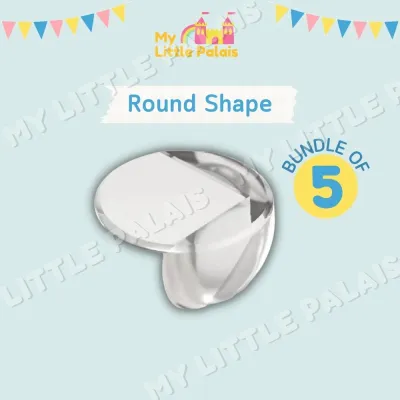
NBR foam is highly popular for its exceptional thickness and soft, spongy texture, which provides excellent impact absorption. However, because it is soft, NBR foam can be easily damaged by teething babies who may attempt to bite off small pieces, presenting a potential choking hazard. If your baby is actively teething, silicone or PVC guards are often more appropriate choices. Silicone is highly durable, naturally bite-resistant, and easy to wipe clean, though it offers a firmer cushion than foam. PVC is typically clear and low-profile, making it highly discreet on modern furniture, but it provides less impact absorption than thick foam.
Because babies frequently put their mouths on accessible surfaces, you must verify that the materials used are physically safe. Inspect the product specifications to ensure the material is structurally sound and does not tear easily under moderate tension. Always check the manufacturer’s product documentation to confirm the materials are free from harmful plasticizers, heavy metals, and chemical stabilizers.
Match Adhesive Strength to Your Furniture Finish
The effectiveness of a baby table protector relies heavily on the quality of its adhesive. The mounting tape must be strong enough to resist the constant pulling of a curious toddler, yet gentle enough to be removed eventually without stripping away the underlying furniture finish. Different furniture surfaces react differently to various adhesive types.
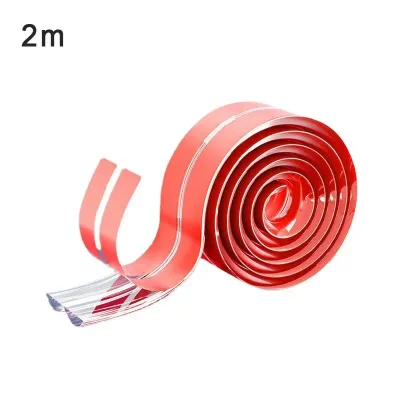
Solid wood and wood veneers are particularly vulnerable to damage. Strong acrylic adhesives can bond so intensely to varnished, painted, or oiled wood surfaces that removing them can pull up the finish or tear the veneer. For these delicate surfaces, look for pressure-sensitive adhesives designed for clean removal, or plan to use mild heat during the eventual removal process. Conversely, non-porous surfaces like glass, metal, and high-gloss laminates require high-tack adhesives to prevent the guard from sliding or shifting over time.
To prevent costly damage to your home decor, always perform a discreet test patch before installing the guards across your entire table. Apply a small, one-inch piece of the adhesive tape to an inconspicuous area of the furniture, such as the underside of the tabletop or the back of a table leg. Leave it in place for at least 48 hours, then carefully remove it to observe if it leaves a stubborn residue or lifts the finish.
Verify Safety Labels and Material Declarations
When shopping for baby safety products, it is easy to be swayed by broad marketing claims. Phrases like “non-toxic,” “eco-friendly,” or “child-safe” are frequently used but lack standardized definitions. To ensure your child’s safety, you should look for verifiable product declarations and independent testing marks on the packaging.
Check the product labeling for explicit declarations such as “BPA-free,” “phthalate-free,” and “lead-free.” Phthalates are plasticizers sometimes used to make plastics flexible, and their absence is crucial for items your child might chew on. Rather than relying solely on the front-of-box marketing, look for references to recognized international safety standards, such as European EN 71 standards or ASTM international standards, which govern the mechanical and chemical safety of children’s products.
Verify these claims by checking if the manufacturer provides accessible testing reports or certificates from independent, third-party testing laboratories. Reputable brands often publish these compliance certificates on their official websites or make them available upon request. If a manufacturer cannot provide documentation to back up its safety claims, it is best to consider alternative products.
Plan for Secure Installation and Ongoing Inspection
Proper installation is key to ensuring your table protectors stay in place. Before applying any adhesive, clean the furniture surface thoroughly to remove all dust, grease, and polish residue. Use a mild soapy water solution or rubbing alcohol, provided it is safe for your specific furniture finish, and allow the surface to dry completely. Any moisture or oil left on the table will severely compromise the adhesive bond.
Once the surface is dry, apply the adhesive tape to the guard first, pressing down firmly along the entire length to eliminate air bubbles. Align the guard carefully with the table edge and press it onto the furniture, applying steady pressure for at least 30 seconds. For the best results, allow the adhesive to cure undisturbed for 24 hours before letting your child near the table or testing its strength.
| Step | Action | Key Consideration |
|---|---|---|
| 1. Clean | Wipe surface with mild soap or alcohol | Ensure surface is completely dry and oil-free |
| 2. Apply Tape | Press adhesive firmly onto the guard | Eliminate all air bubbles during application |
| 3. Mount | Press guard onto the furniture edge | Hold steady pressure for at least 30 seconds |
| 4. Cure | Leave undisturbed for 24 hours | Avoid pulling or testing the bond prematurely |
Regular maintenance and inspection are necessary to keep the environment safe. Inspect the edge guards weekly for signs of wear, such as peeling corners, compressed foam that no longer rebounds, or deep bite marks. If a guard becomes loose or damaged, remove it immediately and replace the adhesive or the entire guard to prevent it from becoming a choking hazard. When it is time to remove the guards permanently, use a hair dryer on a low, warm setting to soften the adhesive, then slowly peel it back at a shallow angle to protect your furniture.
Frequently Asked Questions (FAQ)
Can I use edge guards on glass tables?
Yes, you can use edge guards on glass tables, but they require specific material and adhesive considerations. Clear silicone or transparent PVC guards are highly recommended for glass surfaces because they maintain visibility and do not disrupt the clean aesthetic of the table. Ensure the adhesive tape included is specifically formulated for non-porous surfaces like glass to prevent the guard from slipping. Additionally, choose lightweight, low-profile guards to avoid putting unnecessary physical stress on the delicate edges of the glass.
How long should I keep edge guards on my furniture?
Edge guards are typically kept on furniture until a child reaches approximately 2 to 3 years of age. By this stage, most toddlers have developed steady walking skills, better spatial awareness, and a basic understanding of physical hazards. However, you should base your decision on your child’s individual developmental progress rather than age alone. Monitor the physical condition of the guards regularly; if they begin to degrade, collect dirt underneath, or lose their adhesion, they should be replaced or removed to maintain a hygienic and safe home environment.

Community discussion
Share your experience or ask a question. Comments are reviewed before publication.