
Finding trusted table edge protector brands in Singapore requires looking beyond marketing claims to verify material safety certifications, adhesive durability under local high-humidity conditions, and physical impact absorption. While online marketplaces offer hundreds of unbranded options, parents can identify reliable brands by checking for transparent manufacturing standards, non-toxic material labels, and consistent user feedback regarding long-term adhesion.
As your baby transitions from crawling to pulling themselves up and taking their first steps, your home environment suddenly presents new hazards. Sharp corners on coffee tables, dining tables, TV consoles, and low shelves become potential points of impact. In Singapore’s compact living spaces, where multi-functional and space-saving furniture is common, creating a safe zone for your child is a top priority for every parent.
However, navigating the sheer volume of baby-proofing products online can be overwhelming. Many products look identical in photos but perform very differently in reality. This guide provides a practical, step-by-step framework to help you evaluate brand trustworthiness, compare different materials like foam, silicone, and clear PVC, and verify safety claims so you can make an informed purchase that keeps your child safe.
Products mentioned in this guide
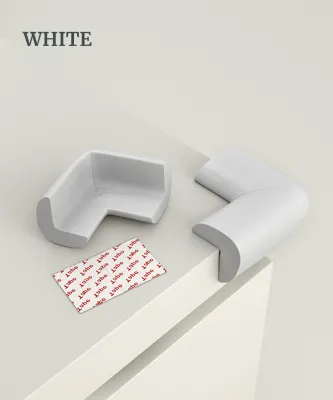
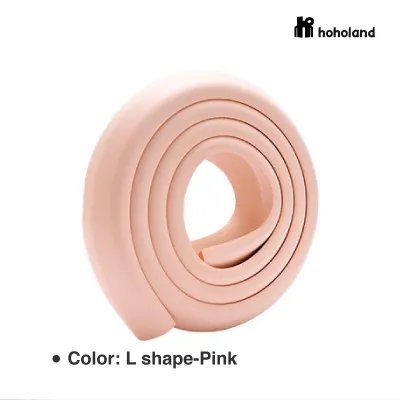
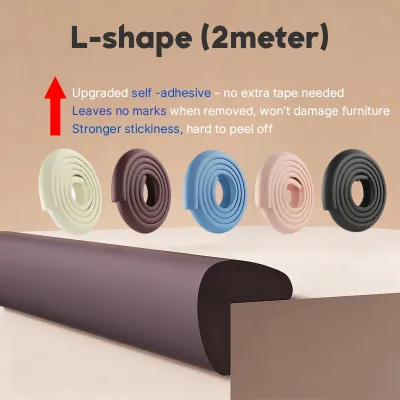
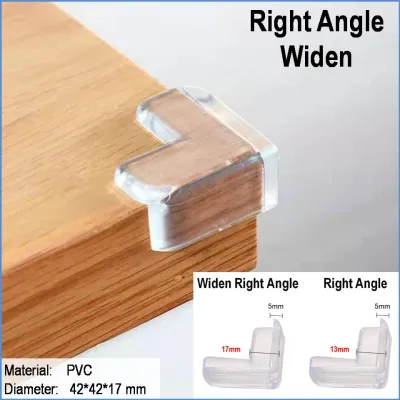
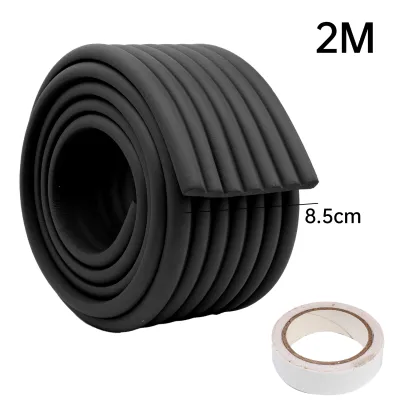
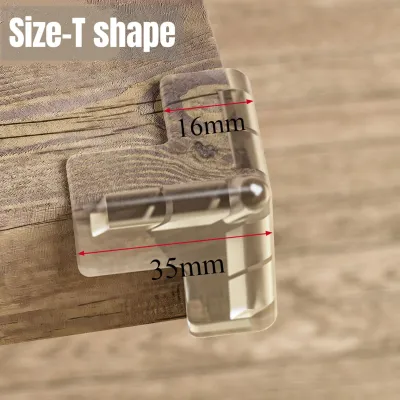
![[SG] Transparent Corner Protector | Corner Guard Baby Safety Corner Protector for Table & Furniture Corner Edge Bumper](https://img.lazcdn.com/g/p/2c50bffc2ff9a577f539ca8b522b78f3.jpg_400x400q80.jpg_.webp)
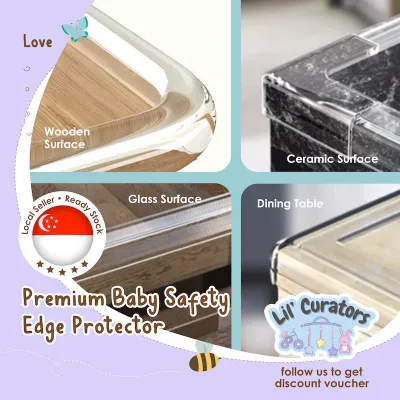
Prices are valid at publication and may change. Please refer to the product page for the latest price.
Core Criteria for Evaluating Baby Safety Brands
To separate reliable baby safety brands from low-quality alternatives, you must establish a clear set of baseline standards. The first and most critical criterion is material safety. Because infants and toddlers explore their world through touch and taste, they are highly likely to touch, pull, or even chew on edge protectors. You must verify that the brand uses materials certified as non-toxic, BPA-free, lead-free, and phthalate-free. Trusted brands do not just print these claims on the box; they provide accessible compliance documentation matching international standards like European EN 71 or REACH regulations, which you should verify before buying. Additionally, always verify the recommended age or development stage, method of use, and manufacturer warnings directly from the specific product documentation, as suitability should never be inferred from a product name alone.
The second criterion is adhesive quality and compatibility. A protector is only effective if it stays firmly attached to the furniture. In Singapore’s warm and highly humid climate, standard double-sided tape can quickly degrade, liquefy, or lose its grip, causing the protector to peel off and become a choking hazard. Reliable brands often partner with established adhesive manufacturers, such as 3M, or develop proprietary acrylic adhesives designed to withstand humidity while allowing clean, residue-free removal when the product is no longer needed.
Third, look closely at physical impact absorption rather than relying on vague marketing terms like “ultra-soft” or “maximum protection.” True protection depends on the density and thickness of the material. High-density materials absorb and distribute the force of an impact much better than soft, airy foams that easily bottom out under pressure. Trusted brands provide specific physical dimensions and density ratings to help you assess the actual cushioning capability of their products. While budget options may cost only a few dollars, investing S$15 to S$30 in certified, high-density protectors from reputable brands can save you from frequent replacements.
Finally, evaluate the brand’s overall transparency and customer support. A reputable manufacturer provides comprehensive product documentation, including clear, step-by-step installation instructions, age-appropriate usage guidelines, and explicit safety warnings. They will also clearly state the limitations of their products, such as which furniture finishes are incompatible with their adhesives. Avoid brands that make absolute safety guarantees, as no product can replace active adult supervision.
Comparing Edge Protector Materials and Designs
Selecting the right edge protector involves balancing safety, durability, and home aesthetics. The three primary materials available on the market are foam (usually Nitrile Butadiene Rubber or NBR, and Ethylene-Vinyl Acetate or EVA), transparent PVC, and silicone. Each material has distinct physical properties that make it suitable for specific furniture types and household needs.

Foam protectors, particularly those made of high-density NBR, offer the highest level of impact cushioning. Their thick, soft profile makes them excellent for sharp wooden dining tables and low coffee tables where high-impact collisions are most likely to occur. The bright or contrasting colors of foam guards can also serve as a helpful visual boundary for toddlers. However, foam is highly susceptible to bite marks and tearing if a teething baby decides to chew on it. Additionally, its porous texture can absorb oils, dust, and spilled liquids, requiring regular cleaning to prevent bacterial growth.
Transparent PVC protectors are highly favored by parents who want to maintain the natural aesthetic of their furniture. These clear guards are virtually invisible, making them ideal for modern glass, marble, or high-end wooden tables. PVC is highly durable, water-resistant, and completely impervious to teething bites. The trade-off is that PVC is significantly firmer than foam, meaning it offers less impact absorption during a hard fall. Some lower-quality clear PVC materials may also yellow over time when exposed to UV light near windows.
Silicone protectors offer an excellent middle ground, combining the flexibility and softness of foam with the durability and easy-to-clean nature of PVC. Food-grade silicone is naturally hypoallergenic, highly resistant to tearing, and does not degrade easily under Singapore’s humid conditions. It is smooth, non-porous, and can be wiped clean in seconds. While silicone protectors are often more expensive than foam or PVC options, their long-term durability and safety profile make them a highly practical investment for busy households.
Beyond materials, you must choose between pre-cut corner pieces and continuous rolls. Pre-cut corner guards are designed specifically for standard 90-degree table corners, providing a neat, seamless fit without requiring you to measure and cut complex angles. Continuous rolls, on the other hand, offer maximum versatility. They allow you to custom-cut long strips to cover the entire perimeter of a dining table, the long edges of a TV console, or even irregular, curved furniture shapes.
Navigating Online Reviews and Safety Certifications
When browsing local e-commerce platforms and online marketplaces, distinguishing genuine parent recommendations from manufactured hype requires a critical eye. Many low-cost, unbranded edge protectors feature thousands of five-star ratings that are often generic, repetitive, or focused entirely on fast delivery times rather than product performance. To find authentic feedback, filter reviews to show only verified purchases and look for detailed accounts that describe how the product performed after several months of daily use.
Pay close attention to critical reviews, specifically those rated two or three stars. These reviews often highlight real-world failure points that marketing descriptions omit. Look for recurring complaints about adhesive failure, chemical odors, or materials that peeled off easily within a few weeks. If multiple parents report that their children easily pulled the protector off or bit chunks out of the foam, treat this as a major red flag for choking hazards.
Do not accept safety certifications at face value. If a brand claims its products are certified non-toxic or meet specific safety standards, look for official certification marks or test report numbers on the product packaging or the brand’s official website. Reliable brands are transparent about their testing processes and will readily provide compliance certificates upon request. You can also cross-reference these certification numbers on the public databases of recognized international testing bodies.
Finally, leverage local parenting communities, forums, and social media groups in Singapore. These platforms are invaluable resources for unvarnished, long-term product reviews. Parents in these groups frequently share practical insights, such as which adhesives successfully withstand the local humidity without melting, which brands are truly safe for teething toddlers, and which products are easiest to remove without ruining expensive teak or lacquered furniture.
Proper Installation and Ongoing Maintenance
Even the highest-quality edge protector will fail if it is not installed correctly or maintained over time. Proper installation begins with thorough surface preparation. Dust, grease, furniture polish, and wax residues will prevent the adhesive from forming a strong bond. Clean the furniture surface thoroughly using a mild soap solution or rubbing alcohol (ensuring first that it is safe for your specific furniture finish) and allow it to dry completely before applying the tape.
When applying the protector, measure and cut the material precisely to avoid gaps. Apply the adhesive tape to the protector first, then align it carefully with the furniture edge. Press down firmly along the entire length of the guard, applying steady pressure for at least 30 seconds to activate the adhesive. For the strongest possible bond, allow the adhesive to cure undisturbed for at least 24 hours before allowing your child near the furniture.
Ongoing maintenance is essential to ensure the protectors remain secure and effective. Conduct weekly physical and visual inspections of all installed guards. Run your hand along the edges to check for any lifting or peeling, and inspect the material for signs of wear, cracking, or bite marks. If your child is in a teething phase, check foam protectors daily; if you notice any tears or loose pieces, remove and replace the guard immediately to prevent a choking hazard. If you notice any material degradation or adhesive failure, stop use immediately and consult the manufacturer or a child safety professional for replacement guidance.
When your child outgrows the need for edge protectors, safe removal is key to preserving your furniture. Avoid ripping the guards off forcefully, as this can strip paint, varnish, or wood veneer. Instead, use a hair dryer on a low, warm setting to gently heat the adhesive, softening it before slowly peeling the guard away. Any remaining sticky residue can be safely cleaned off using a mild adhesive remover, vegetable oil, or warm soapy water.
Frequently Asked Questions (FAQ)
Are clear edge protectors safer than foam ones?
Neither material is universally safer; they simply offer different safety and practical advantages. Foam protectors provide superior impact absorption due to their thickness and compressibility, making them highly effective at preventing bruising or cuts during high-impact collisions. However, foam can be torn or chewed by teething babies, which presents a choking hazard. Clear PVC or silicone protectors are much harder to bite through, significantly reducing choking risks, but they are firmer and offer less cushioning during a fall.
How often should I check the adhesive on table edge guards?
You should physically inspect the adhesive at least once a week, and more frequently once your baby reaches a highly mobile stage and begins actively pulling on the guards. Singapore’s high humidity and temperature fluctuations can accelerate the breakdown of standard adhesives, causing them to lose grip or leave a sticky residue. If you notice any lifting, peeling, or sliding, re-secure or replace the protector immediately to prevent it from detaching and becoming a hazard.
Can I use edge protectors on glass tables?
Yes, but you must select an adhesive and protector specifically rated and verified for glass surfaces. Glass tables require highly clear, aesthetic protectors (such as silicone or clear PVC) and specialized, residue-free adhesives that will not slide on smooth, non-porous surfaces. Always check the manufacturer’s specifications to ensure compatibility with glass, and inspect the bond regularly, as temperature changes can cause subtle condensation that weakens the adhesive over time.
Community discussion
Share your experience or ask a question. Comments are reviewed before publication.