
The best 60cm wardrobes for a Singapore nursery are those that maximize vertical space, offer highly adjustable internal layouts, and feature robust safety mechanisms like anti-tip anchoring and soft-close hardware. Because nursery needs change rapidly as a baby grows, a successful choice depends on selecting a unit that balances external depth with internal flexibility while fitting comfortably within the compact layout of a local home. By focusing on adaptable configurations and baby-safe materials, you can secure a storage solution that remains functional from infancy through the toddler years.
Evaluating these compact wardrobes requires looking beyond the basic width to consider how the unit interacts with your room’s physical limits. A well-chosen wardrobe not only keeps baby essentials organized but also preserves precious floor space for play, feeding, and safe movement.
Evaluating Space and Dimensions for a 60cm Wardrobe
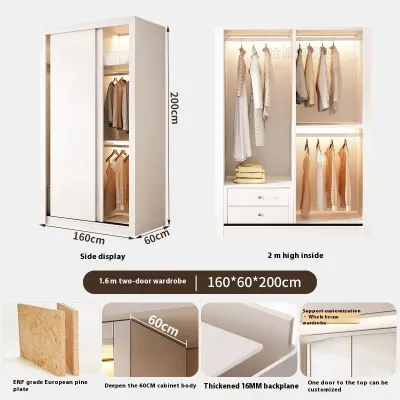
When planning a nursery in a typical Singapore HDB flat or condominium, floor space is always at a premium. Before purchasing any furniture, it is essential to measure the exact footprint where the wardrobe will stand, paying close attention to surrounding clearances. A standard hinged wardrobe door requires at least 50cm to 60cm of clear space in front of the unit to open fully. If this swing path conflicts with a crib, a changing table, or the bedroom entry door, you may need to consider sliding doors or open-shelf configurations to keep walkways clear.
Products mentioned in this guide
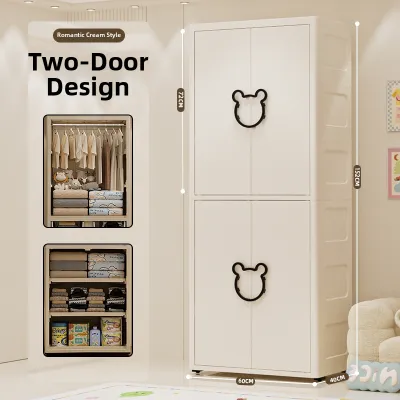
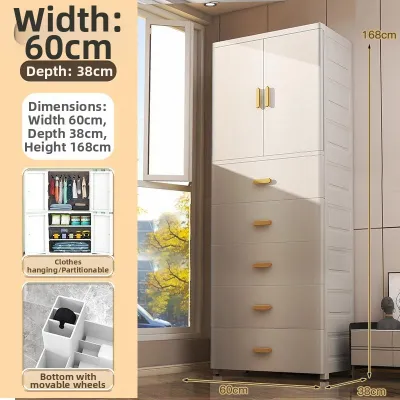
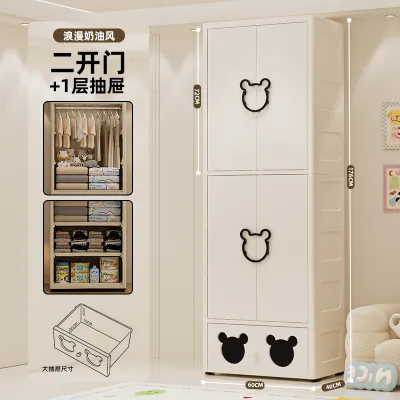
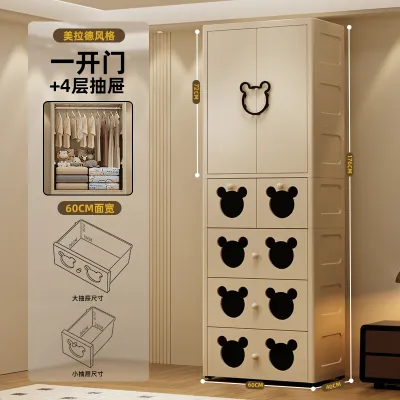
![[Cozy ]Solid Wood Sliding Wardrobe | Waterproof Wardrobe + 16mm Thickness + Deepen 60cm Wardrobe Cabinet](https://img.lazcdn.com/g/p/e83ab8d6e5eff9cd52523060bb995cc8.jpg_webp_400x400q80.jpg_.webp)
Prices are valid at publication and may change. Please refer to the product page for the latest price.
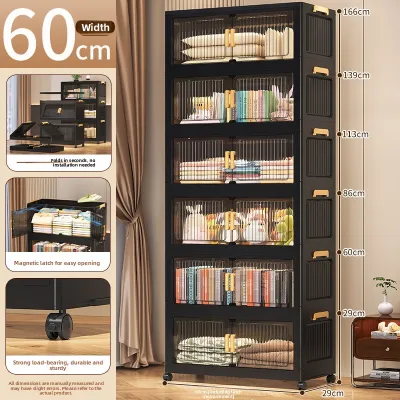
It is also crucial to distinguish between a wardrobe that is 60cm wide and one that is 60cm deep. A wardrobe with a 60cm width is a narrow, space-saving option ideal for tight corners or small alcoves, but its depth might only be 40cm to 45cm. While this shallower depth is perfectly adequate for tiny baby hangers, it will not accommodate standard adult-sized hangers as your child grows. Conversely, a wardrobe with a 60cm depth can easily hold full-sized hangers and bulky items like diaper packs, but it will protrude further into the room, potentially restricting movement in a narrow nursery.
To make the most of a compact footprint, look upward and evaluate the vertical space in your nursery. Selecting a taller wardrobe allows you to utilize the upper zones for storing seasonal items, extra bedding, or next-size-up clothing that your baby has not yet grown into. Before buying, measure your ceiling height and check for any low-hanging beams, air conditioning units, or light fixtures that could obstruct the wardrobe during assembly or placement.
Finally, consider how the wardrobe’s placement affects the overall flow of the room. Avoid blocking natural light from windows or obstructing access to electrical outlets and light switches. Keeping a small gap between the wardrobe and adjacent furniture not only makes the room feel more spacious but also ensures you can easily access every compartment without feeling cramped.
Optimizing Internal Layouts for Baby Clothes and Diapers
Baby clothing sizes change rapidly during the first two years of life, meaning your storage needs will evolve almost monthly. Wardrobes featuring adjustable shelving are highly beneficial for a nursery, as they allow you to customize the height of each compartment. You can set shelves closer together to store stacked diapers, swaddles, and onesies during the infant stage, then space them further apart to accommodate folded toddler clothing, toys, or books later on.

While hanging rails are excellent for keeping outfits visible and wrinkle-free, infant clothing is exceptionally short. A single hanging rail positioned at the top of a wardrobe leaves a large amount of wasted space underneath. To optimize this area, look for wardrobes that support double hanging rails—one upper and one lower—or choose a system with a removable rail that can be adjusted downward as your child’s garments grow longer.
Small accessories like socks, bibs, mittens, and hairbands can easily get lost on deep, wide shelves. Integrating drawer units, pull-out wire baskets, or fabric storage boxes within the wardrobe keeps these tiny items organized and easily accessible. Using shallow drawers or clear storage bins allows you to categorize items by type, making it simple for any caregiver to find exactly what they need during a quick diaper change or dressing session.
For daily essentials like diapers, wipes, and barrier creams, consider dedicating a specific mid-level shelf or drawer that sits at a comfortable working height. This prevents you from having to bend down or reach too high while managing a baby. Keeping these high-use items organized in labeled baskets within the wardrobe ensures a smooth, stress-free daily routine.
Safety and Material Checks for Nursery Furniture
Safety is the absolute priority when selecting any furniture for a child’s environment. Tall, narrow wardrobes with a 60cm width can become top-heavy and pose a severe tip-over hazard, especially when multiple drawers are pulled out or if an adventurous toddler attempts to climb the shelves. Always verify that the wardrobe includes heavy-duty anti-tip wall anchoring hardware, and ensure it is securely fastened to the wall according to the manufacturer’s instructions.
Babies and toddlers are highly sensitive to airborne chemicals and off-gassing from synthetic materials. When evaluating wardrobe options, check product labels and manufacturer specifications for low-VOC finishes, water-based paints, and formaldehyde-free engineered wood. Look for recognized environmental or safety certifications on the packaging to verify that the materials meet strict chemical emission standards, helping to maintain clean indoor air quality in the nursery.
Inspect the physical hardware of the wardrobe to minimize the risk of minor injuries and pinched fingers. Soft-close hinges and drawer runners are excellent features for a nursery, as they prevent doors and drawers from slamming shut when little hands start exploring. Additionally, check that drawer tracks have built-in safety stops to prevent the entire drawer from being pulled completely out of the frame.
Take a close look at the overall construction and stability of the unit before finalizing your purchase. Avoid wardrobes with sharp, exposed corners or rough edges that could scratch a child. If the wardrobe features glass panels or mirrors, ensure they are made of tempered safety glass, though solid wood or high-quality laminate doors are generally preferred for a baby’s room to eliminate breakage risks.
Matching Wardrobe Designs to Your Nursery Needs
For nurseries where floor space is exceptionally tight, sliding door wardrobes are highly effective. Because the doors glide parallel to the frame, they require zero front clearance, allowing you to place the wardrobe close to a crib or armchair without blocking pathways. However, keep in mind that sliding doors only allow access to one side of the wardrobe at a time, which can make organizing or viewing the entire contents slightly more difficult.
If you require quick, frequent access to daily diapering supplies, swaddles, and wipes, an open-shelf hybrid or modular unit may be the best fit. These designs combine closed wardrobe compartments with open cubbies, keeping frequently used items within arm’s reach without the need to open doors. This setup is particularly convenient during late-night diaper changes when speed and ease of access are crucial.
As your child transitions from infancy to the toddler and school-age stages, their storage requirements will inevitably expand. Selecting a modular or stackable wardrobe system allows you to start with a basic 60cm unit and add matching drawers, side shelves, or overhead cabinets later. This adaptability ensures you do not have to replace the entire wardrobe as your storage needs grow, saving money and reducing waste over time.
When choosing a design, also consider the aesthetic harmony of the nursery. Neutral colors like white, light grey, or natural wood tones work well in small rooms, as they reflect light and make the space feel more open. A simple, classic design is also more likely to transition smoothly into a child’s bedroom theme as they grow older, saving you from having to redecorate the entire room a few years down the road.
Safe Installation and Routine Maintenance
Proper installation is critical to ensuring the wardrobe remains stable and secure over years of use. In Singapore, most residential walls are made of solid concrete, brick, or drywall. You must use the correct wall plugs and screws suitable for your specific wall type; standard drywall anchors will not hold securely in solid masonry. If you are unsure about drilling or selecting the right hardware, hire a qualified professional installer to secure the unit.
Over time, regular opening and closing of doors and drawers can cause screws and hinges to loosen. Schedule a routine check every six months to inspect the wardrobe’s structural integrity. Tighten any loose screws on the hinges, drawer tracks, and wall anchoring straps, and check that the unit remains perfectly level to prevent uneven wear on the moving parts.
Singapore’s tropical, high-humidity climate presents a constant challenge for wooden furniture and stored fabrics. To prevent mold and mildew growth inside the wardrobe, ensure the unit is positioned slightly away from the wall to allow air circulation. Use moisture-absorbing dehumidifier tubs or charcoal bags inside the wardrobe, and leave the doors open occasionally on dry, breezy days to ventilate the interior.
When cleaning the wardrobe, avoid using harsh chemical sprays or abrasive scrubbing pads that could damage the finish or leave harmful residues. Instead, wipe the surfaces with a soft, slightly damp microfiber cloth, followed immediately by a dry cloth to prevent moisture from seeping into the wood joints. Regular, gentle cleaning keeps the wardrobe looking fresh and ensures a hygienic environment for your baby’s belongings.
Frequently Asked Questions (FAQ)
Sharing a 60cm Wardrobe Between Baby and Adult Clothes
Sharing a compact 60cm wardrobe between an adult and a baby requires strict organization due to the limited volume. To make this work, divide the wardrobe vertically or allocate specific shelves and hanging zones for each person. Keep in mind that a 60cm wide wardrobe may not accommodate adult-length garments like long dresses or coats on a hanging rail without them bunching at the bottom. A practical workaround is to fold longer adult items or use the wardrobe primarily for the baby’s clothes while reserving a small, dedicated section for folded adult activewear or seasonal items.
Comparing Sliding and Hinged Doors for Nursery Safety
Both door types have distinct safety and practical trade-offs in a baby’s room. Sliding doors eliminate the risk of a door swinging shut on a child, but the sliding tracks themselves can present a finger-trap hazard if a toddler attempts to push them. Hinged doors offer full access to the wardrobe’s interior at once, but they require soft-close dampers to prevent slamming. Regularly clean sliding tracks to remove dust and debris, ensuring the doors glide smoothly and do not jump off their tracks, which could pose a safety risk.

Community discussion
Share your experience or ask a question. Comments are reviewed before publication.