
A clean, clutter-free nursery is essential for creating a peaceful environment for both you and your baby, but managing the influx of baby items can quickly become a challenge. Selecting the right toys storage box is the most effective way to keep your nursery organized while ensuring your baby’s play space remains safe and developmental. The ideal storage solution depends on your child’s age, the layout of your room, and safety features like soft edges, non-toxic materials, and secure lids.
By matching your storage choices to your child’s developmental stage and your nursery’s specific layout, you can establish an intuitive system that grows with your family. This guide breaks down the safest, most practical storage options to help you maintain an organized, functional, and beautiful nursery.
Quick Guide: What to Look for in Nursery Toy Storage
When planning your nursery storage, safety, accessibility, and space efficiency must be your top priorities. An infant who is not yet mobile has very different safety and access needs compared to an active toddler who is learning to pull up, crawl, and independently select toys. Storage that works beautifully for a newborn may present tipping or pinching hazards once your child enters the active toddler phase.
Products mentioned in this guide
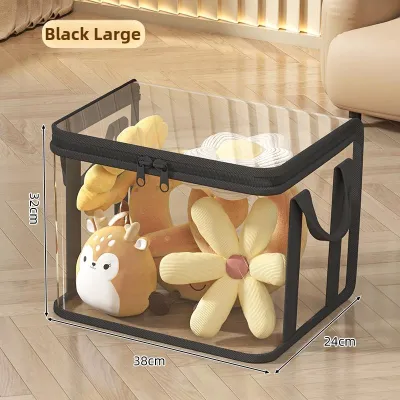
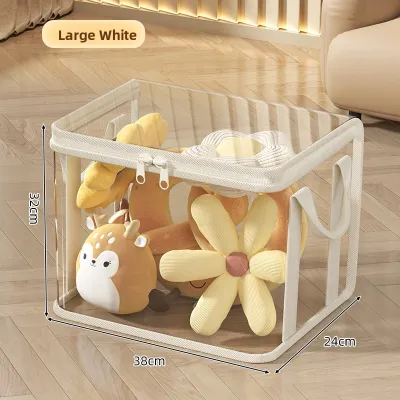
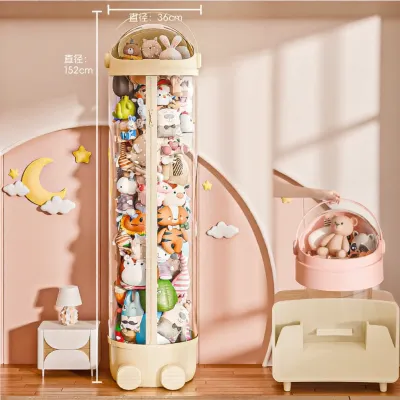
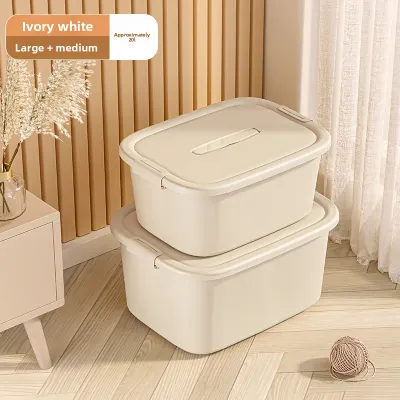
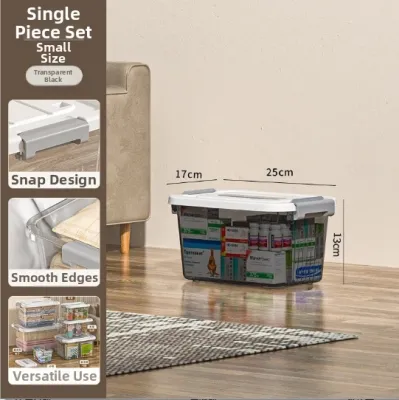
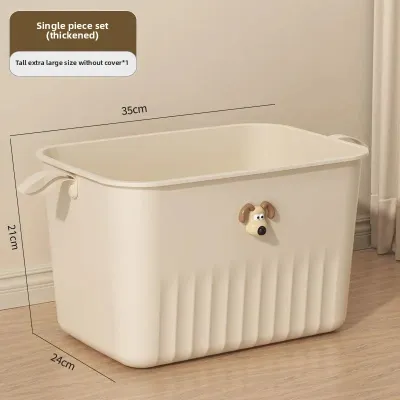
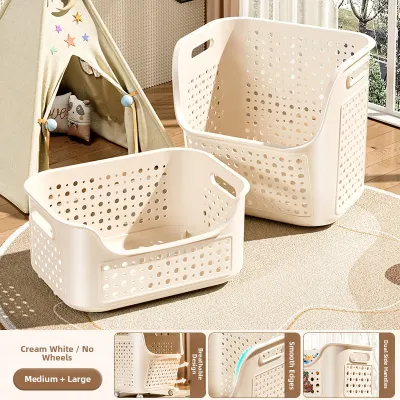
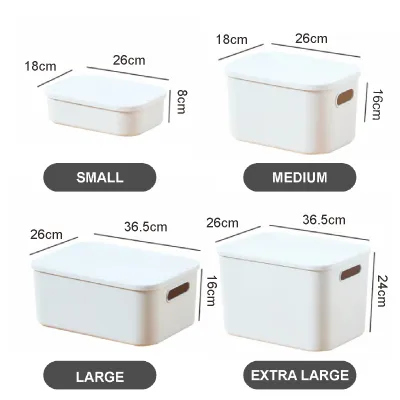
Prices are valid at publication and may change. Please refer to the product page for the latest price.
Your nursery layout also dictates the best storage configuration. In compact nurseries, maximizing vertical space and utilizing multi-functional furniture is key to keeping the floor clear. In larger rooms, low-profile, spread-out storage can help define distinct play zones.
The core decision-making framework relies on balancing aesthetic organization with practical, child-safe functionality. While matching baskets look beautiful on social media, they must also be durable enough to withstand daily use, easy for you to clean, and entirely safe for your child to interact with unsupervised.
Essential Safety and Design Features for Baby Storage
Physical Safety Hazards
Before purchasing any storage unit, you must evaluate it for potential physical hazards. Avoid storage boxes with sharp corners, rough edges, or heavy, unweighted lids that can slam down on small fingers. If you choose a chest with a lid, it must feature safety hinges that hold the lid open at any angle. Additionally, avoid units with small detachable parts, decorative buttons, or long cords that could pose choking or strangulation hazards. Any tall or heavy storage unit must be stable enough to resist tipping if a child attempts to climb it.

Material Verification
Material names alone do not guarantee safety, so you must verify product specifications and check manufacturer labels. Look for plastics that are certified BPA-free, phthalate-free, and non-toxic, especially since infants frequently mouth objects. If you select wooden storage, ensure the finishes, paints, or varnishes are certified non-toxic and lead-free. For fabric bins, prioritize breathable materials and check for certifications that ensure the textile is free from harmful chemical fire retardants.
Accessibility and Ergonomics
Your storage design should support your child’s developing motor skills. Lightweight, open-top storage boxes allow toddlers to access and put away their toys independently, fostering early organizational skills. While lidded boxes keep visual clutter hidden, they can frustrate young children who lack the coordination to open them. A combination of low, open bins for daily toys and higher, lidded containers for parent-supervised items often provides the best balance.
Climate Considerations
In humid climates like Singapore, moisture control is a critical factor in nursery design. High humidity levels can cause mold and mildew to develop rapidly on organic materials like untreated wood, wicker, or heavy canvas. To prevent respiratory irritants from affecting your baby, choose moisture-resistant materials that are easy to wipe down, or ensure your fabric bins are fully washable. Proper air circulation around your storage boxes is essential to prevent stagnant, damp pockets from forming.
Top Toys Storage Box Types for Different Nursery Needs
Canvas and Fabric Storage Bins
- Best For: Soft toys, plushies, lightweight rattles, and everyday baby blankets.
- Pros: These soft-sided bins have no hard edges, making them exceptionally safe for crawling babies who might bump into them. They are lightweight, collapsible when not in use, and many feature removable, machine-washable liners that make cleanup simple.
- Cons: Fabric bins lack a rigid internal structure. If you fill them with heavy wooden blocks or books, they will bulge, lose their shape, and potentially tip over.
- Safety Check: Inspect the handles to ensure they are securely stitched to the body of the bin. Check for any loose threads, frayed seams, or small decorative elements that could detach and pose a choking hazard to an infant.
Clear Plastic Bins and Drawers
- Best For: Small developmental toys, building blocks, art supplies, and bath toys.
- Pros: The transparent material allows both you and your child to see the contents at a glance, reducing the need to dump out entire bins to find a specific item. They are highly wipeable, moisture-resistant, and stackable, making them excellent for maximizing closet space.
- Cons: Direct, prolonged exposure to sunlight can make certain plastics brittle over time. Additionally, because the contents are fully visible, they can contribute to visual clutter if they are not organized neatly inside.
- Safety Check: Verify that the plastic is certified BPA-free and check the edges to ensure they are smooth and rolled rather than sharp. If you use large plastic bins with lids, ensure they feature ventilation holes to mitigate suffocation risks if a child climbs inside.
Wooden Toy Chests and Benches
- Best For: Heavy wooden toys, train sets, ride-ons, and long-term storage that transitions from infancy to childhood.
- Pros: Wooden chests are highly durable, sturdy, and offer an attractive, classic look. Many designs serve a dual purpose, functioning as a comfortable bench seat or a sturdy surface for a changing pad.
- Cons: They are heavy, difficult to move, and take up a significant amount of floor space. They also represent a severe pinch and crush hazard if the lid is not properly supported.
- Safety Check: You must verify that the chest features dual safety hinges that prevent the lid from slamming shut under its own weight. Always anchor tall or heavy wooden chests directly to the wall studs to prevent accidental tip-overs.
Sling Storage and Hanging Organizers
- Best For: Board books, small plush toys, and maximizing unused vertical space in smaller nursery layouts.
- Pros: Hanging organizers keep items off the floor, making them ideal for compact rooms. Book slings display the covers of books rather than the spines, which encourages early reading and makes it easy for pre-readers to choose a story.
- Cons: These systems have strict, limited weight capacities and require secure mounting to the wall or door to remain stable.
- Safety Check: Never mount hanging organizers or sling shelves inside, directly above, or within reach of the crib. Once your baby shows signs of rolling, pulling up, or standing, relocate these organizers to ensure the child cannot use them to climb or pull them down.
Rolling Storage Carts
- Best For: Toy rotation systems, diapering supplies, craft materials, and multi-purpose rooms.
- Pros: These carts offer excellent mobility, allowing you to easily wheel toys from the nursery to the living room and back. Tiered shelves provide structured organization while keeping items highly visible.
- Cons: Metal or hard plastic wheels can scratch delicate flooring. If loaded incorrectly, rolling carts can become top-heavy and present a tipping hazard if a child pulls on them.
- Safety Check: Always place the heaviest items on the bottom tier to lower the cart's center of gravity. Ensure the wheels feature reliable locking mechanisms, and keep the wheels locked whenever the cart is stationary in the nursery.
How to Organize Your Nursery Using Toy Storage Boxes
Toy Rotation System
To prevent your nursery from becoming overwhelmed with clutter, implement a structured toy rotation system. Instead of keeping every toy available at once, store approximately 70% of your collection out of sight in higher closets or secondary storage areas. Keep only a curated selection of 6 to 10 toys in your low-level nursery storage boxes. Every two to three weeks, swap the active toys with those in storage. This practice keeps your child engaged, reduces visual overstimulation, and makes daily cleanup significantly faster.
Categorization and Labeling
Categorizing toys helps children develop cognitive sorting skills and makes cleanup more systematic. For infants and pre-readers, use clear visual labels on your storage boxes, such as a photograph or a simple drawing of the toys that belong inside (e.g., a picture of blocks or stuffed animals). For parents and caregivers, add clear text labels to opaque bins so you can quickly locate specific items without rummaging. Keep categories broad, such as “vehicles,” “musical instruments,” or “soft toys,” to make sorting easy.
Zoning by Accessibility
Organize your nursery storage by placing items at appropriate heights based on safety and use. Position safe, everyday toys on low shelves or in open-top floor bins where your child can reach them easily. Place items that require adult supervision, such as paint, sensory bins, or toys with small parts, on higher shelves or inside latched storage boxes. This zoning method encourages independent play with safe items while keeping potential hazards securely out of reach.
Decluttering Triggers
Establish regular intervals to evaluate and purge your toy collection to prevent your storage boxes from overflowing. A natural trigger is your child’s growth milestones; as they transition to new developmental stages, gather toys they have outgrown and decide whether to store them for future siblings, donate them, or recycle them. Additionally, perform a quick check during your toy rotations to discard broken items, toys with missing parts, or items that no longer interest your child.
Safety Checks and Maintenance for Nursery Storage
Anchoring and Tip-Over Prevention
As babies learn to pull themselves up and stand, they will use furniture for support. You must secure all tall shelving units, heavy wooden toy chests, and dresser-style storage to the wall. Use high-quality anti-tip kits or furniture straps, and ensure they are anchored directly into wall studs rather than drywall alone. Regularly check the tension of these straps to ensure they remain secure over time.
Routine Inspections
Perform monthly safety inspections on all your nursery storage boxes to identify wear and tear before it becomes a hazard. Check fabric bins for broken zippers, loose seams, or frayed handles that could unravel. Inspect plastic bins for cracks, sharp edges, or loose lids. Examine wooden storage units for splinters, peeling paint, or loose screws. If you find any damage, repair the item immediately or replace it to maintain a safe environment.
Hygiene and Cleaning
Toys and storage containers accumulate dust, drool, and spills, requiring regular cleaning to maintain a hygienic space. Wash fabric liners and canvas bins according to the manufacturer’s care instructions, using baby-safe, fragrance-free detergents. Wipe down plastic and wooden storage boxes with a damp cloth and a mild, non-toxic sanitizer, ensuring they are completely dry before returning toys to them. For bath toy storage, select mold-resistant, open-mesh bags or ventilated plastic bins, and always allow bath toys to dry completely in a well-ventilated area before putting them away.
Developmental Adjustments
Your storage setup must evolve alongside your child’s physical capabilities. When your baby begins to pull up or stand, remove any hanging organizers or soft wall pockets that they could pull down on themselves. If you use lidded chests, ensure the safety hinges are functioning perfectly, or consider removing the lid entirely until your child is older. Always adjust the height of accessible storage to ensure your child does not have to stretch or climb to reach their favorite items.
Frequently Asked Questions (FAQ)
How many toy storage boxes do I need for a standard nursery?
For a standard nursery, starting with 3 to 4 versatile, medium-sized storage bins is generally sufficient. Rather than buying a large number of boxes to store your entire toy collection at once, focus on implementing a toy rotation system. This approach allows you to keep only a few bins active in the nursery, while the rest of your collection is stored out of sight in a closet or utility area. You can easily add more coordinated bins as your child grows and their play interests expand.
Are fabric toy storage boxes safe for infants?
Yes, fabric toy storage boxes are highly safe for infants because they are soft, lightweight, and have no sharp edges or heavy lids that could cause injury. However, you must take precautions to prevent suffocation risks. Never place large, empty, or flexible fabric bins inside the crib, bassinet, or playpen where an infant sleeps or plays unsupervised. Keep large fabric bins on the floor or on low shelves outside the immediate sleeping area, and ensure the materials are breathable and free from loose threads.
How do I prevent mold on toy storage boxes in a humid climate?
To prevent mold and mildew in humid climates like Singapore, choose non-porous, easily wipeable materials such as BPA-free plastic or treated, water-resistant canvas. Avoid using airtight plastic containers for organic materials like wooden toys or cotton plushies, as these can trap moisture; instead, opt for breathable or ventilated storage. Ensure all toys, especially bath toys, are completely dry before placing them in storage. You can also place child-safe moisture absorbers inside enclosed closets, keeping them entirely out of your baby’s reach, and maintain good air circulation throughout the room.
Community discussion
Share your experience or ask a question. Comments are reviewed before publication.