
Assembling a newborn baby grooming and personal care kit is one of the most practical steps you can take to prepare for your baby’s arrival. Newborns have incredibly delicate skin, fine hair, and rapidly growing, paper-thin nails that require specialized tools. A well-designed kit does not need to be filled with dozens of complex gadgets; instead, it should focus on a few high-quality, safe, and essential items that address daily hygiene and basic health monitoring.
Quick Answer: Essential Tools for a Newborn Grooming Kit
For an immediate, highly functional newborn grooming setup, you only need four to five non-negotiable items: baby nail scissors with rounded tips (or an electric nail trimmer), an ultra-soft hairbrush with natural bristles, a reliable digital thermometer, and a manual nasal aspirator. Simplicity, gentle materials, and safety features are far more important than having a massive variety of tools. A good kit should prioritize daily hygiene, comfort, and basic health monitoring rather than complex styling or cosmetic grooming tasks. By focusing on these core essentials, you can confidently care for your baby’s needs without cluttering your nursery with unused, low-quality filler items.
Must-Have Grooming Tools and Safety Features to Check
Selecting the right tools requires looking beyond attractive packaging and focusing on specific design elements that protect your baby’s delicate body. Each tool serves a distinct purpose in your daily routine and must meet strict safety criteria.
Products mentioned in this guide
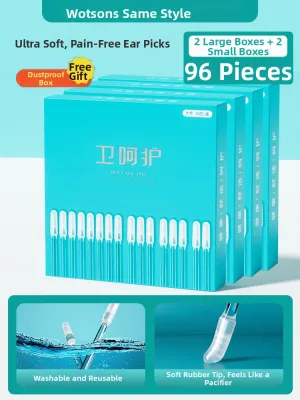
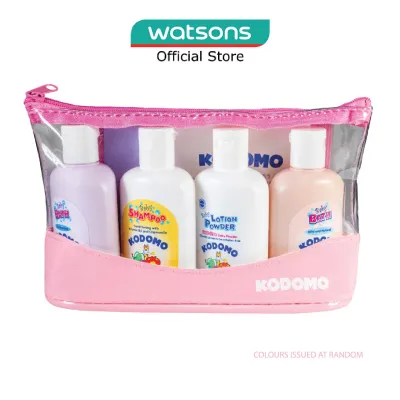
Prices are valid at publication and may change. Please refer to the product page for the latest price.

Nail Care: Clippers, Scissors, and Electric Files
Newborn nails grow remarkably fast, often requiring trimming multiple times a week to prevent the baby from scratching their own face. Because infant nails are thin, flexible, and closely attached to the surrounding skin, using standard adult tools poses a high risk of injury.
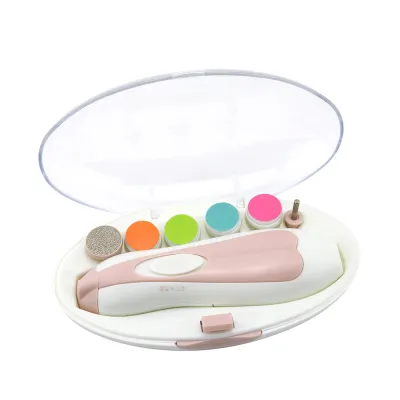
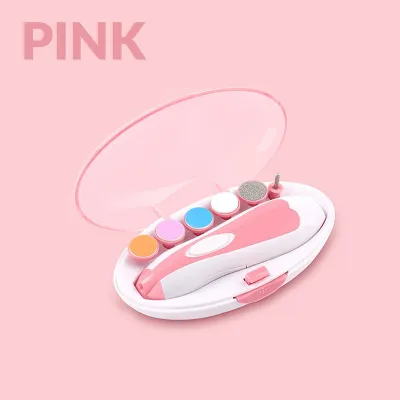
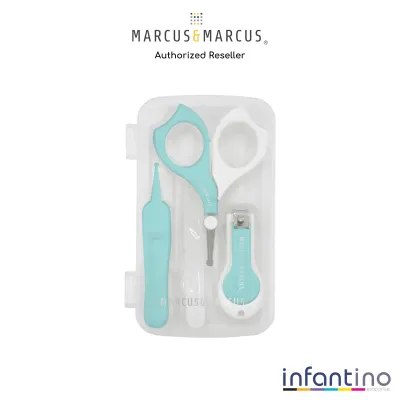
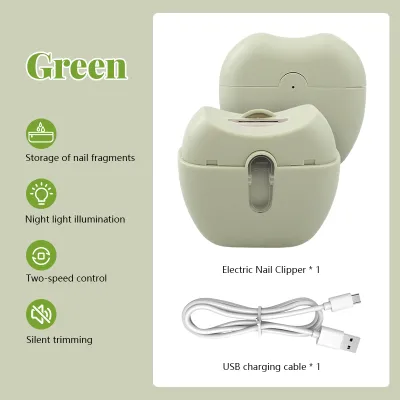
Baby nail scissors are often preferred by parents because they offer excellent visibility, allowing you to see exactly where the blades meet the nail. Traditional baby clippers with a built-in safety guard can also be effective, though they require a steady hand. Electric nail files (or rotary trimmers) use battery-powered, cushioned filing pads of varying grits to gently sand down the nail edge without touching the surrounding skin.
When choosing nail care tools, always verify that scissors have blunt, rounded tips to prevent accidental puncture wounds. Look for ergonomic, slip-resistant handles that allow you to maintain a firm grip even if your hands are damp. If you opt for an electric file, check the manufacturer’s documentation to ensure you are using the correct pad grit for your baby’s specific age and development stage.
Hair and Scalp Care: Soft Brushes and Combs
Whether your baby is born with a full head of hair or fine peach fuzz, their scalp is exceptionally delicate. The soft spots on a newborn’s head, known as fontanelles, require extremely gentle handling during grooming.
A soft-bristle brush made from natural materials, such as goat hair, or ultra-soft synthetic fibers is the ideal choice. These gentle bristles smooth the hair, distribute natural scalp oils, and stimulate the hair follicles without scratching the sensitive skin beneath.
Avoid hard plastic combs with sharp teeth, metal-toothed combs, or stiff nylon bristles that can scrape or irritate the scalp. If a comb is included in your kit, ensure it features rounded, bulbous tips on the teeth to guarantee a smooth, scratch-free glide.
Before purchasing any brush, perform a quick safety check by gently tugging on the bristles. Ensure they are securely anchored to the base, as shedding bristles can easily become a choking hazard if they fall near your baby’s mouth or nose.
Health Monitoring: Thermometers and Nasal Aspirators
A reliable digital thermometer is a critical safety tool for monitoring a newborn’s health. For infants under three months, medical professionals generally recommend rectal or underarm (axillary) temperature readings for the highest accuracy. Ear (tympanic) or forehead (temporal) thermometers are popular but often have age, weight, or usage restrictions that make them less reliable for very young infants. Always verify the manufacturer’s guidelines for age suitability before relying on a specific thermometer model.
Nasal aspirators are essential because newborns are obligate nasal breathers, meaning they naturally breathe through their noses and cannot easily clear their own airways when congested. Traditional bulb syringes are widely available but are notoriously difficult to clean and dry inside, creating a breeding ground for mold and bacteria. Manual tube aspirators, which use a mouthpiece for parent-controlled suction, are highly recommended. They allow you to gently clear mucus with precise control and feature replaceable hygiene filters that prevent the transfer of germs.
Material safety is paramount for any tool that enters or touches the baby’s body. Always check product labels to ensure the thermometer tip, nasal aspirator nozzle, and any other contact components are made from certified BPA-free, phthalate-free, and medical-grade silicone or plastic.
Oral Care and Gentle Wipes
Oral hygiene should begin long before the first tooth erupts. Milk residue can accumulate on a newborn’s tongue and gums, leading to bacterial growth or a buildup that mimics oral thrush.
A soft silicone finger toothbrush, which fits over a caregiver’s finger and features tiny, flexible silicone bumps, is excellent for gently massaging the gums. Alternatively, you can use sterile, damp gauze pads wrapped around a clean finger to wipe the gums after feeding.
For general face and body cleaning, high-quality, unscented, alcohol-free, and hypoallergenic baby wipes or sterile cotton balls are indispensable. In Singapore’s warm, humid climate, sweat, drool, and milk can quickly accumulate in skin folds, such as the neck, behind the ears, and in the thigh creases. Regularly wiping these areas gently with clean cotton balls dipped in cooled, boiled water helps prevent heat rash, chafing, and skin irritation.
Pre-Assembled Baby Grooming Kits vs. Building Your Own
When preparing for a newborn, parents face the choice of buying a pre-packaged, commercial baby grooming kit or curating their own collection of individual tools. Both approaches have distinct advantages and drawbacks that depend on your budget, convenience preferences, and quality standards.
Pros and Cons of Pre-Assembled Kits Pre-assembled kits are highly convenient and cost-effective. They bundle multiple tools into a single purchase, often saving you money compared to buying each item individually. These kits typically come in a compact, zippered travel case, making them easy to pack in a diaper bag or store neatly in a nursery drawer. However, the primary drawback of commercial kits is the inclusion of “filler” items. To keep costs low, manufacturers may include lower-quality tools, such as nail clippers with dull blades, combs with sharp plastic edges, or low-grade digital thermometers that provide inconsistent readings.
Evaluation Checklist for Commercial Kits If you decide to purchase a pre-assembled kit, use this checklist to evaluate its quality and safety before buying:
- Tool Size and Functionality: Are the handles ergonomically designed and large enough for an adult to hold securely, while the functional ends (like clipper blades) remain small enough for a newborn?
- Case Material and Hygiene: Is the storage case made of water-resistant, easy-to-clean material? In humid climates, fabric cases can trap moisture, leading to mold or rust on metal tools.
- Safety Certifications: Do the product labels explicitly state compliance with relevant safety standards for infant products, and are all plastic components certified BPA-free and non-toxic?
When to Build Your Own Building your own kit is the ideal choice if you prioritize quality over convenience. Curating individual items allows you to select trusted, medical-grade brands for high-stakes tools like thermometers and nasal aspirators, while choosing premium materials for brushes and nail care. If you already own certain high-quality items, building your own kit prevents you from paying for redundant or useless tools. While curating individual pieces may require a higher upfront investment—often ranging from S$50 to S$100 in Singapore, compared to S$15 to S$40 for a basic pre-assembled kit—the long-term durability, safety, and peace of mind are well worth the extra effort.
Unnecessary or Unsafe Items to Avoid in Baby Kits
Many commercial baby grooming kits are packed with numerous items to make the set look comprehensive and valuable. However, several of these tools are completely unnecessary for a newborn and can even pose significant safety risks to your baby’s delicate skin and developing body.
Haircutting Tools Newborn hair is typically fine and sparse, and there is no practical need to cut it during the first few months of life. Baby hair clippers, styling scissors, or thinning shears frequently bundled in large kits are not only unnecessary but highly dangerous. A squirming newborn can easily make a sudden movement, leading to accidental cuts, nicks, or puncture wounds on the scalp or ears. Keep these sharp tools out of your newborn care routine entirely.
Tweezers and Sharp Metal Tools Standard metal tweezers, cuticle pushers, and metal nail files should never be used on a newborn. A baby’s skin is incredibly thin and easily punctured or scratched, which can introduce bacteria and lead to infections. If a kit includes plastic tweezers, they must have blunt, rounded tips. Even then, they should only be used with extreme caution to remove visible debris from the outer edge of the nose or ears, and never inserted deep into any body cavity.
Fragrances and Adult Skincare Baby colognes, perfumes, heavily scented lotions, and adult-grade oils are frequently marketed as grooming essentials, but they should be strictly avoided. A newborn’s skin barrier is highly permeable and sensitive. Synthetic fragrances, alcohol, and harsh chemicals can strip the skin of its natural moisture, leading to contact dermatitis, eczema flare-ups, and respiratory irritation. Stick to plain water or mild, pediatrician-approved, fragrance-free cleansers.
Medication Dispensers Without Clear Markings Some grooming kits include plastic medicine syringes, droppers, or spoons. If these dispensers feature faint, printed markings that can easily rub off during washing, or if they lack precise milliliter (ml) increments, do not use them. Administering medication to a newborn requires absolute precision. Instead, discard these low-quality dispensers and use a pharmacy-grade syringe or the specific measuring tool provided by your pediatrician or pharmacist.
How to Clean, Store, and Safely Use Grooming Tools
Proper maintenance of your baby’s grooming tools is essential to prevent the spread of bacteria, avoid skin infections, and ensure the longevity of each item. Establishing a consistent cleaning and storage routine protects your newborn’s developing immune system.
Cleaning Routines After every use, wipe down the handles of clippers, scissors, and hairbrushes with a clean, damp cloth and mild, baby-safe soap. Any tool that enters or touches a sensitive area—such as nasal aspirator tips, silicone finger toothbrushes, and digital thermometers—must be sanitized thoroughly. Wash these items in warm, soapy water, rinse them completely, and sterilize them according to the manufacturer’s exact instructions (such as boiling or using a steam sterilizer). Never submerge electrical components, like electric nail files or digital thermometers, in water; instead, wipe their surfaces with a sanitizing wipe or an alcohol swab.
Proper Storage Always allow all tools to dry completely before placing them back into their storage case. In Singapore’s highly humid climate, storing damp tools in a closed container can rapidly lead to rust on metal blades, mold growth on fabric linings, and bacterial colonization on silicone surfaces. Keep the grooming kit in a dry, cool cupboard away from direct sunlight, and ensure it is stored securely out of reach of infants and older siblings who might mistake the tools for toys.
Safety Boundaries and Replacement Inspect each tool before every use to ensure it is in perfect working condition. Look for signs of wear, such as loose bristles on brushes, cracked plastic on handles, rust on metal blades, or damaged safety guards on clippers. If any tool shows signs of degradation, stop using it immediately and replace it. Never attempt to repair a broken grooming tool, as loose parts can easily become choking hazards.
Medical Consultation While routine grooming is simple, certain skin or scalp conditions require professional medical guidance. If your baby develops severe cradle cap with thick, greasy, yellow crusts, or if you notice redness, swelling, or pus around the fingernails or skin folds, do not attempt to treat it aggressively with grooming tools. Stop using the tools on the affected area and consult a pediatrician or qualified healthcare professional for safe, medical-grade treatment options.
Frequently Asked Questions (FAQ)
When should I start using a grooming kit on my newborn?
You can begin using basic grooming tools, particularly nail care items, within the first week of your newborn’s life. Newborns are often born with surprisingly long, sharp nails that can easily scratch their delicate faces. Hair brushing with an ultra-soft brush can also be introduced early, primarily as a gentle, soothing bonding activity or to help manage mild cradle cap during bath time.
Can I use a regular digital thermometer for a newborn?
While standard digital thermometers are highly accurate, you must verify the manufacturer’s documentation to ensure the device is validated for infant use and specific measurement methods. For newborns, a dedicated thermometer designed for rectal or underarm readings is essential for safety and precision. Always sanitize the thermometer thoroughly before and after every use, and keep dedicated devices for specific reading sites to prevent cross-contamination.

Community discussion
Share your experience or ask a question. Comments are reviewed before publication.