
Selecting a safe straw water bottle for your baby requires careful evaluation of materials, structural design, and manufacturer guidelines. Because infants and toddlers are highly sensitive to chemical exposure and choking hazards, it is essential to look beyond marketing claims and verify specific safety features. To choose a safe straw water bottle, you must verify that all plastic components are explicitly labeled as BPA-free, BPS-free, and phthalate-free, and ensure the straw and valve are made of 100% food-grade silicone. Additionally, you need to check for a secure, leak-proof valve design that prevents choking hazards, evaluate the physical durability of the bottle body, and confirm the manufacturer’s age recommendations and sterilization guidelines.
Transitioning to a straw bottle is a major milestone in a baby’s weaning journey, typically starting around six months of age. This transition helps develop oral motor skills, strengthens facial muscles, and promotes independent drinking habits. However, because babies frequently chew on straws and drop their bottles, safety must remain your primary consideration. Caregivers must systematically evaluate materials, structural integrity, and maintenance requirements to ensure the bottle remains hygienic and safe over months of daily use.
Identifying Safe Bottle Materials and Plastics
When evaluating plastic straw water bottles, look for explicit labels indicating the product is free from bisphenol A (BPA), bisphenol S (BPS), and phthalates. These chemical compounds, historically used to harden plastics or make them flexible, can leach into liquids, posing potential developmental risks to infants. Modern, high-quality baby bottles typically use safer alternative plastics such as Tritan, polypropylene (PP), or polyphenylsulfone (PPSU). Each of these materials offers distinct characteristics that you should match to your daily needs.
Products mentioned in this guide
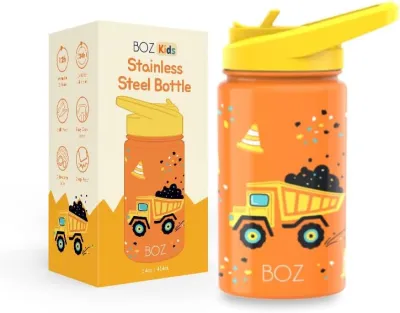
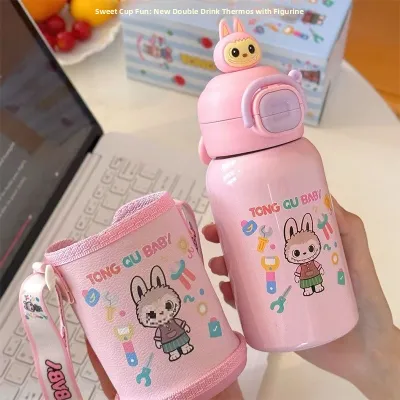
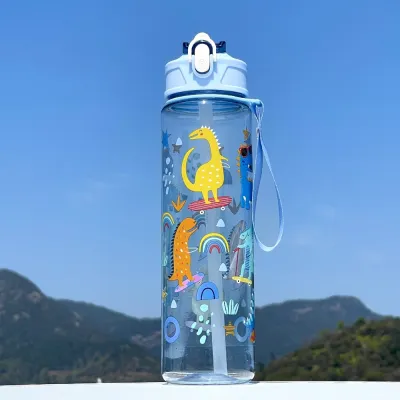
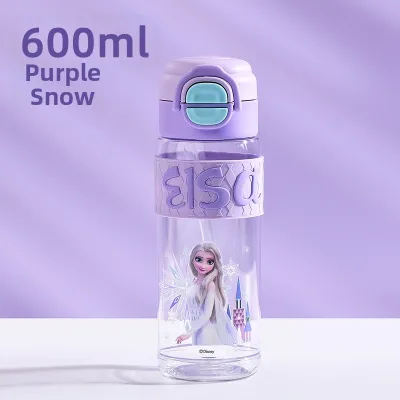
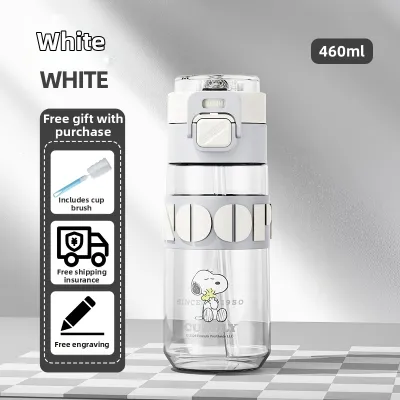
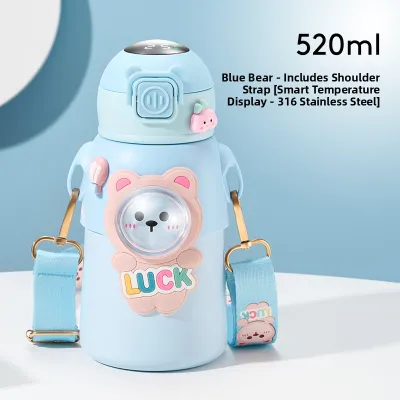
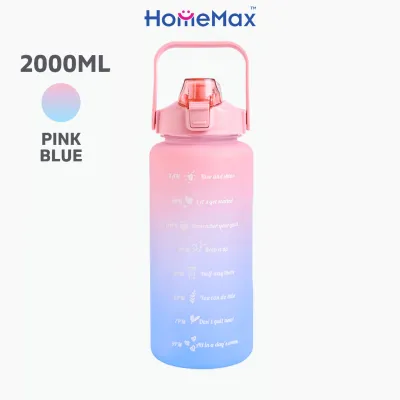
![[SG Stock] Sports 1.5L water bottle with leakproof easy to drink multi color with straw and strap young boy and girl](https://img.lazcdn.com/g/p/3e0ca81ee4750c360ee0abe9ce6a1e8d.png_400x400q80.png_.webp)
Prices are valid at publication and may change. Please refer to the product page for the latest price.
Tritan is a co-polyester known for its glass-like clarity, light weight, and high impact resistance. It does not retain odors or stains, making it an excellent choice for active toddlers who frequently drop their cups. Polypropylene is a highly common, budget-friendly plastic that is lightweight and slightly cloudy in appearance. While PP is safe and widely used, it is softer than Tritan and may scratch more easily over time. Polyphenylsulfone is a medical-grade thermoplastic with a natural honey-colored tint. PPSU is exceptionally durable and boasts high heat resistance, allowing it to withstand repeated high-temperature steam sterilization without degrading or releasing harmful substances.
If you prefer to avoid plastics entirely, food-grade stainless steel and borosilicate glass are excellent alternatives, though they come with distinct trade-offs. Glass is chemically inert, highly hygienic, and easy to clean, but it is heavy for small hands and poses a breakage risk if dropped on hard surfaces. Stainless steel offers outstanding durability and temperature insulation, which is highly beneficial in warm climates to keep water cool. However, stainless steel bottles are opaque, making it difficult to monitor your baby’s fluid intake visually, and they can dent when dropped repeatedly.
Before purchasing any bottle, perform a physical inspection of the product. Run your fingers along the seams of the plastic body and lid to ensure there are no sharp edges or uneven plastic molding that could scratch your baby’s hands or mouth. Sniff the interior of the bottle; a strong chemical or sweet plastic odor is a warning sign of low-grade materials or incomplete curing during manufacturing. High-quality, food-grade materials should be completely odorless right out of the packaging.
Evaluating Straw and Valve Safety Features
The straw and valve assembly is the most critical point of contact for your baby, making its material and design paramount for oral safety. Verify that the straw and any internal valves are constructed from 100% food-grade silicone. Silicone is soft, flexible, and gentle on developing gums and teeth, unlike hard or brittle plastics that can cause oral trauma if a child stumbles while drinking. It is also highly resistant to biting, though you must still inspect it regularly for wear.

Pay close attention to the design and angle of the straw tip. Many baby straw bottles feature a weighted straw design, where a small weight at the bottom of the straw follows the liquid as the bottle is tilted. This allows your baby to drink from any angle, whether sitting upright or lying down. However, you must ensure that the weight itself is securely encased in food-grade plastic or silicone and cannot be detached by a curious child. The tip of the straw should be rounded and smooth to prevent palate irritation.
Choking hazards are a significant concern with straw assemblies. Examine how the straw attaches to the lid; it should pull through securely from the underside so that a teething baby cannot pull the straw out from the top and swallow it. Avoid multi-piece straw assemblies with small, detachable plastic connectors inside the cup. The valve mechanism should be integrated directly into the silicone straw structure rather than relying on tiny, separate plastic inserts that could loosen during vigorous sucking or cleaning.
Assessing Leak-Proof Mechanisms and Structural Durability
A reliable leak-proof mechanism is essential not only to prevent messy spills in your diaper bag but also to ensure consistent liquid flow. Most baby straw bottles utilize a cross-cut valve (such as a V-valve or Y-valve) at the tip of the silicone straw. This design requires the baby to apply gentle pressure with their lips or gums to open the slit, allowing liquid to flow only when they are actively drinking. When the baby stops sucking, the slit closes automatically, preventing leaks even if the bottle is turned upside down or shaken.
While cross-cut valves are highly effective at preventing spills, they do require more suction effort from the baby. For younger infants just starting their weaning journey, a valve with too much resistance can lead to frustration and refusal to drink. Conversely, a free-flowing straw without a valve is easier to drink from but will leak immediately if tipped over. Look for a balance, and consider bottles with adjustable flow rates or sliding covers that physically seal the straw when the bottle is not in use.
Structural durability is another key safety factor, as babies frequently drop bottles from high chairs, strollers, and countertops. If you choose a glass bottle, ensure it is made of thermal-shock-resistant borosilicate glass and is wrapped in a thick, textured silicone sleeve to absorb impacts. For plastic bottles, check for reinforced bases or shock-absorbing bumpers. Inspect the lid threading and hinge strength; the screw-on lid should engage smoothly and seal tightly without cross-threading, and the flip-top lid should lock securely in the open position so it does not snap back and hit the baby’s face while they drink.
Verifying Safety Labels and Age Recommendations
Manufacturers provide age recommendations (such as 6m+, 9m+, or 12m+) on packaging to guide parents toward developmentally appropriate products. These guidelines are not arbitrary; they correspond to the physical size of the bottle, the weight, the handle design, and the flow rate of the straw. A bottle designed for a 12-month-old may have a faster flow rate or a wider straw that could cause a 6-month-old to choke or swallow too much air. Always match the bottle’s specifications to your baby’s specific developmental stage.
Look for recognized safety compliance markings printed on the packaging or the manufacturer’s official product documentation. Because safety standards and certifications are dynamic and vary by region, you should verify that the product complies with local consumer safety regulations. Avoid purchasing unbranded bottles from unregulated online marketplaces, as these products often lack clear manufacturer contact details, batch numbers, or verifiable safety labeling.
Always read and adhere to the manufacturer’s warnings regarding hot liquids, microwave use, and supervision. Most straw bottles are not designed for hot liquids because the heat creates steam pressure inside the sealed bottle, forcing hot water to spray out of the straw when the lid is opened, posing a burn risk. Additionally, never microwave a plastic bottle, as this can create localized hot spots in the liquid and accelerate the breakdown of the plastic. Always supervise your baby during use, and never allow them to walk or run while holding a straw bottle.
Planning for Safe Cleaning and Maintenance
Hygiene is a critical safety factor, as mold and bacteria can grow rapidly in the dark, damp crevices of a straw or valve. Before purchasing, check the manufacturer’s instructions regarding sterilization and washing limits. While some high-performance plastics like PPSU can withstand high-temperature steam sterilization, other components like the silicone straw or the PP lid might have lower heat tolerances and warp, ruining the leak-proof seal. Verify whether all parts are dishwasher safe or if they require hand washing.
Choose a bottle design that can be completely disassembled into individual parts for thorough cleaning. If a silicone gasket or valve is permanently fused to a plastic lid in a way that leaves tiny, inaccessible gaps, water and milk residue can get trapped, leading to mold growth that is impossible to clean. Ensure you can easily remove the silicone seal, the straw, and the weighted base. Use specialized, slim straw brushes to clean the entire length of the silicone tube daily.
Establish a routine to inspect the bottle and its components weekly. Pinch and pull the silicone straw to check for micro-tears, especially if your baby is teething and prone to chewing on the straw. Damaged silicone can tear off completely and become a choking hazard. If the plastic bottle body becomes cloudy, heavily scratched, or discolored, or if the silicone parts lose their elasticity and stretch out, replace those components immediately to maintain proper hygiene and safety.
Frequently Asked Questions (FAQ)
Can I put hot water in a baby straw water bottle?
No, you should avoid putting hot water in a baby straw water bottle unless the manufacturer’s instructions explicitly state it is safe to do so. Hot liquids create steam pressure inside the sealed container, which can force boiling water to spray out of the straw when the lid is opened, posing a serious burn risk to you and your baby. Additionally, high temperatures can accelerate the degradation of certain plastics and silicone components. Always check the specific temperature limits on the product label and allow liquids to cool to a safe, lukewarm temperature before filling the bottle.
How often should I replace the silicone straw and valve?
You should generally replace the silicone straw and valve every two to three months, or immediately if you notice any signs of wear. Regularly inspect the silicone by pulling on the straw tip to check for micro-tears, bite marks, or stretching, which can occur quickly if your baby is teething. Damaged silicone can tear off and become a choking hazard. Additionally, if you notice any trapped mold, discoloration, or persistent odors that cannot be removed through thorough cleaning and sterilization, replace the straw and valve components right away to maintain hygiene.
Are stainless steel straw bottles safe for babies?
Yes, stainless steel straw bottles are safe for babies, provided they are made from food-grade stainless steel and are designed for infants. They offer excellent durability, resist shattering when dropped, and provide superior temperature retention to keep water cool. However, stainless steel bottles are heavier than plastic alternatives, which may make them difficult for younger infants to hold independently. They are also opaque, meaning you must open the bottle to monitor your baby’s fluid intake, and they can dent if dropped on hard surfaces.

Community discussion
Share your experience or ask a question. Comments are reviewed before publication.