
Choosing the right maternity bag size is a balancing act between preparedness and physical comfort. The ideal capacity depends heavily on your daily outing habits and your baby’s feeding stage, typically ranging from a compact 10-to-15-liter bag for quick errands to a spacious 20-to-25-liter backpack for full-day trips. Rather than buying the largest bag available “just in case,” matching the capacity to your actual routine prevents carrying unnecessary weight while ensuring you have enough space for diapers, wipes, and feeding essentials.
A bag that is too small leads to frustration when zippers strain against stuffed spare clothes, while an oversized bag invites overpacking, resulting in shoulder strain and fatigue. By analyzing how long you typically stay away from home and what items are truly essential for your baby’s age, you can select a practical, comfortable bag that fits seamlessly into your lifestyle.
Assess Your Typical Outing Patterns
To determine the right bag size, start by tracking your typical weekly outings. Parents who primarily leave the house for short, local errands—such as a quick trip to the neighborhood supermarket, a visit to a nearby clinic, or a stroll in the local park—rarely need to carry a full day’s worth of supplies. For these brief trips lasting under two hours, a compact bag or even a small crossbody diaper pouch is often sufficient to hold one or two diapers, a travel-sized pack of wipes, and a single change of clothes.
Products mentioned in this guide
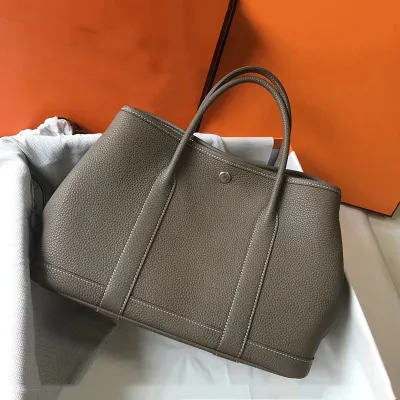
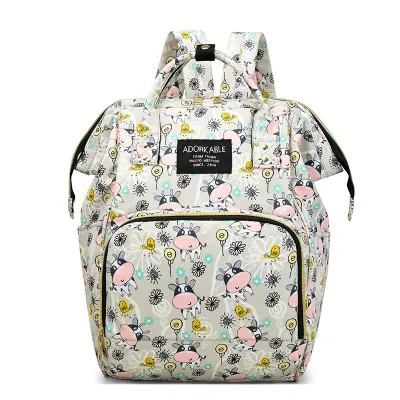
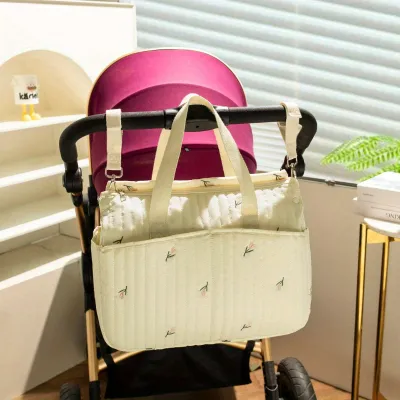
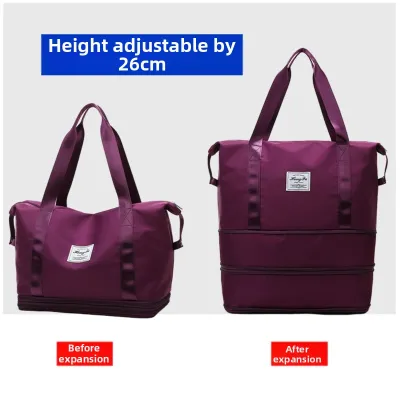
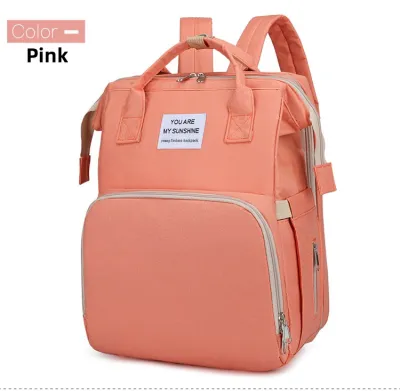
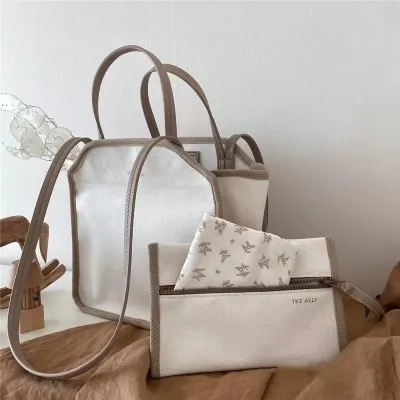
Prices are valid at publication and may change. Please refer to the product page for the latest price.
Conversely, if your routine involves extended, all-day outings, your capacity requirements will increase significantly. Trips to visit grandparents, weekend outings to shopping malls, or full-day family excursions require a larger bag, typically between 18 and 25 liters. These longer journeys demand multiple feeding portions, a larger supply of diapers, extra clothing layers, and additional comfort items to keep your baby settled throughout the day.
The duration of your trip directly dictates the baseline volume of essential supplies you must carry. As a general rule, newborns require diaper changes every two to three hours, meaning a four-hour outing requires at least three diapers, whereas an eight-hour day out requires six or more. Additionally, feeding supplies scale with time; formula-fed infants require multiple sterilized bottles, a thermos of hot water, and pre-measured formula dispensers, all of which occupy substantial physical space in your bag.
Your baby’s age and feeding method serve as the primary drivers of bag capacity. Breastfeeding parents often require less bag space because they do not need to carry bottles, flasks, or formula containers, though they may still choose to pack a compact nursing cover or a portable breast pump. Formula-feeding parents, on the other hand, must allocate a significant portion of their bag’s main compartment to feeding gear, making a structured, high-capacity bag highly beneficial during the first year.
Match Bag Capacity to Your Gear Checklist
Translating your daily essentials into physical capacity requires a clear understanding of how much space different items occupy. A standard baby care checklist includes diapers, a changing mat, wet wipes, diaper rash cream, disposal bags, and spare clothing. Feeding gear adds bottles, formula, bibs, and burp cloths, while your own personal belongings—such as a wallet, keys, phone, water bottle, and hand sanitizer—must also fit comfortably within the same bag.

When packing in Singapore’s tropical climate, you can take advantage of the warm weather to save valuable bag space. Unlike colder regions where parents must pack bulky sweaters, thick jackets, and heavy blankets, Singapore’s climate allows you to pack lightweight, thin cotton rompers and swaddles. This significantly reduces the physical volume of spare clothing, leaving more room for other essentials or allowing you to opt for a slightly smaller, more streamlined bag.
However, the local climate also introduces specific packing needs that you must account for. The high humidity and frequent sunshine mean you should allocate space for a small portable stroller fan, baby-safe sunscreen, and a compact umbrella or rain cover for sudden tropical downpours. Keeping these items organized in dedicated sections ensures they are easily accessible when transitioning between air-conditioned indoor spaces and warm outdoor environments.
To keep your bag manageable, adopt a modular packing approach using smaller, color-coded pouches or packing cubes. Grouping items by function—such as a diapering pouch, a feeding pouch, and a personal items pouch—allows you to quickly customize your bag’s contents before leaving the house. If you are only stepping out for a quick coffee, you can easily slide the diapering pouch into a small tote, leaving the rest of the heavy gear at home.
Evaluate Bag Dimensions and Ergonomics
A maternity bag’s physical dimensions and structural design are just as important as its internal volume. Before purchasing, check the bag’s empty weight; a bag made from heavy canvas or adorned with excessive metal hardware will feel heavy before you even begin packing. Opt for lightweight, durable, and water-resistant materials like high-grade nylon or polyester, which offer structural integrity without adding unnecessary bulk to your daily load.
Ergonomics play a critical role in preventing physical strain during long walks. Look for wide, contoured shoulder straps with breathable mesh padding to help distribute weight evenly across your shoulders and back. Backpack-style maternity bags are generally far superior to single-strap messenger bags or tote bags for ergonomics, as they keep your hands free and prevent uneven muscle strain on one side of your body.
If you plan to hang your bag on a stroller, safety must be your primary consideration. Hanging a heavy, fully loaded bag on a stroller’s handlebar can alter its center of gravity, causing the stroller to tip backward when you lift your baby out of the seat. Always consult your stroller’s user manual to verify the maximum weight limit allowed on the handlebar, and use dedicated, secure stroller straps rather than draping long shoulder straps over the frame.
Internal accessibility is another key factor that influences how large a bag feels in daily use. A bag with a wide-mouth opening, such as a doctor-bag style frame, allows you to view the entire contents at a single glance, preventing you from having to rummage blindly in a deep compartment. Light-colored interior linings also improve visibility, making it much easier to locate small items like pacifiers or nail clippers in low-light situations.
Common Sizing Mistakes to Avoid
One of the most common mistakes parents make is purchasing an oversized bag “just in case” they might need the extra space. While a large bag offers peace of mind, it almost always leads to overpacking, as empty space naturally invites you to fill it with non-essential toys, extra outfits, and heavy gadgets. Carrying this excess weight daily can quickly lead to chronic shoulder and back discomfort.
Another common trap is choosing a bag with an excessive number of small, rigid internal pockets. While organization is important, too many dividers can actually fragment the main compartment, reducing the overall usable volume and making it difficult to fit larger, awkwardly shaped items like a portable breast pump or a thermos flask. A simpler design with a few spacious compartments and flexible pockets often provides greater packing versatility.
Finally, remember that your capacity needs are not static and will change as your baby transitions through different developmental stages. A newborn’s heavy reliance on frequent diaper changes and specialized feeding gear eventually gives way to a toddler’s need for snack cups, water bottles, and small toys. Regularly auditing your bag’s contents and removing items your child has outgrown ensures your bag remains perfectly sized for your current daily routine.
Frequently Asked Questions (FAQ)
Can I use a regular backpack instead of a dedicated maternity bag?
Yes, you can certainly use a standard backpack, but dedicated maternity bags offer several functional advantages designed specifically for parenting. These often include insulated pockets to keep milk bottles warm or cold, water-resistant linings that make cleaning up spills simple, and dedicated quick-access pockets for wet wipes. If you choose to use a regular backpack, you can replicate these features by using insulated bottle sleeves and water-resistant organizing pouches inside the main compartment.
How do I know if my loaded maternity bag is too heavy?
Your body will provide clear warning signs if your bag’s weight is exceeding safe limits. If you experience shoulder pain, neck stiffness, or find yourself leaning forward or arching your back to balance the load, your bag is too heavy. As a general safety guideline, a loaded backpack should not exceed 10% to 15% of your body weight. Regularly empty your bag to remove accumulated trash, dirty clothes, and duplicate items to keep the weight within a comfortable range.
Should I buy a larger bag to accommodate future needs as my baby grows?
It is generally best to choose a bag that fits your immediate, daily needs rather than sizing up for the future. While toddlers require different items like solid food containers and activity books, their overall diapering and clothing requirements are significantly reduced compared to newborns. Instead of carrying a bulky, half-empty bag for years, select a medium-sized bag now and use modular external pouches or a secondary lightweight tote on the rare occasions when you need to carry extra gear.

Community discussion
Share your experience or ask a question. Comments are reviewed before publication.