
Quick Answer: Matching Bag Features to Your Outing Duration
Selecting the right diaper bag depends entirely on the duration of your outing, your mode of transit, and your child’s current developmental stage. For quick errands lasting under two hours, a lightweight, rapid-access bag like a compact crossbody sling or a diaper clutch is ideal to prevent unnecessary physical strain and clutter. Conversely, full-day outings require a high-capacity, highly organized backpack with ergonomic support, insulated compartments, and dedicated wet/dry storage to handle multiple feeding and changing cycles.
Overpacking for short trips leads to unnecessary physical fatigue, while underpacking for long days can leave you stranded without essential hygiene or feeding supplies. By matching your bag’s features to your itinerary, you ensure seamless transitions while keeping your baby comfortable and your hands free.
Core Features for Quick Errands and Short Trips
When you are stepping out for a quick pharmacy run, a brief visit to a neighborhood clinic, or a short play session at a local estate park, carrying a bulky, full-sized diaper bag is often more of a hindrance than a help. For these short-duration trips, the primary design goals are mobility, minimal bulk, and rapid access. Compact form factors such as diaper clutches, crossbody slings, and structured mini-totes excel in these scenarios.
Products mentioned in this guide
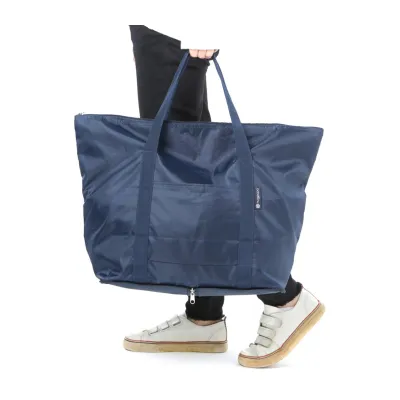
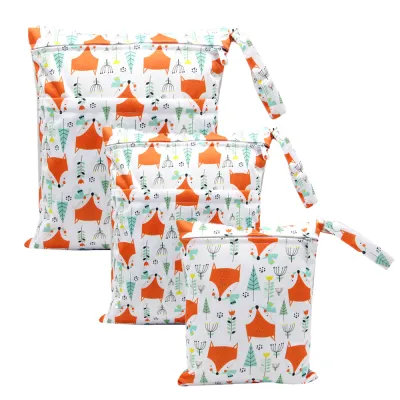

Prices are valid at publication and may change. Please refer to the product page for the latest price.

A well-designed diaper clutch can hold just two or three diapers, a travel-sized pack of wipes, and a small tube of barrier cream, easily fitting under your arm or inside a standard tote. Crossbody slings keep the bag securely against your body, preventing it from swinging forward when you bend down to tend to your child or lift them into a stroller.
Rapid-access exterior pockets are a critical feature for short trips. When a sudden diaper change or spill occurs in a public space, you want to avoid unzipping a deep main compartment and rummaging through layers of gear. Look for bags that feature dedicated exterior wipe pockets with magnetic flaps or quick-pull zippers, allowing you to grab a wipe with one hand while keeping your other hand safely on your baby.
Similarly, an easily accessible slip pocket on the back of the bag keeps your personal essentials, such as your phone, keys, and transit card, within arm’s reach without mixing them with baby items.
Strap comfort and stability are equally important when managing a short trip, especially if you are navigating public transit or pushing a stroller. A wide, adjustable crossbody strap helps distribute the weight of even a light bag across your shoulder, reducing localized pressure points. If you are carrying a toddler who frequently transitions between walking and wanting to be held, a hands-free crossbody or small backpack design is essential. It ensures the bag remains stable and does not slip off your shoulder when you lift your child, maintaining your balance and safety.
Essential Features for Full-Day Outings
Extended days away from home—such as a full-day family gathering, a trip to a nature reserve, or a long day of shopping and dining—demand a diaper bag that functions as a mobile changing and feeding station. High-capacity diaper backpacks are the gold standard for these long itineraries because they distribute weight evenly across both shoulders, reducing the risk of musculoskeletal strain during prolonged walking. The interior of a full-day bag must feature a robust organization system to maintain hygiene and order over several hours.
A key feature to look for is a dedicated, insulated bottle pocket. These pockets help maintain the temperature of breast milk, warm water for formula, or chilled baby food, though you should always verify the manufacturer’s specific temperature-retention limits and follow safe storage guidelines for milk. Separate wet/dry compartments lined with water-resistant materials like thermoplastic polyurethane (TPU) are equally vital. They allow you to isolate soiled clothing, used bibs, or wet reusable diapers from clean items, preventing cross-contamination and odors. Additionally, secure tech sleeves or padded compartments protect parental devices like tablets or laptops, keeping them safe from potential bottle leaks.
Ergonomics play a decisive role in caregiver comfort when carrying a fully loaded bag for eight to twelve hours. Look for wide, S-shaped shoulder straps with thick foam padding and breathable mesh panels, which help dissipate heat and moisture in warm, humid climates. An adjustable chest clip or sternum strap further stabilizes the load, preventing the shoulder straps from slipping outward. Reinforced stroller straps or integrated trolley sleeves are also highly beneficial, allowing you to secure the bag to a stroller handle or luggage handle when transit conditions permit. However, always consult your stroller’s safety manual regarding maximum weight limits on the handlebar to prevent tipping hazards.
Material durability and ease of cleaning are non-negotiable for long-term use across varied environments. The exterior fabric should be water-resistant and abrasion-resistant, such as high-density nylon or treated polyester, which can withstand being placed on park benches, grass, or restroom floors. The interior lining should be light-colored to make finding small items easier in low-light conditions, and it must be fully wipeable. Before purchasing, verify that the materials are free from harmful chemicals like BPA, lead, and phthalates by checking the manufacturer’s product specifications.
Versatile Diaper Bags: Adapting to Mixed Itineraries
For parents who prefer not to switch between multiple bags, versatile or modular diaper bags offer an adaptable solution that scales to match changing daily schedules. These designs allow you to transition from a quick morning errand to a full afternoon outing without the hassle of transferring items from one bag to another. Look for expandable diaper bags that feature zippered expansion gussets, which can increase the bag’s internal volume by twenty to thirty percent when extra packing space is required.
Modular systems utilizing removable packing cubes or detachable exterior pouches provide excellent flexibility. For a quick trip, you can simply detach a small front pouch that functions as a self-contained diaper clutch, leaving the heavier main compartment in your vehicle or at home. When preparing for a full day out, the packing cubes can be loaded with specific categories of items—such as one cube for changing supplies, one for feeding gear, and one for spare clothes—and slotted into the main bag. This modular approach keeps the bag organized and allows you to hand off specific cubes to other caregivers or family members as needed.
Dual-carry options further enhance versatility, allowing a single bag to convert between a backpack, a shoulder tote, and a crossbody bag. This adaptability is particularly useful when transitioning between different modes of transit, such as switching from walking with a backpack to boarding a crowded bus where a hand-held tote is more practical. Furthermore, choosing a diaper bag with a neutral, minimalist aesthetic and discreet pockets allows the bag to remain useful long after your child has outgrown diapers. High-quality convertible bags can easily transition into professional work bags, gym bags, or travel carry-ons, maximizing your long-term investment.
How to Build Your Diaper Bag Shortlist
Selecting the ideal diaper bag requires a systematic approach that matches product specifications with your family’s daily routines. To build an effective shortlist, begin by defining your personal packing requirements based on your child’s age and feeding method. Newborns typically require more frequent diaper changes and changes of clothing, necessitating a bag with higher volume and more dedicated pockets. If you are formula-feeding, you will need dedicated space for multiple bottles, a thermos of warm water, and formula dispensers, whereas breastfeeding parents may require less feeding-specific space but might prioritize a discreet pocket for a breast pump or nursing cover.
Once you have defined your capacity needs, verify the manufacturer’s technical specifications for any bag you are considering. Pay close attention to the maximum weight limits specified for the straps and seams to ensure the bag can safely support your typical load. If you plan to hang the bag on a stroller, verify compatibility with your stroller’s handlebar design and check the stroller manufacturer’s warnings regarding weight distribution. Hanging a heavy bag (often costing anywhere from S$80 to S$250 or more for premium models) on a lightweight stroller can easily cause it to tip backward, posing a safety risk to your child.
Before making a final decision, conduct a practical testing routine either in-store or during an at-home trial period. Load the bag with items of equivalent weight to your planned gear, such as water bottles and folded towels, to assess how the bag carries when fully loaded. Test the durability and smoothness of the zippers; they should operate easily with one hand, as you will often have your other hand occupied. Check the adjustability of the straps to ensure they fit comfortably over different types of clothing, and evaluate the bag’s base stability. A diaper bag with a structured, reinforced base that stands upright on its own when placed on a flat surface is far easier to pack and unpack than one that collapses or tips over.
Frequently Asked Questions (FAQ)
Do I need two separate diaper bags for different outings?
Whether you need two separate diaper bags depends on your lifestyle, budget, and tolerance for daily repacking. A two-bag system—consisting of a small, dedicated quick-grab bag and a larger full-day backpack—can significantly reduce daily preparation fatigue. You can keep the quick-grab bag permanently stocked with basic changing essentials in your vehicle or stroller, ensuring you are always ready for spontaneous short trips. However, if you prefer a minimalist approach or want to optimize your budget, a single high-quality modular bag with removable pouches offers a highly cost-effective and streamlined alternative that adapts to any itinerary.
What is the ideal weight for a fully packed full-day diaper bag?
As a general ergonomic guideline, a loaded backpack should not exceed ten to fifteen percent of the carrier’s body weight to prevent back, neck, and shoulder strain. For a caregiver weighing 60 kg, this translates to a maximum packed bag weight of approximately 6 kg to 9 kg, though a lighter load is always preferable. To minimize physical strain during long outings, utilize practical strategies such as packing travel-sized toiletries, carrying concentrated formula packets instead of large containers, and utilizing your stroller’s undercarriage basket to carry heavier items. If you travel by car, consider keeping a secondary supply crate in your trunk to restock your diaper bag throughout the day rather than carrying all supplies on your back.
Community discussion
Share your experience or ask a question. Comments are reviewed before publication.