
For a typical 2-3 day stay at a Singapore public hospital, a maternity hospital bag with a capacity of 30 to 45 liters is generally the most practical choice. This size provides ample room for both maternal postpartum necessities and newborn essentials without becoming too cumbersome to transport or store.
Selecting the right bag requires balancing your packing list with the physical realities of hospital ward layouts. Public hospital environments often feature shared spaces where storage is at a premium, making bag structure and size critical factors for a stress-free stay.
Estimating the Right Bag Size for a Short Hospital Stay
A capacity of 30 to 45 liters is roughly equivalent to a standard weekender bag or a medium-sized duffel bag. This volume allows you to pack comfortably for a two-to-three-day stay, which is the typical duration for an uncomplicated vaginal delivery or a routine cesarean section.
Products mentioned in this guide
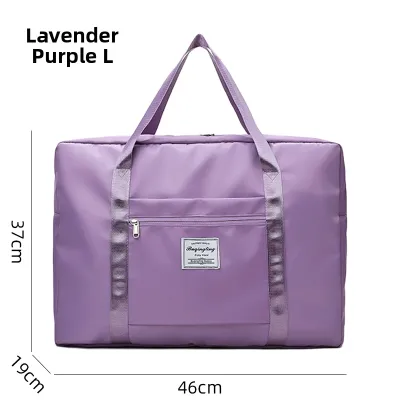
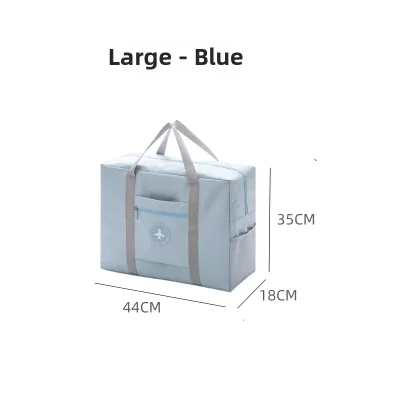

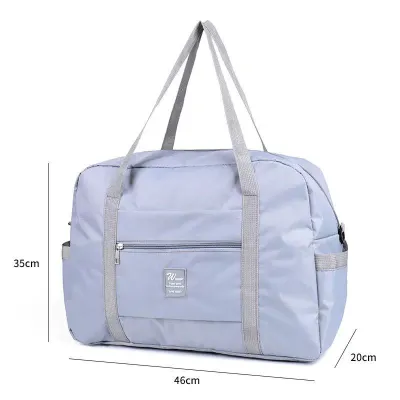
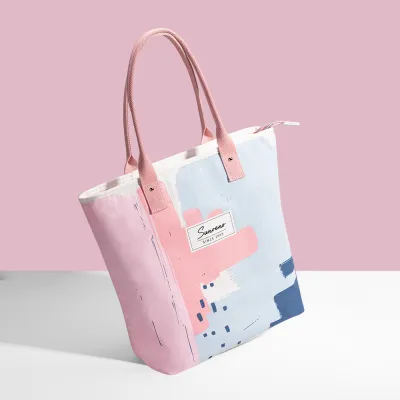
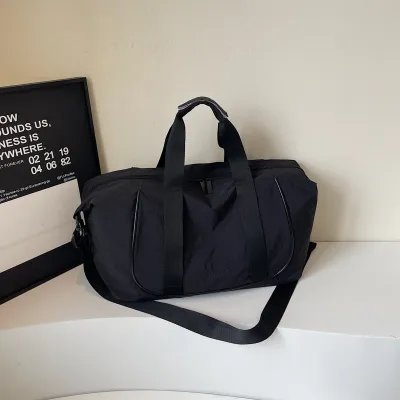
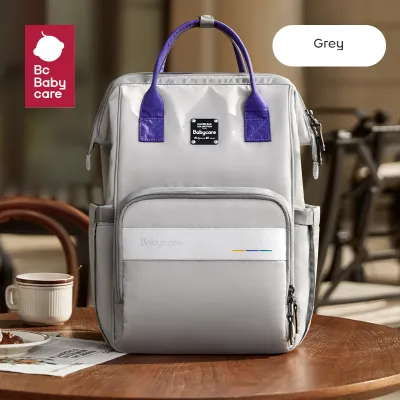
Prices are valid at publication and may change. Please refer to the product page for the latest price.
Soft-sided duffel bags and weekender bags are highly recommended over rigid suitcases for public hospital stays. In shared wards, such as Class B2 or C wards, bedside space is limited, and personal storage is usually restricted to a small bedside locker. Soft-sided bags can be easily compressed, folded, or tucked under the bed or inside a narrow locker, whereas a hard-shell suitcase remains rigid and takes up valuable floor space.
Standard diaper bags typically offer a capacity of 15 to 25 liters. While these are excellent for daily outings with a baby, they are generally too small to serve as a single bag for a multi-day hospital stay. Attempting to pack both your postpartum recovery items and your newborn’s clothing into a standard diaper bag often results in an overstuffed zipper that is difficult to navigate in a hurry.
If you prefer to use a hard-shell cabin suitcase, aim for a compact carry-on size of no more than 35 liters. Keep in mind that opening a clamshell-style suitcase requires a flat surface, such as a bed or a large table. In a busy ward, you may find it inconvenient to lift and open a rigid suitcase every time you need a fresh pair of socks or a nursing pad.
Core Essentials That Dictate Your Required Volume
The bulk of your hospital bag volume will be occupied by postpartum recovery wear and personal care items. Maternity pads, disposable underwear, and nursing bras are essential but take up considerable physical space. Packing two to three sets of loose, comfortable loungewear or front-opening pajamas for easy nursing is highly recommended, and these fabrics quickly fill up a bag’s main compartment.

Newborn essentials also contribute to the overall volume, even though the items themselves are small. While Singapore public hospitals typically provide basic swaddles, diapers, and wipes during your admission, you will need to pack a going-home outfit, a couple of receiving blankets, and a swaddle for the day of discharge. These items should be kept clean and separate from your personal belongings.
Personal toiletries and postpartum care items can quickly bloat your bag if not managed carefully. Opting for travel-sized containers for your shampoo, body wash, toothbrush, and skincare products is an easy way to reclaim valuable liters of space. A compact, waterproof toiletry pouch that can hang on a bathroom hook is highly functional in shared hospital bathrooms.
Space-Saving Strategies and Functional Bag Features
Using packing cubes or compression bags is one of the most effective ways to maximize a 30-to-45-liter bag. Categorizing your items into separate cubes—such as one for labor wear, one for postpartum clothing, and one for the baby—keeps your bag organized and prevents you from having to unpack everything to find a single item. Vacuum-seal or zip-lock bags can also compress bulky items like sweaters or towels.
Prioritize bags with a wide-opening main compartment, such as a doctor-bag style or a full-perimeter zipper. When you are recovering in bed, you want to be able to see the entire contents of your bag at a glance. Deep, top-loading backpacks often require you to pull out multiple items just to reach something at the bottom, which can be frustrating in a confined space.
External pockets and quick-access compartments are invaluable for holding essential documentation. Keep your admission papers, identity cards, prenatal medical records, and phone chargers in dedicated outer pockets. This ensures that you or your birth partner can retrieve important items instantly during admission without rummaging through your clothing.
Common Capacity and Packing Mistakes to Avoid
Overpacking baby clothes is a frequent mistake made by first-time parents. Newborns spend the vast majority of their hospital stay wrapped in hospital-provided swaddles and basic shirts. Packing multiple cute outfits, hats, and booties is unnecessary and wastes precious bag space; you truly only need one comfortable outfit for the baby’s journey home.
Bringing rigid, oversized luggage can create physical obstacles in a shared ward. Large suitcases can block the pathways around your bed, making it difficult for nurses, doctors, and ward assistants to monitor you or move medical equipment. Respecting the spatial limits of the ward ensures a safer and more comfortable environment for everyone.
Always leave about 10% to 15% of your bag empty when packing at home. Upon discharge, you will likely receive take-home medications, physical therapy booklets, baby care samples, and paperwork from the hospital. Having a small amount of reserve space prevents you from having to carry multiple loose plastic bags on your journey home.
Frequently Asked Questions (FAQ)
Can I use a regular diaper bag as my maternity hospital bag?
A standard diaper bag is generally too small to be the sole bag for a 2-3 day hospital stay, as it typically ranges from 15 to 25 liters. While it can easily hold your baby’s going-home clothes and diapers, it will not have enough room for your own postpartum clothing, toiletries, and recovery gear. If you wish to use a diaper bag, it is best to pair it with a medium-sized duffel bag or use it strictly for the baby’s items.
Do I need to pack a separate bag for my birth partner?
Yes, it is highly recommended that your birth partner packs a separate, small backpack for their own essentials. Combining your partner’s clothes, snacks, and electronics into your main maternity bag will make it overly bulky and difficult to organize. A separate backpack allows your partner to easily access their own jacket, water bottle, and chargers without disturbing your recovery items.

Community discussion
Share your experience or ask a question. Comments are reviewed before publication.