
Finding the right diaper bag in Singapore requires balancing storage capacity, smart organization, and long-term durability against a warm, humid climate and an active, on-the-go lifestyle. Whether you are navigating MRT stations with a stroller, heading to a humid outdoor park, or visiting an air-conditioned shopping mall, your choice of bag directly impacts your daily comfort and efficiency. Investing in a high-quality diaper bag—typically ranging from S$80 to S$250—is a multi-year decision, as the bag often transitions from infancy through the toddler years. To make an informed choice, you must look beyond brand marketing and focus on verifiable material specifications, structural layouts, and ergonomic designs that match your specific caregiving routine.
The physical environment in Singapore dictates many of your material and design choices. High humidity can cause certain synthetic materials to degrade or peel, while sudden tropical downpours require a bag that can keep your baby’s dry clothes and electronics safe. By understanding how to evaluate capacity, pocket layouts, and construction quality, you can select a bag that remains comfortable, functional, and durable throughout your parenting journey.
What to Look for When Comparing Diaper Bags
Stated volume, often measured in liters, can be highly misleading because it does not account for internal dividers, pocket shapes, or structural stiffness. A 20-liter bag with a single open compartment may hold less organized gear than a 15-liter bag with dedicated, structured pockets. When estimating your daily carry needs, consider your child’s age; newborns require multiple changes of clothes, numerous diapers, and feeding supplies, whereas toddlers need fewer diapers but more space for snacks, toys, and water bottles.
Products mentioned in this guide
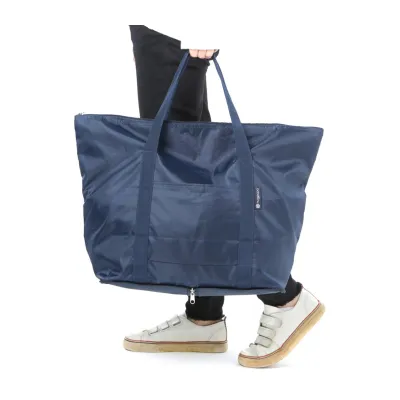
Prices are valid at publication and may change. Please refer to the product page for the latest price.
Smart organization is essential for maintaining order during unexpected situations. Look for insulated bottle pockets that help maintain liquid temperatures during outings, wipe-clean linings that prevent spilled milk or formula from staining, and easily accessible parent compartments for keys, wallets, and phones. These features save time and reduce stress when you need to locate an item quickly with one hand.
Structured bags that stand upright on their own are incredibly helpful when you are trying to retrieve a wipe or bottle with one hand while holding a baby. Unstructured bags tend to collapse when placed on a flat surface, making it difficult to find items quickly. Additionally, look for dedicated compartments for wet or soiled items, such as a waterproof zippered pocket, which is crucial for containing damp clothes or soiled bibs and preventing them from contaminating clean items.
Durability is especially critical in Singapore’s humid climate, which can accelerate the degradation of low-quality synthetic materials and adhesives. Inspect the stitching quality at high-stress points, look for heavy-duty zipper grades (such as YKK or metal zippers), and check for reinforced bases that protect the bag when placed on rough or damp outdoor surfaces. Physical inspections in-store or close-up product images are excellent ways to verify these structural details before purchasing.
Comparing Storage Capacity and Pocket Layouts
The way you access the main compartment determines how efficiently you can pack and retrieve items on the go. Clamshell openings unzip fully to lay flat, allowing you to see and access every item instantly without digging. In contrast, top-loading bags offer a deeper, more compact footprint that works well in tight spaces like public transport, though they often require you to stack items, making things at the bottom harder to reach.

External pockets should be evaluated for their placement, depth, and closure mechanisms. Quick-grab items like wet wipes, pacifiers, and your phone need to be accessible without unzipping the entire bag. Magnetic closures offer silent, one-handed access, while zippered external pockets provide better security for valuables when traveling through crowded shopping malls or transit hubs.
Before finalizing a purchase, use the manufacturer’s specifications to verify the presence of internal dividers, key clips, and dedicated changing mat sleeves. A dedicated sleeve keeps the changing mat separate from clean clothes and feeding gear, maintaining hygiene. Internal mesh pockets are highly useful because they allow you to identify contents at a glance without unzipping multiple compartments.
Not all insulated pockets are created equal; some only accommodate standard slim bottles, while others are wide enough for wide-neck bottles or food jars. Verify the dimensions of these pockets against your preferred bottle brand to ensure a proper fit. Additionally, check if the bag features integrated stroller straps or D-rings, which allow you to hang the bag securely from the stroller handlebar, relieving your shoulders during long walks.
How to Verify Build Quality and Durability
Always check the manufacturer’s care labels and product specifications for water resistance, wipeability, and maximum weight limits. In Singapore’s frequent rain showers, a water-resistant exterior fabric like treated nylon or polyester is highly beneficial for protecting dry clothes and electronics. Avoid assuming a bag is waterproof unless the manufacturer explicitly states the water-resistance rating or IPX level.
Perform a physical or visual inspection of high-stress areas to ensure the bag can handle daily loads. Examine the shoulder strap attachments and handle anchors; look for cross-stitching (often in a box-X pattern) or metal rivets that distribute weight evenly. Zipper tracks should be thick and operate smoothly without catching on the surrounding fabric lining.
Fabric types play a significant role in long-term durability. Nylon and polyester are lightweight and highly water-resistant, making them ideal for Singapore’s weather, whereas canvas can absorb moisture and vegan leather can sometimes peel or crack if exposed to high humidity and heat over time. Furthermore, light-colored interior linings reflect light better, making it much easier to see the contents of your bag in low-light environments compared to dark black or navy linings.
A brand’s confidence in its product is often reflected in its warranty terms, return policies, and the availability of replacement parts. Check if the manufacturer offers a warranty against stitching failures or hardware defects, and verify if replacement straps or changing pads can be purchased separately. A robust warranty policy provides peace of mind and extends the usable lifespan of your investment.
Which Diaper Bag Profile Fits Your Daily Routine?
Your choice of diaper bag style should align with your primary mode of travel and caregiving setup. Choose a structured backpack if you frequently use public transport, carry your baby in a carrier, or simply need hands-free mobility to manage a stroller. Backpacks distribute weight evenly across both shoulders, reducing the risk of muscle strain during extended wear, which is particularly beneficial for parents who walk long distances.
Opt for a convertible tote or shoulder bag if you prefer quick access to your items while the bag is hanging from a stroller handlebar, or if you transition frequently between professional and parenting environments. These styles offer a more classic, professional aesthetic that can easily transition to a work bag or casual tote once your child outgrows the diaper stage. However, carrying a heavy tote on one shoulder for long periods can cause neck and shoulder fatigue.
Be mindful of the trade-off between maximum storage capacity and the overall physical weight of the bag when fully loaded. A large, heavy-duty bag might hold everything you could possibly need, but it can quickly become a physical burden during long walks or warm outdoor excursions. Selecting a lightweight base material, such as high-grade nylon, helps minimize the starting weight before you add baby essentials.
For short errands or quick trips to the neighborhood supermarket, carrying a massive diaper bag is often unnecessary. In these scenarios, utilizing a secondary, smaller essentials pouch or a compact wristlet that holds just a single diaper, a small pack of wipes, and a diaper cream can be highly efficient. You can easily transfer this smaller pouch between your primary high-capacity diaper bag and a regular handbag as needed. Always verify the manufacturer’s weight limits and age recommendations for any included accessories, such as changing pads or stroller straps, to ensure safe usage.
Frequently Asked Questions (FAQ)
How do I clean and maintain the interior lining of a diaper bag?
Always check the manufacturer’s care label inside the bag before applying any cleaning agents or washing methods. For general maintenance, spot-clean the interior lining using a damp cloth, warm water, and a mild, baby-safe soap to remove minor spills and crumbs. Avoid using harsh chemical cleaners, bleach, or machine washing unless the official brand guidelines explicitly state it is safe to do so, as these can degrade water-resistant coatings and weaken structural seams. After cleaning, dry the bag completely in a well-ventilated indoor area away from direct sunlight to prevent mold and mildew growth, which is a common issue in Singapore’s high humidity.
What is the ideal weight for a fully packed diaper bag?
To prevent physical strain and long-term back discomfort, caregivers should aim to keep the fully packed diaper bag’s weight under ten to fifteen percent of their own body weight. Adjust the shoulder straps so the bag sits snugly against your back, distributing the load evenly across your shoulders and hips rather than letting it sag. Regularly audit the contents of your bag to remove expired snacks, outgrown clothes, and excess toys, ensuring you only carry what is truly necessary for the day’s outing. If the bag is equipped with chest or waist supports, utilize them to further distribute the weight and reduce pressure on your lower back.
Community discussion
Share your experience or ask a question. Comments are reviewed before publication.