
Protecting your home’s electrical outlets from water is a critical safety step, especially with curious toddlers exploring. A waterproof socket cover provides an essential layer of defense against splashes, steam, and damp hands. However, not all covers offer the same protection. To choose the right cover for your bathroom, kitchen, or balcony, you must understand Ingress Protection (IP) ratings. These standardized codes tell you how well a cover shields live electrical components from dust and moisture. By matching the right IP rating to the specific water risks of each room, you can create a safer environment for your family.
Decoding IP Ratings on Socket Covers
When shopping for a waterproof socket cover, you will notice an IP rating printed on the packaging, such as IP44 or IP66. This Ingress Protection system is an international standard defining how effectively electrical enclosures seal out foreign objects and moisture. The code consists of the letters “IP” followed by two digits.
The first digit (0 to 6) measures protection against solid objects like dust and tiny fingers. The second digit (0 to 9) measures protection against liquids. For household socket covers, this second digit is the most critical factor, indicating how well the cover resists water drips, splashes, or direct jets.
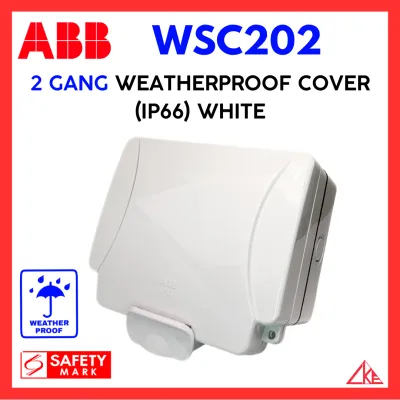
Products mentioned in this guide
![[SG seller] Schneider electric Weatherproof IP55 In Socket Cover | 1 Gang 2 Gang Lockable | Goldberg Home](https://img.lazcdn.com/g/p/f3302220f35f3e039d1b28e1d5dd1fa1.png_400x400q80.png_.webp)
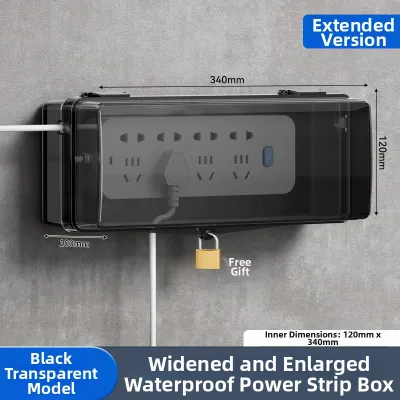
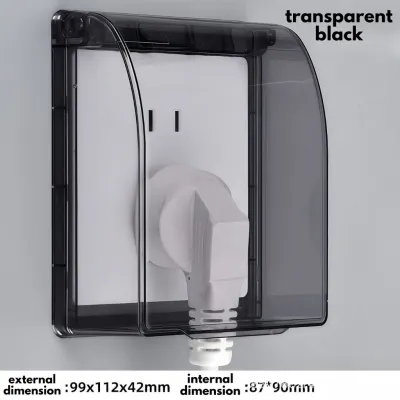
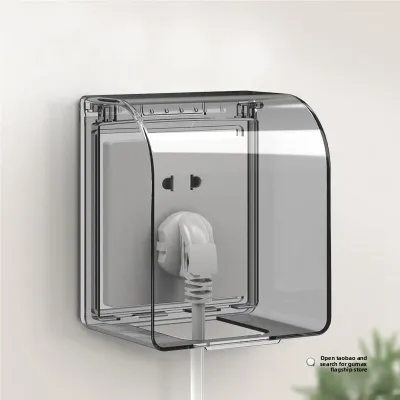
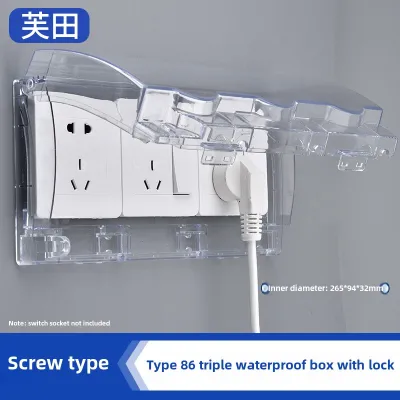
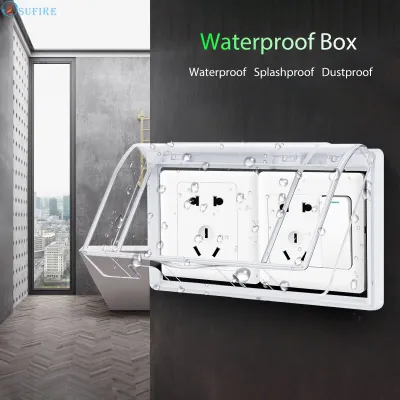
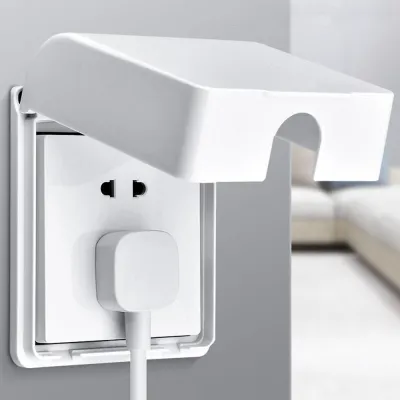
Prices are valid at publication and may change. Please refer to the product page for the latest price.
Always check the manufacturer’s specific testing conditions on the product packaging. Standard IP ratings are tested under controlled laboratory environments and do not account for extreme conditions like high-pressure power washing or aggressive chemical cleaners, which can degrade the protective seals over time.
Matching IP Ratings to Room-Specific Water Risks
Every room in your home presents a different level of moisture exposure, meaning a single cover type will not fit all areas. Evaluating your home involves understanding electrical zoning—the distance between a water source and an outlet. While a high-quality waterproof socket cover adds security, it does not replace proper electrical zoning. Safe socket placement remains your primary defense against electrical hazards, while a well-chosen cover serves as a vital secondary barrier against accidental splashes and high humidity.

Bathrooms and High-Moisture Zones
Bathrooms are high-risk areas due to constant running water, heavy condensation, and lingering steam. Wet zones typically include areas immediately adjacent to showers, bathtubs, and washbasins. In these spaces, water can easily find its way into unprotected outlets, leading to short circuits.
Before installing any electrical accessories in a bathroom, check your local electrical codes and building standards for strict socket placement restrictions. Any socket cover permitted in these high-moisture zones must be rated for direct splashes and feature secure sealing mechanisms. Look for covers with robust, continuous rubber or silicone gaskets to prevent fine water vapor and internal condensation from building up inside the socket enclosure.
Kitchens and Splash-Prone Areas
The kitchen is a busy hub where water, food preparation, and electrical appliances interact. Splash-prone areas are common near kitchen sinks, countertops, and appliance stations. Here, the primary risks are accidental liquid spills, soapy splashes from washing dishes, and steam rising from cooking appliances.
Socket covers in the kitchen must handle routine cleaning. During daily chores, countertops are frequently wiped down with wet cloths, and a splash-proof cover prevents moisture from seeping into the outlet. When selecting a cover, prioritize designs with secure sealing to prevent grease and moisture from accumulating behind the cover plate, which could lead to hidden corrosion on the socket terminals.
Outdoor Spaces and Balconies
Outdoor areas, including open patios, sheltered balconies, and garden walls, face harsh environmental challenges. In tropical climates, outdoor sockets must endure intense humidity, heavy seasonal downpours, and temperature shifts. A sheltered balcony might only experience occasional wind-blown rain, whereas an exposed garden wall requires maximum protection against direct rainfall.
For these environments, select socket covers with high water ingress protection ratings designed to withstand heavy splashing. Ensure the cover is made from UV-resistant materials to prevent the plastic from becoming brittle in the sun. Finally, verify that the underlying socket box and wiring are also specifically rated and sealed for outdoor use.
Integrating Socket Covers into Babyproofing Plans
For parents of toddlers, waterproof socket covers serve a dual purpose. Beyond keeping moisture out, they act as robust physical barriers that prevent curious children from inserting fingers or objects into live slots. Toddlers are naturally drawn to low-lying wall outlets, making secure covers an indispensable part of your babyproofing strategy. While a basic waterproof socket cover is highly affordable—often costing under S$15 at local hardware stores—the protection it offers is invaluable.
However, a waterproof cover is only as safe as the outlet beneath it. Never rely on a cover to mask underlying electrical issues. If a socket is loose, cracked, or poorly wired, installing a cover will not eliminate the risk of electrical fire or shock.
Incorporate socket cover inspections into your regular home maintenance routine. Periodically check each cover for signs of wear, such as cracked seals, loose hinges, or warped plastic. Look closely for any signs of trapped moisture or condensation inside the cover dome, which could create a new hazard.
Installation Limits and Professional Verification
While attaching a simple clip-on or adhesive waterproof cover is generally a straightforward DIY task, modifying or replacing the actual electrical socket is not. Any task that involves wiring, replacing a faceplate, or moving a socket in wet areas must be performed by a licensed electrician to ensure compliance with safety standards.
If you notice any warning signs on your existing sockets—such as discoloration, scorch marks, or a warm faceplate—stop using the outlet immediately and contact a professional.
Before attempting to install any aftermarket cover, establish clear stop conditions. If you find that the cover does not fit flush against the wall, if the existing wall box is loose or damaged, or if you spot any exposed wires, halt the installation. A poorly fitted cover can trap water instead of repelling it.
Frequently Asked Questions (FAQ)
Can a waterproof socket cover completely prevent a toddler from getting shocked?
While a high-quality waterproof socket cover significantly reduces the risk of electrical accidents, it cannot guarantee absolute safety. If the underlying socket is faulty, or if water has bypassed a damaged seal, a hazard still exists. For comprehensive protection, ensure that your home’s electrical panel is equipped with a functioning Residual Current Device (RCD) or Earth Leakage Circuit Breaker (ELCB) to instantly cut off power if an electrical leak is detected.
Do I need to turn off the main power to install a waterproof cover?
Yes, safety should always come first. Before installing, adjusting, or cleaning any socket cover that requires removing or loosening the faceplate screws, turn off the specific circuit breaker at your home’s main distribution board. After switching off the breaker, use a reliable voltage tester on the outlet to confirm that the power is completely off before you begin any work.

Community discussion
Share your experience or ask a question. Comments are reviewed before publication.