
Navigating Singapore’s unpredictable tropical weather with a baby requires careful preparation, especially when sudden afternoon downpours can threaten to soak clean clothes, diapers, and sensitive electronics. A waterproof diaper bag serves as a critical shield, but finding the right one involves balancing water protection with organizational efficiency and carrying comfort. The ideal choice depends heavily on your daily transit modes—whether you rely on public transport like the MRT, walk through outdoor connectors, or travel primarily by car—as well as your specific packing habits. Rather than searching for a single, universally perfect bag, parents benefit most from evaluating verifiable material specifications, compartment layouts, and ergonomic designs. This guide provides a practical framework to compare these essential features, helping you select a bag that keeps baby essentials dry and orderly during daily outings.
How to Evaluate Waterproof Claims and Material Durability
When browsing diaper bags, terms like “waterproof” and “water-resistant” are often used interchangeably, but they represent very different levels of protection. Water-resistant bags are typically made of tightly woven fabrics, such as nylon or polyester, treated with a light water-repellent coating. These bags can handle light splashes or a brief drizzle, causing water to bead up and roll off the surface. However, during a heavy tropical downpour, water will eventually seep through the fabric and seams. Truly waterproof bags utilize impermeable materials like thermoplastic polyurethane (TPU) or heavy-duty polyurethane (PU) coatings, which prevent water penetration even when exposed to sustained wetness.
Beyond the primary fabric, the construction of the bag determines its ultimate water resistance. Standard stitching creates tiny needle holes where water can easily enter. High-quality protective bags feature taped or heat-welded seams that seal these entry points. Zippers are another common failure point; look for rubberized waterproof zippers or wide fabric storm flaps that cover the zipper tracks. Roll-top closures, common in outdoor dry bags, offer the highest level of protection against water entry but may slow down access to your items.
Products mentioned in this guide
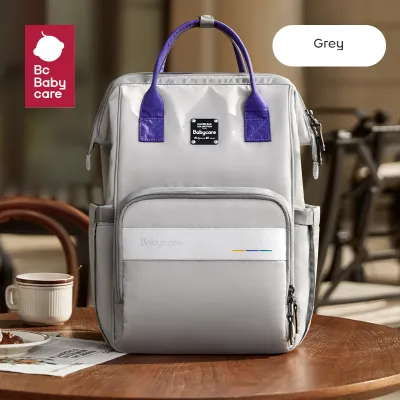
Prices are valid at publication and may change. Please refer to the product page for the latest price.
Before purchasing, always review the manufacturer’s care instructions, as improper maintenance can rapidly degrade protective coatings. Many waterproof coatings are sensitive to machine washing, harsh detergents, and high heat. Exposure to these elements can cause the interior laminate to peel or crack, permanently compromising the bag’s water-shedding capabilities. Understanding these material limits helps you choose a bag that matches your willingness to follow specific cleaning protocols.
Comparing Compartment Design and Organization Features
An organized diaper bag prevents the frustration of rummaging through a dark, wet interior during an emergency. When evaluating internal layouts, look for dedicated compartments designed to isolate specific items. Insulated bottle pockets are highly valuable for maintaining the temperature of milk or warm water, but they also serve a secondary safety function: isolating potential bottle leaks from the rest of the bag’s contents. Check if these pockets feature a wipeable, waterproof lining that prevents spilled liquid from soaking into adjacent dry compartments.

Wet/dry separation compartments are equally essential for managing soiled clothes, damp bibs, or used swim diapers. These compartments should be lined with an impermeable material like PEVA or TPU and sealed with a reliable zipper. This design keeps moisture and odors contained, protecting clean diapers and dry clothing stored in the main compartment. Ensure the wet pocket is large enough to hold a full change of clothes and is positioned for easy cleaning.
The style of access to the main compartment significantly impacts daily usability. Clamshell openings, which zip open fully to lay flat, allow you to see and access every item instantly without digging. However, they require a clean, flat surface to open fully without spilling contents. Top-loading drawstring or doctor-bag style openings are easier to access while holding a baby or standing on a crowded bus, but they can make it harder to retrieve items packed at the very bottom. Consider your typical diaper-changing environments when choosing between these access styles.
Carrying Styles and Ergonomics for Daily Outings
The way you carry your diaper bag affects your physical comfort and mobility during long outings. Backpack-style diaper bags are highly popular because they distribute weight evenly across both shoulders, reducing strain on your back and neck. This hands-free design is particularly advantageous when navigating escalators, boarding public buses, or holding your baby’s hand. In contrast, tote or messenger-style bags offer quicker access to contents while worn, but carrying a heavy load on one shoulder can quickly lead to fatigue and posture misalignment.
Stroller compatibility is a convenient feature, but it requires strict safety awareness. Many diaper bags come with integrated stroller straps or clips that allow you to hang the bag from the handlebar. While this clears up space in the stroller’s under-seat basket, hanging a heavy bag can easily cause the stroller to tip backward, especially when you lift your child out of the seat. To prevent accidents, always check the stroller manufacturer’s weight limits and prioritize placing heavy items in the lower basket rather than hanging them from the handlebar.
For long-term comfort in Singapore’s warm and humid climate, pay close attention to the bag’s ergonomic details. Look for wide, contoured shoulder straps with thick padding to prevent the straps from digging into your shoulders. Breathable mesh back panels are highly beneficial, as they promote airflow and reduce sweat buildup during outdoor walks. Adjustable chest or waist straps can also help stabilize the bag, preventing it from shifting while you bend down to tend to your child.
Decision Framework: Matching Bag Features to Your Routine
To select the most suitable waterproof diaper bag, you must align the bag’s design with your daily routine and primary mode of transportation. If you rely heavily on public transit, walk long distances through outdoor pathways, or frequently carry your baby in a carrier, a structured backpack style is highly recommended. This style keeps your hands completely free to hold handrails, manage tickets, or support your baby. Look for a compact footprint that does not protrude excessively, making it easier to navigate crowded MRT trains and buses without bumping into other passengers.
If your daily routine primarily involves driving or pushing a stroller through air-conditioned shopping malls, a tote or wide-access top-loading bag may be more convenient. These bags can sit flat in your car boot or fit neatly into the stroller’s lower storage basket. The wide top opening allows you to perform quick visual checks and grab items with one hand without needing to unbuckle multiple straps. Since you will not be carrying the bag on your back for extended periods, you can prioritize quick access and high capacity over advanced ergonomic harness systems.
Finally, consider any specific niche requirements that arise from your lifestyle. Working parents who commute directly from childcare to the office should look for diaper bags that include a dedicated, padded laptop sleeve. Ensure this sleeve is physically separated and waterproofed from the bottle and wet compartments to protect your electronics from accidental spills. If you frequently engage in outdoor activities like beach trips, pool visits, or hiking, prioritize bags with extreme weather sealing, such as roll-top closures and heavy-duty TPU exteriors, which offer maximum protection against sand, dust, and heavy water exposure.
Maintenance and Care for Long-Term Water Resistance
Proper maintenance is essential to preserve the protective qualities of your waterproof diaper bag and extend its lifespan. For routine cleaning, avoid submerging the bag in water or placing it in a washing machine, as the agitation and spinning can delaminate the waterproof backing. Instead, spot-clean the exterior and interior surfaces using a soft cloth dampened with warm water and a mild, fragrance-free soap. Gently wipe away dirt, spit-up, or spilled milk, and avoid using abrasive scrub brushes or harsh chemical cleaners that can strip away water-repellent coatings.
After cleaning, or after exposure to rain, ensure the bag dries completely before storing it. Open all zippers and compartments fully and hang the bag in a well-ventilated, shaded indoor area. Avoid drying the bag in direct, intense sunlight, as prolonged UV exposure can degrade synthetic fabrics and cause waterproof linings to become brittle and crack. Never use a tumble dryer or hair dryer, as high heat can melt or warp the protective coatings and synthetic zippers. Proper drying also prevents the growth of mold and mildew, which thrive in humid environments.
Over time, all waterproof materials will experience natural wear and tear. Regularly inspect your bag for observable signs of degradation, such as peeling or flaking interior linings, stiff or sticking zippers, and worn stitching around high-stress areas like strap attachments. If you notice that water no longer beads on the exterior fabric but instead soaks directly into the material, the water-repellent coating has worn down. Recognizing these signs of wear helps you determine when it is time to replace the bag to ensure your baby’s essentials remain fully protected.
Frequently Asked Questions (FAQ)
Can I use a regular waterproof backpack instead of a specific diaper bag?
Yes, you can repurpose a standard outdoor waterproof backpack, but you will miss out on specialized features designed specifically for baby care. Regular outdoor bags often lack insulated bottle pockets, dedicated wet/dry compartments, and integrated stroller attachments. They also tend to have deep, single-compartment designs where small items like pacifiers and diaper cream can easily get lost. If you choose to use a standard waterproof backpack, you can bridge this gap by using modular organizers, such as insulated bottle sleeves and color-coded wet bags, to keep your baby essentials organized and accessible.
How do I test if a diaper bag's waterproof coating is still effective?
You can perform a simple, non-destructive visual test to check the condition of your bag’s exterior water-repellent coating. Flick a few drops of clean water onto the outside fabric of the bag. If the water forms distinct, round beads and rolls off easily when you tilt the bag, the coating is still fully functional. If the water flattens out and darkens the fabric, indicating absorption, the protective coating has degraded. Always inspect the interior seams for peeling tape and consult the manufacturer’s care guidelines before attempting to apply any aftermarket waterproofing sprays, as some chemicals can damage the bag’s original materials.

Community discussion
Share your experience or ask a question. Comments are reviewed before publication.