
When selecting a diaper bag, parents often search for a “waterproof bag” that can survive both Singapore’s sudden tropical downpours and the inevitable interior spills of milk, purees, or soiled clothes. However, there is no single brand or model that universally serves as the absolute best choice. The ideal diaper bag depends heavily on your daily routine, your typical outing environments, and your tolerance for carrying extra weight.
The decision ultimately requires balancing two critical trade-offs. First, you must choose between fully impermeable, wipe-clean surfaces (such as TPU or heavy-duty tarpaulin) which offer maximum protection but add significant base weight, and lighter, water-resistant coated fabrics (like treated nylon or polyester) which are more flexible but can eventually saturate under heavy rain. Second, you must decide between open, high-volume bulk storage (like classic totes) that accommodates oversized baby gear, and highly structured, compartmentalized layouts (like multi-pocket backpacks) that keep small essentials organized at the cost of total interior flexibility.
Understanding how different brands engineer these features allows you to evaluate your options objectively, ensuring your choice matches your specific parenting lifestyle.
Products mentioned in this guide
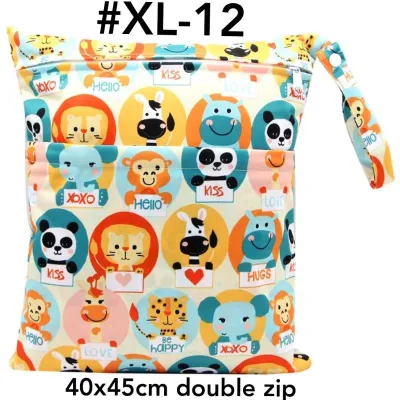
Prices are valid at publication and may change. Please refer to the product page for the latest price.
How Top Brands Engineer Waterproof Protection
Water-Resistant Coatings vs. Fully Waterproof Materials
To understand how much protection a diaper bag actually offers, you must look closely at the materials used in its construction. Mainstream diaper bag brands commonly construct their products using nylon or polyester fabrics treated with a water-resistant coating, such as a Durable Water Repellent (DWR) finish or a thin polyurethane (PU) backing. These treated fabrics are highly effective at shedding light rain, resisting quick spills, and keeping the bag lightweight. Water beads up on the surface and rolls off, giving you enough time to wipe away a spill before it sinks into the fibers. However, under prolonged exposure to heavy rain or a major liquid leak inside the bag, these coatings can eventually saturate, allowing moisture to seep through.
In contrast, premium or outdoor-focused brands utilize fully waterproof materials such as Thermoplastic Polyurethane (TPU), Polyvinyl Chloride (PVC), or heavy-duty tarpaulin. TPU and tarpaulin are completely impermeable to liquids, meaning water cannot penetrate the material itself, regardless of how long it is exposed. These materials are exceptionally durable and can be wiped clean instantly, making them excellent for messy environments. However, they are stiffer, less pliable, and heavier than treated fabrics. When shopping, always check the manufacturer’s product label and material specifications rather than relying on broad marketing terms like “waterproof bag,” as many bags advertised as waterproof are actually only water-resistant.
Seam Construction and Zipper Design
Even the most waterproof fabric cannot protect your baby’s gear if water can enter through the bag’s structural weak points: the seams and the zippers. Standard diaper bags are assembled using traditional stitched seams. Every needle puncture creates a tiny hole in the fabric. Under heavy rain or if a baby bottle leaks inside the compartment, liquid will eventually find its way through these stitched pathways. To combat this, high-performance outdoor and premium diaper bag brands use taped or welded seams. Taped seams feature a hot-melt adhesive tape applied over the stitched seams on the inside of the bag, sealing the needle holes. Welded seams, often created using radio-frequency (RF) welding, melt the fabric edges together to form a single, continuous, seamless barrier that is entirely airtight and watertight.
Zippers are another common entry point for moisture. Standard coil zippers allow water to pass easily between the zipper teeth. To prevent this, some brands use water-resistant coated zippers, which feature a polyurethane layer over the zipper teeth that seals tightly when closed. Other designs utilize standard zippers but protect them with exterior storm flaps—strips of fabric that fold over the zipper line to shed water away from the opening. For maximum protection, some heavy-duty bags employ roll-top closures, which eliminate zippers entirely by rolling the top opening down several times and securing it with buckles, creating a highly secure barrier against both dust and water.
Comparing Storage Capacity and Organization Strategies
High-Volume Totes vs. Structured Backpacks
Storage capacity is not just about the total volume in liters; it is about how that volume is distributed and accessed. Open, high-capacity totes are favored by parents who need to carry bulky, irregularly shaped items such as thick swaddles, portable changing pads, breast pumps, or spare jackets for travel. Totes allow you to pack quickly by simply dropping items into a single, wide-open compartment. However, this open structure can lead to the “black hole” effect, where smaller items like pacifiers, diaper creams, or keys sink to the bottom and become difficult to find in a hurry.

Structured backpacks, on the other hand, prioritize organization and weight distribution. These bags typically feature dedicated compartments, including insulated bottle pockets, quick-access wipe dispensers, and separate wet/dry sections. Backpacks distribute the load evenly across both shoulders, which is highly beneficial when carrying heavy gear for extended periods. This style also keeps your hands completely free, allowing you to safely carry your baby, push a stroller, or manage a toddler. The trade-off is that the rigid, compartmentalized interior of a structured backpack limits your ability to pack large, bulky items that do not fit into the pre-defined pocket dimensions.
The Weight and Flexibility Trade-Off
When evaluating diaper bags, it is crucial to consider the physical weight of the materials. Fully waterproof materials like TPU, thick PVC, and heavy-duty tarpaulin add substantial base weight to the bag before you even begin packing your baby’s essentials. A heavy, stiff diaper bag can quickly become a physical burden, particularly when navigating warm and humid climates. Carrying a heavy, non-breathable backpack against your back in high humidity can lead to rapid overheating and discomfort.
To maintain carrying comfort, many parents prefer lighter, more flexible water-resistant fabrics like nylon or polyester, which conform easily to the body and allow for better airflow. When comparing brands, always check the manufacturer’s stated empty weight and maximum load limits. A bag that starts at 1.2 kilograms empty will feel significantly heavier once loaded with diapers, wipes, flasks of hot water, formula, change of clothes, and toys. Choosing a bag with padded, breathable mesh shoulder straps and back panels can help mitigate the discomfort of carrying a heavier, fully waterproof model.
Interior vs. Exterior Pocket Placement
The placement of pockets significantly influences both the accessibility of your gear and its protection from the elements. Some diaper bag brands place the majority of their organizational pockets on the exterior of the bag. This design allows you to quickly grab essential items like hand sanitizers, tissues, or your phone without opening the main compartment. However, if these exterior pockets lack waterproof zippers or protective storm flaps, their contents are highly vulnerable to sudden downpours or accidental spills.
Other brands design their bags with a clean, streamlined exterior, keeping almost all organizational compartments sealed inside a waterproof main cavity. While this configuration ensures that all your baby’s gear remains completely dry and protected from external weather, it requires you to unzip and open the main compartment every time you need a small item. If you are caught in the rain, opening the main cavity exposes all the dry contents inside to falling water. Many parents find the best balance is a bag that offers a few well-protected, zippered exterior pockets for immediate essentials, combined with a highly secure, organized interior for clothes, diapers, and feeding supplies.
Key Comparison Dimensions for Your Daily Outings
To help you evaluate different diaper bag options, the following table compares four common bag profiles based on material, protection level, storage style, weight, and maintenance.
| Bag Profile Type | Material Type | Waterproof Level | Storage Style | Base Weight | Recommended Cleaning Method |
|---|---|---|---|---|---|
| Coated Polyester Backpack | Polyester with PU backing & DWR finish | Surface-resistant (sheds light rain & quick spills) | Highly compartmentalized with insulated pockets | Lightweight (approx. 0.6 – 0.8 kg) | Spot clean with damp cloth; hand wash if specified by care label |
| TPU Utility Backpack | Thermoplastic Polyurethane (TPU) | Fully waterproof (impermeable to liquids) | Structured with dedicated wet/dry compartments | Moderate to Heavy (approx. 1.0 – 1.3 kg) | Wipe clean with a damp cloth; do not machine wash |
| Canvas-Style Coated Tote | Cotton canvas with exterior matte coating | Water-resistant (resists splashes & light dirt) | Open, high-capacity main compartment | Moderate (approx. 0.8 – 1.0 kg) | Wipe clean with mild soap; avoid soaking to protect coating |
| Heavy-Duty Tarpaulin Roll-Top | Industrial-grade Tarpaulin | Fully waterproof (submersible-grade protection) | Large open cavity with roll-top closure | Heavy (approx. 1.2 – 1.5 kg) | Hose down or wipe clean with damp cloth; air dry thoroughly |
When choosing a bag, you can verify these specifications by checking the manufacturer’s official website, product tags, and interior care labels. Do not rely solely on retail descriptions, which may use “waterproof” and “water-resistant” interchangeably.
Additionally, it is vital to cross-reference the manufacturer’s care instructions before applying any cleaning agents. Using harsh chemical wipes, bleach, or standard laundry detergents on coated fabrics can degrade or strip away the water-resistant DWR finish or the internal PU laminate over time. For fully waterproof materials like TPU or tarpaulin, machine washing or exposing the bag to high heat (such as a clothes dryer) can crack the waterproof barrier or melt the taped seams, permanently compromising the bag’s protective capabilities.
Decision Framework: Which Waterproof Bag Style Fits Your Routine?
To narrow down your choices, consider how your typical daily outings and personal preferences align with these specific diaper bag styles:
Choose a water-resistant coated nylon/polyester bag if:
- Your daily routine primarily involves indoor environments, such as shopping malls, family centers, or short walks in covered areas.
- You prioritize a lightweight bag that will not cause fatigue during long walks.
- You prefer a fabric that is soft, flexible, and potentially hand-washable or machine-washable (always verify this with the manufacturer's care label first).
Choose a fully waterproof TPU/tarpaulin bag if:
- You frequently visit wet, sandy, or outdoor environments, such as swimming pools, beaches, water parks, or nature reserves.
- You want maximum insurance against heavy liquid messes, such as a completely leaked water flask or soiled clothing stored inside the bag.
- You prefer a bag that can be instantly wiped clean and disinfected with a damp cloth after a messy day out.
Choose a high-capacity open tote if:
- You carry bulky, non-standard items like thick blankets, large toys, or a full-sized breast pump kit.
- You prefer seeing all your items at a single glance rather than digging through multiple small, zippered pockets.
- You do not mind carrying the bag on one shoulder or attaching it securely to your stroller's handlebar using dedicated straps.
Choose a structured backpack if:
- You need hands-free mobility to safely carry your baby, manage a stroller, or keep up with an active toddler.
- You require dedicated, insulated zones to maintain the temperature of milk bottles or baby food jars.
- You want to distribute the weight of your baby gear evenly across both shoulders to prevent muscle strain during long outings.
Verify first if:
- You are unsure about the bag's strap durability, load-bearing stitching, or maximum weight limits. Look for reinforced stitching (such as bar-tack or box-X stitches) at the points where the straps attach to the bag body.
- You are concerned about whether the interior lining meets your specific hygiene and safety standards, especially if you plan to store pacifiers or teething toys directly inside the pockets.
Frequently Asked Questions (FAQ)
Can I put a waterproof diaper bag in the washing machine?
Whether you can machine wash a diaper bag depends entirely on its material composition and the manufacturer’s specific care instructions. Fully waterproof bags made from TPU, tarpaulin, or those featuring welded and taped seams should never be put in a washing machine. The mechanical agitation, spinning, and water exposure can delaminate the waterproof coatings, crack the fabric, and peel away the seam tape, destroying the bag’s waterproof integrity. Instead, these bags are designed to be wiped down with a damp cloth and mild soap. Some water-resistant polyester or nylon bags may be machine-washable on a gentle cycle, but you must always check the interior care label first to prevent shrinking, color bleeding, or stripping the water-resistant coating.
Does a waterproof bag prevent odors from dirty diapers?
While waterproof materials are highly effective at blocking liquids from leaking out of the bag, they do not automatically block odors. Odor molecules are gaseous and can slowly permeate through standard zippers and lightweight water-resistant fabrics if soiled items are left loose inside. To successfully contain odors, you should look for a bag with a dedicated, airtight wet compartment, or use separate, high-quality waterproof wet bags with sealed zippers for soiled diapers and clothes. Regularly cleaning the interior lining of your diaper bag according to the manufacturer’s care instructions is also essential to prevent residual odors from building up over time.
Are waterproof interiors safe for storing baby food and bottles?
You should never assume a waterproof interior lining is safe for direct contact with baby bottles, pacifiers, or unpackaged food simply because it is waterproof. Some waterproof backings and plastic materials, particularly older or low-cost PVC formulations, can contain harmful chemicals such as Bisphenol A (BPA), lead, or phthalates. To ensure your baby’s health and safety, verify that the interior lining is certified food-safe and free from toxic substances. Look for official brand disclosures, safety certifications (such as FDA compliance or OEKO-TEX certification), and product labels explicitly stating the materials are BPA-free, PVC-free, and phthalate-free before storing feeding items inside.
Community discussion
Share your experience or ask a question. Comments are reviewed before publication.