
When managing a baby’s wardrobe, parents frequently encounter stubborn stains from breast milk, formula, spit-up, and early solid foods. To tackle these messes without irritating a newborn’s delicate skin, gentle baby detergents like Offspring rely on plant-derived surfactants and targeted biodegradable enzymes rather than harsh synthetic chemicals. Understanding how these specific ingredients function allows you to evaluate whether a formula can effectively lift tough organic residues while remaining safe for daily contact with sensitive skin.
Why Baby Detergents Use Gentle Stain Removers
An infant’s skin barrier is significantly thinner and more permeable than that of an adult, making babies highly susceptible to contact dermatitis and chemical irritation. Traditional household detergents often rely on aggressive cleaning agents, optical brighteners, and heavy synthetic fragrances to make clothes look and smell clean. However, these chemicals frequently leave a persistent residue on fabric fibers that rubs against a baby’s skin throughout the day.
In warm, humid climates like Singapore, sweat can dissolve these lingering chemical residues, increasing the likelihood of skin absorption and irritation. To prevent this, specialized baby detergents prioritize biocompatibility by avoiding chlorine bleach, synthetic dyes, and optical brighteners entirely. Instead of stripping fabric fibers with harsh chemicals, they utilize targeted, mild cleaning agents that lift stains without compromising the fabric’s softness or irritating the baby’s skin.
Products mentioned in this guide
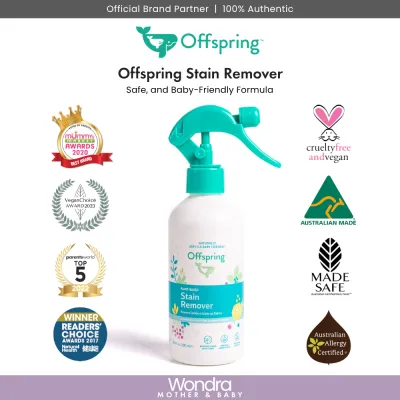
Prices are valid at publication and may change. Please refer to the product page for the latest price.
Identifying Effective Stain-Fighting Agents
To evaluate the stain-fighting power of a baby detergent, it helps to understand the specific roles of its active components. Gentle formulas typically combine plant-derived surfactants, biological enzymes, and mild chelating agents to address different types of organic soils.

Plant-Derived Surfactants
Surfactants, or surface-active agents, are essential for lowering the surface tension of water so it can penetrate fabric fibers more effectively. In gentle baby detergents, these are commonly derived from natural sources like coconut, palm kernel, or corn starch, often appearing on labels as coco-glucoside, decyl glucoside, or sodium lauryl ether sulfate. One end of the surfactant molecule binds to oils and fats, while the other binds to water, allowing the detergent to lift greasy residues from the fabric and suspend them in the wash water to be rinsed away.
Biological Enzymes
Organic stains such as breast milk, formula, and spit-up contain complex proteins and lipids that standard surfactants cannot easily break down. Biological enzymes act as highly specific catalysts to target and decompose these complex molecules into smaller, water-soluble fragments. Common enzymes to look for include proteases for protein-based stains, amylases for starch-based baby foods, and lipases for fats and oils, which work together to clean fabrics thoroughly without requiring high wash temperatures.
Mild Chelating Agents
Hard water contains dissolved minerals like calcium and magnesium that can bind to dirt and reduce the efficiency of surfactants. Mild chelating agents, such as sodium gluconate or citric acid, bind to these minerals to soften the wash water. This action prevents soil from re-depositing onto the clean clothes during the rinse cycle, keeping fabrics soft and preventing the gray, stiff buildup that can irritate sensitive skin.
How to Verify the Exact Offspring Formula
Because manufacturers may update their product formulations to improve performance or meet new environmental standards, parents should verify the exact ingredients of the specific bottle they purchase. The most reliable source of truth is the physical product label on the back of the packaging. Standardized ingredient disclosures list components in descending order of concentration, allowing you to confirm the presence of specific plant-derived surfactants or enzymes.
While spending S$20 to S$30 on premium baby laundry care is common, ensuring that the formula actually contains these active ingredients is key to getting your money’s worth. If the physical label uses broad category terms, you can visit the brand’s official website to review their detailed ingredient glossaries. For a comprehensive safety profile, you can also contact their customer service department to request a Safety Data Sheet (SDS), which provides detailed chemical breakdowns and safety evaluations for each component in the formula.
It is best to avoid relying solely on third-party blogs or outdated product descriptions on online marketplaces, as these sources may not reflect recent formula updates. Checking the packaging of your current batch ensures you have the most accurate information regarding what comes into contact with your baby’s clothes. This practice is especially important when managing specific skin conditions like eczema, where even minor ingredient changes can trigger a flare-up.
Matching Ingredients to Your Baby's Specific Stains
Different baby stains require distinct chemical actions to be removed successfully without damaging the garment. Protein-based stains, such as breast milk, infant formula, and spit-up, are highly susceptible to setting if washed incorrectly. Washing these items in hot water before treating them can cook the proteins, binding them permanently to the fabric fibers. Using an enzyme-rich detergent with cool or lukewarm water allows proteases to break down the proteins naturally, lifting the stain completely.
As your baby transitions to solid foods, you will encounter carbohydrate and pigment stains from fruit purees, sweet potatoes, and carrots. These sticky starches require amylase enzymes to dissolve the carbohydrate bonds, while plant-based surfactants work to lift the natural pigments. For bright vegetable stains, rinsing the garment immediately with cold water before washing prevents the pigments from setting deeply into cotton or bamboo fibers.
While gentle baby detergents are highly effective for daily laundry, they have limitations when dealing with old, dried-on stains. In Singapore’s warm and humid climate, leaving damp, soiled clothes in a laundry hamper can lead to rapid mold growth and set-in stains. To prevent this, adjust your washing routine by soaking heavily soiled garments in cool water mixed with a small amount of baby detergent immediately after they are soiled, rather than letting them dry in the hamper.
Safety Checks and Skin Sensitivity Boundaries
While stain-fighting power is important, protecting your baby’s skin barrier remains the absolute priority. When evaluating any baby detergent, actively check the label to ensure it is free from common irritants. Avoid products containing synthetic dyes, chlorine, formaldehyde donors, or parabens. If a product lists “fragrance” or “parfum,” verify whether it is derived from natural essential oils or if it is a synthetic blend, as undisclosed synthetic fragrances are a primary trigger for contact allergies.
Look for independent certifications on the packaging, such as dermatological testing, hypoallergenic ratings, or pediatrician approvals. These labels indicate that the formula has undergone clinical evaluation to minimize skin irritation.
Every baby’s skin is unique, and even natural, plant-derived ingredients can occasionally trigger a reaction. If you notice redness, dry patches, or a rash on your baby’s skin where their clothes touch, stop using the detergent immediately. Wash their garments in plain water to remove any lingering residue, and consult a qualified healthcare professional or pediatrician to identify the underlying cause.
Frequently Asked Questions (FAQ)
Do I need to pre-treat stains when using a gentle baby detergent?
Yes, pre-treating is highly recommended because gentle formulas lack the aggressive chemical stripping agents found in conventional detergents. To pre-treat safely, apply a small drop of the baby detergent directly to the fresh stain and gently rub the fabric together. Always check the garment’s fabric care label first to ensure the water temperature and washing method are compatible. Avoid harsh scrubbing with stiff brushes, as baby clothes are often made of delicate organic cotton or bamboo fibers that can easily pill or tear under heavy friction.
Is it safe to mix baby detergent with other commercial stain removers?
No, you should never mix baby detergent directly with other commercial stain removers or household chemicals like chlorine bleach or ammonia. Mixing cleaning agents can trigger chemical reactions that release harmful fumes or create compounds that are highly irritating to a baby’s skin and respiratory system. If a stain is particularly stubborn, use a compatible, standalone pre-treatment spray that is explicitly labeled as safe for baby garments, or soak the item in a mild oxygen-based bleach solution separately before washing it with your standard baby detergent. Always follow the manufacturer’s instructions on both products to ensure safety.

Community discussion
Share your experience or ask a question. Comments are reviewed before publication.