
Choosing the right baby detergent involves balancing effective stain removal with the preservation of a baby’s highly sensitive skin barrier. The ideal formula prioritizes mild, clean-rinsing surfactants and targeted enzymes while strictly avoiding synthetic fragrances, dyes, optical brighteners, and harsh preservatives.
Understanding which chemical compounds to look for—and which to avoid—allows parents to protect their infant’s developing skin from unnecessary irritation. By decoding product labels and adopting optimal laundry habits, you can keep your baby’s clothes clean, soft, and safe.
Why Ingredient Choice Matters for Baby's Skin
An infant’s skin is structurally different from adult skin. The outer layer, known as the stratum corneum, is up to 30% thinner in babies, and the overall skin barrier is highly permeable. This increased permeability means that any substances coming into contact with the skin are absorbed much more easily.
Products mentioned in this guide
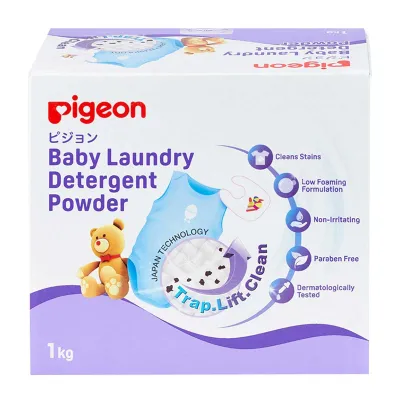
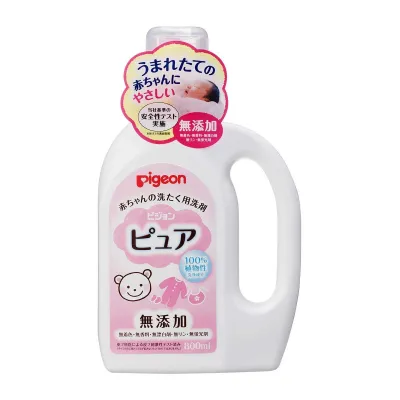
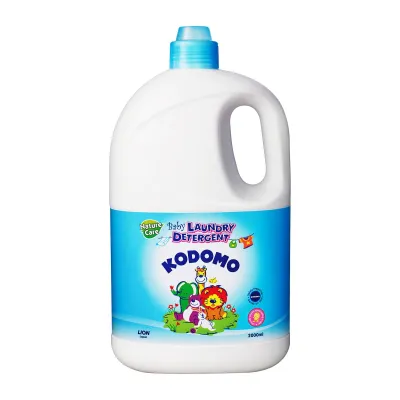
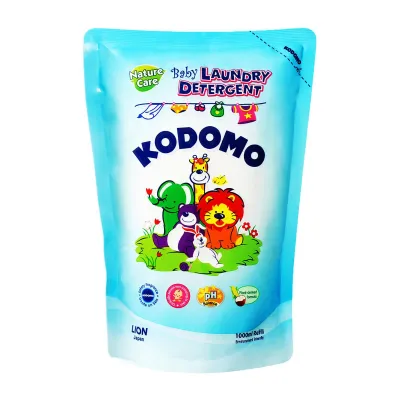
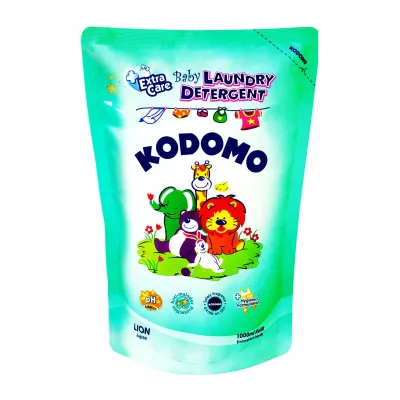
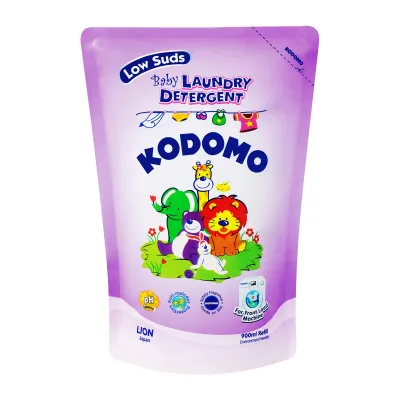
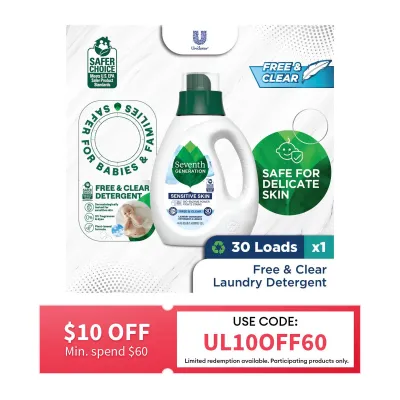
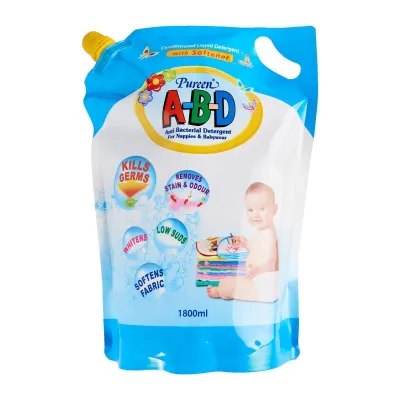
Prices are valid at publication and may change. Please refer to the product page for the latest price.
Because baby clothes, swaddles, and bedding are in constant, direct contact with your child, any chemical residues left behind by laundry detergents can easily penetrate this fragile barrier. Standard household detergents often contain heavy fragrances, optical brighteners, and strong surfactants designed to remain on fabric fibers to make them smell fresh or look brighter.
When these chemical residues rub against sensitive infant skin, they can cause contact dermatitis, leading to localized redness, itching, and dry patches. For babies predisposed to infant eczema (atopic dermatitis), exposure to harsh detergent residues can trigger severe flare-ups and compromise the skin’s natural defense system.
Selecting a detergent with safe, clean-rinsing ingredients is not merely a matter of lifestyle preference. It is a fundamental preventive skincare step that supports the healthy development of your baby’s skin barrier during their first years of life.
Gentle and Effective Ingredients to Look For
To keep baby garments clean without stripping the skin’s natural oils, look for detergents formulated with mild, biodegradable, and targeted active ingredients. These compounds effectively lift organic soils while rinsing away completely during the wash cycle.

Mild Surfactants and Plant-Based Cleaners
Surfactants are the primary cleaning agents in any detergent, responsible for breaking up oils and allowing water to wash away dirt. Instead of harsh synthetic surfactants, look for non-ionic and amphoteric surfactants derived from natural sources.
Alkyl Glucosides: Ingredients such as coco-glucoside, decyl glucoside, and lauryl glucoside are exceptionally mild surfactants derived from coconut or corn. They have a larger molecular structure that does not easily penetrate the skin barrier, making them highly gentle.
Cocamidopropyl Betaine: This amphoteric surfactant is known for its mildness and is commonly used in baby shampoos and body washes as well as gentle laundry detergents to help lift soils without causing irritation.
While “plant-based” or “natural” marketing terms are highly popular, parents must still inspect the full ingredient list. Natural plant extracts and essential oils can still act as potent allergens for sensitive skin; therefore, a plant-derived surfactant is ideal only if it is free from added aromatic botanical extracts.
The most important characteristic of a mild surfactant is its ability to rinse away cleanly. A high-quality baby detergent will not leave a soapy, hydrophobic film on fabric fibers, ensuring that cotton garments remain breathable and soft after drying.
Targeted Enzymes for Stain Removal
Baby laundry is unique because it consists primarily of organic, protein-based, and starch-based stains from breastmilk, formula, spit-up, and early solid foods. Biological enzymes are highly effective tools that target these specific stains, allowing you to clean clothes thoroughly without relying on harsh bleaching agents.
Proteases: These enzymes specifically break down peptide bonds in proteins. They are highly effective at dissolving stubborn stains from breastmilk, formula, spit-up, and blood.
Amylases: These enzymes target starches and carbohydrates, making them essential for removing stains left behind by baby purees, cereals, and infant foods.
Lipases: These enzymes break down lipids and fats, helping to remove greasy residues from skin creams, ointments, or oily foods.
Because enzymes are active biological proteins, they can occasionally trigger a reaction in infants with exceptionally reactive skin or severe eczema if they are not fully rinsed out. If your baby has highly compromised skin, monitor their reaction when introducing an enzyme-based detergent, or opt for an enzyme-free sensitive formula during flare-ups.
Common Ingredients to Avoid or Limit
Many conventional laundry detergents contain additives designed to enhance the cosmetic appearance or scent of the detergent and the washed fabrics. While these additives are acceptable for most adults, they represent the primary sources of skin irritation for infants.
Synthetic Fragrances and Dyes
Fragrance is the single most common trigger for cosmetic-related contact dermatitis. When you see the word “fragrance,” “parfum,” or “aroma” on an ingredient list, it represents a proprietary mixture that can contain dozens of undisclosed synthetic chemicals, including phthalates used as fragrance fixatives.
Because these fragrance mixtures are protected as trade secrets, it is nearly impossible to identify which specific chemical is causing an allergic reaction. Furthermore, synthetic fragrances are designed to bind tightly to fabric fibers so that the scent lingers for days, ensuring continuous skin exposure.
It is crucial to understand the difference between “fragrance-free” and “unscented” labels:
- Fragrance-Free: The product contains absolutely no added scent chemicals or masking agents. This is the safest choice for babies.
- Unscented: The product may contain masking fragrances designed to neutralize the natural chemical smell of the raw ingredients, meaning sensitizing chemicals could still be present.
Dyes serve absolutely no functional purpose in cleaning clothes. They are added purely for visual appeal in the bottle or to make the detergent look clean. Because dyes can remain trapped in fabric weaves, they are completely unnecessary irritants that should be avoided in baby laundry.
Optical Brighteners and Harsh Preservatives
Optical brighteners, also known as fluorescent whitening agents, are synthetic chemicals designed to make fabrics look whiter and brighter. They achieve this by depositing a microscopic chemical film onto the clothing fibers that absorbs ultraviolet light and re-emits it as visible blue light.
This chemical film does not wash out; it is designed to remain on the clothes permanently. Under the friction of daily movement and the moisture of sweat, these brighteners can transfer directly onto your baby’s skin, leading to persistent irritation and contact allergies.
Liquid detergents require preservatives to prevent the growth of bacteria, mold, and yeast in the water-based formula. However, some preservatives are highly sensitizing to human skin and should be strictly avoided in baby products.
Methylisothiazolinone (MI) and Methylchloroisothiazolinone (MCI) are powerful synthetic preservatives that are well-documented contact allergens. They have been linked to widespread contact dermatitis outbreaks and should not be present in detergents used for infant clothing.
Instead, look for detergents that utilize safer, food-grade preservatives, such as potassium sorbate or sodium benzoate, which carry a much lower risk of skin sensitization.
Strong Anionic Surfactants and Phosphates
Sodium lauryl sulfate (SLS) is a highly common, inexpensive anionic surfactant valued for its strong foaming action and grease-cutting power. However, SLS is highly stripping and can easily damage the delicate lipid barrier of infant skin if any residue remains on the fabric.
If you choose a detergent containing SLS, you must ensure that your washing machine performs a highly thorough rinse cycle. For newborns or babies with dry skin, opting for detergents that utilize milder, SLS-free surfactants is a safer approach.
Phosphates were historically used in detergents to soften water and improve washing efficiency. While they have been largely phased out of consumer laundry products globally due to their tendency to cause toxic algal blooms in waterways, parents should still verify that their baby detergent is certified phosphate-free to protect both the environment and their child’s skin.
How to Read and Verify Detergent Labels
Navigating the laundry aisle can be challenging due to the abundance of unregulated marketing terms. Claims like “natural,” “hypoallergenic,” “gentle,” or “pure” are often used loosely by manufacturers and do not guarantee that a product is free from skin-irritating chemicals.
To verify the safety of a baby detergent, ignore the marketing claims on the front of the bottle and carefully inspect the back label. Ingredients are listed in descending order of concentration, allowing you to see whether mild surfactants or harsh chemicals dominate the formula.
Look for reputable, independent third-party certifications that require rigorous ingredient screening and clinical testing:
- National Eczema Association (NEA) Seal of Acceptance: This seal indicates that the product has been evaluated and found free of known skin irritants and allergens at specific thresholds.
- Dermatologically Tested: Look for formulas that have undergone clinical patch testing on sensitive skin under the supervision of dermatologists.
- Eco-Certifications: International certifications like EcoCert or Nordic Swan Ecolabel verify that the ingredients meet strict environmental and safety standards.
If a product label uses vague terms such as “surfactant blend” or “proprietary preservative system,” visit the manufacturer’s official website. Reputable brands that specialize in baby care should provide full ingredient transparency, listing every single chemical compound used in their formulation.
Washing Habits to Minimize Detergent Residue
Selecting a gentle detergent is only half the battle; how you wash your baby’s clothes plays an equally important role in preventing skin irritation. Even the mildest formulas can cause issues if they build up in fabric fibers due to improper washing habits.
Always follow the manufacturer’s dosage instructions precisely. A common mistake is using extra detergent for heavily soiled baby clothes, believing it will make them cleaner. In reality, excess detergent creates a surplus of suds that the washing machine cannot fully rinse away, leaving a concentrated chemical residue trapped in the weave of the fabric.
In Singapore, where the municipal water supply is generally soft, detergents lather very easily. This soft water environment means you often need less detergent than the maximum recommended dose to achieve a thorough clean, making over-dosing an even greater risk for residue buildup.
Utilize the Extra Rinse Cycle: Always select the “extra rinse” or “deep rinse” option on your washing machine when laundering baby clothes, cloth diapers, swaddles, and bedding. This additional cycle helps flush out any lingering surfactant or enzyme molecules from the fabric.
Manage Water Temperatures: Warm water (between 30°C and 40°C) is highly effective at dissolving liquid and powder detergents and breaking down organic baby stains. However, always cross-reference the water temperature with the garment’s care label to prevent shrinking or damaging delicate cotton items.
Clean Your Washing Machine Regularly: Singapore’s warm, humid climate creates the perfect environment for mold, mildew, and bacterial biofilm to accumulate inside the washing machine drum, rubber door gasket, and detergent drawer. This buildup can transfer to baby clothes during a cycle, causing musty odors and skin irritation.
To prevent this, run a monthly maintenance cycle using a dedicated washing machine cleaner or a hot water cycle (60°C or higher) with an empty drum. Leave the washing machine door and detergent drawer open between loads to allow the interior to dry completely.
Frequently Asked Questions (FAQ)
Can I use regular adult detergent for baby clothes?
If your baby has normal, healthy skin with no history of sensitivities, dryness, or eczema, a mild, fragrance-free, and dye-free regular household detergent may be perfectly acceptable for the whole family. However, for newborns, premature infants, or babies with diagnosed skin conditions, their skin barrier is exceptionally fragile. For these infants, a dedicated baby detergent or a highly verified sensitive-skin formula is strongly recommended to minimize the risk of triggering contact allergies or eczema flare-ups.
Do I need a separate fabric softener for baby clothes?
You should avoid using traditional liquid fabric softeners or dryer sheets for baby laundry. These products work by depositing a thin, waxy chemical layer over the fabric fibers to make them feel softer. This chemical coating can trap moisture, irritate sensitive skin, and significantly reduce the flame-resistant properties of baby sleepwear. To soften clothes naturally and reduce static cling, use 100% wool dryer balls in the dryer, or ensure clothes are thoroughly dried in a well-ventilated space.
What should I do if my baby develops a rash from laundry detergent?
If you suspect a detergent is causing a rash, stop using it immediately. Rewash all of your baby’s clothes, bedding, and towels with a verified hypoallergenic, fragrance-free alternative, and use an extra rinse cycle to strip away any remaining residue. To soothe the skin, apply a plain, fragrance-free emollient or barrier cream to protect and hydrate the compromised skin barrier. Monitor the skin closely; if the rash does not improve, spreads, appears painful, or is accompanied by other symptoms like a fever, consult a pediatrician or dermatologist immediately for a professional evaluation.
Community discussion
Share your experience or ask a question. Comments are reviewed before publication.