
When introducing solids to your baby, the quality of the ingredients you choose plays a fundamental role in their early digestive comfort and nutritional intake. A “ripe puree” refers to baby food made from fruits that have reached their full physiological maturity before processing. At this peak stage, the fruit’s natural starches have converted into easily digestible sugars, its fibers have softened, and its nutrient profile is fully developed. Understanding how ripeness affects baby food helps you make informed choices at the grocery store or in your own kitchen, ensuring your little one receives gentle, nutrient-dense meals that support their development.
What 'Ripe' Actually Means in Baby Food Purees
In the context of baby food, the term “ripe” describes the physiological maturity of the fruit at the exact moment it is harvested. True ripeness occurs when a fruit completes its natural growth cycle on the vine, tree, or plant. During this natural cycle, the fruit receives a continuous supply of nutrients and water from the parent plant, allowing it to develop its full flavor, color, and nutritional profile.
In contrast, many commercial fruits destined for standard supermarket shelves are harvested early—while still green and firm—to withstand long-distance transport. These fruits are often artificially ripened later using ethylene gas. While this process changes the external color and softens the flesh, it does not always replicate the complete nutritional and chemical transformation that occurs during natural, on-the-tree ripening.
Products mentioned in this guide
![[Bundle of 2] Little Freddie Organic Baby Fruit Puree - Vibrant Peaches and Raspberries 100g](https://img.lazcdn.com/g/p/d8a49266c25e8b4faee103c0d4adba81.png_400x400q80.png_.webp)
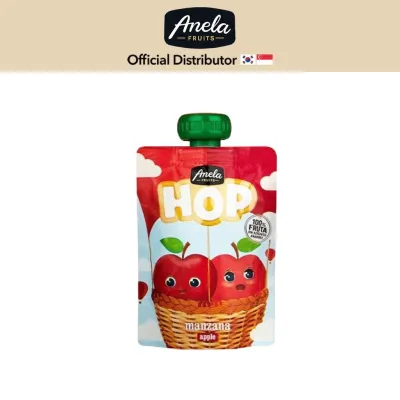
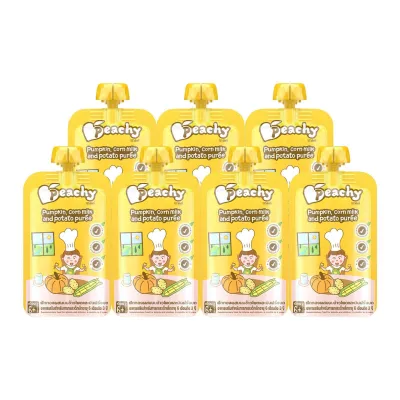
![[Carton] Organix Baby Puree Pouch 100g x 6](https://img.lazcdn.com/g/p/da97f6702079b7f427d5172457a48041.jpg_400x400q80.jpg_.webp)
Prices are valid at publication and may change. Please refer to the product page for the latest price.
For high-quality baby purees, harvesting at peak natural ripeness is essential. When fruits are picked at this optimal moment, they contain the highest concentration of natural sugars and the lowest levels of complex, hard-to-digest starches. This physiological state is locked in during the pureeing and pasteurization process.
It is important for parents to note that a “ripe” label on commercial baby food refers strictly to this pre-processing state of the raw ingredients. It does not mean the puree itself is aged, fermented, or close to expiration. Instead, it serves as an indicator of ingredient quality, signaling that the fruits used were harvested at their peak developmental stage to deliver the best possible texture and natural sweetness.
How Ripeness Changes Nutritional Value for Babies
As a fruit matures, its internal chemistry undergoes a dramatic shift that directly impacts its nutritional value. During the ripening process, vitamins and antioxidant compounds typically reach their highest concentrations. For instance, many fruits show a marked increase in vitamin C and beta-carotene levels as they transition from green to their fully ripe colors. Offering purees made from fully mature fruits helps ensure your baby receives these essential micronutrients in their most abundant forms.

Another critical transformation is the enzymatic breakdown of complex carbohydrates. In unripe fruit, energy is stored primarily as complex starches, which are difficult for an infant’s immature digestive system to process. As the fruit ripens, enzymes break these starches down into simple, natural sugars like fructose and glucose. This natural conversion provides an easily accessible source of energy for your growing baby, allowing their body to absorb and utilize the nutrients quickly without expending excess digestive energy.
This natural sugar conversion also plays a vital role in the overall composition of commercial baby foods. Because fully ripe fruits are naturally sweet and highly flavorful, purees made from them do not require any added sugars, concentrated fruit juices, syrups, or artificial sweeteners to appeal to a baby’s palate.
When evaluating baby food options, parents should check the ingredient list to confirm that the sweetness comes solely from the primary fruit ingredients. Avoiding added sugars in early infancy is crucial for establishing healthy eating habits and protecting developing teeth. Choosing purees made from naturally ripe fruits allows you to offer a satisfyingly sweet taste while keeping the ingredient list clean, simple, and wholesome.
Texture and Digestibility: Why Ripe Fruit is Easier on Baby's Tummy
An infant’s digestive tract is highly sensitive and still developing during the first year of life. The physical structure of unripe fruit can pose significant challenges to this delicate system. As fruit ripens, natural enzymes break down pectin and hemicellulose—the structural components that make up the plant’s cell walls. This breakdown softens the fruit’s flesh, making it possible to blend the ingredients into an ultra-smooth, velvety puree.
A smooth, consistent texture is essential for babies who are just beginning their weaning journey. Coarse or fibrous purees made from underripe fruit can trigger the gag reflex or present a mild choking hazard for infants learning to coordinate swallowing. A silky puree made from fully ripe fruit glides easily down the throat, providing a safe and comfortable feeding experience that helps build your baby’s confidence with solid foods.
Beyond ease of swallowing, the chemical changes in ripe fruit significantly reduce the workload on your baby’s stomach and intestines. Because the complex starches have already been converted into simple sugars, the digestive system does not have to work as hard to break down the food. The dietary fibers in ripe fruit are also softer and more soluble, which helps promote gentle bowel movements and reduces the likelihood of gas, bloating, or mild abdominal discomfort.
This combination of smooth texture and natural sweetness also plays a psychological role in weaning. Babies are biologically predisposed to prefer sweet tastes, which mimic the familiar flavor profile of breast milk or infant formula. Introducing a naturally sweet, smooth, and easily digestible ripe puree makes the transition to solids a positive experience, encouraging your baby to accept new flavors and textures with less resistance.
How to Choose and Prepare Ripe Purees for Your Baby
When shopping for commercial baby food, the first step is to carefully inspect the product packaging. Look for labels that specify 100% fruit content with no added sugars, preservatives, or thickeners. High-quality brands often highlight their sourcing practices, indicating that they use sun-ripened or tree-ripened fruits. Verify that the ingredient list contains only the fruit itself and perhaps a splash of lemon juice concentrate or ascorbic acid, which are commonly used as natural preservatives to maintain color and acidity.
If you prefer to prepare homemade purees, selecting the right raw ingredients is key. Look for visual cues such as vibrant, uniform coloring appropriate for the specific fruit, and avoid specimens with green patches or bruised spots. Tactile feedback is equally important; a ripe fruit should yield slightly to gentle pressure without feeling mushy or collapsed. Additionally, rely on your sense of smell, as fully ripe fruits typically emit a sweet, pleasant fragrance at the stem end.
Once you have selected your fruits or purchased your purees, proper storage is essential to preserve their nutritional integrity and ensure safety. For homemade purees, wash the fruit thoroughly, peel and de-seed as necessary, and steam gently before blending to retain the maximum amount of vitamins. Store freshly made purees in airtight, BPA-free containers in the refrigerator for up to 48 hours, or freeze them in small, individual portions for up to three months.
For commercial purees, once a jar or pouch is opened, feed your baby using a clean spoon and avoid feeding directly from the container if you plan to save the remainder. Saliva introduced into the container can promote bacterial growth. Seal and refrigerate any unused portion immediately, and consume it within the timeframe recommended by the manufacturer, which is typically 24 to 48 hours. Always inspect the container for a secure seal or safety button pop before opening.
Frequently Asked Questions (FAQ)
Can I give unripe fruit puree to my baby?
It is best to avoid giving unripe fruit puree to your baby. Unripe fruits contain high levels of resistant starch and tough, insoluble fibers that are difficult for an infant’s developing digestive system to break down. Feeding your baby underripe fruit can lead to digestive discomfort, including gas, bloating, stomach cramps, or constipation. Additionally, unripe fruit lacks the natural sweetness and smooth texture of ripe fruit, which may cause your baby to reject the food due to its tart taste or grainy consistency. Always wait until fruits are fully ripe, soft, and fragrant before preparing them for your baby. If your baby experiences persistent digestive issues, stop offering the food and consult a qualified healthcare professional.
Does ripe fruit puree have too much sugar for babies?
Ripe fruit puree contains natural sugars, primarily fructose, which are safely packaged alongside essential dietary fiber, vitamins, minerals, and water. This is highly different from added sugars or syrups, which provide empty calories without nutritional benefits. The fiber in ripe fruit helps slow down the absorption of natural sugars, preventing rapid spikes in blood sugar. However, balance is key to a healthy infant diet. To ensure a well-rounded nutritional intake, offer fruit purees in age-appropriate portions and balance them with vegetable purees, proteins, and healthy fats as recommended by your pediatrician.

Community discussion
Share your experience or ask a question. Comments are reviewed before publication.