
Pigeon baby fabric softener is formulated to keep infant clothing soft and comfortable, but its safety for your baby depends on their individual skin sensitivity and the specific ingredients in the bottle you purchase. Because formulations can vary by region and product line, verifying the exact ingredients on your physical packaging is the most reliable way to protect your baby’s delicate skin barrier. Understanding what goes onto your baby’s clothes helps you make informed choices, especially in humid climates like Singapore where sweat and fabric friction can easily trigger skin irritation.
How to Read the Pigeon Baby Softener Ingredient Label
When evaluating any laundry product for your infant, the physical packaging is your primary source of truth. For Pigeon baby fabric softener, the complete list of ingredients is typically printed on the back or side panel of the bottle or refill pouch. This text is often presented in small print near the usage instructions, safety warnings, and distributor details.
It is important to look closely at the specific variant you have purchased. Pigeon offers different formulations, such as standard softening liquids, antibacterial variants, or versions with mild fragrances. Each of these variants contains a distinct combination of active agents and additives to achieve its specific purpose. For instance, an antibacterial version may contain specific sanitizing agents that are absent in the standard gentle formula.
Products mentioned in this guide
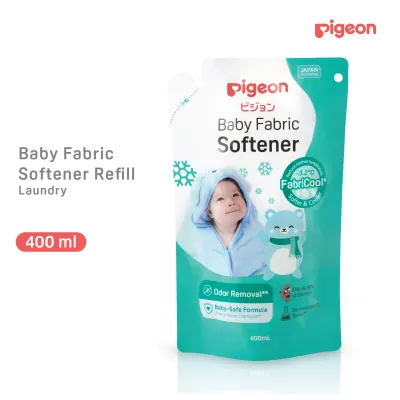
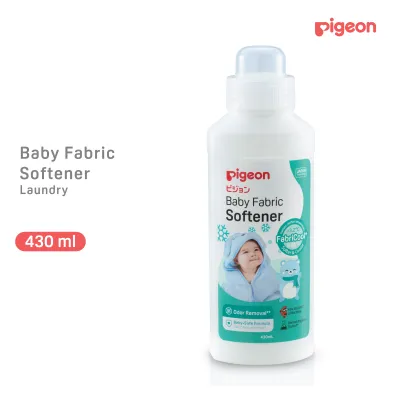
![[3-Pack] Pigeon Baby Laundry Softener Scented 500ml Refill (JP)](https://img.lazcdn.com/g/p/c5d8a0fec25aa01f84809edf9e7a5138.jpg_400x400q80.jpg_.webp)
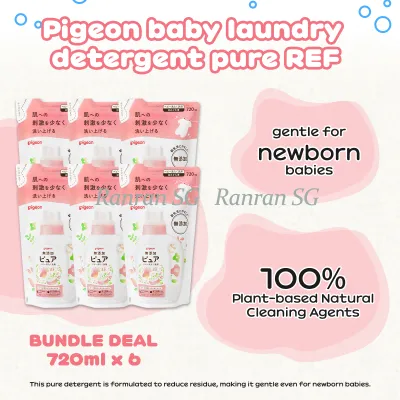
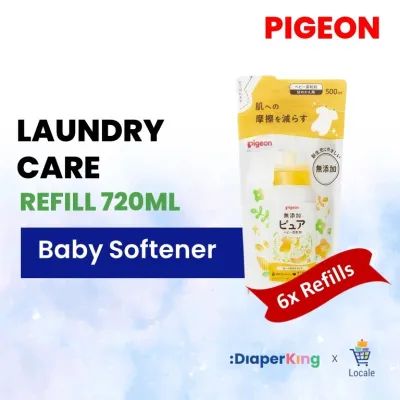
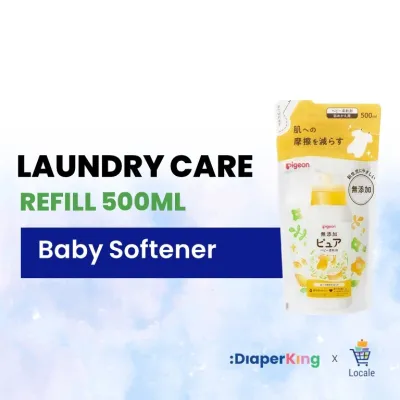
Prices are valid at publication and may change. Please refer to the product page for the latest price.
Additionally, because Pigeon products are distributed globally, the bottle you purchase in Singapore might be imported from different manufacturing hubs. These regional versions can have slight variations in their chemical compositions to comply with local regulations. Because manufacturers periodically update their formulations to improve performance or meet changing safety standards, online product listings may not always reflect the bottle currently on your shelf. Always prioritize the physical label of the product in your laundry room over third-party websites or older product reviews.
Common Ingredient Categories in Baby Fabric Softeners
Baby fabric softeners generally rely on a few core categories of ingredients to achieve their texture-enhancing effects. Understanding these categories helps you decode the chemical and botanical names listed on the back of the bottle.

Cationic surfactants serve as the primary softening agents in most formulations. These compounds carry a positive charge that adheres to the negatively charged fibers of washed fabrics, smoothing out the threads and reducing static cling. This smoothing effect is particularly helpful for keeping cotton baby clothes feeling gentle against sensitive skin, preventing the stiff, scratchy texture that can occur after multiple washes.
Preservatives are essential additives in liquid laundry products to prevent the growth of bacteria, mold, and yeast over time. Because baby softeners are stored in warm, humid environments like Singapore service yards or bathrooms, these stabilizing agents ensure the product remains safe to use throughout its shelf life. Without effective preservation, the liquid could easily become a breeding ground for microbes.
Fragrances and dyes are often included to give laundry a clean scent and appealing appearance. However, because synthetic fragrances and colorants are common triggers for skin sensitivity, some variants may omit them entirely to cater to newborns or infants with highly reactive skin. If a label lists “parfum” or specific dye codes, it indicates the presence of these aesthetic additives.
Botanical extracts or plant-derived oils are sometimes added to baby softeners for mild conditioning properties. While these natural ingredients are often highlighted on the packaging, they are typically present in small amounts alongside the primary softening agents. They are designed to complement the formula rather than replace the core softening compounds.
Evaluating Ingredient Safety for Delicate Skin
An infant’s skin barrier is significantly thinner and more permeable than an adult’s, making it highly susceptible to chemical irritants. To evaluate whether a fabric softener is appropriate for your child, start by checking the packaging for specific safety indicators. Look for terms like “dermatologically tested” or “hypoallergenic,” which indicate the formulation has undergone standardized skin compatibility assessments.
Even with these labels, parents of babies with eczema or highly sensitive skin should exercise caution. Scan the ingredient list for potential irritants, such as strong synthetic perfumes, essential oils, or specific chemical preservatives that have previously triggered reactions in your family. If your baby has a history of dry skin or atopic dermatitis, fragrance-free and dye-free formulations are generally the safest starting point.
After introducing a new fabric softener, closely monitor your baby’s skin for any physical changes. Look for localized redness, dry patches, small bumps, or signs of itching on areas of the body that come into direct contact with washed clothing, such as the chest, back, and thighs. These symptoms can develop within a few hours or days of wearing the treated garments.
If you observe any signs of skin irritation, stop using the fabric softener immediately. Wash all affected garments again using plain water or a mild, fragrance-free baby detergent to remove any lingering chemical residues. If the rash persists, spreads, or causes your baby discomfort, consult a qualified pediatrician or dermatologist for a professional evaluation and treatment plan. Keeping a simple log of when you introduced the product and when the symptoms appeared can be highly useful during your consultation.
Safe Usage Practices to Minimize Skin Irritation
Proper laundry habits play a critical role in preventing skin irritation from fabric softeners. Always measure the liquid carefully using the bottle cap, strictly following the manufacturer’s dosage guidelines based on your wash load size. Overusing softener does not make clothes safer or softer; instead, it leaves a heavy chemical residue on the fabric fibers that can rub off onto your baby’s skin.
Ensure your washing machine is set to a thorough rinse cycle. An extra rinse is highly recommended for baby laundry to help flush away any excess detergent and softener particles before the clothes go to the drying rack or dryer. In Singapore’s humid climate, where many families dry clothes indoors in HDB flats or service yards, ensuring clothes are completely dry and free of dampness also prevents mold and bacterial growth.
Be mindful of the specific garments you are washing, as fabric softeners are not suitable for all baby items. Avoid using softeners on flame-resistant sleepwear, as the conditioning agents can coat the fibers and reduce their flame-retardant properties. Similarly, do not use softeners on microfiber cloth diapers or highly absorbent towels, as the residue can clog the fabric pores and significantly reduce absorbency, leading to leaks and dampness.
Before washing your baby’s entire wardrobe with a new softener, perform a simple patch test. Wash a single item, such as a small bodysuit or bib, using the product, and let your baby wear it for a few hours while monitoring their skin. This controlled test allows you to identify any potential sensitivities before exposing their entire body to the newly treated fabrics.
Frequently Asked Questions (FAQ)
Is it necessary to use fabric softener for baby clothes?
Using a fabric softener is not a strict necessity for baby laundry. Most specialized baby detergents are formulated to clean infant clothing effectively while leaving the fabrics naturally soft without the need for additional conditioning agents. Fabric softeners are optional products designed primarily to enhance tactile smoothness and reduce static cling in synthetic fabrics. If your baby has highly sensitive skin, eczema, or allergies, skipping fabric softener entirely is often the safest and most straightforward way to minimize the risk of contact dermatitis.
What should I do if my baby gets a rash from softened clothes?
If you suspect your baby is developing a rash from fabric softener, stop using the product immediately. Gather all recently washed clothing, bedding, and towels, and rewash them in a hot water cycle using only a mild, fragrance-free baby detergent to strip away any lingering softener residue. Keep your baby’s skin clean and dry, and avoid applying unverified home remedies, heavily scented lotions, or over-the-counter creams without medical advice. If the skin irritation does not improve within a few days, or if your baby shows signs of distress, consult a qualified healthcare professional for an accurate diagnosis.

Community discussion
Share your experience or ask a question. Comments are reviewed before publication.