
Pigeon baby laundry detergent is formulated specifically to clean infant clothing while remaining gentle on delicate skin, but its exact safety for your newborn depends on the specific product variant, its ingredient list, and your baby’s unique skin sensitivity. Because formulations can vary by region and product line, there is no single, universal ingredient list for all Pigeon detergents. To ensure the product is safe for your newborn, you must verify the ingredients on your specific bottle, understand the function of each component, and follow proper washing and rinsing practices to minimize fabric residue.
In a warm and humid climate, babies sweat frequently, which can trap detergent residues against their skin and lead to irritation or heat rash. Consequently, choosing a mild detergent and ensuring it is thoroughly rinsed out of clothing, bedding, and swaddles is a vital step in newborn care. By learning how to read the label and evaluate each ingredient, you can make an informed decision that protects your baby’s skin barrier.
How to Locate and Read the Pigeon Ingredient Label
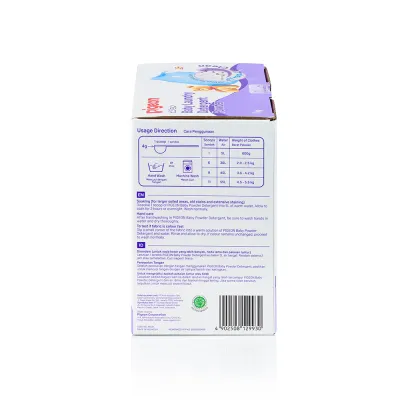
To verify what goes into the detergent you are using, always start with the physical packaging of the product in your hands. Manufacturers frequently update their formulas to improve performance or comply with changing regional standards, meaning a bottle purchased today might have a slightly different composition than one purchased a year ago. Look closely at the back or side panel of the Pigeon detergent bottle or refill pouch, where you will find a standardized list of ingredients, often printed near the usage instructions and safety warnings.
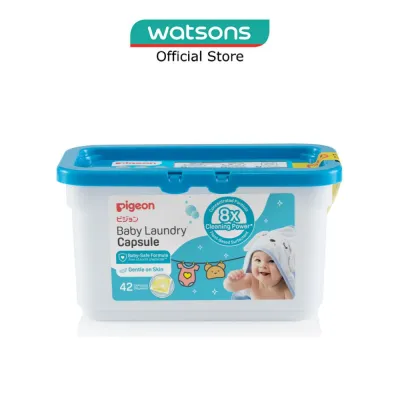
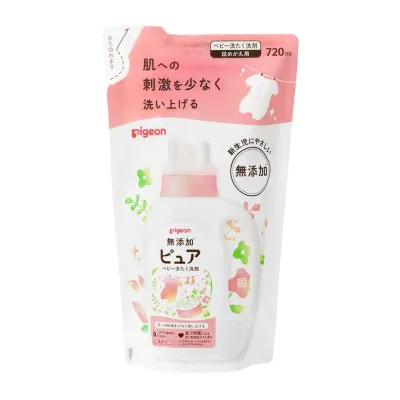
Products mentioned in this guide
![Pigeon Baby Laundry Detergent 450ml Refill [New & Improved]](https://img.lazcdn.com/g/p/a4badfa68bfac414453a403e6bcc3ffa.png_400x400q80.png_.webp)
Prices are valid at publication and may change. Please refer to the product page for the latest price.
If the physical label is difficult to read or if you are planning a purchase online, you can navigate to the official brand website or authorized online marketplaces. Many official product listings feature digital ingredient lists or high-resolution images of the packaging panels. When browsing online, ensure you are looking at the exact product variant you intend to buy, as a concentrated liquid formula, an antibacterial version, or a sensitive skin powder will each utilize different chemical combinations to achieve their specific functions.
Common Detergent Ingredients and Their Functions
Understanding the general categories of ingredients in baby laundry detergents helps demystify what is actually cleaning your newborn’s clothes. The primary active components in any detergent are surfactants, which lower the surface tension of water to help it penetrate fabrics and lift away dirt, oils, and bodily fluids. Baby-specific detergents often prioritize plant-derived surfactants, such as those derived from coconut or palm oil, because they tend to be milder on the skin barrier compared to harsh synthetic surfactants like sodium lauryl sulfate (SLS).

Enzymes are another common addition to baby laundry formulas. These are naturally occurring proteins designed to target and break down specific organic stains, such as milk spills, spit-up, and diaper leaks. While enzymes are highly effective at keeping baby clothes clean and stain-free, some extremely sensitive skin types can experience mild irritation from residual enzymes left on the fabric. If your newborn has highly reactive skin, you may want to monitor how they tolerate enzyme-containing formulas.
Preservatives and stabilizers are essential components in liquid detergents, particularly in humid environments. Without these additives, liquid formulas would quickly become breeding grounds for bacteria, mold, and yeast, posing a significant hygiene risk to your household. Common preservatives help maintain the product’s shelf life and stability, ensuring the liquid remains effective and safe to use from the first wash to the last.
Finally, fragrances and dyes are often added to detergents to provide a pleasant scent and a clean appearance. However, these additives serve no functional cleaning purpose and are the most common culprits behind skin sensitivities and allergic contact dermatitis in infants. Many baby detergents offer fragrance-free or dye-free options specifically to eliminate these unnecessary risks for newborns.
Evaluating Ingredient Safety for Newborn Skin
A newborn’s skin barrier is up to thirty percent thinner than an adult’s, making it highly susceptible to absorbing chemicals and experiencing irritation. When evaluating the safety of a Pigeon detergent variant, look out for potential irritants on the ingredient list. Optical brighteners—chemicals designed to adhere to fabrics and reflect light to make clothes look whiter—are known to remain on clothing fibers after washing and can cause skin irritation in sensitive infants. Similarly, strong synthetic fragrances and artificial colorants should ideally be avoided during the first few months of life.
It is also important to understand that marketing claims such as “hypoallergenic,” “dermatologically tested,” or “gentle on skin” are not universally standardized or legally binding definitions. While these labels indicate that the manufacturer has taken steps to minimize common allergens, they do not guarantee that a specific product will be completely reaction-free for every baby. Always cross-reference these claims with the actual ingredient list on the back of the bottle to verify the absence of harsh additives.
If your newborn exhibits signs of skin discomfort, such as localized redness, dry or rough patches, or a persistent rash on areas covered by clothing, you should take immediate action. Stop using the detergent, switch to a fragrance-free alternative or wash clothes temporarily in plain water, and monitor the skin closely. If the irritation does not improve or if your baby seems uncomfortable, consult a qualified pediatrician or dermatologist for a professional assessment.
Best Practices for Washing and Rinsing Newborn Items
Even the mildest detergent can cause skin irritation if it is not properly rinsed out of clothing fibers. To minimize the risk of detergent residue, always follow the manufacturer’s dosing instructions printed on the Pigeon packaging. It can be tempting to add an extra capful of detergent for heavily soiled baby clothes, but overusing concentrated formulas makes it incredibly difficult for your washing machine to rinse the fabric clean, leaving behind a soapy residue that can irritate newborn skin.
Implementing an extra rinse cycle is one of the most effective ways to safeguard your baby’s skin. Most modern washing machines offer an extra rinse or sensitive setting, which runs an additional cycle of clean water through the laundry to flush out any lingering surfactants, enzymes, or soil particles. This simple step is highly recommended for all newborn clothing, swaddles, bedding, and reusable diapers.
Additionally, pay attention to the water temperature recommended on both the detergent packaging and your baby’s garment care labels. While warm water can help dissolve detergents more thoroughly and assist in removing stubborn milk stains, some delicate baby fabrics require cold washes to prevent shrinking. Ensuring the water temperature aligns with both the fabric requirements and the detergent’s optimal performance range will help you achieve a clean, residue-free wash every time.
Frequently Asked Questions (FAQ)
Can I use regular household detergent instead of a baby-specific formula?
Regular household detergents are generally formulated to tackle heavy adult soils, odors, and synthetic fabrics, meaning they often contain stronger surfactants, optical brighteners, and intense fragrances. These components are highly likely to irritate a newborn’s delicate skin barrier. While some families successfully wash the entire household’s laundry in a single standard detergent, doing so requires choosing a very mild, fragrance-free, and dye-free formula. If you do use a regular detergent, running an extra rinse cycle is absolutely critical to remove as much residue as possible. If your baby has eczema or highly sensitive skin, a pediatrician will typically recommend switching to a dedicated, fragrance-free baby detergent.
What should I do if my newborn develops a rash after washing their clothes?
If you suspect your newborn is reacting to their laundry detergent, immediately stop using the product and wash all of their clothing, bedding, and swaddles in plain, warm water or a known well-tolerated, fragrance-free alternative. This helps strip away any lingering chemical residues from the fabric fibers. Avoid applying new lotions or creams to the rash without medical advice, as this can sometimes worsen the irritation. Keep a close eye on the rash, and consult a qualified healthcare professional, such as a pediatrician, to obtain an accurate diagnosis and appropriate treatment plan rather than attempting to self-diagnose the cause of the skin reaction.

Community discussion
Share your experience or ask a question. Comments are reviewed before publication.