
Choosing the right laundry detergent for your baby involves balancing cleaning power with skin safety. Offspring baby laundry detergent is designed with a focus on gentle, plant-derived ingredients to clean infant garments without leaving harsh chemical residues. Because a baby’s skin is significantly thinner and more permeable than adult skin, understanding exactly what goes into their laundry detergent is essential for preventing contact dermatitis and other skin sensitivities. By examining the specific roles of surfactants, enzymes, and preservatives, parents can make an informed decision about how this detergent performs against tough milk, formula, and diaper stains while keeping their little one’s skin comfortable.
How to Read and Verify the Ingredient List
To truly understand what you are putting on your baby’s clothes, you must look beyond the front-of-package marketing and examine the official ingredient disclosure. Manufacturers typically print the full ingredient list on the back or side of the physical bottle, though you can also verify these details on the brand’s official digital product pages. When reviewing the list, distinguish between active cleaning agents, such as surfactants that lift dirt, and secondary additives like thickeners, pH adjusters, and preservatives that maintain product stability.
Marketing terms like “plant-based” or “hypoallergenic” should always be cross-referenced with the actual chemical names listed in the ingredients. For instance, a “plant-derived” claim is verified when you see ingredients derived from coconut or corn, such as alkyl polyglucosides, rather than petroleum-based alternatives. Additionally, look for reputable third-party certification logos on the packaging. Certifications from organizations like Ecocert or allergy-testing bodies verify that the ingredients have met strict safety standards, ensuring that restricted chemicals and known allergens are kept out of the formulation.
Products mentioned in this guide
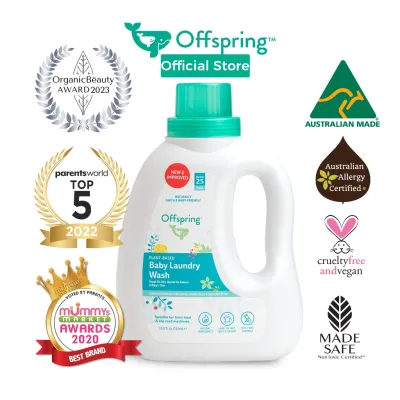
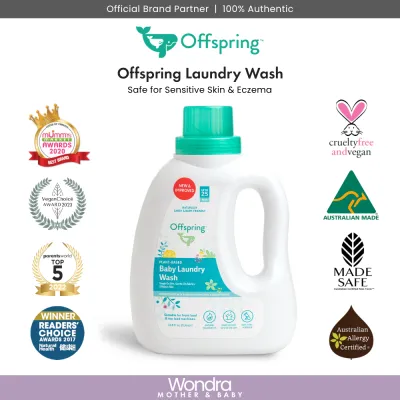
Prices are valid at publication and may change. Please refer to the product page for the latest price.
Common Ingredient Categories and Their Roles in Baby Detergent
Baby detergents are formulated differently from standard household detergents to address the unique nature of infant stains and skin sensitivity. Understanding the primary categories of ingredients helps clarify how the detergent cleans effectively without relying on harsh chemicals.

Surfactants and Cleaning Agents
Surfactants, or surface-active agents, are the core cleaning components of any laundry detergent. They work by lowering the surface tension of water, allowing it to wet fabrics more thoroughly and penetrate deep into the fibers. A surfactant molecule has a dual nature: one end is attracted to water, while the other end is attracted to oil and grease. When washing baby clothes, these molecules attach themselves to organic soils—such as breast milk fats, formula residues, and bodily fluids—and lift them away from the fabric, suspending them in the water so they can be rinsed away.
In baby-specific formulations like Offspring, manufacturers prioritize mild, plant-derived surfactants over harsh synthetic options like sodium lauryl sulfate (SLS). Common gentle alternatives include coco-glucoside or decyl glucoside, which are synthesized from renewable resources like coconut oil and corn starch. While these plant-based surfactants are exceptionally gentle on delicate skin, they present a minor trade-off. They may require slightly more mechanical agitation or pre-treatment for heavily soiled garments compared to aggressive petroleum-based surfactants, but they significantly reduce the risk of skin irritation and fabric wear over time.
Enzymes and Targeted Stain Removers
Biological enzymes are specialized proteins added to detergents to target and break down complex organic stains that standard surfactants struggle to dissolve. Because babies frequently produce stains rich in proteins and fats—such as spit-up, formula, baby food, and feces—enzymes are highly effective additions to a laundry routine. For example, proteases break down protein-based stains, while amylases target starches from baby purees. By breaking these large, insoluble molecules into smaller, water-soluble fragments, enzymes allow the surfactants to wash them away easily.
To get the most out of an enzyme-infused detergent, water temperature and wash-cycle conditions must be managed carefully. Enzymes perform optimally in lukewarm water (typically between 30°C and 40°C); if the water is too hot, the delicate protein structure of the enzymes can denature, rendering them inactive. While enzymes are highly efficient at stain removal, parents of babies with extremely reactive skin should monitor their child closely, as residual enzymes can occasionally cause mild skin irritation.
Preservatives, Fragrances, and Additives
Liquid detergents are water-based products, making them highly susceptible to microbial contamination. Without preservatives, a bottle of liquid detergent would quickly become a breeding ground for bacteria, mold, and yeast, posing a significant health risk to your baby. Preservatives are therefore necessary to guarantee product stability and a safe shelf life. In high-quality baby detergents, manufacturers select mild, biodegradable preservatives—such as potassium sorbate or sodium benzoate—and use them in minimal concentrations to prevent microbial growth without irritating sensitive skin.
Fragrances and secondary additives are another critical area of consideration for parents. While many adult detergents rely on heavy synthetic fragrances to leave clothes smelling “fresh,” these chemicals are among the leading causes of contact allergies in infants. Truly fragrance-free formulations or those utilizing extremely mild, natural essential oils in low dilutions are preferred for newborns. Furthermore, baby detergents generally exclude optical brighteners and synthetic dyes. Because these chemicals are designed to stay on the fabric and come into direct, prolonged contact with your baby’s skin, they are omitted from baby-safe formulas to prevent irritation.
Evaluating Suitability for Your Baby’s Clothes and Skin
Every baby’s skin is unique, and what works perfectly for one infant might cause a reaction in another. To safely introduce Offspring baby laundry detergent to your household, establish a systematic evaluation process. Start by performing a simple patch test. Instead of washing an entire load of baby clothes, wash a single, non-essential garment—such as a single bodysuit or a washcloth—using the detergent. Once dried, dress your baby in the garment and observe their skin closely over a 24-hour period for any signs of redness, dry patches, bumps, or itching.
After the wash and rinse cycles are complete, inspect the clothes for physical indicators of detergent performance and safety. Feel the fabric to check for stiffness or a sticky, soapy residue, which suggests that the detergent is not rinsing out completely. Take a gentle sniff of the dry fabric; there should be no strong, lingering chemical or artificial scent. Additionally, evaluate how well the detergent cleans common baby stains without extensive pre-treatment.
As a caregiver, establish clear stop-conditions to protect your baby’s health. If you notice persistent skin rashes, hives, dry patches, or signs of respiratory discomfort like sneezing or coughing when your baby wears freshly washed clothes, stop using the detergent immediately. Switch back to a previously tolerated formula or a basic, fragrance-free alternative, and wash the affected garments again. If the skin irritation does not improve within a few days, or if your baby shows signs of severe discomfort, consult a qualified pediatrician or dermatologist for professional guidance.
Best Practices for Washing Baby Clothes Safely
To maximize the effectiveness of your baby laundry detergent while minimizing the risk of ingredient residue, adopting proper washing routines is essential. Always follow the manufacturer’s dosing instructions printed on the packaging. It is a common misconception that using more detergent results in cleaner clothes; in reality, overdosing leads to an excess of surfactants that cannot be fully rinsed out, leaving a soapy buildup in the fabric fibers that attracts dirt and irritates delicate skin.
Incorporating an extra rinse cycle into your washing machine program is one of the simplest and most effective ways to ensure complete removal of cleaning agents and loosened soils. Additionally, adjust your washing machine’s water temperature based on both the detergent’s ingredient profile and the fabric care labels on your baby’s clothes. While warm water helps activate enzymes and dissolve oils, cold water is often sufficient for routine washes and helps preserve fabric elasticity. Finally, store your liquid detergent in a cool, dry place away from direct sunlight, and check the expiration or manufacture date on the bottle to ensure the preservatives remain active and effective.
Frequently Asked Questions (FAQ)
Is Offspring baby laundry detergent safe for newborns?
The safety of any laundry detergent for a newborn depends heavily on the individual infant’s skin tolerance and specific sensitivities. Newborn skin is highly delicate and still developing its natural protective barrier, making it more susceptible to irritation from external substances. To verify safety, always check the product label for dermatologist-tested claims and confirm the absence of known harsh irritants like parabens, optical brighteners, and synthetic dyes. If your newborn has a diagnosed skin condition, such as infant eczema or extremely dry skin, it is highly recommended to consult a pediatrician before introducing any new laundry products to their garments.
Do I need to use a separate detergent for baby clothes?
While it is not strictly mandatory to use a separate detergent, dedicated baby detergents are formulated specifically to address infant skin sensitivities and the organic nature of baby stains. Standard family detergents often contain strong synthetic fragrances, optical brighteners, and aggressive surfactants designed for heavy adult soils, which can easily irritate a baby’s skin. A separate baby detergent is highly beneficial if your child has sensitive skin, allergies, or eczema. However, if you prefer to wash the entire family’s laundry together, a standard, high-quality detergent that is explicitly labeled as fragrance-free, dye-free, and formulated for sensitive skin can serve as an acceptable and convenient alternative.

Community discussion
Share your experience or ask a question. Comments are reviewed before publication.