
When shopping for a child booster seat in Singapore, the term “LTA-approved” is frequently used by retailers and parents alike. In practice, the Land Transport Authority (LTA) does not issue a unique local certification stamp or physical sticker for child car seats. Instead, an “LTA-approved” booster seat is one that complies with specific, internationally recognized safety standards officially accepted by Singapore’s traffic laws.
Ensuring your child’s booster seat meets these recognized standards is critical for both legal compliance and physical safety. Navigating the technical labels, vehicle compatibility, and legal requirements can feel overwhelming, but focusing on verified certification marks simplifies the process.
Understanding the Legal Baseline for Child Restraints in Singapore
Singapore law mandates the use of approved child restraints or booster seats for passengers under a certain height and age when traveling in private motor vehicles. Because traffic regulations and specific legal thresholds can be updated, caregivers should always consult the official Land Transport Authority (LTA) or Singapore Traffic Police portals to verify the exact, current height and age requirements before making a purchase.
Products mentioned in this guide
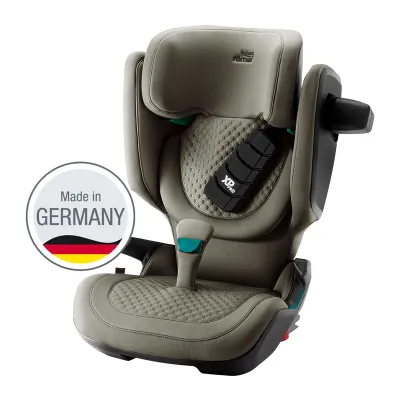
![Easyhome.sg [Child SAFETY] Baby Booster Car Seat Chair – Toddler Safety Travel Carrier for Children](https://img.lazcdn.com/g/p/9a1e79f7193f323d784f040bd84fc2a9.png_400x400q80.png_.webp)
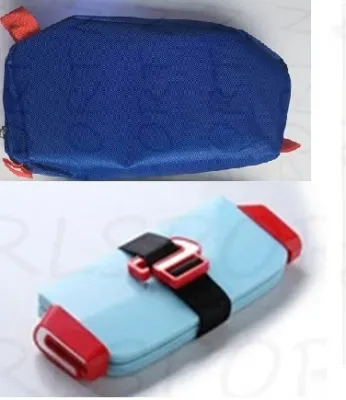
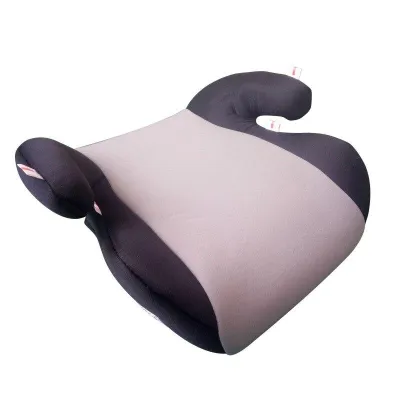
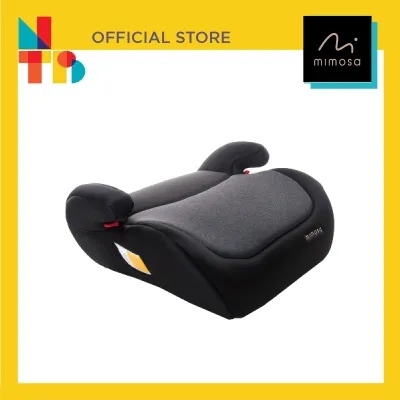
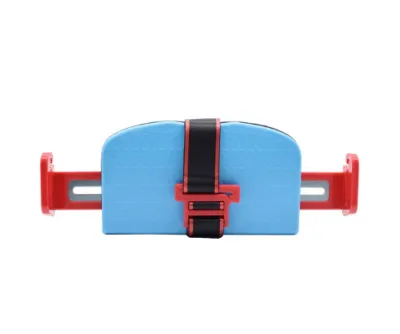
Prices are valid at publication and may change. Please refer to the product page for the latest price.
While meeting the legal minimum is necessary to avoid penalties, best-practice safety recommendations often go beyond the bare legal baseline. Safety experts generally recommend keeping children in a booster seat until they can achieve a proper seat belt fit directly against their shoulder and hips, which often occurs well after they have surpassed the minimum legal requirements.
It is important to understand that there is no local “Singapore Standard” mark printed on car seats. When local authorities refer to approved restraints, they are pointing to imported equipment that has successfully passed rigorous testing under established international frameworks. Ensuring your booster seat carries one of these recognized certifications is the only way to guarantee it is legally compliant on Singapore roads.
Locating and Reading Safety Certification Labels
To verify that a booster seat is genuinely compliant, you must locate the physical certification label on the product itself. This is typically a bright orange, white, or blue sticker or a fabric tag sewn directly into the seat cover, affixed to the plastic shell, or printed clearly in the manufacturer’s user manual.

These labels display specific international standard identifiers that indicate the seat has undergone standardized crash testing. Common examples of recognized standards include the United Nations regulations, such as UN R129 (often referred to as i-Size) and the older ECE R44/04 standard. When inspecting a seat, look for these specific codes printed on the label, along with approval numbers and weight or height classifications.
Be highly cautious of vague marketing phrases such as “safety tested,” “crash-tested,” or “approved for use” printed on the packaging or online product listings. Without a visible, standardized regulatory certification mark from an accredited international body, these claims carry no legal weight and do not guarantee that the seat meets Singapore’s regulatory requirements.
Matching Seat Specifications to Your Child and Vehicle
A compliant label is only effective if the booster seat is appropriate for your child’s current physical dimensions. Always check the manufacturer’s specified height and weight limits printed on the certification label, as these physical measurements are far more critical for safety than the child’s age.
You must also verify how the booster seat installs in your specific vehicle. Some booster seats utilize ISOFIX anchor points to secure the seat to the vehicle chassis, while others rely entirely on the vehicle’s three-point seat belt system to secure both the seat and the child. Confirm that your car’s seating configuration and anchor points match the installation requirements of the booster seat you choose.
Additionally, consider the structural differences between high-back and backless booster seats. High-back boosters provide essential lateral support and integrated belt guides, making them highly recommended for younger children or vehicles without adjustable rear headrests. Backless boosters are more compact and portable, but they require the vehicle’s seat to have an adequate headrest to protect the child’s head and neck from whiplash.
Red Flags: When to Reject or Retire a Booster Seat
When evaluating booster seats, certain conditions should immediately prompt you to reject a product or retire an existing one. Never purchase or use a booster seat—whether brand new or second-hand—that lacks a clear, legible certification label or manufacturer specification tag.
Always inspect the seat for an expiration date, which is often stamped into the plastic shell or detailed in the user manual, as materials degrade over time, especially in Singapore’s hot and humid climate. Check for any signs of visible structural damage, hairline cracks in the plastic, frayed or twisted harness straps, or missing components like belt guides or padding.
If you are considering a second-hand seat with an unknown history, or if a seat has been involved in a vehicle collision, it must be retired immediately, even if there is no visible damage. If you are unsure about a seat’s history, compatibility, or proper installation, consult the manufacturer directly or seek guidance from a certified child passenger safety technician.
Frequently Asked Questions (FAQ)
Can I use a booster seat bought overseas in Singapore?
You can use a booster seat purchased overseas only if it bears a safety standard certification that is officially recognized by Singapore’s Land Transport Authority and Traffic Police. Before using an imported seat, locate the physical certification label on the product and cross-reference the standard code with the list of accepted international standards on the official local government portals.
Does a higher price guarantee a safer or more compliant booster seat?
A higher price tag does not mean a booster seat is safer or more compliant, as all legally approved seats must meet the exact same baseline international safety standards to be sold. Higher costs typically reflect premium fabric materials, advanced comfort padding, lighter weights for travel, or more convenient installation mechanisms rather than a superior level of crash protection.

Community discussion
Share your experience or ask a question. Comments are reviewed before publication.