
Choosing the right laundry detergent for your baby involves looking past bright packaging and focusing directly on the ingredient list. Babience, a popular brand in the baby care space, offers formulations designed to clean infant clothing gently. To determine if a specific Babience baby laundry detergent is suitable for your little one, you must understand how to decode its label, identify its active cleaning agents, and evaluate any secondary additives like preservatives or fragrances. Because formulations can vary by region and product line, verifying the exact ingredients on your specific bottle is the most reliable way to protect your baby’s delicate skin barrier.
How to Locate and Read the Babience Ingredient List
Finding the complete ingredient list is the first step in verifying any marketing claims made on the front of the bottle. Manufacturers typically print the full list of ingredients on the back or side panel of the physical packaging, often in small print. If you are shopping online through an ecommerce platform or the brand’s official website, look for high-resolution images of the back label or check the product description section where full ingredient disclosures are frequently listed.
When reading the ingredient list, keep in mind that components are listed in descending order of concentration. The ingredients at the very top of the list, such as water and primary cleaning agents, make up the largest percentage of the formula, while preservatives, fragrances, and botanical extracts appear near the bottom. Recognizing this order helps you evaluate how concentrated the active cleaning agents are relative to secondary additives.
Products mentioned in this guide
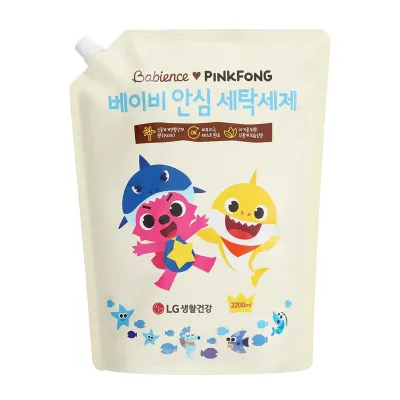
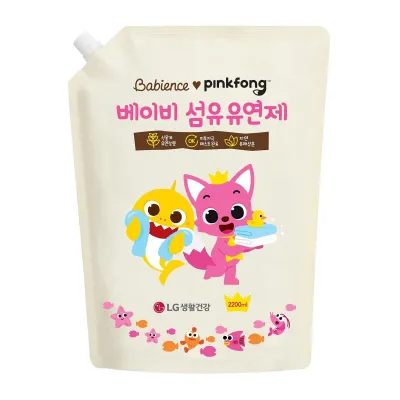
Prices are valid at publication and may change. Please refer to the product page for the latest price.
Understanding standard naming conventions is also essential for accurate label reading. Many brands use International Nomenclature of Cosmetic Ingredients (INCI) names, which can make mild, plant-derived ingredients sound like complex synthetic chemicals. For example, a gentle coconut-derived cleanser might be listed by its chemical name rather than its source, requiring a quick cross-reference to understand its origin.
By cross-referencing front-label marketing claims like “plant-based” or “hypoallergenic” with the actual chemical names on the back, you can make an informed decision. If a product claims to be free of specific chemicals, the back label should confirm the absence of those substances. This verification process ensures that you are choosing a product based on its actual chemical makeup rather than promotional slogans.
Identifying Surfactants and Cleaning Agents on the Label
Surfactants are the primary cleaning agents in any laundry detergent, responsible for lowering the surface tension of water so it can penetrate fabric fibers and lift away dirt. In baby detergents, the choice of surfactants is critical because infant skin is thinner and more permeable than adult skin, making it highly susceptible to irritation from harsh chemical residues.

Traditional household detergents often rely on strong anionic surfactants, such as sodium lauryl sulfate (SLS) or sodium laureth sulfate (SLES), which can strip the skin’s natural lipid barrier and cause dryness. Baby-specific formulas, including those from Babience, typically replace these harsh chemicals with mild, non-ionic, or amphoteric surfactants. Common gentle alternatives include alkyl polyglucosides (such as coco-glucoside or decyl glucoside) and amino acid-based cleansers, which clean effectively without leaving irritating residues.
These mild surfactants are specifically chosen to target baby-specific stains, which are primarily organic and protein-based. Stains from breastmilk, infant formula, spit-up, and diaper leaks require surfactants that can emulsify fats and break down proteins without requiring harsh scrubbing or high water temperatures. The gentle surfactants suspend these soils in the wash water, allowing them to be rinsed away completely while preserving the softness of delicate cotton baby clothes.
When evaluating a Babience detergent bottle, locate the surfactant section on the label to confirm which specific cleaning agents are used. Checking for the presence of glucoside-based or coconut-derived surfactants will help you ensure the formula aligns with your expectations for a gentle yet effective wash cycle.
Evaluating Enzymes, Preservatives, and Fragrances
Secondary ingredients play a significant role in stain removal, product shelf life, and sensory appeal, but they are also the most common culprits behind skin reactions. Enzymes, such as proteases and amylases, are highly effective at breaking down stubborn organic stains like milk and baby food. While enzymes are generally safe for most infants, babies with extremely reactive skin or conditions like atopic dermatitis may experience irritation from residual enzymes left on fabric fibers, making enzyme-free formulas a preferred choice for highly sensitive skin.
Preservatives are absolutely necessary in liquid detergents to prevent the growth of harmful bacteria, yeast, and mold. Because liquid formulas contain a high percentage of water, they would quickly spoil without a preservative system, especially when stored in warm, humid household environments. When checking the Babience label, look for mild, skin-safe preservative systems and verify the absence of high-risk sensitizers such as parabens, methylisothiazolinone (MIT), or formaldehyde-releasing agents.
Fragrances and dyes are added to detergents purely for aesthetic reasons and do not contribute to cleaning performance. Even natural essential oils used for scent can contain volatile compounds that trigger contact dermatitis on a newborn’s delicate skin. Synthetic dyes can also leave residues that irritate sensitive skin areas, which is why pediatricians generally recommend completely fragrance-free and dye-free laundry products for the first few months of life.
Because Babience offers multiple product variants, some formulations may contain mild fragrances or natural extracts while others are designed to be completely scent-free. Always check the specific bottle variant you plan to purchase to ensure the fragrance and preservative profile matches your baby’s individual skin tolerance.
Matching the Formula to Your Baby's Skin Needs
To choose the right detergent, you must match the verified ingredient profile with your baby’s specific skin condition. If your baby has normal skin with no history of dryness, a standard mild baby detergent may work well. However, if your baby suffers from eczema, dry patches, or persistent redness, you should prioritize a completely fragrance-free, dye-free, and enzyme-free formula to minimize the risk of flare-ups.
Before transitioning your baby’s entire wardrobe to a new detergent, it is wise to perform a practical patch test. Wash a single item of clothing, such as a cotton bodysuit, or a small bedding sheet using the new detergent, and have your baby wear or use it for a full day. Monitor their skin closely during and after this period for any signs of localized redness, bumps, or itching.
If you observe any adverse skin reactions, stop using the detergent immediately and re-wash the affected clothing in plain, hot water to remove any lingering residues. If the skin irritation does not improve within a few days, spreads to other areas of the body, or causes your baby discomfort, consult a pediatrician or dermatologist for professional guidance.
Frequently Asked Questions (FAQ)
Do I need to double-rinse baby clothes when using Babience?
Always check the manufacturer’s official usage instructions on the Babience label, as dosage recommendations are carefully calibrated to prevent excessive sudsing. If you follow the recommended dosage, a standard rinse cycle is typically sufficient to clear the detergent from the fabric.
However, you should inspect the washed clothes after the cycle; if they feel stiff, slimy, or have a strong lingering scent, detergent residue may still be present. If your baby has highly sensitive skin or if you are washing heavily soiled items that required a larger dose of detergent, adjusting your washing machine to run an extra rinse cycle is a practical safeguard to ensure all surfactant residues are completely cleared.
Can Babience detergent be used for the whole family's laundry?
Baby-safe detergents can clean adult clothing, but they may struggle with heavy grease, industrial soils, or strong body odors due to their milder surfactant profile. They are designed for organic baby stains rather than the heavy synthetic soils often found on adult activewear or work clothes.
Additionally, consider the cost efficiency of using a specialized baby detergent for the entire household. Baby detergents often cost more per wash, with prices sometimes exceeding S$10 to S$15 per bottle depending on the retailer, making it less economical to use for large, daily adult laundry loads. Many families choose to separate baby items for specialized washing to conserve the baby detergent, while others transition the entire household to a single, gentle, fragrance-free detergent to simplify the laundry routine.

Community discussion
Share your experience or ask a question. Comments are reviewed before publication.