
When planning a nursery, selecting a safe sleeping environment is one of the most critical decisions you will make for your newborn. Tutti Bambini is a widely recognized brand in the nursery furniture industry, known for its stylish co-sleepers, traditional cots, and convertible cot beds. However, brand reputation alone is never a substitute for rigorous, individual product verification. No baby crib or cot is completely risk-free by default. A truly secure sleep environment depends on a combination of robust manufacturing compliance, correct assembly, and strict adherence to safe sleep practices.
As a caregiver, you must evaluate the specific crib model you intend to use rather than relying solely on the brand’s general market presence. Different models may have varying specifications, weight limits, and assembly requirements. Understanding how to verify safety certifications, inspect structural components, and assemble the furniture correctly forms the foundation of your baby’s physical safety during sleep.
Recognized Safety Standards and Certifications to Verify
To ensure a crib provides a secure sleep environment, it must comply with established safety benchmarks. Since Tutti Bambini is a British brand, its products are typically designed to meet European safety standards. When evaluating a specific model in Singapore, you should verify if it carries certifications such as the European standard BS EN 716 (which governs children’s cots and folding cots for domestic use) or the American standard ASTM F1169 (which covers full-size baby cribs). These rigorous testing frameworks are designed to simulate years of wear and tear, ensuring the furniture remains structurally sound under the dynamic forces of a growing child.
Products mentioned in this guide

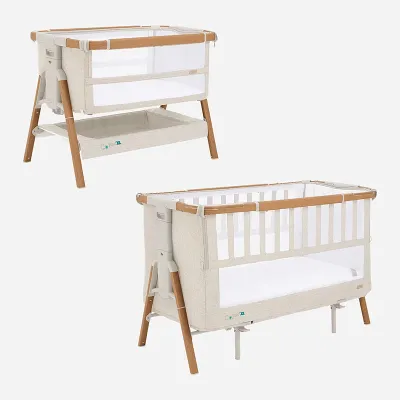
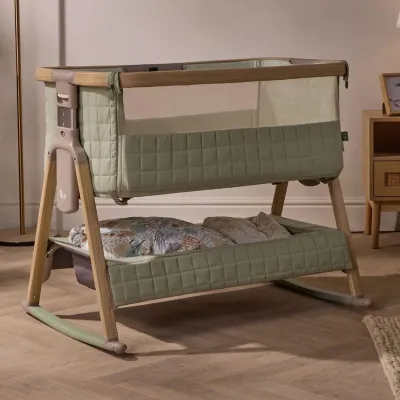
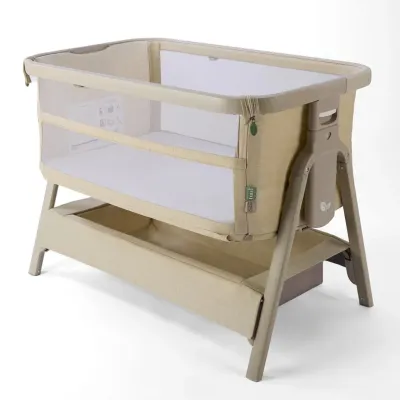
Prices are valid at publication and may change. Please refer to the product page for the latest price.
These safety standards evaluate several critical design parameters. First, they mandate that the distance between individual slats must fall within a strict safe range—typically between 45 mm and 65 mm—to prevent a baby’s head or limbs from becoming trapped. Second, they test the structural integrity of the frame, ensuring it can withstand impacts and weight without collapsing. Third, they regulate the precise fit of the mattress to prevent dangerous gaps along the perimeter. Finally, they require rigorous testing of all paints, varnishes, and finishes to confirm they are completely non-toxic, lead-free, and safe for a teething baby who might chew on the rails.
You should never assume compliance based on marketing claims alone. Always look for physical proof of certification. These marks and standard codes are typically printed on the product packaging, detailed within the instruction manual, or stamped directly onto a physical label attached to the base or frame of the crib. You can also cross-reference these claims on the manufacturer’s official website.
If you cannot find clear, visible proof of compliance for a specific model, contact the manufacturer or the local retail distributor directly to request the official safety data sheets. Avoid purchasing or using any crib where compliance with recognized international standards cannot be verified.
Common Crib Hazards and Risk Reduction Strategies
Understanding common crib hazards allows you to take proactive, preventative steps to protect your infant. By addressing these risks systematically, you can maintain a safe sleep environment throughout your baby’s early years.

Entrapment and Strangulation: These hazards often arise from incorrect design dimensions or unsafe accessories. If the gap between the crib slats is too wide, a baby’s body can slide through, leaving the head trapped. Conversely, if the slats are too narrow, limbs can easily become wedged. Protruding hardware, decorative corner posts, or cut-outs in the headboard also pose severe strangulation risks if a baby’s clothing or pacifier ribbon catches on them. To mitigate these risks, verify that the slat spacing on your specific model meets the manufacturer’s specified safe limits. Additionally, keep the sleep area completely clear. Do not use loose blankets, pillows, stuffed toys, or padded crib bumpers, as these items are known hazards that can lead to accidental entrapment or strangulation.
Suffocation: A firm, flat, and waterproof mattress is essential to prevent suffocation. If a mattress is too soft, it can conform to the baby’s face, blocking their airway if they roll over. Furthermore, the mattress must fit the crib frame perfectly. If the mattress is too small, it creates dangerous gaps along the sides or corners. A baby can easily slip into these gaps and become trapped. To check this, perform the “two-finger test”: if you can fit more than two fingers between the edge of the mattress and the crib frame, the mattress is too small and must be replaced with one that matches the manufacturer’s exact specified dimensions.
Falls and Structural Failure: As babies grow, their physical capabilities change rapidly. A mattress height that is safe for a newborn can become a major fall hazard once the infant learns to sit, crawl, or pull themselves up. To prevent falls, you must lower the mattress base to its lowest setting before your baby shows signs of being able to pull up to a standing position. Regularly inspect the structural integrity of the frame to ensure no joints have weakened over time, as a structural failure can cause the crib to collapse.
Toxicity: Infants frequently explore their environment with their mouths, especially during teething phases. If the crib’s rails are coated in finishes containing lead or other harmful chemicals, ingestion can lead to severe health complications. When choosing a crib, confirm that the manufacturer explicitly states that all varnishes, paints, and protective coatings are non-toxic, lead-free, and food-safe. If your model features plastic teething rails, inspect them regularly to ensure they are securely attached and free from cracks or sharp edges.
Essential Safety Checks Before and After Assembly
Ensuring your baby’s safety requires a systematic approach that begins before you purchase the crib and continues throughout its operational life. Implementing a strict verification routine at every stage minimizes the risk of structural failure.
Pre-Purchase Inspection: If you are purchasing from a physical showroom in Singapore, take the time to inspect the display model closely. Run your hands along the wooden surfaces to check for splinters, rough patches, or sharp edges that could scratch a baby’s sensitive skin. If you are ordering online, conduct this thorough physical inspection immediately upon unboxing the components at home. Examine any moving parts, such as adjustable base mechanisms, to ensure they operate smoothly without creating pinch points for adult fingers or a baby’s limbs.
Assembly Best Practices: When assembling the crib, you must follow the manufacturer’s printed instruction manual exactly. Lay out all the components beforehand to verify that no parts are missing. Use only the original hardware provided in the packaging; never substitute missing screws, bolts, or dowels with generic hardware from a local store. Avoid any DIY modifications, such as drilling new holes or adding custom brackets, as these changes can alter the load distribution, compromise the structural integrity, and void the manufacturer’s warranty. If you find the instructions unclear or notice missing components, stop assembly immediately and contact the manufacturer or authorized retailer for assistance.
Post-Assembly Verification: Once the crib is fully assembled, perform a comprehensive physical test before placing your baby inside. Place both hands on the top rails and give the crib a firm shake. A properly assembled crib should feel completely stable and rigid, with no wobbling, swaying, or rattling. Double-check every bolt, screw, and joint to ensure they are tightly secured but not overtightened to the point of stripping the threads or cracking the wood.
Ongoing Maintenance: Crib components can naturally loosen over time due to the vibrations of daily use and changes in indoor humidity, which is particularly relevant in Singapore’s tropical climate. Wood naturally expands and contracts with humidity fluctuations, which can gradually loosen joints. Establish a monthly routine to inspect the crib. Check for loose hardware, peeling paint, cracked timber, or split slats. If you find any loose screws, tighten them immediately. If you discover structural damage, such as a cracked frame or split slat, discontinue use of the crib immediately until it can be repaired using original manufacturer parts.
When to Stop Using the Crib and Transition to a Bed
A crib is only safe as long as it matches your child’s developmental stage. To prevent serious injuries, you must recognize the milestones and conditions that indicate it is time to transition your child to a toddler bed or a regular single bed.
First, always adhere to the manufacturer’s specified height and weight limits for the crib. These limits are determined through safety testing and represent the maximum physical load the frame can safely support. Even if your child is within the weight limit, you must stop using the crib immediately if they reach a height where they can climb out, or if the top of the crib rail is lower than their nipple line when they stand on the lowest mattress setting. At this stage, the risk of a fall over the side rail increases dramatically.
Second, if the crib suffers any significant structural damage—such as a cracked corner post, a broken support bar, or a split wooden rail—and you cannot obtain original, authorized replacement parts from the manufacturer, you must retire the crib. Do not attempt to patch structural damage with tape, glue, or non-standard brackets.
Finally, stay informed about product safety recalls. Manufacturers occasionally issue recalls if a design flaw or manufacturing defect is discovered after the product enters the market. Regularly check the official website of the manufacturer or local consumer safety authorities in Singapore for any recall notices matching your specific model and batch number. If your crib is recalled, stop using it immediately, arrange an alternative safe sleeping arrangement, and contact the manufacturer to follow their official remedy instructions, which may involve a repair kit, a replacement, or a refund.
Frequently Asked Questions (FAQ)
Do I need to use a specific mattress with a Tutti Bambini crib?
While you do not necessarily have to purchase a mattress manufactured by Tutti Bambini, the mattress you choose must perfectly match the internal dimensions specified in the crib’s user manual. A mattress that is even slightly too small can leave dangerous gaps where a baby’s head or limbs can become trapped. The mattress must also be exceptionally firm and flat, resisting compression when your baby lies on it. Always check the product label on both the crib and the mattress to verify that the dimensions correspond exactly, leaving no more than a 2-cm gap anywhere around the perimeter.
Are drop-side cribs safe to use?
Drop-side cribs, which feature a side rail that slides down to make it easier to lift the baby, are widely considered unsafe and have been banned or heavily restricted in several international markets due to severe safety risks. Over time, the plastic or metal tracking hardware on drop-side mechanisms can warp, break, or detach, creating a dangerous gap between the mattress and the loose rail where an infant can become trapped and suffocate. In Singapore, while you may still encounter various crib designs, it is highly recommended to avoid older or second-hand drop-side models. Opt instead for a modern, fixed-sided crib or a cot bed with adjustable mattress heights to ensure maximum structural stability and eliminate the risks associated with moving side rails.

Community discussion
Share your experience or ask a question. Comments are reviewed before publication.