
Choosing a toddler carrier requires looking beyond aesthetic designs to evaluate how well the structure supports your growing child’s physical development. The Tula Toddler carrier is widely recognized for its generous, fixed-dimension panel and robust support, but its ergonomic suitability compared to other leading carriers depends entirely on your child’s current measurements and your own comfort preferences. While some brands offer highly adjustable seats that expand incrementally, the Tula Toddler relies on a dedicated, wide-base design tailored specifically for children who have outgrown standard baby carriers.
To determine if this carrier or an alternative is the right fit, you must compare key physical dimensions—such as seat width and panel height—against your toddler’s knee-to-knee distance and torso length. A carrier that fits one toddler perfectly might cause another to dangle or overextend, making a personalized measurement check essential before purchasing. By understanding how these structural elements interact with your child’s anatomy and your own body, you can make an informed decision that ensures safe, comfortable, and ergonomic carrying.
Defining Ergonomic Standards for Toddler Carriers
Before comparing specific brands, it is essential to establish what makes a toddler carrier truly ergonomic. For toddlers, just as for infants, healthy hip development relies on maintaining the “M-shape” or “froggy” position. In this position, the child’s knees are supported higher than their bottom, and the thighs are spread wide to cradle the caregiver’s torso. This alignment reduces stress on the hip joints and keeps the femur securely positioned within the hip socket, which remains important even as a child’s skeletal system matures.
Products mentioned in this guide
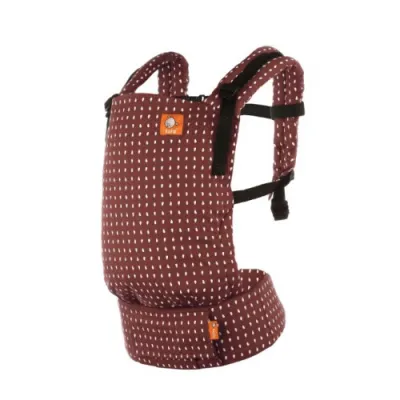
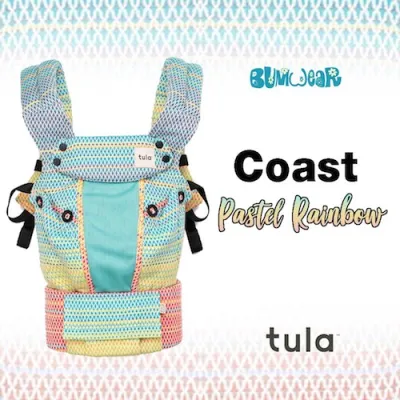
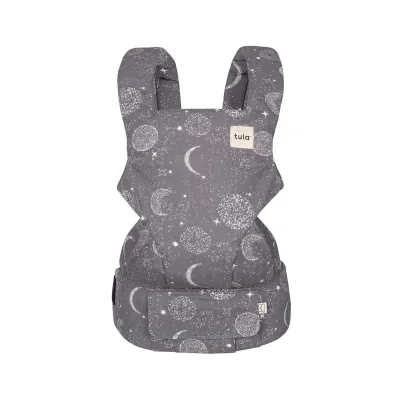
Prices are valid at publication and may change. Please refer to the product page for the latest price.
Spine support is another critical factor in ergonomic design. A well-designed toddler carrier should support the natural, gentle curve of the child’s spine without forcing it into an unnaturally straight position. The back panel must be supportive enough to prevent the toddler from slumping, which can restrict breathing, while still allowing enough flexibility for natural movement. Because toddlers are heavier and more active than infants, any lack of structural support in the spine or hips will quickly translate into discomfort for both the child and the caregiver.
When evaluating these ergonomic standards, caregivers should rely on official manufacturer specifications, physical product tags, and pediatric guidelines rather than subjective marketing claims. Every reputable carrier must display its tested weight and height ranges on its physical labels. Verifying these details ensures that the carrier’s structural integrity is rated to handle the forces exerted by an active toddler, keeping them secure and properly aligned during use.
Key Ergonomic Dimensions: Tula Toddler vs. The Competition
The primary differences between the Tula Toddler and other leading carriers lie in their physical dimensions and structural philosophy. While some carriers utilize adjustable fabric panels, buttons, or hook-and-loop fasteners to modify the seat width as the child grows, the Tula Toddler features a fixed, wide-panel design. This structural choice provides a highly stable, consistent seat but requires the child to meet specific minimum physical dimensions before their first use.

Seat Width and Hip Positioning
To evaluate how a carrier will support your child’s hips, you must first establish a baseline by measuring your toddler’s knee-to-knee distance. Have your child sit on a flat surface in a comfortable, relaxed position with their knees bent. Use a soft measuring tape to measure the distance from the back of one knee, across their bottom, to the back of the other knee. This measurement represents the ideal seat width required to provide full thigh support without overextending the knee joints.
Once you have this measurement, compare it directly to the seat width specifications found in the official product manuals or labels of the Tula Toddler and its competitors. The Tula Toddler’s fixed seat width is designed to support older toddlers who have completely outgrown standard baby carriers. If your child’s knee-to-knee measurement is significantly shorter than the carrier’s seat width, the fabric will press into the back of their calves, forcing their legs straight and preventing the healthy M-shape position. Conversely, if their knee-to-knee measurement is much wider than the seat, their thighs will dangle unsupported, placing excess pressure on their hip joints.
Always verify the carrier’s weight and height limits on the physical product tag to ensure the seat remains supportive and safe as your child grows. Some alternative carriers offer adjustable seat bases that can be narrowed or widened using snaps or sliders. While these adjustable options provide greater flexibility during transition phases, fixed-width carriers like the Tula Toddler often provide a more seamless, structured seat area that does not shift or loosen under the weight of a heavier child.
Panel Height and Spine Support
The height of the carrier’s back panel determines how much of your toddler’s torso is supported and plays a major role in both safety and comfort. A taller panel provides excellent support for the upper back, neck, and head, which is particularly beneficial if your toddler tends to fall asleep while being carried. However, a very tall panel can restrict the arm movement of an active toddler who prefers to keep their arms out to explore their surroundings or interact with the caregiver.
To find the right balance, measure your child’s torso length from their tailbone up to the nape of their neck. Compare this measurement to the panel heights specified by the Tula Toddler and other leading brands. The Tula Toddler is known for having a relatively tall, structured back panel. This design offers robust support for taller children and helps keep their center of gravity close to your body, making the load feel lighter. If your child has a shorter torso, however, a tall panel might cover their face or restrict their view, leading to frustration and resistance.
Caregivers must check the manufacturer’s tags for specific head and neck support requirements, especially if the toddler is prone to napping in the carrier. Many carriers include an integrated or detachable hood that can be secured to support a sleeping child’s head. Ensure that any hood or panel extension you use does not block the child’s airway or prevent you from monitoring their breathing at all times.
Adjustability and Comfort for the Caregiver
An ergonomic carrier must support the adult wearer just as effectively as it supports the child. Carrying a toddler, who typically weighs significantly more than an infant, places substantial demands on your shoulders, back, and hips. The design of the shoulder straps and waistband determines how well that weight is distributed across your body.
When comparing the Tula Toddler to other leading brands, pay close attention to the style and padding of the shoulder straps. The Tula Toddler features thick, highly padded shoulder straps designed to cushion the shoulders under heavy loads. Some alternative carriers offer crossable shoulder straps (often referred to as “X-back” straps), which allow the straps to cross over the wearer’s back to distribute weight more evenly across the upper body. The Tula Toddler typically utilizes parallel (“H-pack”) straps, which rely on a chest clip to keep the straps secure. Caregivers with narrower shoulders or specific back preferences may find one style significantly more comfortable than the other.
The waistband is another critical component of weight distribution. A structured, wide, and heavily padded waistband acts as the primary load-bearing element, transferring a large portion of the toddler’s weight from your shoulders down to your hips and legs. Look for a waistband that maintains its shape under pressure and does not fold or dig into your abdomen. The Tula Toddler is equipped with a firm, supportive waistband that excels at load distribution, though some wearers may prefer the softer, more flexible waistbands found on alternative models.
To find the most comfortable fit, use a practical checklist during a trial wear:
- Position the waistband flat against your hips or waist, ensuring it is snug and level all the way around.
- Adjust the shoulder straps so the child's weight is pulled close to your torso, preventing the carrier from sagging outward.
- Check the placement of the chest clip; it should sit comfortably across your mid-back or chest, away from your neck.
- Ensure you can easily reach and adjust all buckles and straps without straining.
- Walk around for several minutes to assess if the weight is balanced evenly or if you feel pressure points on your shoulders or lower back.
How to Verify Fit and Safety Before You Buy
To ensure you are purchasing a carrier that is safe and ergonomically sound, you must validate the manufacturer’s claims through direct physical checks rather than relying on unverified online reviews or marketing descriptions. Before placing your child in any carrier, locate and read the specific weight, height, and age limits printed on the physical safety tags sewn into the carrier or detailed in the official user manual. Never assume a carrier is suitable for your child based solely on their age, as physical development and size vary widely.
Once you have secured your toddler in the carrier, perform a series of visual and physical checks to confirm a proper ergonomic fit:
- Look at the child's hips and knees from the side and back. Their knees should be bent and positioned higher than their bottom, forming a clear "M" shape.
- Check that the seat fabric extends fully from knee crease to knee crease, supporting the entire thigh without bunching or cutting into the back of the knees.
- Observe the child's spine. It should curve naturally and gently, with no signs of slumping down or being forced into an unnaturally rigid, straight line.
- Ensure the child's face is fully visible, clear of fabric, and "close enough to kiss." You should be able to monitor their breathing easily at all times.
- Verify that there is at least a two-finger gap between the child's chin and chest to keep their airway completely open.
If your child shows any signs of discomfort, restricted breathing, or improper alignment, immediately remove them from the carrier. Stop using the carrier and consult a pediatrician, a certified babywearing consultant, or the manufacturer’s customer support team to address the issue. Continuing to use an ill-fitting carrier can lead to physical strain for both you and your child, compromising safety and comfort.
Decision Framework: Which Carrier Fits Your Toddler Best?
Selecting the right toddler carrier requires matching your child’s physical dimensions and your own comfort needs to the specific design features of each model. There is no single carrier that is universally perfect for every family, as individual body shapes and preferences vary.
Consider choosing the Tula Toddler carrier if:
- Your child's knee-to-knee measurement aligns closely with the carrier's fixed seat width, ensuring full thigh support without overextension.
- You prefer a highly structured, tall back panel that provides robust upper body and sleeping support for taller toddlers.
- You find thick, parallel shoulder straps and a firm, supportive waistband comfortable for carrying heavier loads over extended periods.
- You appreciate a straightforward, fixed-dimension design that does not require frequent adjustments between different users or growth surges.
Consider choosing a leading alternative carrier if:
- Your child is on the smaller side of the toddler spectrum and requires an adjustable seat width that can grow with them.
- You prefer the versatility of crossable shoulder straps to better distribute weight across your back.
- Your child has a shorter torso and requires a lower panel height to allow full arm mobility and a clear view.
- You need a carrier that offers multiple carrying positions, such as a forward-facing option, which the Tula Toddler does not support.
Before making your final decision, verify if your toddler is currently transitioning between standard and toddler sizes. Attempting to use a toddler carrier too early, before your child meets the minimum height and weight requirements, compromises their safety and ergonomic support. Conversely, continuing to use an outgrown standard carrier can cause discomfort and strain. If your child’s current weight or height falls outside the manufacturer’s stated safety limits for the models you are considering, neither carrier is suitable, and you should look for a size-appropriate alternative.
Frequently Asked Questions (FAQ)
At what age or weight should I switch to a toddler carrier?
You should transition to a toddler carrier based on your child’s physical measurements and developmental milestones rather than chronological age alone. Always check the specific minimum weight and height requirements printed on the toddler carrier’s physical safety label or detailed in the official manual. A reliable indicator for transition is when your child can sit unassisted and their knee-to-knee measurement matches the minimum seat width of the toddler carrier, ensuring their legs are not forced into an overextended position.
Can I use a standard infant carrier for my toddler?
Using an outgrown standard infant carrier for a toddler poses significant safety and ergonomic risks. You must never exceed the maximum weight or height limits printed on your infant carrier’s safety tags, as doing so can compromise the structural integrity of the buckles, seams, and fabric. Furthermore, an outgrown seat width will fail to support your toddler’s thighs, causing their legs to dangle straight down. This improper hip positioning can place excessive strain on their joints, restrict circulation, and cause significant discomfort for both the child and the caregiver.

Community discussion
Share your experience or ask a question. Comments are reviewed before publication.