
Carrying a growing toddler requires a careful balance between the child’s developmental ergonomics and the parent’s musculoskeletal comfort. As children transition from infancy to toddlerhood, their weight increases significantly, shifting the physical demands of babywearing. Finding a carrier that distributes this weight efficiently while maintaining a healthy seating position is essential for preventing caregiver back strain and supporting the child’s developing joints.
While many standard baby carriers claim to support children into their toddler years, the reality of carrying a fifteen-kilogram child is vastly different from carrying a newborn. Dedicated toddler carriers and highly adjustable multi-stage carriers are engineered to handle these heavier loads. By examining the structural differences, fabric technologies, and adjustment mechanisms of Ergobaby, BabyBjörn, and Tula, parents can identify the optimal carrying system for their specific lifestyle and physical needs.
Quick Answer: Which Toddler Carrier Offers the Best Ergonomic Support?
The ideal ergonomic toddler carrier depends heavily on your child’s physical proportions, your own body frame, and the environment in which you plan to use it. No single brand is the absolute winner for every family, as each manufacturer prioritizes a different aspect of the carrying experience.
Products mentioned in this guide
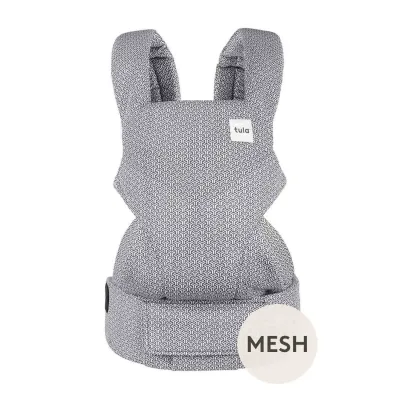
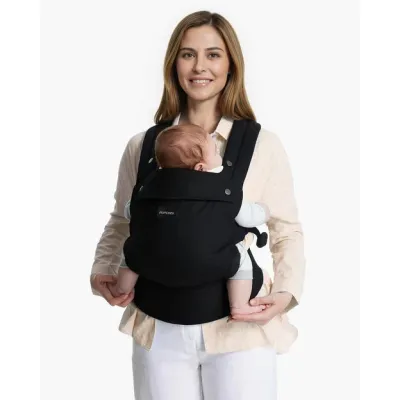

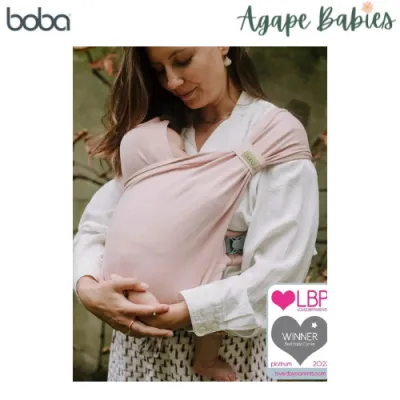
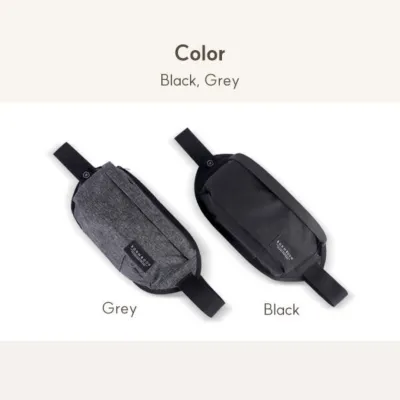
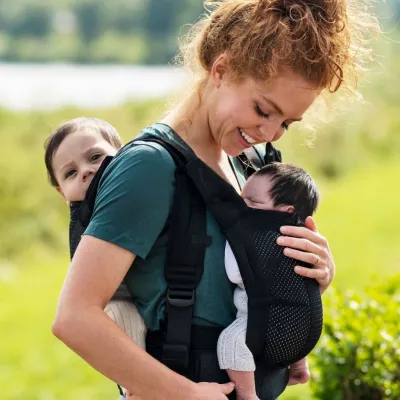
Prices are valid at publication and may change. Please refer to the product page for the latest price.
Ergobaby excels in structured, highly customizable lumbar support and long-term adaptability. Its multi-stage models feature robust waistbands with dedicated lumbar pads and adjustable seat sliders, making them excellent for parents who want a single carrier that transitions smoothly from infancy through the toddler years while protecting the lower back.
BabyBjörn is the standout choice for parents prioritizing quick, independent adjustments and superior ventilation. Its premium toddler-friendly models utilize highly structured, integrated harness systems that distribute weight across the hips and upper back, combined with advanced mesh fabrics that perform exceptionally well in warm, humid climates.
Tula offers the ultimate support for larger, heavier toddlers through its dedicated, single-size carrier designs. By focusing on a fixed, extra-wide and extra-tall panel rather than an adjustable multi-stage system, Tula provides maximum knee-to-knee support and thick, plush padding that makes extended back carries of older children remarkably comfortable.
What Makes a Toddler Carrier Truly Ergonomic?
To evaluate any carrier’s ergonomic credentials, it is necessary to understand how a child’s skeletal system should be supported. For toddlers, the primary ergonomic requirement is the maintenance of the “M-shape” seating position, also known as the spread-squat or froggy position. In this alignment, the child’s hips are flexed, their knees are positioned higher than their bottom, and their thighs are fully supported from knee crease to knee crease.

This position is critical because it ensures that the head of the femur sits securely and deeply within the hip socket, minimizing lateral forces that can strain developing joints. If a carrier’s seat is too narrow, the child’s legs will dangle straight down. This dangling pulls the hip joints downward, placing excessive pressure on the lower spine and increasing the risk of hip strain or misalignment over long periods. As toddlers grow taller, they require a wider seat base to maintain this knee-to-knee support.
For the caregiver, carrying a heavier child alters their center of gravity, often causing them to arch their lower back or round their shoulders to compensate. A truly ergonomic carrier must counteract this by transferring the child’s weight away from the parent’s shoulders and spine down to the stronger bones of the pelvis. This is achieved through three key design features:
- A wide, rigid waistband: This acts as the foundation of the carrier, anchoring the weight firmly on the hips.
- Lumbar support elements: Dedicated padding or reinforced panels help maintain the natural curve of the parent's lower spine.
- Contoured, adjustable shoulder straps: High-density foam padding prevents the straps from digging into the neck muscles, while options to cross the straps across the back can help distribute weight more evenly for certain body types.
Finally, adjustability is crucial. Because toddlers grow rapidly, the height of the back panel must be tall enough to keep their torso secure and close to the parent’s body, preventing them from leaning too far outward, which shifts the center of gravity and strains the caregiver’s back. Caregivers must always verify the manufacturer’s specific weight, height, and developmental guidelines before using any carrier to ensure safety and comfort.
Ergobaby Toddler Carriers: Ergonomic Design and Adjustability
Ergobaby has long been a benchmark in the babywearing industry, with its Omni and Adapt lines serving as highly popular options for families seeking long-term versatility. These carriers are engineered to grow alongside the child, utilizing clever adjustment mechanisms to transition from the newborn stage up to a specified toddler weight limit, which caregivers should always verify in the product manual.
The core of Ergobaby’s ergonomic appeal lies in its highly structured waistband, which features a substantial, integrated lumbar support pad. This pad sits against the parent’s lower back, distributing pressure evenly and preventing the waistband from folding or digging in under the weight of a heavy toddler. For parents prone to lower back pain, this structured support can make a noticeable difference during long walks or extended carrying sessions.
To maintain the essential M-shape position as the child grows, Ergobaby utilizes adjustable seat sliders or velcro tabs along the inside of the waistband. These allow the caregiver to manually widen the seat base, ensuring that a toddler’s thighs remain fully supported from knee to knee. The back panel can also be adjusted in height, providing secure upper-body containment for taller children who might otherwise lean away from the parent.
Pros of Ergobaby Toddler Carrying:
- Exceptional lumbar support that minimizes lower back strain during long carries.
- High adjustability, allowing the same carrier to fit multiple caregivers of different sizes.
- Versatile strap configurations, giving parents the option to wear the shoulder straps straight (H-strap) or crossed over the back (X-strap) for customized weight distribution.
- Multi-position carrying options, including front-inward, hip, and back carries.
Cons of Ergobaby Toddler Carrying:
- The highly structured, padded design can feel bulky and warm, particularly for smaller parent frames.
- Adjusting the sliders, buckles, and straps between different users can require a learning curve and take time to configure correctly.
BabyBjörn Toddler Carriers: Weight Distribution and Comfort
BabyBjörn has evolved its design philosophy significantly over the years, moving from early narrow-seat designs to modern, highly ergonomic carriers like the Harmony and One Air. These models are specifically engineered to accommodate older babies and toddlers, focusing on intuitive usability and sophisticated weight distribution.
What sets BabyBjörn apart is its unique harness system. Unlike many carriers where the parent must buckle the waistband, lift the child, and then reach behind their back to clip a chest strap, BabyBjörn carriers are designed so the parent puts on the entire harness first, like a vest. The child is then lifted into the carrier and secured using intuitive, color-coded front buckles. This design is highly beneficial for independent donning, eliminating the need for flexible arms or assistance from another adult.
For weight distribution, BabyBjörn utilizes an integrated back yoke and a sturdy, padded waist belt. The back yoke sits between the parent’s shoulder blades, pulling the shoulder straps together and distributing the child’s weight evenly across the upper back and shoulders, while the waist belt transfers the bulk of the load to the hips. Additionally, these models feature built-in head and neck support adjustments that can be tightened or loosened depending on whether the toddler is awake or napping.
Another major advantage of BabyBjörn’s toddler-friendly models is the extensive use of advanced 3D mesh fabrics. In warm and humid environments, such as Singapore’s tropical climate, heat buildup between the parent and child can quickly lead to discomfort and skin irritation. The highly breathable mesh fabric allows for maximum airflow, keeping both parent and toddler cool during outdoor excursions.
Pros of BabyBjörn Toddler Carrying:
- Exceptionally easy and safe to put on independently due to the front-buckling design.
- Advanced 3D mesh fabric provides superior ventilation and cooling in hot weather.
- Streamlined, minimalist aesthetic with fewer dangling straps than many competitors.
- Smooth adjustment transition from front carrying to back carrying.
Cons of BabyBjörn Toddler Carrying:
- The shoulder straps are integrated into the harness and cannot be crossed, which may limit comfort customization for parents who prefer an X-back style.
- The seat width adjustment, while functional, may not offer as wide a base for very large or long-legged toddlers compared to dedicated toddler carriers.
Tula Toddler Carriers: Fit, Support, and Versatility
While Ergobaby and BabyBjörn focus heavily on multi-stage adjustability, Tula takes a different approach by offering dedicated, size-specific carriers. The Tula Toddler Carrier and the even larger Tula Preschool Carrier are designed specifically for older, larger children who have outgrown standard baby carriers. This dedicated design philosophy eliminates the need for complex adjustment tabs, sliders, or zippers.
Because the Tula Toddler Carrier is built solely for larger children, its back panel is significantly wider and taller than that of any multi-stage carrier. This generous panel size ensures that even tall toddlers receive full knee-to-knee support, keeping their hips in the optimal M-shape position without any risk of their legs dangling. The extra-tall panel also provides excellent support for the child’s back, keeping their center of gravity close to the parent’s body, which is critical for comfortable back carrying.
Tula carriers are constructed from heavy-duty, high-quality cotton canvas or lightweight, durable ripstop fabrics. The waistband and shoulder straps are packed with thick, high-density foam padding that does not compress easily under heavy loads. This plush padding cushions the parent’s shoulders and hips, making the carrier feel incredibly supportive even during long, demanding hikes or extended travel.
Additionally, Tula carriers include practical features tailored for toddler adventures, such as a large storage pocket on the waistband for keys or snacks, and a removable hood that supports the child’s head when sleeping or protects them from the sun.
Pros of Tula Toddler Carrying:
- Generously sized panel provides perfect knee-to-knee support for larger, taller toddlers.
- Simple, streamlined design with no complex adjustments or internal hardware.
- Exceptionally thick, plush padding on the shoulder straps and waistband for maximum comfort under heavy loads.
- Fun, diverse range of fabric patterns and prints to suit personal styles.
Cons of Tula Toddler Carrying:
- Lacks the versatility of a multi-stage carrier; it cannot be used for infants and requires a separate purchase once the child outgrows a standard baby carrier.
- The large, heavily padded canvas panel is bulky to fold up and store in a diaper bag when not in use.
- Canvas models can feel warm in humid climates, though Tula does offer "Coast" versions featuring a mesh center panel for improved airflow.
Head-to-Head Comparison: Ergobaby vs. BabyBjörn vs. Tula
To help visualize how these three popular brands compare, the table below outlines the key physical design features and ergonomic structures of their toddler-friendly models. Caregivers should use these specifications as a starting point and verify current product labels and manufacturer instructions before making a final decision.
| Brand/Model Focus | Seat Width & Panel Height | Waistband & Lumbar Support | Shoulder Strap Style | Best Use Case |
|---|---|---|---|---|
| Ergobaby (Omni / Adapt Series) | Highly adjustable via internal sliders; scales from infant to toddler width. | Structured waistband with a dedicated, separate lumbar support pad. | Convertible straps; can be worn straight (H-strap) or crossed (X-strap). | Parents seeking a single, highly adjustable carrier from birth through toddlerhood with maximum lower back support. |
| BabyBjörn (Harmony / One Air) | Adjustable seat width via zippers or sliders; optimized for quick transitions. | Integrated waist belt with an adjustable back yoke for upper-body distribution. | Fixed harness style (H-strap only); secured entirely using front-facing buckles. | Caregivers prioritizing quick, independent buckling and high fabric breathability in warm climates. |
| Tula (Toddler / Preschool) | Fixed, extra-wide and extra-tall panel; designed specifically for larger frames. | Wide, thickly padded waistband without a separate lumbar pad. | Padded H-straps with dual-adjustment buckles for easy tightening. | Families carrying older, heavier toddlers for long periods who need maximum padding and simple operation. |
These physical design differences translate directly into how the carrier feels during daily use. A carrier with adjustable seat sliders, like Ergobaby, allows you to fine-tune the fit as your child grows, but requires more effort to reset if multiple caregivers of different sizes share the carrier. Conversely, a dedicated carrier like Tula offers instant, plug-and-play comfort for a specific size range but lacks the ability to shrink down for a younger sibling. Meanwhile, BabyBjörn’s vest-like harness system provides unmatched ease of use but limits strap configuration options.
How to Choose the Right Toddler Carrier for Your Needs
Selecting the right toddler carrier is a highly personal decision that depends on your child’s size, your physical comfort requirements, and your lifestyle. To find the best fit, consider the following conditional framework:
- Choose Ergobaby if you want a versatile, long-lasting carrier that adjusts as your child grows from infancy through the toddler years, and you prioritize structured lumbar support to protect your lower back during long carrying sessions.
- Choose BabyBjörn if you value quick, independent buckling without having to reach behind your back, and you live in a hot, humid environment where premium, highly breathable mesh fabric is essential to keep both you and your toddler cool.
- Choose Tula if you are carrying a larger, heavier toddler or preschooler, prefer a simple design without complex adjustment mechanisms, and want the thickest possible padding to cushion your shoulders and hips under heavy loads.
- Verify first if you are unsure about sizing or fit. Always check the carrier's maximum weight and height limits, measure your toddler's current height, and test how the waistband sits on your torso before purchasing. If possible, try on different models with your child inside to assess how the weight is distributed across your unique body frame.
Frequently Asked Questions (FAQ)
Is it safe to carry a toddler facing outward?
While outward-facing carries are popular for curious infants, they are generally not recommended for heavier toddlers. As a child grows heavier, carrying them facing outward shifts their center of gravity forward and away from your body. This forces you to arch your lower back to compensate, which can cause acute muscle strain and fatigue.
Additionally, outward-facing positions do not support the ergonomic M-shape as effectively for longer legs, and can lead to sensory overstimulation. For older, heavier toddlers who want to look around, a back carry or a hip carry is a much safer and more ergonomic alternative. These positions keep the child’s weight close to your center of gravity while still allowing them an excellent view of their surroundings. Always consult the manufacturer’s instructions to verify the specific weight and developmental milestones required for each carrying position.
When should I transition from a baby carrier to a toddler carrier?
The transition from a standard baby carrier to a dedicated toddler carrier should be based on your child’s physical proportions and comfort rather than their age alone. You should consider transitioning when you observe the following signs:
- Inadequate seat width: The fabric of your current carrier's seat no longer extends from knee crease to knee crease, causing your child's lower legs to dangle straight down and their knees to drop below hip level.
- Short back panel: The top of the carrier's back panel falls below your child's mid-back or underarms, allowing them to lean back excessively, which poses a safety risk and strains your shoulders.
- Weight limit approach: Your child is approaching the maximum weight limit specified in your current carrier's user manual.
Always refer to the manufacturer’s size guides and weight recommendations to ensure a safe and comfortable transition for both you and your child.
Community discussion
Share your experience or ask a question. Comments are reviewed before publication.