
When baby-proofing a home in Singapore, finding a reliable sharp edge protector brand is a priority for parents navigating the transition as their little ones begin to crawl, stand, and explore. Because local homes often feature a mix of hard tiled floors, sharp-edged custom carpentry, and glass coffee tables, a high-quality edge guard is essential to prevent painful bumps and serious injuries. However, with hundreds of unbranded and branded options flooding online marketplaces, identifying which brands are truly trustworthy requires looking beyond marketing claims to verify material safety, adhesive durability, and physical design.
Rather than relying solely on brand names, experienced parents evaluate edge protectors based on verifiable safety certifications and real-world performance in local environmental conditions. A trusted brand is one that provides complete transparency regarding its manufacturing standards, uses high-grade non-toxic materials, and utilizes adhesives capable of withstanding Singapore’s humid climate. By understanding these core criteria, parents can confidently select products that offer lasting protection for their children and peace of mind for the household.
What Makes a Sharp Edge Protector Brand Trustworthy?
A trustworthy baby-proofing brand prioritizes material safety above all else. Because infants and toddlers naturally explore their environment using their mouths, edge protectors are highly likely to be chewed on or licked. Reputable brands design their products to meet strict international safety standards, ensuring they are free from harmful chemicals such as bisphenol A (BPA), phthalates, heavy metals, and flame retardants. When evaluating brands, parents should look for explicit mentions of compliance with recognized standards such as the European Union’s EN 71 (toy safety standard) or REACH regulations, which verify that the materials used are non-toxic and safe for close contact with children.
Products mentioned in this guide
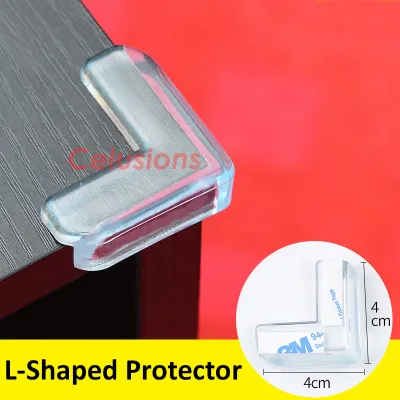
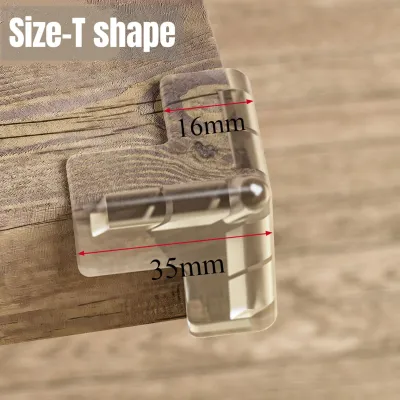
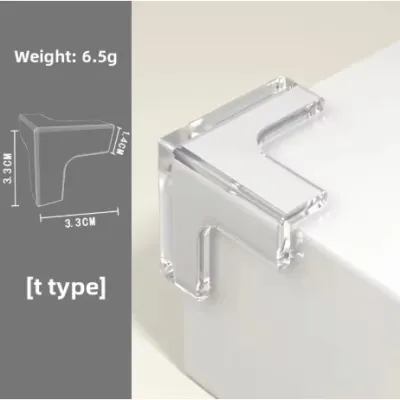
![[SG] Transparent Corner Protector | Corner Guard Baby Safety Corner Protector for Table & Furniture Corner Edge Bumper](https://img.lazcdn.com/g/p/5a3a27d1f5eb0192e08060b473a0dd4d.jpg_400x400q80.jpg_.webp)
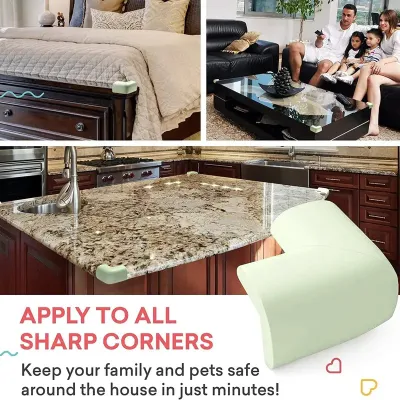
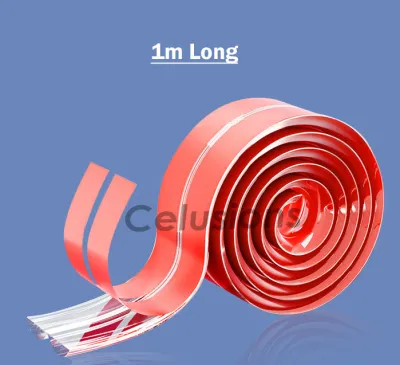
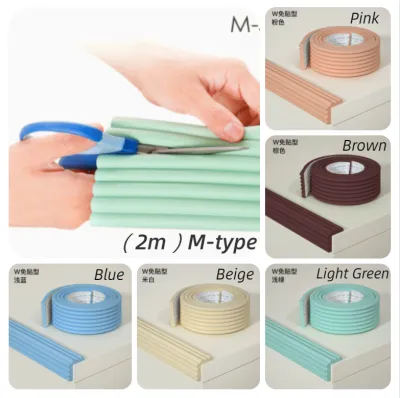
Prices are valid at publication and may change. Please refer to the product page for the latest price.
Adhesive quality is another critical indicator of a brand’s reliability. A protector that easily peels off not only fails to protect the child from sharp corners but also becomes a dangerous choking hazard if a toddler attempts to chew on the loose piece. Trustworthy brands invest in high-quality, pressure-sensitive adhesives—often partnering with established adhesive specialists like 3M—to ensure a secure bond that resists a child’s attempts to pull it off. Furthermore, these brands design their adhesives to be residue-free upon removal, allowing parents to protect their children without permanently ruining expensive wood veneers, lacquered finishes, or glass surfaces.
Brand transparency and clear communication also set reliable manufacturers apart from generic sellers. A trusted brand provides comprehensive product information, including detailed dimensions, density specifications, and clear age-appropriateness guidelines. They do not make absolute safety guarantees, recognizing that no product can replace active adult supervision. Instead, they provide clear, step-by-step installation instructions and honest warnings about surface compatibility, helping parents achieve the best possible results in their specific home environments.
Key Features to Compare Across Edge Guard Brands
When comparing different sharp edge protector brands, the choice of material is one of the most important decisions. The most common materials are Nitrile Butadiene Rubber (NBR) foam, silicone, and polyvinyl chloride (PVC). NBR foam is highly cushioned, lightweight, and excellent for high-impact zones like low TV consoles and bed frames, though it can be more vulnerable to bite marks from teething toddlers. Silicone is denser, highly durable, and incredibly difficult for a child to tear or bite through, making it ideal for dining tables and high-traffic areas. PVC is often used for clear, low-profile protectors that blend seamlessly with modern home decor, offering a discreet safety solution that does not compromise the aesthetic of the room.

Thickness and density are equally important physical attributes to compare. A thick protector is not necessarily safer if the material is too soft, as a heavy impact can compress the foam completely, allowing the child’s head to make contact with the underlying sharp corner. High-density foam or firm silicone provides superior shock absorption by distributing the force of an impact across a wider surface area. Parents should match the thickness of the protector to the specific furniture piece; thin glass shelves require low-profile, snug-fitting guards, while heavy marble countertops benefit from wider, high-density foam bumpers.
Adhesive mechanisms must also be evaluated, particularly in relation to Singapore’s tropical climate. High relative humidity and ambient warmth can cause low-grade adhesives to soften, slide, or lose their tackiness over time. Parents should compare whether a brand uses acrylic-based adhesive tape or double-sided foam tape. Acrylic adhesives generally offer superior resistance to humidity and temperature fluctuations, making them highly suitable for local homes. They also tend to bond exceptionally well to non-porous surfaces like glass, metal, and polished stone, whereas foam-backed adhesives are often better suited for conforming to slightly uneven or textured wooden surfaces.
How to Evaluate Brands on E-Commerce Platforms
Shopping for baby-proofing gear on local e-commerce platforms and online marketplaces requires a critical eye to distinguish genuine, high-quality brands from low-grade imitations. The first step in this evaluation is analyzing verified buyer reviews. Look past the initial five-star ratings and focus on detailed feedback written after several weeks or months of use. These long-term reviews provide invaluable insights into how well the adhesive holds up under daily wear, whether the material discolors over time, and whether local toddlers have successfully managed to peel or bite through the protectors.
Parents should also actively look for red flags that indicate a brand may not be trustworthy. A strong, pungent chemical or petroleum odor upon opening the packaging is a major warning sign of unrefined plastics or low-grade foaming agents, suggesting the product may contain volatile organic compounds (VOCs) that are unsafe for indoor use. Other warning signs include inconsistent product sizing, poorly translated packaging with vague safety claims, and a complete lack of manufacturer contact details or official branding. If a product listing uses generic stock photos and fails to specify the exact materials used, it is best to avoid it.
To ensure authenticity, parents should prioritize purchasing from official brand stores, authorized distributors, or highly rated local sellers on e-commerce platforms. Reputable brands will display clear, high-resolution images of their product packaging, complete with safety certification logos and batch numbers. Many trusted manufacturers also provide digital copies of their independent laboratory test reports upon request. If a seller is unable or unwilling to provide documentation verifying their “non-toxic” or “BPA-free” claims, parents should look for an alternative brand that prioritizes transparency and child safety.
Installation and Maintenance for Lasting Protection
Even the highest-quality sharp edge protector will fail if it is not installed correctly. Proper surface preparation is the foundation of a secure bond. Before applying any adhesive, clean the furniture edge thoroughly with isopropyl alcohol to remove dust, grease, fingerprints, and furniture polish residue. Avoid using standard household spray cleaners, as many of them leave behind a microscopic silicone or wax film that prevents the adhesive from bonding properly. Allow the surface to dry completely before proceeding with the installation.
When applying the protector, measure and cut the material precisely to avoid gaps where a child’s fingers could pry it loose. Apply the adhesive tape to the protector first, then align it carefully with the furniture edge. Press down firmly along the entire length of the guard, applying consistent pressure for at least 30 seconds to activate the pressure-sensitive adhesive. Crucially, allow the adhesive to cure undisturbed for at least 24 hours before allowing your child near the furniture or subjecting the protector to any pulling forces. This curing period is essential for the adhesive to achieve its maximum bond strength.
Regular maintenance is vital to ensure the edge protectors remain safe and effective over time. Conduct weekly visual and physical inspections of all installed guards. Check for any lifting corners, peeling edges, or signs of wear and tear. If your child is teething, pay close attention to any bite marks or chunks missing from foam protectors. If a foam guard is damaged or shows signs of tearing, remove and replace it immediately, as loose pieces of foam pose a severe choking hazard to young children.
Eventually, the time will come to remove the edge protectors as your child grows and no longer requires them. To remove the guards safely without damaging your furniture, use a hairdryer on a low-warm setting to gently heat the adhesive backing. This softens the glue, allowing you to slowly and carefully peel the protector away from the surface at a shallow angle. Any remaining adhesive residue can be easily rubbed away using a small amount of baby-safe oil, eucalyptus oil, or a dedicated adhesive remover, followed by a quick wipe with mild soapy water to restore the furniture’s finish.
Frequently Asked Questions (FAQ)
Are foam or silicone edge protectors safer for babies?
Both foam and silicone edge protectors offer distinct safety benefits depending on your child’s developmental stage and the specific furniture in your home. Foam protectors, typically made from NBR, are highly cushioned and excellent for absorbing high-impact forces, making them ideal for younger babies who are just learning to sit, crawl, or stand and may fall with significant momentum. However, because foam is soft, it is highly susceptible to being bitten and torn by teething infants, which can create a serious choking hazard.
Silicone protectors are much denser, firmer, and highly tear-resistant, making it virtually impossible for a baby to bite off pieces. This makes silicone a safer option for teething children, though it offers slightly less impact cushioning than thick foam. When choosing between the two, parents must verify that the manufacturer’s labels confirm the product is non-toxic, lead-free, and BPA-free. Regardless of the material chosen, active caregiver supervision remains essential to ensure children do not attempt to chew on or peel off the safety guards.
How often should I replace sharp edge protectors?
There is no single timeline for replacing sharp edge protectors, as their lifespan depends on the material quality, the location of the furniture, and environmental factors. In Singapore’s warm and humid climate, adhesives can degrade more quickly, particularly on furniture located near open windows, in direct sunlight, or in non-air-conditioned rooms. Parents should perform regular checks and replace edge protectors immediately if they observe peeling edges, cracks in the material, or visible bite marks.
Additionally, your child’s changing developmental needs will dictate when to replace or remove the protectors. As children grow, gain better balance, and begin to understand safety boundaries, the need for physical edge guards decreases. Once a child is old enough to intentionally peel the guards off or has the strength to pull them away from the furniture, the protectors themselves can become a curiosity and a potential hazard, signaling that it is time to transition to other safety measures and behavioral boundaries.

Community discussion
Share your experience or ask a question. Comments are reviewed before publication.