
Choosing the right corner edge protector is a critical step in baby-proofing your home as your little one transitions from crawling to cruising and walking. In Singapore’s diverse housing landscape—ranging from compact HDB flats to spacious condominiums—living areas often feature a mix of hard wooden coffee tables, sharp-edged TV consoles, glass dining tables, and low-standing shelves. To safeguard your child from painful bumps and serious injuries, you must select edge guards that offer the right balance of impact absorption, reliable adhesion, and material safety. This guide outlines how to evaluate key features, highlights the main categories of brands available in Singapore, and provides step-by-step instructions for secure installation and damage-free removal.
Why Corner Edge Protectors Are Essential for Baby Safety
As infants reach developmental milestones such as pulling themselves up to stand (cruising) and taking their first independent steps, their center of gravity remains unstable. During these active stages, toddlers frequently lose their balance, making head-level and eye-level impacts with surrounding furniture a significant hazard. Low-profile furniture pieces like coffee tables, TV consoles, bedside tables, and dining chairs present sharp, rigid corners that are positioned exactly at the height of a falling child’s head. A sudden fall against an unprotected sharp edge can result in deep lacerations, severe bruising, or dental trauma.
To address these hazards effectively, you must understand the distinction between corner protectors and linear edge guards. Corner protectors are designed specifically for point impacts, capping the sharp, three-sided corners of tables or cabinets. Linear edge guards, on the other hand, are long, flexible strips designed to cover the continuous flat edges of furniture. Most homes require a combination of both; while a corner protector cushions the most acute point of danger, a linear guard prevents injuries along the entire perimeter of a low table or shelf where a child might slip and strike their forehead.
Products mentioned in this guide
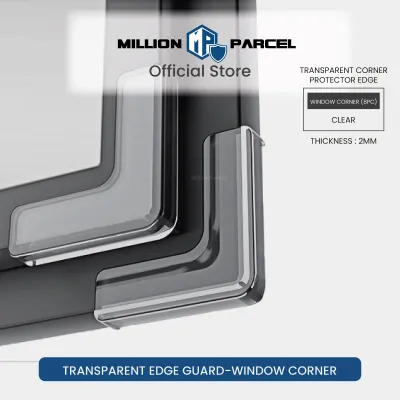
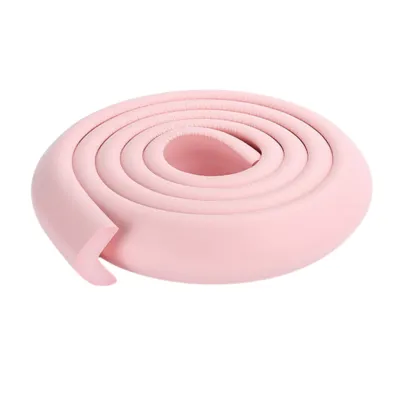
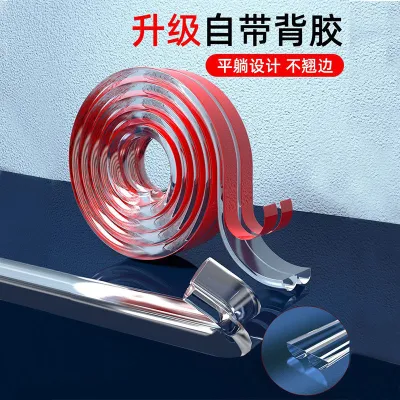
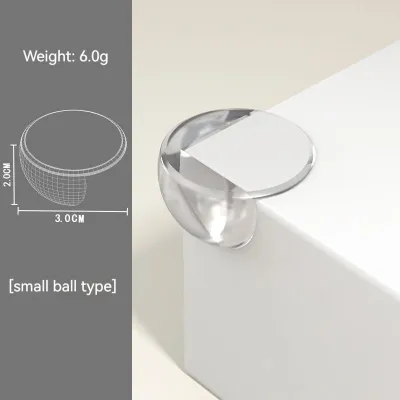
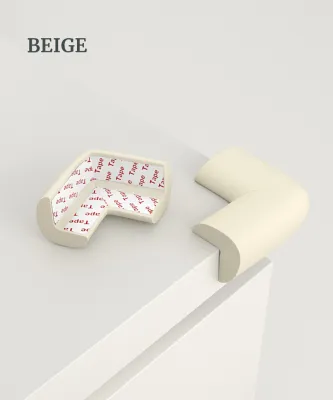
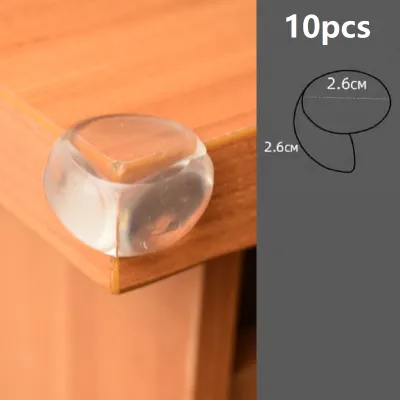
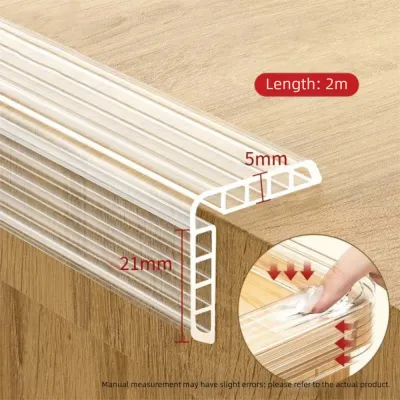
Prices are valid at publication and may change. Please refer to the product page for the latest price.
Implementing these safety measures in high-traffic living areas provides invaluable peace of mind for parents and caregivers. Instead of constantly restricting your child’s natural urge to explore and practice walking, installing dependable cushioning allows them to navigate their environment with greater freedom. Baby-proofing these key zones creates a safer space for developmental play, reducing the need for constant physical intervention while still maintaining a supervised, secure home environment.
Key Features to Look for in Reliable Edge Protectors
Not all edge protectors are created equal, and selecting the wrong type can lead to products that peel off too easily, fail to absorb impact, or introduce chemical hazards into your home. To make an informed decision, you should evaluate products based on three primary dimensions: material density, adhesive compatibility, and verified safety standards.

Material and Cushioning Density
The shock-absorbing capability of an edge guard depends heavily on its material composition. The most common materials used are Nitrile Butadiene Rubber (NBR) foam, silicone, and Polyvinyl Chloride (PVC). NBR foam is highly popular due to its soft, spongy texture and excellent thick cushioning, which performs exceptionally well under high-impact forces by distributing the energy of a bump. Silicone offers a more modern, firmer alternative that is highly durable, resistant to biting, and easy to clean, though it feels harder to the touch than foam. PVC is often used for clear, low-profile protectors, offering moderate cushioning while remaining highly discreet.
When shopping, you should look closely at the product’s physical specifications, such as thickness and density, rather than relying on generic marketing terms like “extra soft” or “ultra-cushioned.” A foam protector that is too soft will easily compress fully under pressure, allowing a child’s head to make contact with the hard wooden or glass corner underneath. Conversely, a high-density material will resist complete compression, maintaining a protective barrier even during a heavy impact. For high-risk areas like low coffee tables, prioritize high-density NBR foam or thick, structured silicone.
Adhesive Quality and Furniture Compatibility
An edge protector is only as reliable as the adhesive holding it in place. Many high-quality brands utilize double-sided acrylic foam tapes, such as 3M VHB (Very High Bond) or proprietary acrylic adhesives, which offer strong, long-lasting shear strength. Cheap, low-grade adhesives often fail within weeks, especially in Singapore’s warm and humid climate, or when subjected to the persistent tugging of an inquisitive toddler.
Matching the adhesive type to your specific furniture material is essential to prevent permanent damage. Smooth, non-porous surfaces like tempered glass, metal, and high-gloss laminates can generally tolerate strong, high-tack adhesives without risk of surface degradation. However, delicate wood veneers, painted surfaces, or antique furniture coated with wax or lacquer can easily peel, discolor, or splinter when strong adhesives are removed. Always check the manufacturer’s label for specific surface compatibility warnings before applying any adhesive product to high-value or delicate furniture.
Safety Certifications and Non-Toxic Standards
Because teething babies often bite or chew on accessible surfaces, including the edge guards installed on low tables, verifying the chemical safety of these materials is paramount. You should actively look for product labels that explicitly state the material is BPA-free, phthalate-free, lead-free, and non-toxic. These chemical additives, often found in low-grade plastics and foams, can pose developmental health risks if ingested or absorbed through skin contact.
To ensure these claims are valid, look for compliance with recognized international safety standards. Reputable manufacturers often subject their products to independent laboratory testing, displaying certifications such as the European Toy Safety Standard (EN71), ASTM F963 (USA), or test reports from global inspection bodies like SGS. Do not rely solely on the material name (such as “pure silicone” or “natural rubber”) as a guarantee of safety; instead, verify the presence of these official testing standards on the physical packaging or the manufacturer’s official documentation.
Reliable Corner Edge Protector Brands Available in Singapore
When looking to purchase corner edge protectors in Singapore, you will find options categorized into three main brand segments: established global baby safety brands, premium aesthetic-focused brands, and value-oriented bulk multi-packs.
Established Global Baby Safety Brands
Established global brands—such as Safety 1st, Dreambaby, Babysafe, and Prince Lionheart—are widely available across Singapore in major physical department stores, specialty maternity shops, and local online retail platforms. These legacy brands specialize exclusively in childproofing products, meaning their designs are backed by years of consumer feedback and rigorous safety testing. They typically offer standardized sizing, clear, multi-lingual installation instructions, and reliable compliance with international safety regulations like EN71 or ASTM standards.
One of the main advantages of choosing these global safety giants is consistency. You can trust that the adhesive supplied is formulated specifically for childproofing applications and that the foam or plastic used is thoroughly verified as non-toxic. However, these brands often prioritize function over form. Their products tend to feature bulkier, highly visible designs and a limited color palette—usually restricted to basic brown, grey, black, or off-white. If you are trying to maintain a highly coordinated, minimalist home aesthetic, these thick, utilitarian foam guards may stand out prominently against your furniture.
Premium and Aesthetic Home-Safety Brands
For contemporary apartments and HDB flats where home decor is a priority, premium aesthetic brands offer sleek, minimalist alternatives. These brands focus on creating low-profile, highly discreet safety solutions, such as ultra-clear silicone corner guards, slim-profile edge strips, and color-matched foam designed to blend seamlessly with modern wood grains, marble, or high-gloss white laminates. They are designed to protect your child without visually disrupting your living space.
In addition to their visual appeal, premium brands often utilize high-grade, residue-free acrylic adhesives. These adhesives are engineered to provide a powerful hold on challenging surfaces, such as glass coffee tables and metal frames, while remaining clean and easy to peel off when the time comes to remove them. However, you must carefully inspect the dimensions of these aesthetic-focused products. In some cases, manufacturers may sacrifice cushioning thickness or density to achieve a ultra-slim, low-profile design, which may offer less protection against high-velocity impacts compared to bulkier foam alternatives.
Value and Bulk Multi-Pack Options
If you need to baby-proof an entire home on a budget, purchasing value-oriented multi-packs or continuous rolls of NBR foam from online marketplaces is a highly practical route. These options often come in continuous rolls of two to five meters, complete with pre-scored lines that allow you to measure, cut, and customize the guards to fit non-standard furniture shapes, such as curved dining tables or irregular cabinet edges. This flexibility makes them highly cost-effective for large-scale childproofing projects.
When opting for value brands, you must exercise extra diligence to ensure quality and safety. Use the following checklist to evaluate these products before purchasing:
- Read User Reviews: Search specifically for feedback regarding adhesive failure, chemical odors upon unboxing, and tearing resistance.
- Verify Material Integrity: Ensure the foam does not tear easily when pulled, as weak foam can easily be bitten off by teething toddlers, creating a choking hazard.
- Check for Safety Labels: Avoid completely unbranded products that lack clear material composition details or non-toxic certifications.
While lower cost is highly appealing, it should never come at the expense of verified chemical safety and physical durability.
Step-by-Step Installation for Secure and Lasting Adhesion
Proper installation is just as important as choosing a high-quality brand. Even the strongest adhesive will fail if applied to a dirty, oily, or dusty surface. Follow these steps to ensure a secure, long-lasting bond that can withstand daily wear and tear.
1. Surface Preparation
Before applying any adhesive, you must clean the furniture surface thoroughly to remove dust, oils, fingerprints, and furniture polish. Dampen a clean microfiber cloth with isopropyl alcohol (rubbing alcohol) and wipe down the entire area where the protector will be attached. Do not use standard household glass cleaners or multi-purpose sprays, as they often leave behind a thin, slick chemical residue that prevents the adhesive from bonding fully. Allow the surface to dry completely for several minutes before proceeding.
2. Precise Measurement and Cutting
If you are using a continuous roll of edge guard, measure the exact length of the furniture edge using a measuring tape. Mark the protector and cut it cleanly using a sharp pair of heavy-duty scissors or a utility knife. For corner joints, you can cut the ends of the linear guards at a 45-degree angle to create a neat, seamless miter joint where they meet the corner protector, preventing any exposed gaps.
3. Adhesive Application
Apply the double-sided adhesive tape to the inside surfaces of the corner or edge protector first. Press the tape down firmly along the entire length of the protector to remove any air bubbles. Once the tape is secured to the protector, peel off the protective backing paper to expose the adhesive that will bond to the furniture. Be careful not to touch the exposed adhesive with your fingers, as skin oils will significantly weaken the bond.
4. Positioning and Pressing
Carefully align the protector with the furniture edge. Once it is in the correct position, press it firmly against the furniture. Apply strong, even pressure using your hands or a clean cloth along the entire length of the guard, focusing particularly on the ends and corners. Hold this firm pressure for at least 30 seconds to activate the pressure-sensitive adhesive.
5. Curing Time
This is the most critical step: allow the adhesive to cure undisturbed for the manufacturer’s recommended duration, which is typically 24 hours. During this curing period, do not pull, test, or allow your child near the newly installed protectors. Applying stress to the bond before the adhesive has fully cured will cause it to lift prematurely, drastically reducing its lifespan.
Safety Boundaries and Surface Limitations
Do not apply strong, permanent adhesives to freshly painted walls, antique furniture, delicate wood veneers, or unsealed wood surfaces without consulting the furniture manufacturer or testing a small, hidden area first. The high-tack adhesives used in baby-proofing products can easily tear away paint, lift delicate veneer layers, or leave permanent oil stains on unsealed timber. If you determine that a surface is too delicate or unsuitable for adhesive application, stop immediately and seek alternative safety solutions, such as placing physical barriers around the furniture or temporarily moving the item to an inaccessible room.
Maintenance, Removal, and Furniture Care
Once installed, edge protectors require regular maintenance to remain safe, and eventually, they must be removed without leaving permanent damage on your household surfaces.
Routine Safety Checks
Childproofing is not a set-and-forget task. You should periodically inspect all installed edge and corner guards to ensure they remain securely attached. Over time, dust, humidity, and constant physical contact can cause the edges of the tape to lift. Gently pull on the guards during your weekly cleaning routine to check for loose sections.
Additionally, closely inspect foam and silicone protectors for signs of wear, such as bite marks, deep scratches, or tearing. Toddlers often attempt to chew on these soft materials, especially when teething. Damaged foam can easily tear away in small pieces, creating a severe choking hazard. If you notice any crumbling, tearing, or significant loosening, replace the damaged protector immediately.
Safe and Damage-Free Removal
When your child has outgrown the need for edge guards, removing them improperly can strip away paint, varnish, or wood veneer. To minimize the risk of damage, use a low-risk, heat-assisted removal technique:
- Apply Heat: Use a handheld hairdryer set to a low or medium heat setting. Direct the warm air at the adhesive bond for 1 to 2 minutes. The heat will soften the acrylic adhesive, making it pliable and significantly reducing its grip.
- Slice the Bond: Gently peel the protector back from one corner. For stubborn adhesives, insert a piece of dental floss, a thin plastic scraper, or an old credit card between the protector and the furniture surface. Slowly slide it through the softened adhesive layer to slice the tape bond cleanly without scratching the underlying surface.
- Avoid Force: Never rip or yank the protector off forcefully, as this is the primary cause of surface damage on wood and painted finishes.
Cleaning Up Adhesive Residue
After removing the protector, a sticky layer of adhesive residue often remains on the furniture. To clean this up safely, apply a mild solvent such as baby oil, cooking oil (like olive or canola oil), or a specialized commercial adhesive remover designed for delicate surfaces. Dampen a soft cloth with the oil or solvent and rub the residue gently in a circular motion until it clumps together and lifts off.
Before applying any solvent or oil to your furniture, always test it on an inconspicuous, hidden area first (such as the underside of a table leg) to ensure it does not cause discoloration, staining, or damage to the finish. Once the residue is completely removed, wipe the area clean with a damp cloth and mild soapy water, then dry it thoroughly.
Frequently Asked Questions (FAQ)
Are silicone or foam edge protectors better for glass tables?
Clear silicone edge protectors are generally superior for glass tables. Silicone is highly transparent, allowing it to blend discreetly with the glass surface without disrupting your home’s aesthetic. Furthermore, silicone forms an exceptionally strong, clean bond with smooth, non-porous surfaces like tempered glass. Foam protectors, by contrast, are bulky, highly visible, and require thick double-sided tape that can look unsightly when viewed through the glass and can be much more difficult to clean off completely during removal.
How long should I keep corner guards on my furniture?
The ideal timeline for keeping corner guards installed depends on your child’s individual motor skills, balance, and spatial awareness. Generally, parents keep corner protectors in place until their child is around 3 to 4 years old. By this age, most children have developed a stable gait, improved coordination, and a better understanding of physical hazards, allowing them to navigate sharp furniture corners safely without falling. You can gradually remove the protectors as your child demonstrates consistent control and safety awareness around the home.
Can edge protectors damage my wood furniture?
While the silicone or foam protectors themselves do not cause damage, the adhesive tape used to secure them can potentially peel off delicate wood finishes, thin veneers, lacquer, or wax coatings upon removal. To mitigate this risk, always check your furniture’s care instructions and avoid using heavy-duty industrial adhesives on high-value wooden items. When removing the protectors, always use a hairdryer to soften the adhesive with gentle heat and peel it away slowly to protect the underlying wood finish.
Community discussion
Share your experience or ask a question. Comments are reviewed before publication.