
When planning a family holiday or a weekend staycation in Singapore, a reliable travel crib is one of the most important items you will pack. Unlike a permanent wooden cot in your nursery, a travel crib must be lightweight, easy to fold, and highly portable. However, these very convenience features introduce unique engineering challenges that can compromise your baby’s safety if the product is not manufactured to rigorous standards.
To ensure your infant is protected from structural failures, suffocation hazards, and accidental entrapment, you must know how to identify and verify legitimate safety certifications. Relying solely on aesthetic appeal, brand popularity, or a high price tag is not enough to guarantee a secure sleeping environment. By learning what safety standards to look for and how to inspect a crib’s physical design, you can make an informed, confident purchase that prioritizes your child’s well-being.
Why Safety Standards Are Critical for Travel Cribs
Standard nursery cribs are static structures with fixed joints, solid wood or metal bars, and heavy bases designed to remain in one place. In contrast, travel cribs rely on dynamic engineering, utilizing folding hinges, telescoping joints, and lightweight fabrics to collapse into compact carrying bags. While this design is perfect for navigating Changi Airport or packing into a car boot for a staycation, it also means the crib has multiple moving parts that are subject to wear, tear, and potential mechanical failure.
Products mentioned in this guide
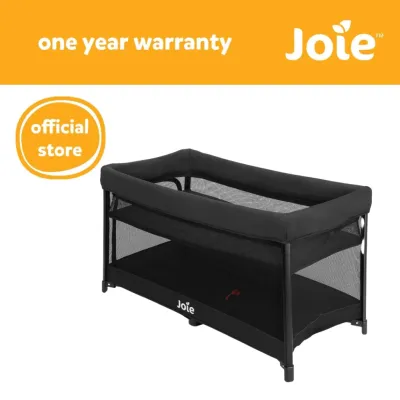
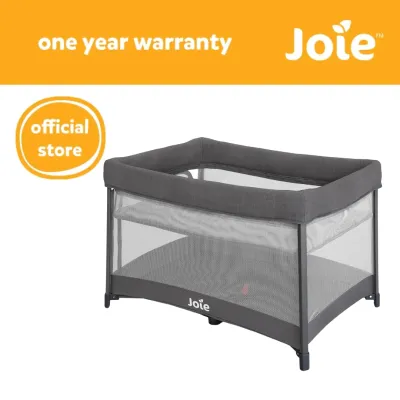
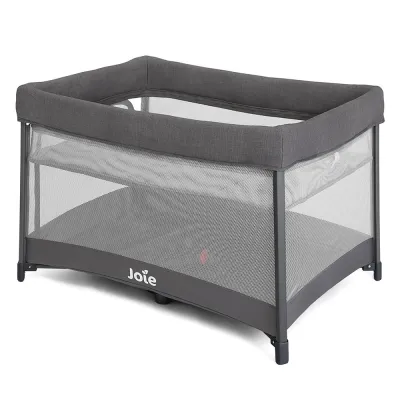
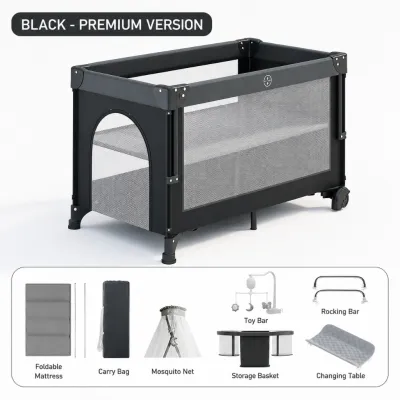
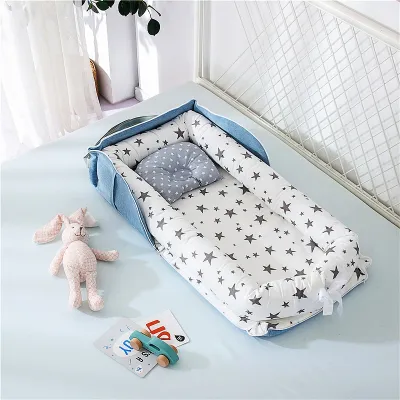
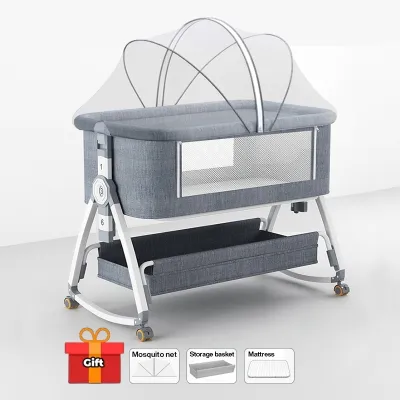
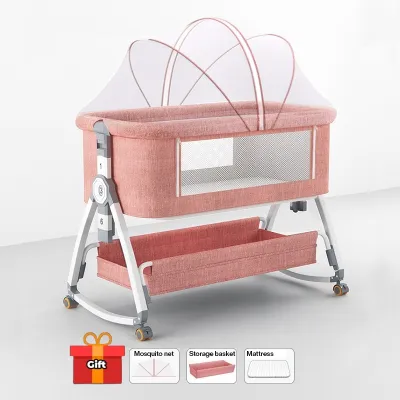
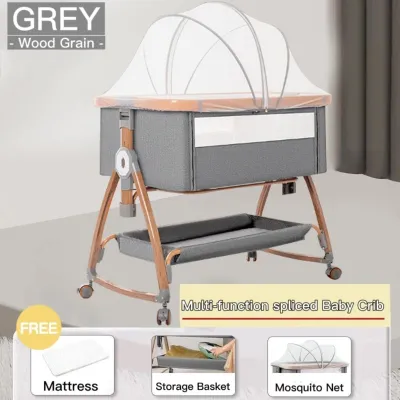
Prices are valid at publication and may change. Please refer to the product page for the latest price.
The most significant hazards associated with portable cribs include accidental frame collapse, limb entrapment in the side walls, and positional asphyxiation. If a locking hinge is poorly designed or fabricated from substandard materials, the weight of a rolling baby or a toddler leaning against the side can cause the frame to fold inward. This can trap the infant inside the collapsed fabric, leading to severe injury or suffocation.
Furthermore, because travel cribs must be lightweight, they often use soft mesh walls instead of rigid wooden slats. If the mesh fabric lacks the necessary tensile strength or is not securely anchored to the frame, it can sag under a baby’s weight. A rolling infant can easily become wedged between the sagging mesh and the mattress, creating a dangerous trap that restricts their breathing.
Rigorous international safety standards are designed specifically to address and eliminate these mechanical failure points. Certified travel cribs undergo stringent laboratory testing, including dynamic load tests to check frame stability, impact tests on the locking mechanisms, and chemical analyses of the fabrics and plastics. When you choose a certified product, you are buying a design that has been proven to withstand the real-world forces your child will exert on it.
How to Verify Safety Certifications on Product Labels
Locating and verifying safety certifications requires looking past clever marketing copy and inspecting the product’s physical labels, packaging, and documentation. Legitimate manufacturers will permanently attach tracking and compliance labels directly to the crib’s fabric or frame, typically on the underside of the base or on a sewn-in tag. These labels must detail the manufacturer’s name, contact information, model number, and the specific safety standards the product meets.

When purchasing a travel crib, you should look for compliance with recognized international safety standards, as local consumer safety guidelines align closely with these frameworks. The two most common and rigorous standards you will encounter are ASTM F406 in the United States and EN 716 in Europe. The ASTM F406 standard covers non-full-size baby cribs and play yards, mandating strict testing for latching systems, side heights, and structural integrity. The EN 716 standard governs folding cots for domestic use, ensuring that spacing, mesh size, and material safety meet strict European Union requirements.
In Singapore, the Consumer Product Safety Office (CPSO) monitors consumer goods to ensure they do not pose safety hazards. While the CPSO does not issue its own unique certifications for travel cribs, it requires products sold locally to meet these established international benchmarks. You should also look for certification marks from independent, third-party testing laboratories, such as SGS, TÜV Rheinland, or Intertek, which verify that the crib has been independently tested and complies with all relevant safety regulations.
It is vital to distinguish these official certifications from vague, unverified marketing buzzwords. Terms like “baby-safe,” “eco-friendly,” “pediatrician-approved,” or “non-toxic” are frequently used by manufacturers as promotional tools and are often self-declared without any independent oversight. A fabric might be certified as organic, but that does not mean the folding frame is structurally sound or that the mattress fits safely. Always look for the specific standard code (such as ASTM F406 or EN 716) rather than relying on generalized marketing claims.
If you cannot find clear certification marks on the physical product or its packaging, do not hesitate to research the manufacturer’s official website. Reputable brands will readily provide downloadable copies of their Children’s Product Certificates (CPC) or Declarations of Conformity. If a brand does not provide this documentation, or if their customer support cannot verify which safety standards the crib meets, it is safest to avoid the purchase and choose a transparent, certified alternative.
Physical Safety Features That Reflect Certified Design
While safety certificates offer peace of mind on paper, you should always perform a physical inspection of the travel crib to ensure its engineering matches its certified claims. Whether you are testing a model in a retail store or unboxing a new delivery at home, there are several key physical features you can evaluate to confirm the crib is safe for use.
Breathable Mesh and Entrapment Prevention
The mesh fabric on the sides of a travel crib must balance two critical safety needs: maximum airflow and structural security. In warm, humid climates, excellent ventilation is essential to prevent your baby from overheating during sleep. However, the mesh must also be engineered to prevent physical injury.
When inspecting the mesh, look closely at the weave pattern. The holes must be incredibly fine—small enough that a standard pencil or your baby’s tiny fingers and toes cannot poke through. If the weave is too open, a child can catch their fingers, clothing buttons, or pacifier clips in the mesh, leading to entrapment or injury.
Additionally, check the tension of the mesh walls by pressing your hand firmly against them. The fabric should feel taut and spring back immediately without sagging. The mesh must be securely stitched or welded to both the top rails and the bottom floor of the crib, leaving no loose gaps, unraveled threads, or weak seams where a baby could slip through or get stuck.
Secure Folding and Locking Mechanisms
The folding hinges and joints of a travel crib are its most critical structural components, as they bear the weight of the frame and prevent accidental collapse. A certified travel crib will always feature a dual-action locking system, meaning it requires two distinct, deliberate physical steps to unlock and fold each rail.
To test this, try to collapse the crib rails by simply pushing down on them or pressing a single button. A safe, certified design will not budge. It should require you to perform a combined action, such as squeezing a hidden latch while lifting the rail, to disengage the lock. This ensures that even if an active toddler bumps, kicks, or presses against the locking joints from the inside, the crib remains securely upright.
Furthermore, listen for a clear, audible “click” when assembling the crib, which indicates that the locking pins have fully engaged. Many modern travel cribs also include visual indicators, such as color-coded latches that turn green when locked and red when unlocked, allowing you to verify structural safety at a glance. The hinges themselves should be completely enclosed or shielded by durable plastic covers to prevent your child’s fingers from getting pinched during setup or use.
Mattress Fit and Suffocation Hazards
The mattress of a travel crib is a primary focal point for sleep safety, and its design must adhere to strict firmness and dimensional requirements. Unlike adult mattresses, which are soft and contouring, a safe infant mattress must be exceptionally firm. If you press your hand into the mattress, it should not sink deeply, and it must recover its flat shape instantly when you release the pressure. A soft sleeping surface increases the risk of positional asphyxiation if your baby rolls onto their stomach.
Equally important is how perfectly the mattress fits within the crib frame. There should be virtually no gap between the edges of the mattress and the mesh walls. A reliable way to test this is the two-finger rule: if you can easily fit more than two fingers between the mattress edge and the side of the crib, the fit is too loose. A loose mattress creates a dangerous crevice where a rolling baby can become trapped and suffocate.
To maintain this snug fit, certified travel crib mattresses are designed to be secured directly to the base of the frame. Look for heavy-duty velcro straps, snaps, or plastic tabs on the underside of the mattress that feed through slots in the crib floor. These securing mechanisms prevent the mattress from shifting, sliding, or lifting if your baby crawls underneath it. Never add aftermarket mattresses, toppers, extra blankets, or pillows to a travel crib, as these items are not tested for compatibility and introduce severe suffocation hazards.
Red Flags: When to Reject or Retire a Travel Crib
Ensuring your baby’s safety is an ongoing process that does not end once you purchase a certified travel crib. You must remain vigilant and regularly inspect the crib for signs of wear, damage, or degradation that could compromise its structural integrity. Knowing when to reject a new purchase or permanently retire an existing crib is vital to preventing accidents.
If you are unboxing a newly purchased travel crib, reject it immediately if it lacks clear manufacturer labeling, is missing the official user manual, or has a strong, chemical odor. A strong chemical smell can indicate the use of unregulated flame retardants or volatile organic compounds (VOCs) that do not meet material safety standards. Additionally, if the frame arrives with bent metal tubes, cracked plastic joints, or loose rivets, do not attempt to use it; return it to the retailer or contact the manufacturer for a replacement.
For travel cribs already in use, establish a routine inspection before every trip. You must permanently stop using the crib if you observe any of the following warning signs:
- The locking mechanisms slip, fail to click into place, or require excessive force to lock securely.
- The mesh fabric has visible tears, runs, or is beginning to separate from the seams.
- The frame wobbles, sways, or feels unstable when you apply moderate lateral pressure.
- The mattress board is warped, cracked, or has lost its original firmness.
- The velcro straps or snaps used to secure the mattress to the base are torn or missing.
Always consult the manufacturer’s user manual to verify the specific age, weight, and height limits for your travel crib model. Most travel cribs are designed for infants and toddlers up to a weight limit of approximately 13kg to 15kg, or until the child reaches a height of 89cm. Once your child exceeds these limits, or as soon as they show signs of being able to climb out of the crib independently, you must discontinue use immediately to prevent falls.
If any part of the travel crib breaks or malfunctions, never attempt DIY repairs using duct tape, zip ties, or non-original hardware. These temporary fixes cannot replicate the load-bearing capacity of certified engineering and can fail unexpectedly under your baby’s weight. Instead, contact the manufacturer to inquire about official replacement parts, or retire the crib entirely to ensure your child’s safety remains uncompromised.
Frequently Asked Questions (FAQ)
Can I use a second-hand travel crib if it looks undamaged?
Using a pre-owned travel crib is an appealing way to save money, but it carries significant hidden risks. Safety standards are updated regularly to address newly identified hazards, meaning an older model may not meet current, safer design requirements. Furthermore, plastic components can degrade and become brittle over time, especially when stored in warm, humid climates, and internal locking joints can suffer from invisible wear that compromises their stability. If you do choose to use a second-hand crib, you must verify its history: check the model number against international recall databases, ensure the original user manual and all original parts (including the original mattress) are present, and thoroughly test every joint and locking mechanism before placing your baby inside.
Are all travel crib mattresses waterproof and safe?
No, not all travel crib mattresses are waterproof, though many feature water-resistant covers designed for easy cleaning. However, water resistance does not automatically guarantee safety. The primary safety criteria for any travel crib mattress are its extreme firmness, its precise fit within the frame, and its ability to secure tightly to the crib floor. You should never add aftermarket waterproof covers, loose plastic sheets, or thick mattress protectors that are not specifically manufactured and approved for your exact crib model. Loose, non-breathable fabrics can easily shift and create a dangerous suffocation hazard if your baby rolls over during sleep.

Community discussion
Share your experience or ask a question. Comments are reviewed before publication.