
Navigating the bustling streets of Singapore with a young family requires a careful balance of mobility and safety. Whether you are hopping into a ride-hailing vehicle along Orchard Road, boarding a flight at Changi Airport, or exploring the city in a rental car, having a reliable travel car seat is essential. The ideal travel seat must not only be lightweight and easy to carry but must also strictly comply with Singapore’s road safety laws.
Finding the right balance between portability and legal compliance can feel overwhelming given the vast array of options on the market. Many parents struggle to identify which international safety certifications are recognized locally and how to choose a seat that fits seamlessly into various modes of transport. This guide provides a comprehensive framework to help you evaluate travel car seat brands, understand local regulations, and make an informed decision that keeps your child secure on every journey.
Understanding Singapore's Child Passenger Safety Regulations
In Singapore, child passenger safety is governed by strict legal frameworks designed to minimize injury risks during transit. According to the Road Traffic Act, any passenger under the height of 1.35 metres must be properly secured using an approved child restraint appropriate for their height and weight. This law applies to all private motor vehicles operating on public roads. If a child is taller than 1.35 metres, they may use the vehicle’s standard adult seat belt, provided it fits them correctly across the shoulder and lap.
Products mentioned in this guide
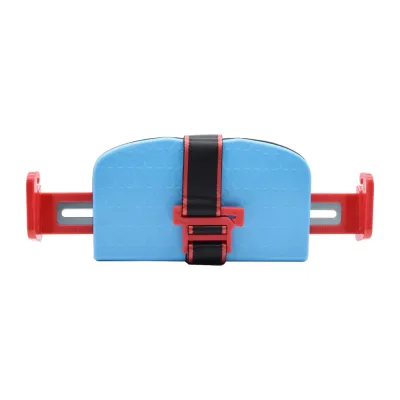
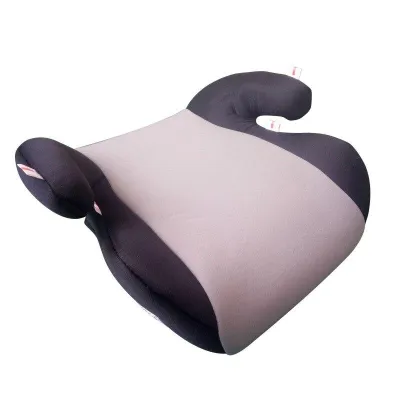
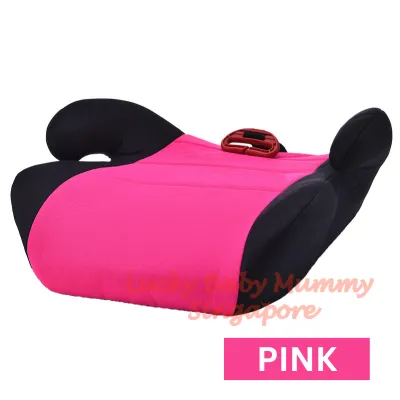
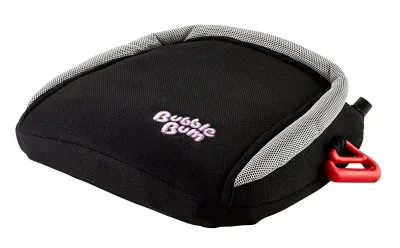
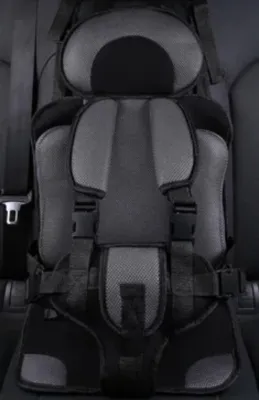
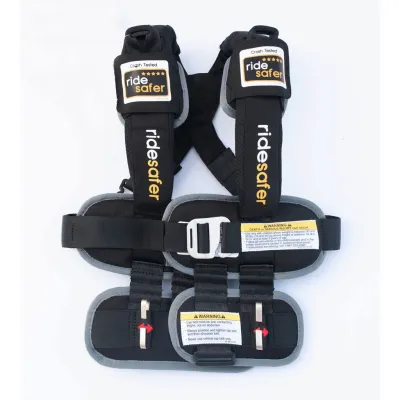
Prices are valid at publication and may change. Please refer to the product page for the latest price.
The definition of an “approved” child restraint is highly specific and relies on recognized international safety standards. Singapore’s Traffic Police and Land Transport Authority recognize several global certification frameworks. These include the European Union standards (such as UN ECE R44/04 and the newer UN ECE R129, also known as i-Size), the United States Federal Motor Vehicle Safety Standard (FMVSS 213), the British Standards (BS), the Australian/New Zealand Standard (AS/NZS 1754), and the Japanese Industrial Standards (JIS).
When shopping for a travel car seat, you must look for physical proof of these certifications on the product itself. Compliant seats feature an official certification label, such as the orange ECE approval label or a clear FMVSS statement. These labels indicate that the seat has undergone rigorous crash testing, including frontal and rear impact assessments, to verify its structural integrity. Using a seat without these recognized marks is not only a legal violation in Singapore but also poses a significant safety risk to your child.
It is also important to note that these regulations are strictly enforced, with penalties including fines and demerit points for drivers who fail to secure young passengers. While the law provides certain exemptions for traditional public taxis, safety experts strongly advise against traveling without a restraint. Furthermore, private hire vehicles do not share this legal exemption, making a portable travel car seat an absolute necessity for families relying on ride-hailing services to get around the island.
Defining "Travel-Friendly" for Your Specific Needs
The term “travel-friendly” can mean very different things depending on your primary mode of transportation and travel frequency. For families who fly frequently, a travel car seat must be exceptionally lightweight, compact, and certified for use on aircraft. These seats need to fit within narrow airplane cabin aisles and be easy to install in a standard passenger seat using only the aircraft’s lap belt.

Conversely, if your travel primarily consists of local road trips or frequent transitions between different cars, your priorities may shift toward ease of installation and vehicle compatibility. In these scenarios, a seat with a quick-release ISOFIX system or a highly intuitive seat belt routing path is invaluable. You will want a model that can be securely installed in under a minute without requiring complex adjustments, especially when managing luggage and an impatient toddler on a busy street.
Choosing a travel car seat inevitably involves navigating trade-offs between portability and everyday comfort features. Ultra-lightweight travel seats often strip away heavy steel frames, deep side-impact padding, and plush fabrics to keep their weight to a minimum. While these minimalist designs are incredibly convenient for carrying through airports, they may not offer the same level of long-term comfort or advanced energy-absorbing materials found in heavy, everyday convertible seats.
To maximize portability, look for specific design features that simplify transport. Foldable car seats that collapse into a compact shape are highly desirable, as they can often fit into overhead airplane bins or the trunk of a small hatchback. Built-in carrying handles, integrated backpack straps, or custom-fit travel bags also make a substantial difference when you need to carry the seat alongside your regular luggage.
Evaluating Car Seat Brands for Travel and Compliance
When researching car seat brands, your first step should be to evaluate the manufacturer’s commitment to safety testing and transparency. Reputable brands readily publish their crash test results, safety certifications, and user manuals online. You should look for brands that actively participate in independent consumer testing programs and maintain a clear, publicly accessible record of product recalls and safety updates.
It is crucial to verify that the specific travel models offered by a brand carry the exact certification marks accepted in Singapore. Some brands manufacture different versions of the same model for different regional markets, meaning a seat purchased from an overseas retailer might not carry the correct certification label required by Singapore law. Always check the product specifications to ensure the model sold in your region matches local legal requirements.
Another vital factor to consider is the availability of clear, accessible installation resources. The safest car seat is one that is installed correctly every single time. Brands that provide high-quality video tutorials, interactive mobile applications, and color-coded installation paths on the seat shell help reduce the risk of user error. This is particularly important for travel seats, which are frequently installed in unfamiliar vehicles under hurried conditions.
Additionally, consider the brand’s local presence and customer support network in Singapore. Purchasing from a brand with authorized local distributors ensures you have access to genuine replacement parts, accessories, and professional guidance if you encounter installation difficulties. It also simplifies the process of registering your product for warranty coverage and receiving timely notifications in the rare event of a safety recall.
Building Your Conditional Shortlist: Pre-Purchase Verification
Before finalizing your purchase, it is essential to perform a thorough pre-purchase verification process to ensure the seat is safe, legal, and compatible with your lifestyle. Begin by checking the manufacturing date and the expiration date of the specific unit you plan to buy. Car seat plastics degrade over time due to heat and UV exposure, and most manufacturers specify a lifespan of six to ten years from the date of manufacture. This information is typically printed on a sticker located on the underside or back of the seat shell.
If you plan to use the car seat on flights, you must confirm its airline approval status. Look for a label on the seat that explicitly states it is certified for use in aircraft, such as the “FAA Approved” text or equivalent international aviation authority markings. Even with this label, it is highly recommended to contact your airline directly before your flight to confirm their specific cabin seat dimensions and policies regarding child restraints.
Buying second-hand car seats or purchasing from unauthorized online marketplaces carries significant hidden risks. A second-hand seat may have been involved in a collision, stored in poor conditions, or subject to a recall that the previous owner ignored. Because structural damage to a car seat’s internal frame is often invisible to the naked eye, using a pre-owned seat of unknown history can compromise your child’s safety. To ensure product authenticity and safety, always purchase from authorized retailers or verified brand stores.
Create a physical checklist before making your final decision. Verify that the seat’s weight and height limits align with your child’s current growth stage, and ensure it offers some room for growth. Confirm that the seat’s installation mechanism—whether ISOFIX or seat belt—is compatible with the vehicles you use most frequently. Finally, double-check that the physical certification label is present and intact on the seat shell.
Installation and On-the-Go Safety Checks
Correct installation is paramount to ensuring the car seat performs as intended in an emergency. If you are using the ISOFIX system, ensure the connectors are securely clicked into the vehicle’s anchor points and that the green safety indicators are fully visible. For seats that require a top tether, locate the designated anchor point in the vehicle—never attach a tether to a luggage hook or seat adjustment bar—and tension it according to the manufacturer’s instructions.
When installing the seat using the vehicle’s seat belt, pay close attention to the routing path. Ensure the belt is threaded through the correct color-coded guides (typically blue for rear-facing and red for forward-facing installations) and that there are no twists in the webbing. Once threaded, apply firm downward pressure on the seat while pulling the seat belt tight to eliminate any slack. The installed seat should not move more than 2.5 centimetres in any direction when pulled at the belt path.
As your child grows, you must regularly adjust the harness and headrest to maintain a safe fit. For rear-facing seats, the harness straps should emerge from the seat shell at or slightly below your child’s shoulders. For forward-facing seats, the straps should be at or slightly above the shoulders. The harness must be snug enough that you cannot pinch any slack webbing between your fingers at the collarbone, and the chest clip, if present, should be positioned at armpit level.
Always be vigilant for conditions that require you to immediately stop using the car seat. If the seat is involved in any collision—even a minor fender bender—it must be replaced immediately, as invisible micro-fractures can compromise its protective capabilities. You should also stop using the seat if you notice any frayed harness straps, cracked plastic components, or missing parts. Regularly inspect the seat shell and harness assembly during your travels to ensure everything remains in optimal working condition.
Frequently Asked Questions (FAQ)
Can I use a car seat purchased overseas in Singapore?
Yes, you can use a car seat purchased overseas in Singapore, provided it carries a certification label from one of the internationally recognized safety standards approved by the local authorities. These standards include the European UN ECE R44/04 or R129, the American FMVSS 213, the British Standards, the Australian/New Zealand AS/NZS 1754, or the Japanese JIS. You must locate the physical certification sticker on the seat to verify compliance before using it on Singapore roads.
However, parents should be aware of potential compatibility issues when using foreign-bought seats. For example, ISOFIX attachment systems can vary slightly in design, and seat belt locking mechanisms in overseas vehicles may differ from those commonly found in Singapore. Additionally, purchasing a seat overseas may void the manufacturer’s local warranty and make it difficult to source replacement parts or receive recall notices. It is generally safest to purchase from local authorized distributors who can guarantee the seat is fully compatible with local vehicles and regulations.
Do I need a separate car seat for airport taxis and ride-hailing services?
Under Singapore law, public taxis are exempt from the mandatory child restraint requirements, meaning children can legally travel in the rear seat of a taxi using only the adult seat belt. However, this exemption is purely legal and does not reflect safety best practices; a standard seat belt cannot properly protect a small child in a collision. Therefore, safety experts strongly recommend using a portable travel car seat or an approved booster seat even when traveling in public taxis.
In contrast, private hire vehicles—such as those booked through ride-hailing mobile applications—are not exempt from the law. If you are traveling with a child under 1.35 metres in a private hire car, you are legally required to provide and use an approved child restraint. Drivers have the legal right to refuse service if you do not have a compliant seat. For families who rely heavily on ride-hailing services, investing in a highly portable, lightweight travel car seat or a compact, foldable booster seat is essential to ensure both legal compliance and peace of mind.

Community discussion
Share your experience or ask a question. Comments are reviewed before publication.