
When choosing a travel baby cot in Singapore, ensuring your child’s sleep environment is secure is the top priority. Parents should look for verified compliance with recognized international safety standards such as the European standard (EN 716), the American standard (ASTM F406), or the Australian/New Zealand standard (AS/NZS 2195). Because portable cots rely on folding joints, flexible mesh sides, and thin mattress pads, verifying these certifications on the physical product label and cross-referencing them with official manufacturer documentation is essential to ensure a secure sleep environment.
While specific local regulations may rely on international benchmarks, parents must actively verify safety marks, structural integrity, and manufacturer guidelines before purchasing. This guide helps you identify reliable certifications, perform essential physical checks, and recognize when a travel cot is no longer safe to use.
Why Verified Safety Standards Are Critical for Travel Cots
Unlike permanent wooden nursery cribs, travel cots are engineered for portability, which requires lightweight frames, folding joints, and flexible fabric or mesh sides. These design features introduce specific structural vulnerabilities, such as the risk of a joint collapsing unexpectedly or a child becoming trapped in loose fabric.
Products mentioned in this guide
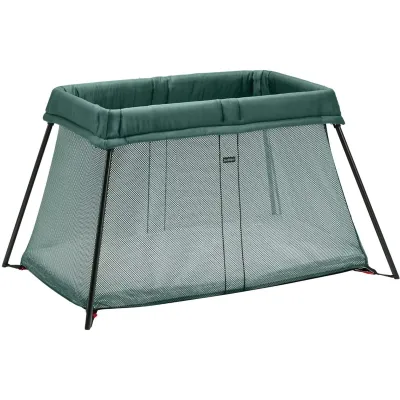
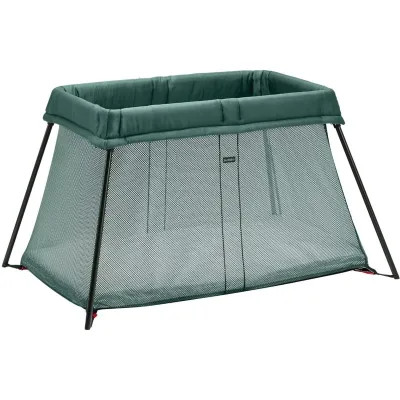

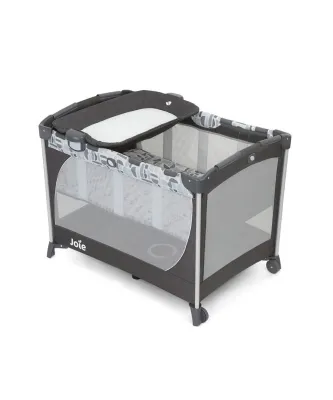
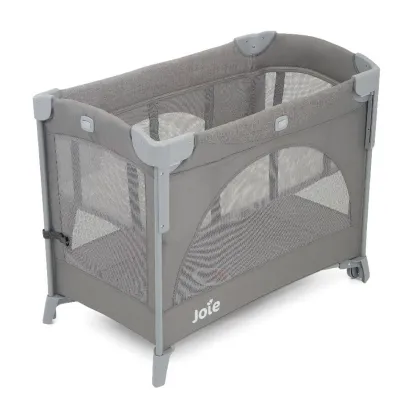

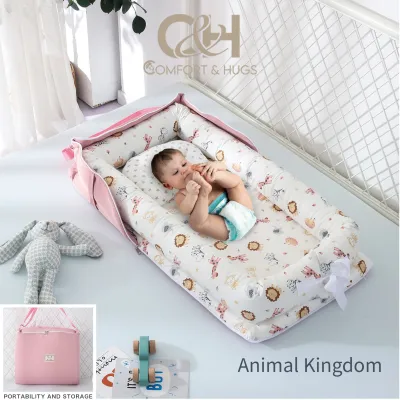

Prices are valid at publication and may change. Please refer to the product page for the latest price.
Independent safety testing subjects these portable designs to rigorous stress tests that simulate daily wear, impact, and weight limits. Testing ensures that the folding mechanisms remain locked under pressure, the mesh fabric resists tearing, and the materials used do not contain harmful chemical residues.
Relying on vague marketing terms like “safety-tested,” “certified,” or “premium quality” on online marketplaces is not enough. Without a specific, verifiable standard code printed on the product, there is no guarantee the cot has undergone independent laboratory evaluation to protect your infant from suffocation or entrapment hazards.
Recognizing Reliable Safety Marks on Product Labels
To verify a travel cot’s safety credentials, parents should look for specific certification codes printed directly on the product’s permanent tracking label, the user manual, or the packaging. These labels are typically stitched into the fabric on the inside or underside of the cot to prevent them from being easily removed.

Several international standards are widely recognized and accepted by consumer safety authorities, including Singapore’s Consumer Product Safety Office. The European standard EN 716 (specifically EN 716-1 and EN 716-2) outlines strict requirements for folding cots, focusing on side height, spacing between mesh holes, and the prevention of finger entrapment.
The American standard ASTM F406 governs non-full-size baby cribs and play yards, testing structural stability, latching mechanisms, and mattress firmness. Similarly, the Australian and New Zealand standard AS/NZS 2195 sets rigorous benchmarks for folding cots, particularly regarding ventilation, mattress fit, and the prevention of accidental folding.
When shopping, always cross-reference the certification claims listed on online marketplaces with the physical product tags and the manufacturer’s official website. If a seller claims compliance but the physical cot lacks a corresponding standard number or batch code, treat the product with caution and verify the details directly with the brand.
Essential Physical Safety Checks Before Every Use
Even a fully certified travel cot can pose risks if it is assembled incorrectly or has suffered damage during transit. Performing a quick, systematic physical inspection before placing your baby inside is a crucial habit for every trip.
Mattress Fit and Firmness: Check the mattress pad provided with the travel cot. It must be firm and lie completely flat without curling at the edges. Ensure there are no gaps wider than two fingers between the mattress and the fabric sides of the cot, as gaps can create a dangerous entrapment hazard where an infant’s head could become wedged.
Mesh Breathability and Weave: Inspect the mesh fabric on the sides of the cot. The weave must be fine enough that small fingers, toes, or clothing buttons cannot catch in the holes. The mesh should also be taut and highly breathable, allowing continuous airflow even if your baby rolls over and presses their face directly against the side.
Folding Mechanism Security: Test the locking joints on all four top rails and the central floor lock, if applicable. Give the assembled frame a firm shake to verify that every locking pin is fully engaged and that the hinges cannot be accidentally released by your child’s movements or weight shifts.
How to Verify Authenticity and Avoid Recalled Products
Purchasing your travel cot from authorized retailers, official brand stores, or reputable department stores in Singapore is one of the most effective ways to ensure you receive an authentic product. Authorized channels provide genuine safety documentation, clear user instructions, and valid manufacturer warranties that protect your purchase.
Before using a new or borrowed travel cot, locate the model number, batch code, and manufacture date, which are usually printed on a tracking label on the base of the cot. Use this information to check public recall databases, such as those maintained by Enterprise Singapore or international consumer product safety commissions, to ensure the specific batch has not been flagged for safety defects.
Always read the included user manual thoroughly before the first setup. Pay close attention to the manufacturer’s specified weight limits, age recommendations, and developmental milestones, as using a cot for a child who is too heavy or too active can compromise the structural integrity of the frame.
When to Stop Using a Travel Cot: Critical Red Flags
Travel cots are subject to significant wear and tear from being folded, packed, transported, and reassembled. Parents must regularly inspect the cot for signs of degradation and know when it is no longer safe to use.
Visible Wear and Tear: Immediately stop using the cot if you notice frayed mesh, torn fabric seams, exposed padding, or cracked plastic joints. Damaged fabric can tear further under a child’s weight, while exposed foam or padding presents a choking and suffocation hazard.
Compromised Locking Mechanisms: If any locking joint becomes stiff, fails to click securely into place, or slips out of alignment during use, retire the cot immediately. A sagging frame or a partially collapsed rail can trap a child and cause serious injury.
Developmental Milestones: Stop using the travel cot once your child reaches the manufacturer’s maximum weight or height limit, or when they show signs of being able to climb out of the cot. At this stage, the risk of the cot tipping over or the child falling increases significantly, and it is time to transition to a different sleep arrangement.
Frequently Asked Questions (FAQ)
Can I use a standard crib mattress in a travel cot for extra comfort?
No, you should never add a standard crib mattress, an extra mattress, or soft bedding to a travel cot. Travel cots are designed and safety-tested specifically to be used only with the thin, firm mattress pad supplied by the manufacturer. Adding a thicker or aftermarket mattress creates dangerous gaps along the flexible fabric sides where a baby can roll over, become trapped, and suffocate.
Are second-hand travel cots safe to use?
Second-hand travel cots can be safe, but they require extreme caution and thorough vetting. Before using a pre-owned cot, ensure it includes the original user manual, has all its original parts, and shows no signs of structural wear or damaged locking mechanisms. You must also locate the model number on the frame and verify online that the product has not been recalled or discontinued due to safety issues.

Community discussion
Share your experience or ask a question. Comments are reviewed before publication.