
Choosing a baby crib is one of the most significant decisions you will make when preparing your nursery. Because an infant spends more than half of their first year sleeping, the crib is the only place where a baby is regularly left unattended for hours at a time. In Singapore, where space-saving designs and imported nursery furniture are common, ensuring that a crib meets rigorous safety standards is essential to protect your child from preventable injuries, entrapment, and suffocation.
While many parents focus on aesthetics, wood finishes, or how well a crib matches their home decor, structural safety must always take priority. A safe sleeping environment relies on a combination of regulatory compliance, physical design checks, and proper assembly. By understanding what safety standards to look for and how to verify them, you can make an informed purchase that provides a secure sleeping space for your baby.
Navigating Singapore's Consumer Product Safety Requirements
In Singapore, the safety of general consumer goods, including nursery furniture and baby cribs, is overseen by the Consumer Product Safety Office (CPSO), which acts as the safeguarding authority under Enterprise Singapore. The CPSO administers the Consumer Protection (Consumer Goods Safety Requirements) Regulations (CGSR). Under these regulations, any consumer product sold in Singapore must meet applicable international safety standards, such as those set by the European Committee for Standardization (EN), the American Society for Testing and Materials (ASTM), or the International Organization for Standardization (ISO).
Products mentioned in this guide
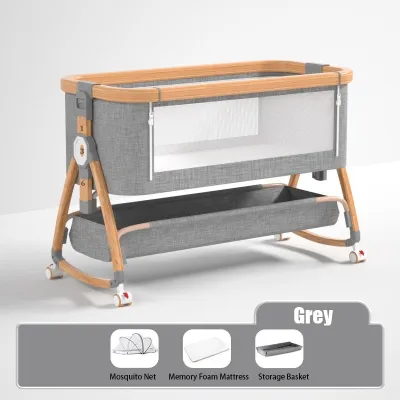
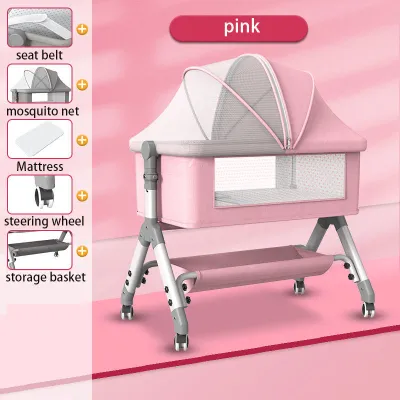
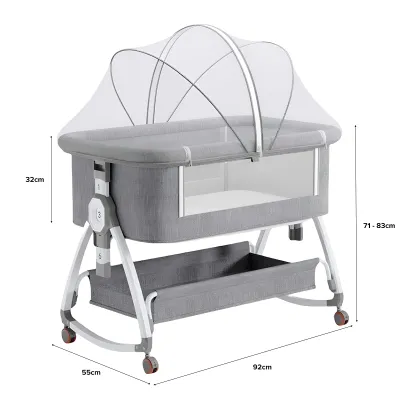
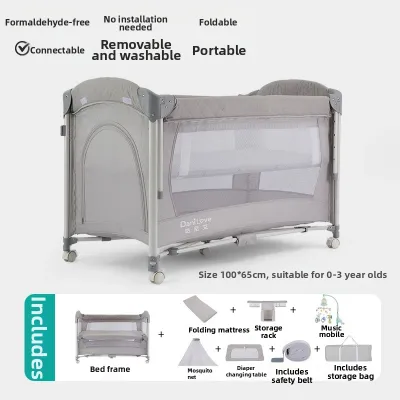
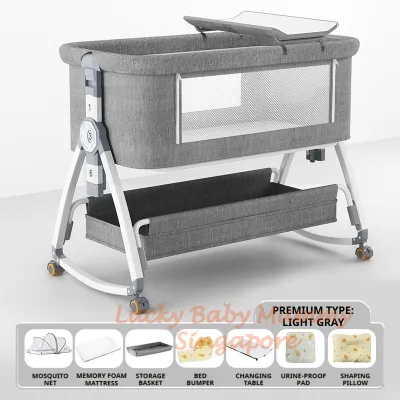
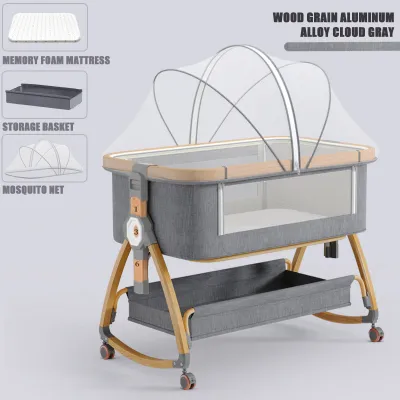

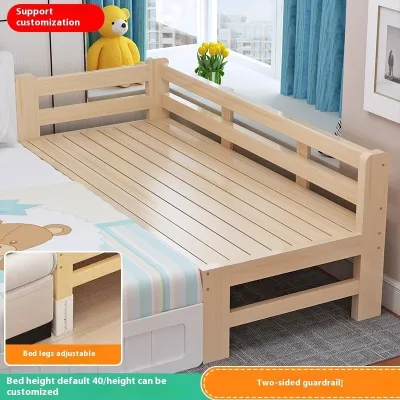
Prices are valid at publication and may change. Please refer to the product page for the latest price.
Unlike household appliances or electrical goods that require a mandatory safety mark before sale, children’s furniture is regulated through post-market surveillance and compliance checks. This means that while there is no specific local registration sticker required on every crib, suppliers are legally obligated to ensure their products comply with recognized safety standards before offering them to consumers. If a product is found to be unsafe or non-compliant, the CPSO has the authority to issue stop-sale notices and recall the product from the market.
When browsing local retail stores or online marketplaces, you should look for explicit declarations of safety compliance on the product packaging, instruction manuals, and product listings. Responsible manufacturers and distributors will clearly state which international standards their cribs meet. If a listing only uses vague marketing terms like “child-safe” or “eco-friendly” without referencing specific regulatory standards, you should treat this as a signal to investigate further or choose an alternative product.
It is also important to distinguish between mandatory safety compliance and voluntary marketing claims. A manufacturer might claim their wood is organic or their paint is natural, but these claims do not guarantee that the crib’s physical structure can withstand the weight and movement of an active infant. True safety compliance is verified through rigorous mechanical testing, which evaluates the strength of the slats, the security of the locking mechanisms, and the stability of the entire frame.
Essential Physical Safety Checks for Any Baby Crib
Before finalizing your purchase or assembling a delivered crib, you should perform several physical checks to ensure the design does not pose any structural hazards. The most critical measurement to verify is the spacing between the crib slats. To prevent a baby’s head, limbs, or torso from becoming trapped, the distance between the slats must be between 50mm and 60mm. You can easily verify this with a standard measuring tape; if a standard soda can or a tennis ball can pass through the slats, the spacing is too wide and poses a severe entrapment risk.

Another vital safety aspect is the fit of the mattress within the crib frame. A mattress that is too small leaves dangerous gaps where a baby’s head or limbs can become wedged. When the mattress is placed in the center of the crib, the gap between the outer edge of the mattress and the inner side of the crib frame should not exceed 30mm at any point. If you can fit more than two fingers between the mattress and the crib sides, the mattress is too small for the crib and should not be used.
Hardware integrity is equally important for long-term safety. Inspect all corner posts and decorative cutouts on the headboard and footboard. Corner posts should be virtually flush with the top of the end panels (no higher than 1.5mm) to prevent a baby’s clothing, sleep sack, or pacifier ribbon from catching and causing a strangulation hazard. Avoid cribs with decorative cutouts in the headboard or footboard, as these can trap a child’s fingers or limbs.
If you are considering a crib with a drop-side mechanism—where one side slides down to make it easier to lift the baby—exercise extreme caution. Many international safety standards, including those in the United States, have banned traditional drop-side cribs due to the risk of the sliding hardware warping, breaking, or detaching, which creates a dangerous gap where an infant can become trapped. If you choose a crib with a drop-side mechanism, ensure the hardware is made of high-quality metal rather than plastic, and verify that the locking mechanism requires a deliberate, dual-action motion to release, preventing accidental opening by a child or sibling.
Finally, examine the surface finishes of the crib. The wood should be smooth and free of splinters, cracks, or rough patches. All paints, varnishes, and lacquers must be non-toxic and lead-free, as babies will inevitably chew on the crib rails once they begin teething. Many certified cribs feature protective plastic teething guards along the top edge of the side rails; ensure these guards are securely attached and do not show signs of cracking or peeling.
How to Verify Manufacturer Certifications and Test Reports
To ensure a crib’s safety claims are genuine, you should learn how to verify manufacturer certifications and test reports. A reputable brand will readily provide documentation proving their products have been tested by an accredited, independent third-party laboratory, such as SGS, TÜV SÜD, or Intertek. When reviewing these documents, look for specific standard codes that indicate comprehensive safety testing.
The most common international standards for baby cribs include:
- EN 716: The European standard for children's cots and folding cots for domestic use. This standard covers structural strength, slat spacing, and material safety.
- ASTM F1169: The American standard specification for full-size baby cribs, which includes rigorous testing for structural integrity, spindle strength, and latch reliability.
- ISO 7175: The international standard specifying safety requirements and test methods for children's cots and folding cots.
When a retailer shares a test report, cross-reference the model number, brand name, and manufacturing batch listed on the certificate with the details printed on the crib’s physical label or packaging. A valid certificate must match the exact model you are purchasing; a certificate for a different model or an older version of the product does not guarantee the safety of the unit you own. Additionally, check the date of the test report to ensure it is relatively recent and reflects current manufacturing standards.
Do not hesitate to contact the retailer or the brand’s official customer service channel before making a purchase. Ask direct questions such as: “Can you provide the third-party test report showing compliance with EN 716 or ASTM F1169?”, “Which accredited laboratory conducted the safety testing?”, and “Are the paints and finishes certified non-toxic under international toy safety standards like EN 71-3?” A transparent company will provide this information promptly, giving you peace of mind before you invest your money.
Red Flags: When to Reject or Stop Using a Crib
Recognizing when a crib is unsafe is crucial for preventing accidents. One of the most immediate red flags during the shopping process is a complete lack of manufacturer identification, model numbers, or contact information on the packaging or the product itself. If a product lacks clear labeling, it is nearly impossible to track safety recalls, obtain replacement parts, or verify compliance with safety regulations. Avoid purchasing unbranded cribs from unregulated online sellers, even if the price seems highly attractive.
For delivered or second-hand units, inspect the hardware and joints thoroughly during assembly. If you notice missing screws, stripped threads, cracked wooden joints, or wobbly side panels, do not place your baby in the crib. Never attempt to repair a damaged crib using generic hardware, wood glue, or makeshift brackets from a local hardware store. Crib components are engineered to work together precisely; using non-original parts can compromise the structural integrity of the entire unit.
As your baby grows, their physical capabilities will change, requiring you to adjust or discontinue the use of the crib. Always refer to the manufacturer’s manual for specific weight, height, and developmental limits. A critical milestone to watch for is when your baby begins to sit up, crawl, or pull themselves up to a standing position. Once your baby can sit up, you must immediately lower the mattress base to its lowest position to prevent them from falling over the side rail.
Stop using the crib entirely and transition your child to a toddler bed or a floor mattress when they reach the maximum height or weight limit specified by the manufacturer, or when the height of the side rail is less than three-quarters of your child’s height. As a general rule, once a child is able to climb out of the crib independently, or when they reach a height of approximately 89cm, the crib is no longer a safe sleeping environment, as the risk of a serious fall increases significantly.
Frequently Asked Questions (FAQ)
Are second-hand baby cribs safe to use in Singapore?
Using a second-hand baby crib carries inherent risks and requires meticulous inspection. Older cribs may not meet current safety standards, such as the ban on drop-side mechanisms or strict limits on slat spacing. They may also have suffered structural wear, wood warping, or micro-fractures in plastic joints that are not immediately visible. Furthermore, second-hand units often lack the original assembly instructions, warning labels, and complete hardware kits.
If you decide to use a pre-owned crib, ensure you know its full history and verify that it has not been subject to any safety recalls. You must obtain the original manufacturer’s manual to ensure correct assembly. Inspect the frame for any missing screws, cracks, or loose joints, and measure the slat spacing and mattress fit yourself. If the crib is more than ten years old, shows signs of structural modification, or lacks clear brand and model labeling, it should be rejected.
Do travel cots need to meet the same safety standards as full-size cribs?
Travel cots and portable playards are designed for temporary use and have different structural requirements than permanent wooden cribs. Because they are made of fabric, mesh, and folding metal frames, they must comply with specific standards such as EN 716-1 or ASTM F406, which govern portable sleeping products. These standards test the strength of the folding mechanisms, the breathability of the mesh sides, and the stability of the frame to prevent accidental collapse.
When using a travel cot, always ensure that all folding joints and locking mechanisms are fully engaged and locked into place before putting your baby down to sleep. Never add a second mattress, mattress topper, or folded blankets to a travel cot; portable cots are designed to be used only with the thin, firm mattress pad provided by the manufacturer. Adding extra padding creates a severe risk of suffocation or entrapment between the mattress and the flexible fabric sides of the cot.
Community discussion
Share your experience or ask a question. Comments are reviewed before publication.