
The best baby bags for travel are not defined by a single brand, but by how well their capacity and compartment layout match your specific transit method, trip duration, and child’s developmental stage. When navigating busy transit hubs like Changi Airport or boarding a flight, a bag’s practical utility depends on accessible organization, weight distribution, and compliance with airline cabin dimensions. Rather than focusing on brand prestige, parents should evaluate structural designs and specific compartment features to find a bag that remains comfortable and organized throughout the journey.
Calculating Your Real Capacity Needs for Travel
Determining the right bag capacity requires a realistic look at your travel itinerary and daily routines. A bag that is too small will leave you struggling to fit essentials, while an oversized bag becomes a heavy burden to carry through terminals. For short day trips or local outings, a compact bag with a capacity of 10 to 15 liters is usually sufficient to hold a few diapers, a travel pack of wipes, a change of clothes, and a single bottle or snack container.
Overnight stays or weekend getaways demand significantly more space, typically requiring a capacity of 20 to 25 liters. This volume allows you to accommodate multiple changes of clothing, sleep sacks, extra swaddles, and a larger supply of feeding essentials. If you are preparing for long-haul flights, you must pack for potential flight delays, unexpected spills, and extended transit times. This scenario requires a high-capacity bag of 25 to 30 liters to hold ample diapers (at least one for every two hours of travel, plus extras), multiple changes of clothes for both baby and parents, toys, and feeding equipment.
Products mentioned in this guide
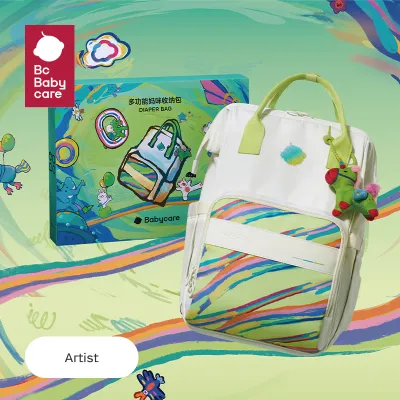
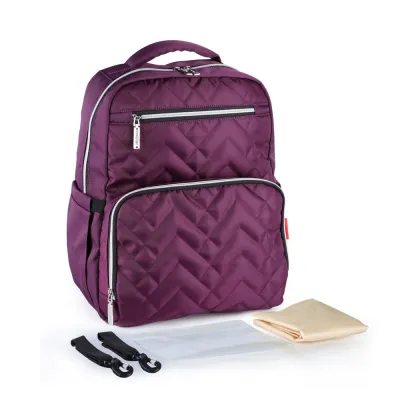
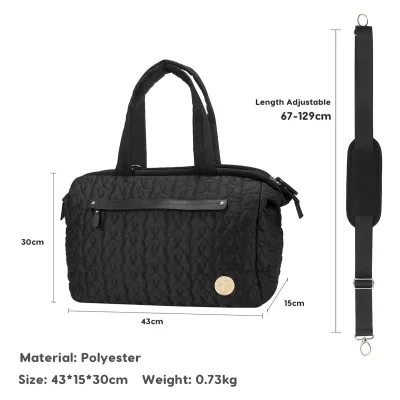
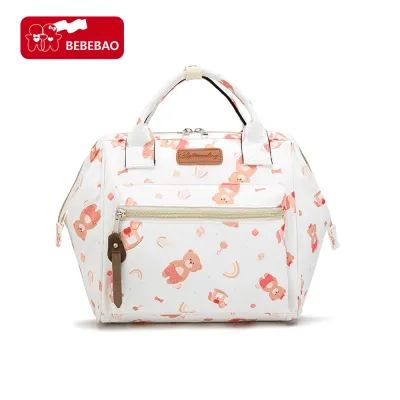
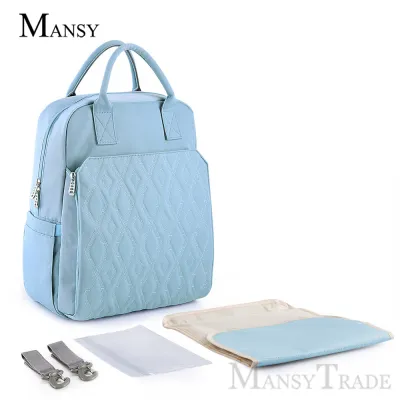
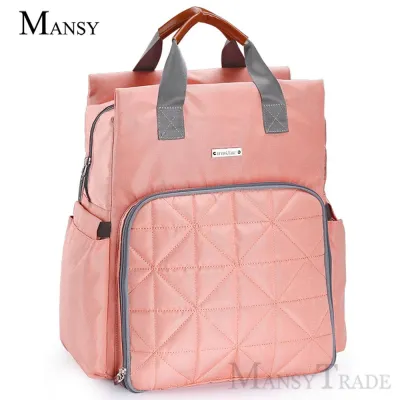
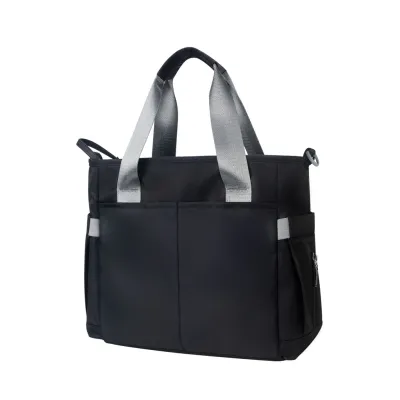
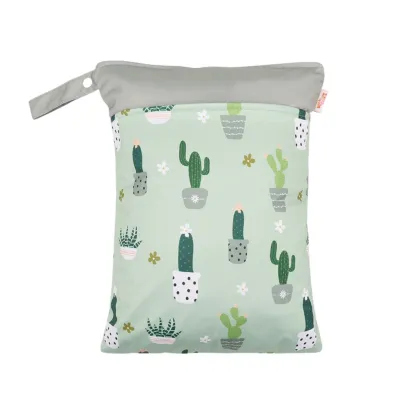
Prices are valid at publication and may change. Please refer to the product page for the latest price.
The baby’s developmental stage and feeding method heavily influence these volume requirements. Newborns require frequent diaper changes and multiple changes of clothes due to spit-ups, but their garments are small and easy to roll up. Formula-fed infants require bulky bottles, insulated water flasks, and formula dispensers, which consume massive amounts of bag space. Toddlers need fewer diapers but require space for solid snacks, water bottles, and small toys to keep them occupied during transit.
Finally, you must balance this capacity with airline restrictions. Many regional budget carriers enforce strict personal item dimensions (often around 40 x 30 x 20 cm) that must fit under the seat in front of you. A bag packed to its absolute limit may bulge, exceeding these dimensions and forcing you to check it in or pay unexpected fees of S$50 or more at the gate. Always check the physical dimensions of the bag when fully packed, rather than relying solely on its stated volume in liters.
Comparing Organization Layouts by Bag Style
Different structural designs manage compartment layouts and weight distribution in distinct ways, directly impacting your travel efficiency. Choosing the right style depends on how you plan to move through your destination.

Backpacks: Hands-Free Mobility and Weight Distribution
Backpacks are the most popular choice for active travel because they distribute weight evenly across both shoulders, reducing physical strain during long walks through airport terminals. They keep your hands completely free to push a stroller, carry a car seat, or hold a toddler’s hand. However, backpacks rely on vertical storage. This means items can easily sink to the bottom, requiring you to dig through the main compartment unless the bag features a panel-loading design or a bottom-access zipper. Look for models with deep side pockets and quick-access top pockets to keep essentials within reach.
Totes and Weekenders: Wide Access and High Volume
Totes and weekender bags offer wide, structured top openings that provide an immediate, unobstructed view of all your gear. This makes them excellent for road trips or as dedicated cabin baggage where you can easily reach in while the bag sits at your feet. They excel at holding bulkier items like winter jackets, large blankets, or multiple formula cans. The primary drawback is carrying comfort; a heavy tote worn over one shoulder or carried by hand can quickly cause muscle strain, making them less suitable for long walks or solo transit with a stroller.
Convertibles: Versatility with Structural Trade-offs
Convertible baby bags offer the ultimate versatility, transitioning from a backpack to a shoulder tote or messenger bag via tuck-away straps. This adaptability is highly useful when transitioning from airport transit (where you want a backpack) to a nice restaurant or hotel lobby (where a tote looks more polished). The trade-off is often structural. To accommodate multiple strap configurations, these bags may have less structured internal compartments, or the straps themselves may add extra weight and bulk when tucked away. Additionally, the transition process can be cumbersome when the bag is fully loaded.
Essential Compartment Features to Check Before Buying
Before purchasing any travel baby bag, verify specific organizational elements in the manufacturer’s specifications to ensure they meet your practical needs.
First, examine the insulated bottle pockets. Do not assume all insulated pockets are created equal. Verify the manufacturer’s specifications regarding the height and width of these pockets. Many standard pockets are designed for narrow, traditional bottles and will not accommodate wide-neck bottles, silicone bottles, or larger insulated straw cups for toddlers. Look for pockets lined with thick, wipeable thermal material and check if they can hold at least two bottles simultaneously for longer journeys.
Second, look for a dedicated parent zone. A dedicated parent zone is essential for keeping your personal items secure and separate from baby gear. This compartment should be easily accessible without opening the main baby section. Look for secure zippered pockets for passports, boarding passes, wallets, and mobile phones. Some travel bags feature RFID-blocking pockets or key leashes, which add peace of mind when navigating crowded tourist areas.
Third, evaluate accessibility and linings. Quick-access features can prevent stressful situations during travel. Look for dedicated external wipe pockets with magnetic or zippered flaps that allow you to pull out a wipe with one hand without opening the bag. Small, detachable pacifier pockets or quick-reach top pockets keep soothing items clean and ready. Finally, verify that the interior lining is water-resistant and easy to wipe clean. Spills are inevitable during travel, and a lining that absorbs liquids will quickly develop odors and stains.
Decision Framework: Which Travel Bag Style Fits Your Trip?
To make your final decision, analyze your primary transit method and packing habits. If you are planning a multi-day road trip or traveling by train where luggage space is flexible, a high-capacity weekender style is highly efficient. It allows you to pack all baby essentials, extra clothing, and even some of your own gear into a single, easily accessible bag, eliminating the need for multiple small suitcases.
If you are traveling solo, navigating busy transit hubs, or managing a highly active toddler, a structured backpack is almost always the superior choice. The hands-free mobility allows you to react quickly, manage strollers, and maintain your balance on escalators or public transport. Choose a model with ergonomic, padded shoulder straps and a breathable back panel to stay comfortable in warm, humid climates.
For those flying frequently on budget airlines, dimensions and weight are the ultimate deciding factors. Before purchasing, verify the bag’s exact empty weight and external dimensions. A bag that is heavy when empty (exceeding 1.2 kg) will severely limit how much gear you can pack before hitting airline weight limits. Ensure the bag’s dimensions align with the personal item rules of your preferred carriers to avoid unexpected fees at the boarding gate.
Frequently Asked Questions (FAQ)
Can I use a regular backpack instead of a branded baby bag for travel?
Yes, you can use a standard backpack, but you will need to compensate for the lack of specialized features. Standard backpacks typically lack insulated bottle pockets, water-resistant linings designed for spills, and dedicated quick-access wipe compartments. To replicate the organization of a branded baby bag, you can use a system of color-coded packing cubes or pouches—one for diapering, one for feeding, and one for spare clothes. This prevents items from getting lost in a deep, unstructured main compartment.
Do airlines count baby bags as part of the carry-on allowance?
Airline policies vary significantly regarding infant baggage allowances. Many full-service airlines allow parents traveling with an infant to bring one diaper bag or baby personal item free of charge, in addition to their standard carry-on allowance. However, budget carriers often require the baby bag to fit within your existing personal item or carry-on allowance, or they may charge an additional fee. Always verify the specific infant baggage policy on your airline’s official website before departing.
What is the ideal empty weight for a travel baby bag?
For travel, look for a baby bag with an empty weight of under 1.0 kg, and ideally around 0.7 kg to 0.8 kg. A heavy bag made of thick canvas or heavy faux leather might look stylish, but it will quickly become exhausting to carry once loaded with water flasks, bottles, diapers, and spare clothes. Choosing a lightweight, high-density nylon or polyester bag maximizes your usable carrying capacity while staying within comfortable physical limits and airline weight restrictions.

Community discussion
Share your experience or ask a question. Comments are reviewed before publication.