
Choosing between Thermoplastic Polyurethane (TPU) and Polyvinyl Chloride (PVC) for a baby changing table mat depends on balancing flexibility, chemical composition, durability, and budget. TPU generally offers a softer, plasticizer-free surface that is highly flexible, while PVC provides a highly durable, cost-effective, and easily sanitized option. Neither material is universally superior; instead, parents must verify specific product labels, certifications, and manufacturer instructions to ensure the mat meets their nursery’s safety and practical needs.
The changing table is one of the most frequently used stations in the home, hosting thousands of diaper changes over the first few years of a child’s life. Because leaks, spills, and messy accidents are inevitable, a reliable waterproof changing mat is an essential tool for maintaining hygiene and protecting your nursery furniture.
While the primary job of any changing mat is to keep liquids from soaking into the underlying cushion, the material you choose affects how the mat feels, how easy it is to clean, and how long it will last. TPU and PVC are the two most common waterproof materials used in modern changing pads. Understanding the differences in their physical properties, manufacturing processes, and care requirements will help you select the option that best fits your household’s priorities.
Products mentioned in this guide
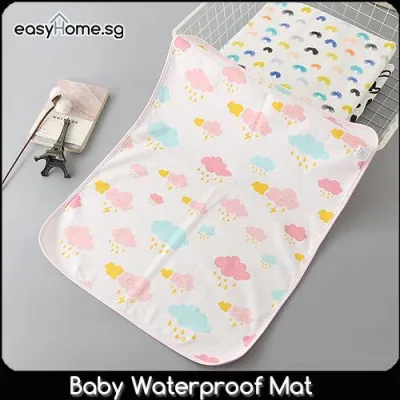
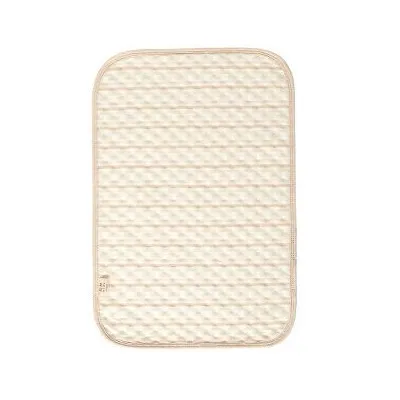
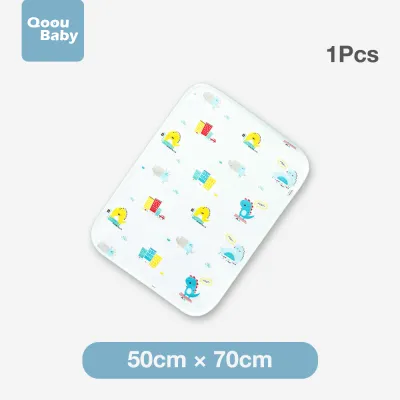
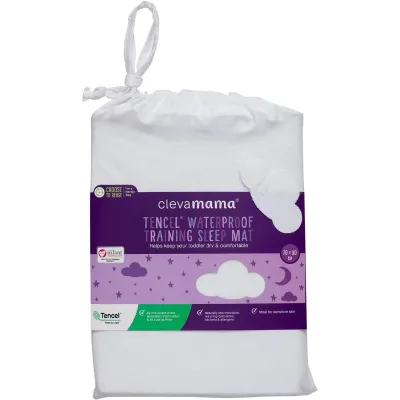
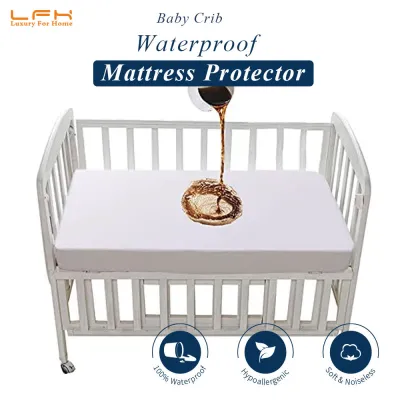
Prices are valid at publication and may change. Please refer to the product page for the latest price.
Understanding TPU and PVC Materials for Baby Mats
Thermoplastic Polyurethane, commonly known as TPU, is a class of polyurethane plastics that bridges the gap between rubber and traditional plastics. It is highly elastic, flexible, and resistant to oils and abrasion. In nursery products, TPU is frequently used as a thin, waterproof laminate bonded to a fabric backing, such as organic cotton or polyester. Because TPU is naturally flexible, manufacturers do not need to add chemical plasticizers to make it soft, making it a popular choice for parents seeking materials with fewer chemical additives.
Polyvinyl Chloride, or PVC, is a widely produced synthetic plastic polymer that is naturally rigid and strong. To make PVC flexible enough for products like changing mats, manufacturers mix it with plasticizers. PVC is highly valued for its exceptional durability, complete water resistance, and low production cost. This makes PVC changing mats highly accessible and capable of withstanding years of heavy, daily use without losing their waterproof properties.
Both materials achieve waterproof capabilities by creating a non-porous barrier that prevents liquids from passing through to the inner foam or the changing table surface. This barrier is crucial for preventing urine, feces, and cleaning fluids from soaking into the core of the pad, where they could foster the growth of mold and bacteria. However, the way these materials are manufactured and structured leads to distinct differences in safety verification, durability, tactile comfort, and maintenance.
Key Comparison Dimensions for Waterproof Changing Mats
When evaluating TPU and PVC changing mats, safety and chemical composition are often the top priorities for parents. Because babies have sensitive skin, it is important to look beyond marketing claims and actively verify product labels. Historically, certain plasticizers used in PVC, such as specific phthalates, raised health concerns, leading to strict regulatory limits on children’s products. Modern baby-specific PVC mats must comply with these safety standards, but parents should still check packaging for explicit “phthalate-free,” “BPA-free,” and “lead-free” labels. TPU is generally manufactured without these plasticizers, but verifying independent safety certifications remains essential for both materials.

Durability and tear resistance determine how well a changing mat survives the daily rigors of parenthood. A typical changing mat must withstand squirming babies, accidental fingernail scratches, friction from rough clothing, and thousands of wipes. PVC is exceptionally tough and resistant to tearing, making it highly suitable for long-term, heavy-duty use. TPU is also highly durable and puncture-resistant, but because it is often applied as a thin laminated layer over fabric, it can occasionally peel or delaminate if subjected to aggressive scrubbing, harsh chemicals, or extreme heat.
Touch and comfort directly affect how calm your baby remains during diaper changes. TPU is widely recognized for its soft, fabric-like texture, which tends to feel warmer and more pliable against a baby’s skin, even in cooler room temperatures. PVC can feel somewhat stiffer and cooler to the touch, which some babies may find startling. While caregivers can easily place a washable fabric cover or a soft receiving blanket over a PVC mat to improve comfort, they must ensure the cover fits securely and does not create a loose-fabric hazard.
Cleaning and stain resistance are critical for maintaining a hygienic changing station. Diaper changes frequently involve acidic messes, wet wipes, and oily barrier creams or ointments. PVC is highly chemical-resistant, allowing caregivers to wipe away messes effortlessly and use mild sanitizing solutions without worrying about degrading the plastic. TPU is also highly stain-resistant and easy to wipe clean, but certain oil-based diaper creams or heavy ointments can leave stubborn stains or slowly break down the polyurethane layer if they are left on the surface for extended periods.
TPU vs PVC: Feature Comparison Matrix
To help you quickly compare the general characteristics of these two materials, the following matrix outlines their typical industry profiles. Keep in mind that these are general traits, and you must always verify the exact specifications and care guidelines on the product label of the specific mat you intend to purchase.
| Feature | TPU Mats | PVC Mats |
|---|---|---|
| Material Base | Polyurethane elastomer (often laminated to fabric) | Polyvinyl chloride polymer (often cushioned with foam) |
| Typical Flexibility | High natural elasticity, soft and fabric-like | Moderate to high (requires added plasticizers) |
| Common Thickness | Thin laminated layers (typically 0.1mm to 0.5mm) | Thicker sheet layers (typically 0.5mm to 1.5mm) |
| Cleaning Requirements | Mild soap and water; avoid harsh alcohol or bleach | Mild soap, water, or diluted baby-safe sanitizers |
| Relative Price | Generally premium pricing | Generally budget-friendly |
How to Verify Safety and Quality Claims
Navigating the marketing claims on baby products can be challenging, as terms like “eco-friendly,” “natural,” and “non-toxic” are often used loosely. To ensure you are purchasing a high-quality and safe changing mat, look for independent, third-party certifications. Certifications such as OEKO-TEX Standard 100 ensure that the textile components have been tested for harmful levels of toxic chemicals. Greenguard Gold certification indicates that the product meets strict chemical emissions standards, helping to maintain indoor air quality in your nursery.
To protect against greenwashing, carefully read the detailed material composition list on the product packaging or the manufacturer’s official website. A product marketed as an “organic cotton changing pad” may actually feature a cotton core wrapped in a standard synthetic waterproof cover, or a cotton cover over a polyurethane foam core. Ensure the label explicitly states “100% TPU” or “phthalate-free PVC” to confirm that the specific waterproof layer meets your expectations.
Another reliable indicator of product quality is the detail level of the manufacturer’s care instructions and warranty terms. Reputable manufacturers provide clear, specific guidelines on how to clean the mat, which chemicals to avoid, and how to store it safely. A comprehensive warranty period suggests that the manufacturer has tested the product’s durability and stands behind its performance under normal daily use.
Making Your Decision: Which Mat Fits Your Nursery Needs?
Choosing the right material ultimately comes down to your household’s specific priorities, budget, and daily routine. You may want to choose a TPU changing mat if you prioritize a naturally flexible, soft surface that does not rely on added plasticizers for its elasticity. TPU is an excellent option if you have a higher budget and prefer a lightweight, fabric-like feel that is gentle on your baby’s skin.
Conversely, a PVC changing mat may be the better choice if you need maximum tear resistance for heavy, long-term use and want a surface that can easily withstand regular wiping with mild sanitizing agents. PVC is also ideal if you are looking for a highly budget-friendly option, as these mats are widely available.
Before making your final purchase, always verify specific conditions that might affect your choice. If your baby has highly sensitive skin or a diagnosed skin condition, consult your pediatrician and check the mat for hypoallergenic certifications. Additionally, if your changing table is positioned near a window with direct sunlight or close to a radiator, verify the manufacturer’s guidelines regarding UV and heat exposure, as both materials can degrade, warp, or discolor under extreme environmental conditions.
Care and Maintenance to Extend Mat Lifespan
Proper care and maintenance are essential for keeping your changing mat hygienic and extending its usable lifespan. For daily cleaning, wipe down the mat immediately after every diaper change using a damp cloth and mild, baby-safe soap. Avoid using harsh household chemicals, undiluted bleach, or abrasive scrubbing pads, as these can strip away the waterproof coating on TPU mats or cause PVC surfaces to become brittle and crack.
When it comes to storage and placement, always keep the mat flat or rolled according to the manufacturer’s instructions. Avoid folding the mat tightly or placing heavy, sharp objects on top of it, as sharp creases can weaken the waterproof barrier and lead to permanent cracks. Ensure the changing table is kept away from direct sunlight and heat sources to prevent premature aging, yellowing, or warping of the plastic materials.
Regularly inspect your changing mat for any visible signs of wear and tear. You must stop using the mat and replace it immediately if you observe surface cracking, peeling of the waterproof laminate, persistent odors that do not wash away after cleaning, or any signs of mold or mildew growth. Damaged surfaces can harbor bacteria and moisture, presenting a hygiene risk to your baby’s delicate skin.
Frequently Asked Questions (FAQ)
Can I use a standard PVC shower curtain liner as a changing mat cover?
No, you should not use standard household PVC items, such as shower curtain liners, as changing mat covers. Household PVC products are often manufactured with plasticizers and chemical additives that are not tested or approved for direct contact with infant skin. Always use certified, baby-specific products that comply with juvenile product safety standards to ensure your baby is not exposed to harmful substances.
Do TPU mats turn yellow over time?
Yes, TPU materials can naturally oxidize and turn yellow over time when exposed to ultraviolet (UV) light from windows or certain chemical cleaning agents. This yellowing is a natural aesthetic change and does not necessarily mean the mat has lost its waterproof capabilities. To minimize this effect, keep the mat out of direct sunlight, avoid harsh chemical cleaners, and wipe it down only with mild soap and water.
Is a thicker waterproof mat always better for a changing table?
Not necessarily. While a thicker mat may offer more cushioning, excessively thick or soft mats can create safety hazards, such as increasing the risk of a baby rolling off the changing table or creating a soft surface that poses a suffocation risk if the baby turns over. Always follow the changing table manufacturer’s specific guidelines regarding maximum mat thickness and ensure the mat fits snugly within the table’s safety barriers.

Community discussion
Share your experience or ask a question. Comments are reviewed before publication.