
Selecting the right waterproof changing mat is a foundational decision for your nursery setup. A high-quality mat does more than simply catch spills; it provides a stable, hygienic, and comfortable surface for the thousands of diaper changes your baby will undergo during their first few years. To find the ideal option, you must look beyond aesthetics and focus on practical specifications, including precise physical dimensions, material safety standards, ease of maintenance, and built-in safety features.
By understanding what to look for, you can ensure the mat fits seamlessly into your home environment and supports your daily caregiving routine. Whether you are setting up a dedicated changing station in a spacious nursery or adapting a dresser top in a compact urban apartment, evaluating these essential features will help you make an informed and practical choice.
Assessing Size and Fit for Your Nursery Furniture
Before browsing designs, you must establish the exact physical boundaries of your changing area. If you plan to place the waterproof mat inside a wooden changing table frame or atop a chest of drawers, use a metal measuring tape to record the precise internal length, width, and depth of the surface. A mat that is too large will bunch up or sit unevenly, creating an unstable surface, while a mat that is too small can slide around during active diaper changes.
Products mentioned in this guide
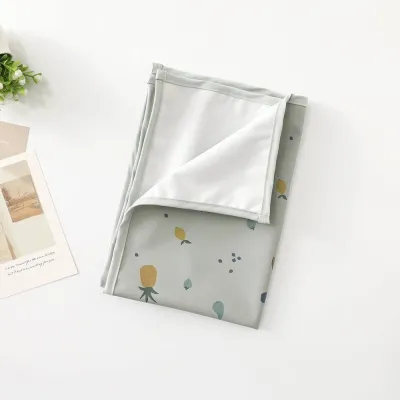

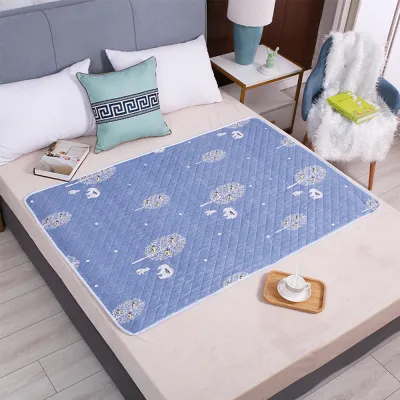
Prices are valid at publication and may change. Please refer to the product page for the latest price.
You will generally choose between contoured mats, which feature raised sides, and flat mats. Contoured designs are highly popular for dedicated changing tables because they help keep your baby centered, but they require a flush fit within your furniture’s safety rails. If your furniture includes built-in safety straps, check how the mat aligns with these components. Some mats feature pre-cut slots or integrated straps that must line up perfectly with the anchoring points on your dresser or changing table.
Additionally, pay close attention to the thickness of the mat. While a thicker mat may seem to offer more cushioning, it also raises your baby higher relative to the furniture’s safety barriers. Ensure that the combined height of the mat and your baby does not bypass the protective height of the changing table’s wooden rails. Always verify the manufacturer’s specific dimensions and compare them directly against your furniture measurements to guarantee a secure, slip-free fit.
Evaluating Waterproofing and Skin-Safe Materials
Because your baby’s delicate skin will come into direct contact with the changing mat multiple times a day, the materials used in its construction deserve careful scrutiny. Look for clear product labels or manufacturer declarations indicating that the mat is non-toxic, phthalate-free, lead-free, and BPA-free. Since safety standards and chemical certifications can vary, always verify these claims directly on the packaging or the manufacturer’s official documentation rather than relying on generic product descriptions.

The outer cover of the mat serves as the primary barrier against moisture and messes. High-quality polyurethane (PU) or vinyl-free waterproof coatings are excellent choices, as they offer reliable liquid resistance without releasing harsh chemical odors. Assess the outer cover for durability and tear resistance; frequent wiping and occasional scrubbing can wear down thin, low-grade plastics, leading to cracks where moisture and bacteria can accumulate.
It is also important to check how the waterproof layer is integrated. Some mats feature a seamless outer cover where the waterproof barrier is permanently bonded to the fabric, preventing liquids from seeping into the inner foam. Others rely on a separate, removable inner liner. While removable liners can be convenient, they can sometimes shift or bunch up during use, which may compromise the waterproof seal. A seamless, integrated cover generally offers the most reliable protection against deep leaks.
Checking Cleaning and Daily Maintenance Needs
A changing mat must be exceptionally easy to clean to maintain a hygienic nursery environment. When evaluating different models, consider whether the mat is designed strictly for wipe-clean maintenance or if it features a removable, machine-washable cover. Wipe-clean mats made of smooth, non-porous materials are highly efficient for busy parents, as they can be sanitized in seconds using mild baby-safe wipes or a damp cloth with a gentle detergent.
If you prefer the soft feel of a fabric cover, ensure that the underlying mat is fully waterproof and that the cover itself can withstand frequent machine washing at high temperatures. Avoid materials that easily absorb odors or are prone to permanent staining. In humid climates, such as in Singapore, damp fabrics that are not thoroughly dried can quickly become breeding grounds for mold and mildew. Therefore, quick-drying materials are highly advantageous for maintaining daily hygiene.
Always consult the manufacturer’s instructions regarding acceptable cleaning agents. Some waterproof coatings can degrade, crack, or lose their water-repellent properties if exposed to harsh household disinfectants, bleach, or alcohol-based wipes. Choosing a mat with a robust, chemically resistant surface ensures that you can sanitize the changing area thoroughly without compromising the structural integrity or lifespan of the waterproof barrier.
Reviewing Comfort, Support, and Safety Boundaries
While waterproofing and cleanliness are vital for parents, comfort and physical security are paramount for your baby. The core of the changing mat should consist of high-density foam that provides firm, supportive cushioning. Avoid mats that are overly soft or allow your baby to sink completely to the hard wood of the dresser beneath, as this offers inadequate support for their developing spine and head.
Physical boundaries are another critical safety consideration. Many waterproof changing mats feature contoured edges, typically with two or three raised sides, which create a shallow cradle. These raised bumpers are designed to discourage your baby from rolling over during a change. However, these contours are supportive aids and do not prevent movement entirely; active caregiver supervision is always required to ensure your baby remains safe on the elevated surface.
Many mats also come equipped with an adjustable safety strap and buckle system to help secure your baby gently across the torso. If you choose a model with a safety harness, verify how the straps are anchored to the mat’s core or the underlying furniture. Check the buckle mechanism to ensure it is easy for you to operate with one hand while keeping your other hand securely on your baby. Always stop using the mat if your baby exceeds the manufacturer’s specified weight or developmental limits.
Considering Portability for Travel and On-the-Go Use
While a thick, contoured mat is ideal for your home nursery, your family’s lifestyle may require a secondary, highly portable option for travel and outings. Portable waterproof mats are designed to fold or roll into a compact shape that fits easily inside a standard diaper bag. These travel mats allow you to establish a clean, familiar changing surface when using public changing tables in shopping malls, transit hubs, or parks.
When selecting a portable mat, look for lightweight materials that do not add unnecessary bulk to your diaper bag. Features such as built-in carrying handles, integrated storage pouches for diapers and wipes, or secure hook-and-loop closure straps add significant convenience when you are managing a baby on the go. The mat should still offer a reliable, easy-to-wipe waterproof surface on both sides to protect your baby from public surfaces and protect your bag from dampness after use.
Keep in mind that travel mats generally lack the thick foam padding and high contoured edges of stationary nursery mats. Because they are flat and thin, they must only be used on flat, stable surfaces, and you must maintain constant physical contact with your baby during use. Having both a robust stationary mat for your home nursery and a compact, foldable mat for travel ensures you are prepared for diaper changes in any environment.
Frequently Asked Questions (FAQ)
Can I use a regular waterproof mattress protector instead of a changing mat?
Using a standard waterproof mattress protector as a changing mat is not recommended for elevated surfaces. Mattress protectors are flat, thin sheets designed to cover a bed; they lack the high, contoured safety edges and secure strap anchors that purpose-built changing mats provide. Placing a loose mattress protector on a hard dresser top creates a significant risk of slipping, sliding, or bunching when your baby moves, which can compromise safety. Purpose-built changing mats are specifically engineered to remain stable on changing tables and offer the necessary cushioning to support your baby comfortably.
How often should I replace a waterproof changing mat?
You should inspect your waterproof changing mat regularly for signs of wear and replace it immediately if its structural integrity or hygiene is compromised. Look for visual cues such as peeling or cracking in the waterproof outer layer, deep creases that are difficult to clean, or persistent odors that remain after thorough sanitizing. Additionally, if the safety straps, buckle mechanisms, or contoured foam edges become torn, loose, or structurally weakened, the mat is no longer safe to use. For hygiene and safety, replace the mat as soon as any of these signs of degradation appear.
Community discussion
Share your experience or ask a question. Comments are reviewed before publication.